WELCOME TO KAZAKHSTAN

An unforgettable adventure awaits you

10

On May 10, 2024, the 95th anniversary of the birth of writer, journalist, and statesman Kakimzhan Kazybayev (1929-1989) is celebrated.

Album Art

Culture of the Great Steppe

Kazakhstan is located in the heart of Eurasia - at the intersection of key transportation routes. For millennia, the country's territory has served as a connecting bridge between the East and the West. Its strategic position has facilitated not only the active growth of trade but also the exchange of cultural and scientific achievements. The Great Silk Road passed through the lands of modern Kazakhstan. Caravans transported furs, gold, spices, and silk. Since ancient times, the vast steppes have united peoples and preserved many valuable artifacts. The word of Turkic origin 'Kazakh' means 'Free man,' and Kazakhstan is a country historically inhabited by freedom-loving nomads. At various stages of history, unique civilizations arose and developed here, and their heir is the modern state with a rich past and a multicultural heritage
ARTICLES

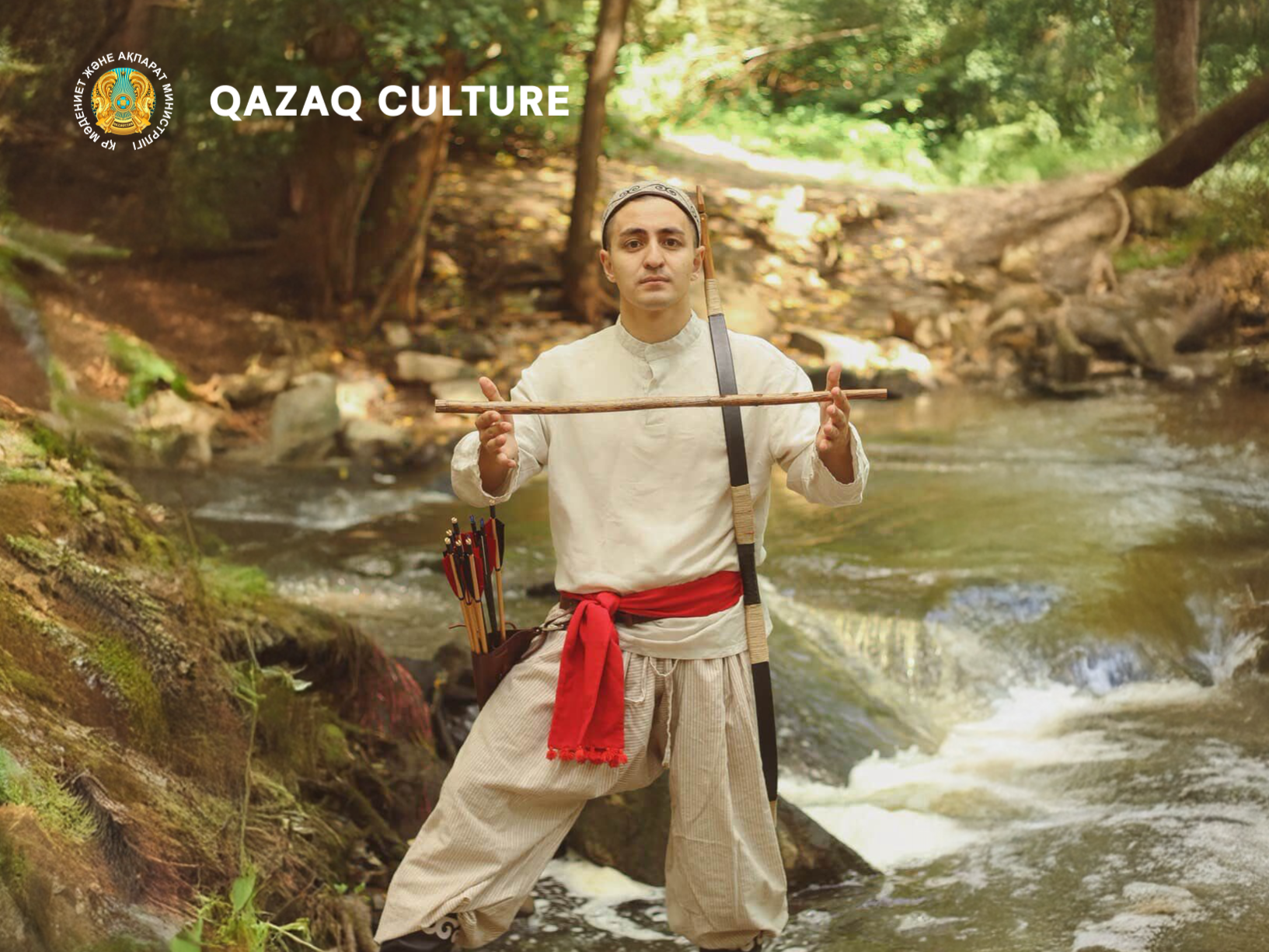
Sound born of nature: kurai as a tradition of generations

Contemporary ethnic music is increasingly moving beyond the boundaries of traditional performance, transforming into a space for a vibrant dialogue between cultures, time, and sound. At the intersection of academic school and folk tradition, a new generation of musicians is emerging, for whom sound is not just a technique but also a way to speak about roots, identity, and the interconnectedness of peoples.One such artist is Arslan Umurzakov, a musician from Bashkortostan who combines the kurai and saxophone, tradition and modernity, in his work. His performance as part of the "Breath of Heaven and Earth" program captivated the audience. Right on stage, he created an instrument from a plant and performed the song "Anime" from Flera Suleimanova's repertoire—a Tatar adaptation of the legendary composition "Ana turaly zhyr," written by Shamshi Kaldayakov in 1958. This performance became a symbol of the cultural affinity between peoples.In an interview with Qazaq Culture, Arslan Umurzakov discussed the nature and combination of instruments and how tradition lives on in modern musical language.– You grew up in a family of kurai players. Tell us how you came to choose this instrument.– I think, in my case, my love for the kurai was truly hereditary. It was passed down from both my mother's and father's sides, although my parents themselves were not professional musicians. On my mother's side, my great-grandfather, Fuat Saltykov, was a renowned kurai player, and his recordings are now preserved in the gold collection of the Republic of Bashkortostan. On my father's side, my grandfather, Rajap Magafurov, also played the kurai. My brother, Lasyn Magafurov, now carries on this tradition – he is a professional musician and teaches the instrument. So, the kurai has been a part of our family environment since childhood. I received my first lessons in my native village of Askarovo in the Abzelilovsky District from Ilham Shakirov – he became my first ostas. I later continued my studies in Ufa at the invitation of Robert Yuldashev, who remains my mentor today.Overall, my musical journey has spanned about 25 years, 18 of which have been professional. And perhaps it's symbolic that it all began with a simple family story: my mother, working as a paramedic, once helped Ilham Shakirov. In gratitude, he invited my brother to study with him, and from then on, the kurai appeared in our home. That's when my interest first arose – I constantly picked up the instrument and tried to play. That's where my journey began.– How did you create the kurai from a plant, and how does the instrument work?– Actually, the idea of ​​creating a kurai directly from a plant isn't new. The renowned kurai player Yumabay Isanbaev first demonstrated it on a large stage in France in 1925. His performance made a strong impression on the audience. They say one of the audience members took a ring from her hand and gave it to him. For us, this isn't just a beautiful story, but part of a great tradition that we continue today.However, the apparent simplicity of this process conceals a very subtle and complex craftsmanship. Making a true kurai from a plant is not as easy as it might seem. First, you need to find the right plant, which is no easy task, as the location, time of harvest, and quality of the material are all important. Then it must be carefully transported and prepared. And only then does the most crucial part of the work begin, which largely depends on the kurai player themselves—their experience, ear, knowledge of the instrument, and understanding of its nature.The kurai is a living instrument, closely connected to nature. Therefore, its creation requires not only craftsmanship but also a special approach, patience, and respect for tradition.– You performed the Tatar adaptation of the composition "Ana turaly zhyr," written by Shamshi Kaldayakov in 1958. Why did you choose this music? It's no coincidence that this composition appeared in my repertoire. I'm a soloist with the Bishbarmak Orchestra, where I play the saxophone and kurai. My fellow orchestra member is Murat Dzhanizakov, a virtuoso kurai player who, incidentally, is of Kazakh descent. Once, while touring, he performed this very melody and introduced it as a Kazakh song. Since then, I've come to perceive it in this way too. This composition is very familiar and relatable to various Turkic peoples – it's known and loved not only by Kazakhs, but also by Bashkirs and Tatars.Before going on stage, I checked with the conductor whether the orchestra and the audience were familiar with this song. This was important to me because I wanted the performance to resonate with the audience.How do you work with an orchestra, given the intimate sound of the kurai? And which instrument do you prefer – the kurai or the saxophone? The kurai truly has a very unique timbre. Despite its intimate and subtle sound, it can reveal itself in a variety of ways and blend seamlessly with various musical genres—from lyrical pieces to richer, even rock-inspired sounds. Therefore, when working with an orchestra, it's important to feel its timbre and integrate it correctly into the overall musical space.In terms of personal perception, the kurai is, of course, closer to me—it's my native instrument. At the same time, learning the saxophone has given me great opportunities for professional growth. It helped me experience both the kurai and music in general in a new way. That said, I can honestly say that playing the kurai is much more difficult than the saxophone. This instrument conceals a very subtle and profound technique.In what cities and countries have you performed? How does the perception of traditional music change outside your country?Most often, of course, it's in different cities across Russia. I've also had the opportunity to perform in Myanmar, Oman, Bahrain, the UAE, China, and Kazakhstan—particularly in Astana and Aktobe. In each country, we strive not just to give a concert, but to leave an impression and introduce listeners to our musical tradition.Particularly memorable were my performances in Oman and Bahrain as part of the "Russian Seasons" project, where I performed with the N.P. Osipov Russian Folk Orchestra. In addition to concerts, we held master classes, shared information about our instruments, and the audience's reaction was very lively. For many, the sound of the kurai was a real revelation—some even expressed a desire to purchase one for themselves.In general, interest in traditional music outside one's own country is often very sincere. People are drawn to the unusual timbre, the depth of sound, and the cultural memory that an instrument like the kurai carries. Regarding the concert in Aktobe, it was a neoclassical program by Roza Zagidullina, combining her signature sound with ethnic motifs. The invitation was prompted by a video of our November performance with the State Symphony Orchestra of the Udmurt Republic, where we performed "Nurly" by Roza Fa and Amal Kerimov for piano and kurai. Dina Niyazova, director of the Gaziza Zhubanova Aktobe Regional Philharmonic, saw it and invited us to perform in Kazakhstan.A special program was prepared for this concert, combining Roza Zagidullina's signature neoclassical music with epic Bashkir ethnic sounds and kurai. It was dedicated to memory, gratitude to our roots, and respect for traditions. We performed the program together with the Chamber Symphony Orchestra of the Aktobe Regional Philharmonic under the direction of Ali Ermekbayev, Honored Artist of the Republic of Kazakhstan.

Regions and places to visit

Discover the best places to visit in Kazakhstan. Explore the regions and find out what makes them unique.

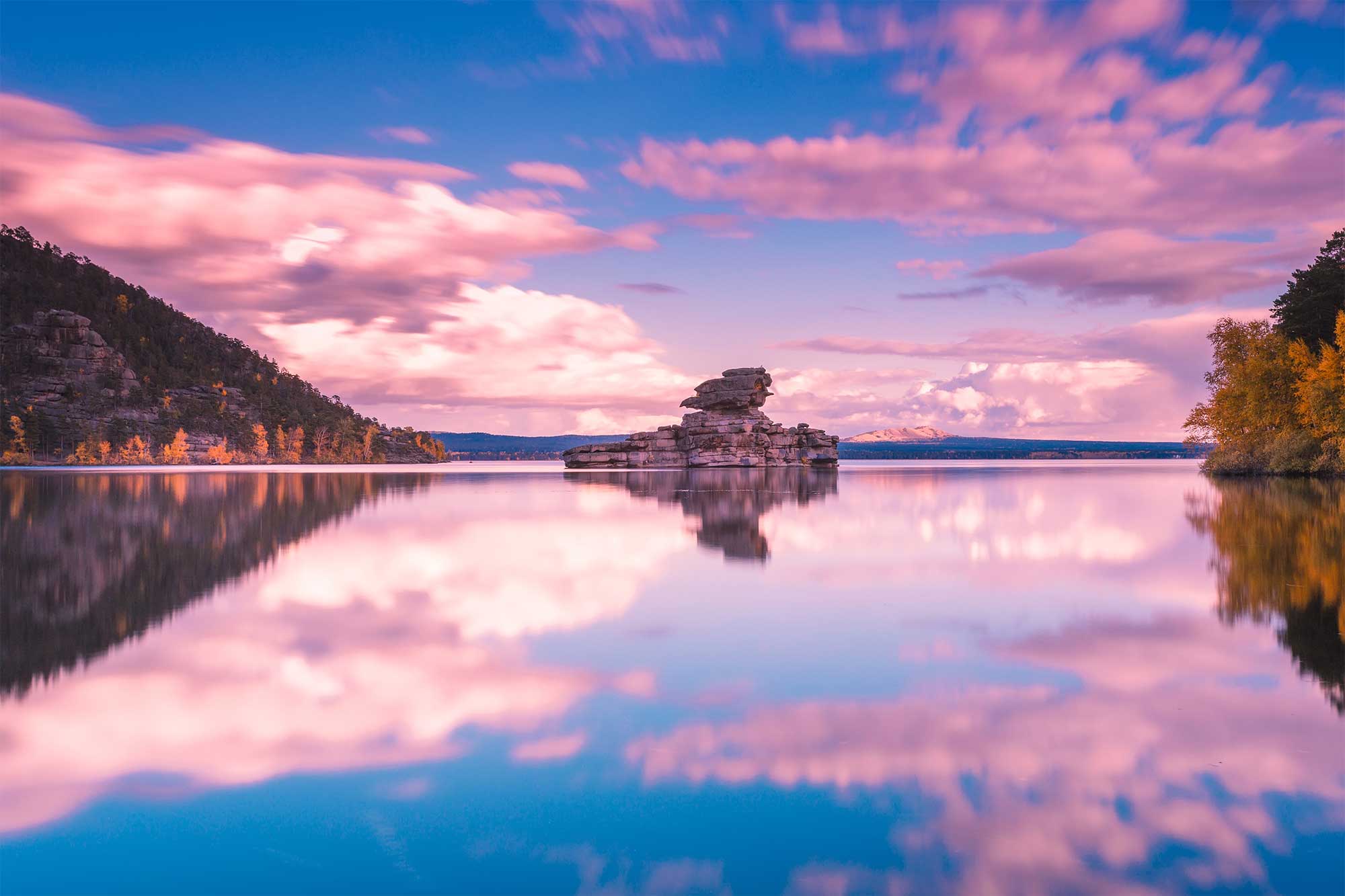
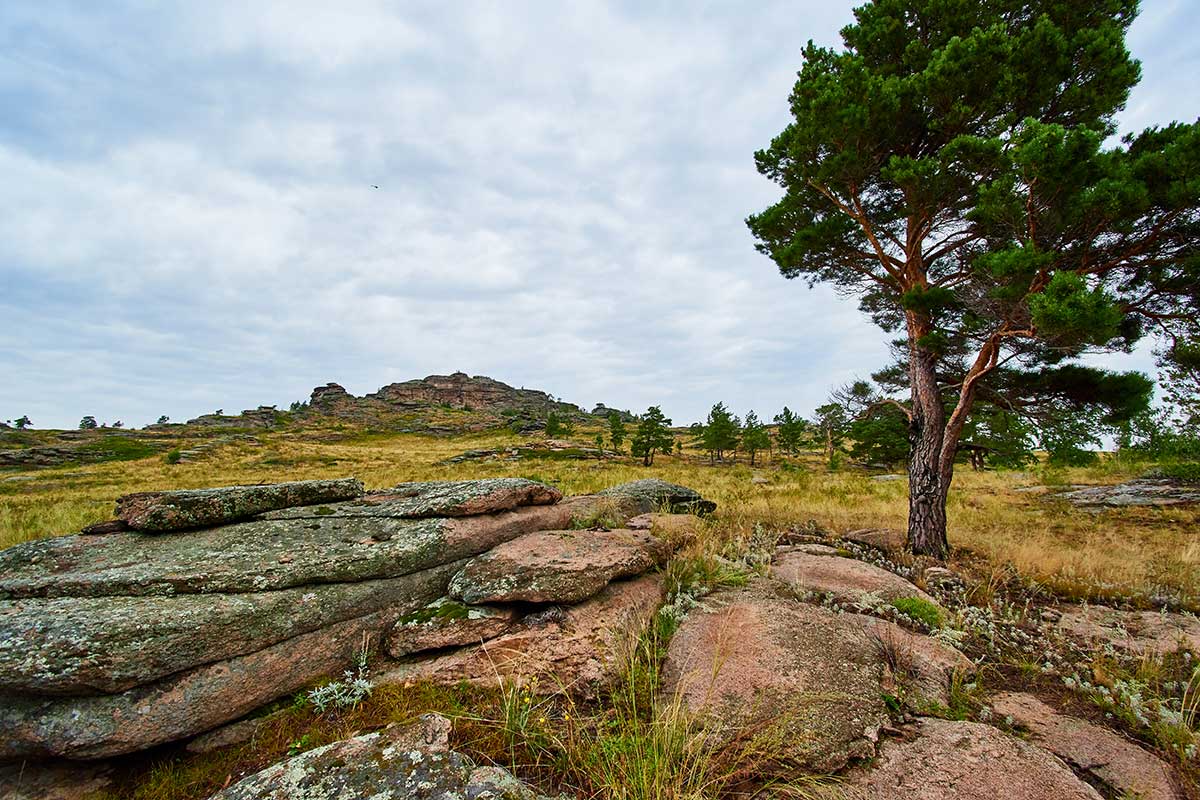
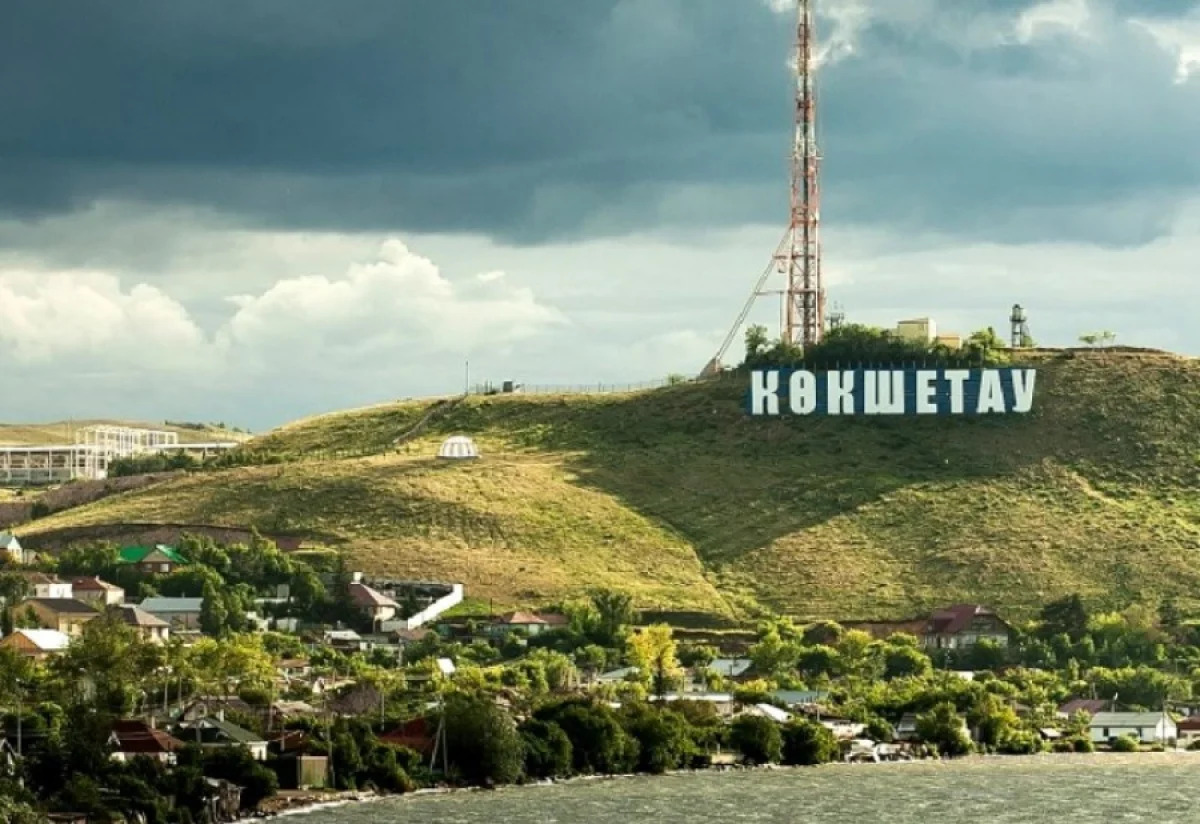
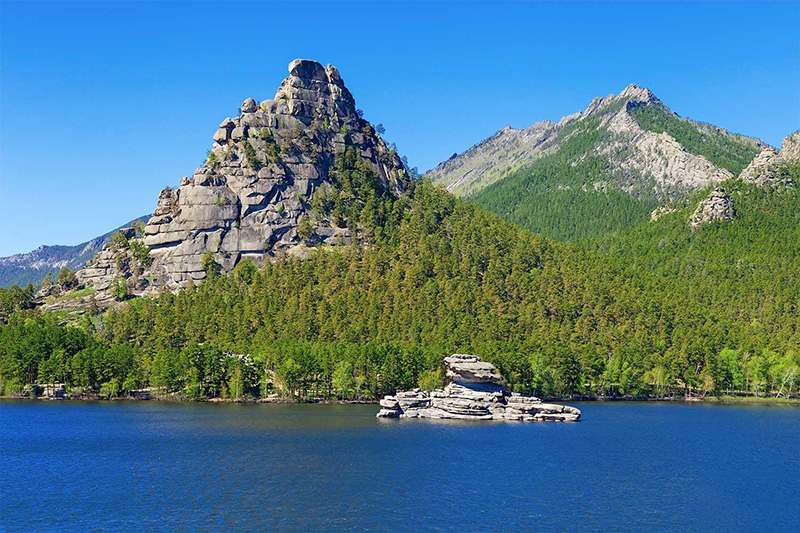
Akmola region

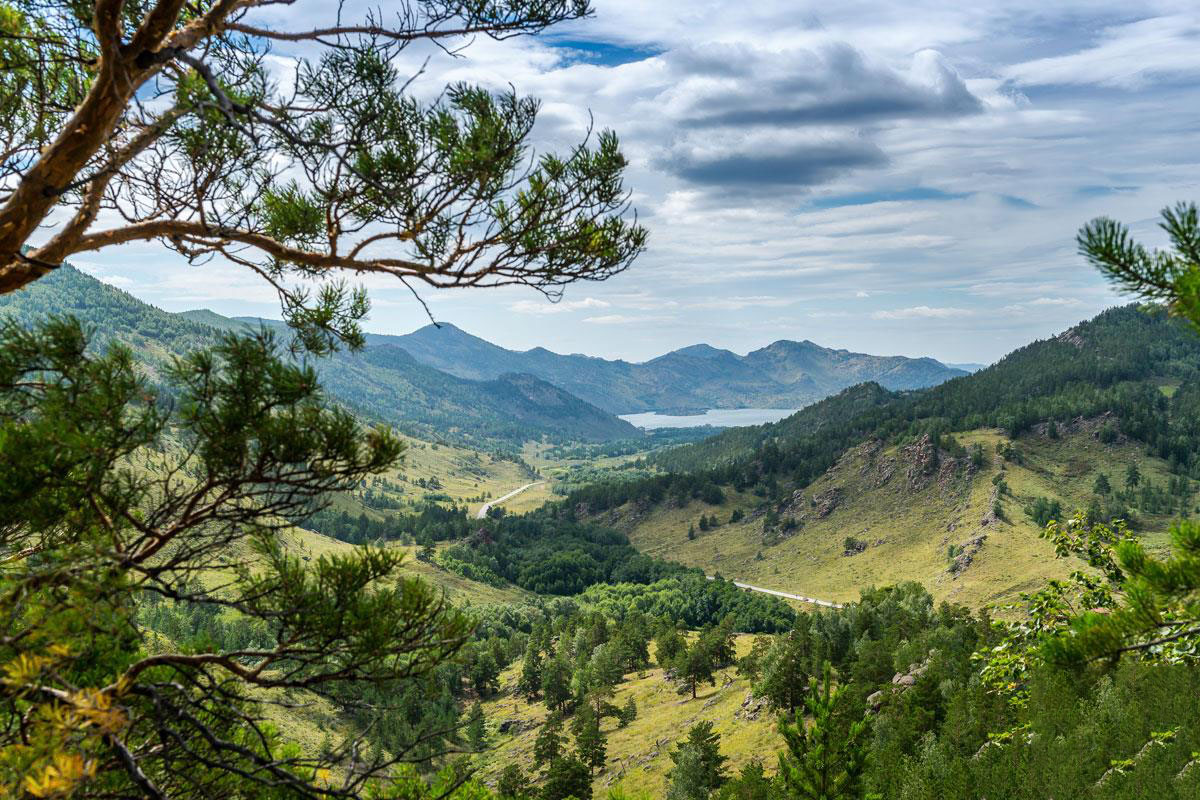
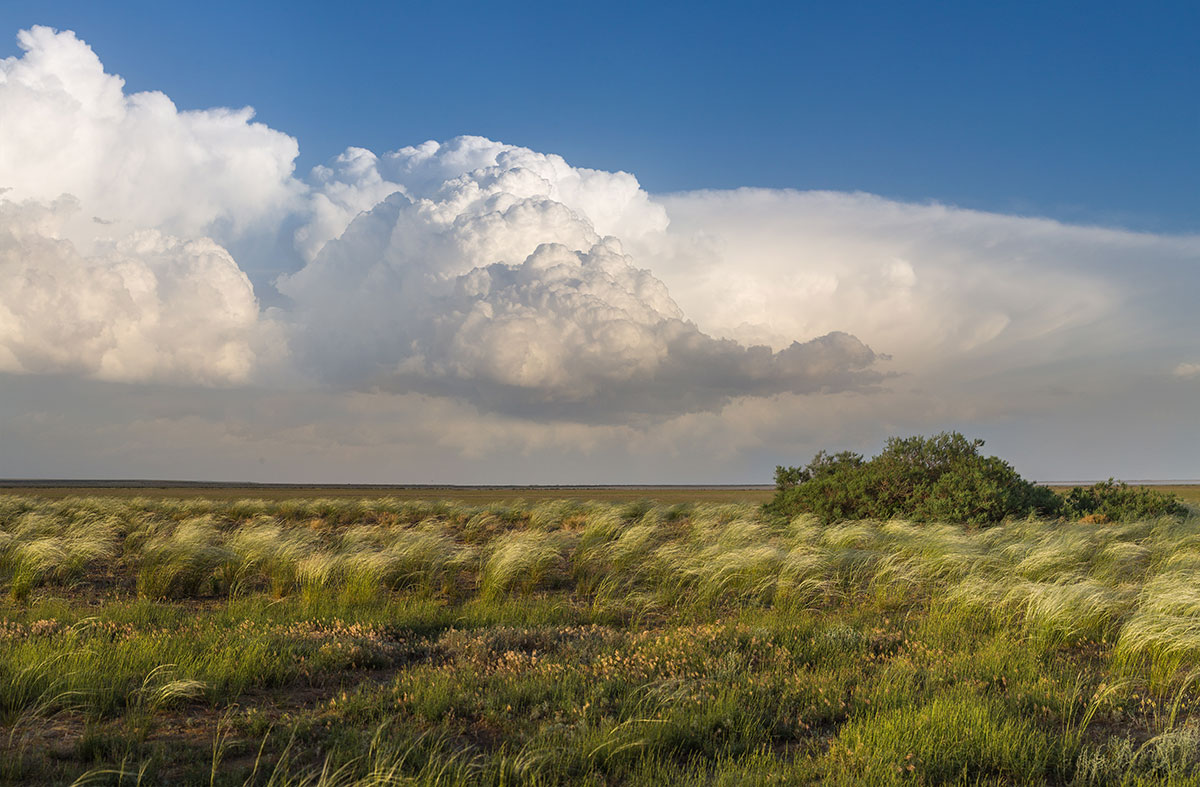
Akmola region is one of the largest and most developed regions of Kazakhstan and ranks ninth in size. It borders with Kostanai region in the West, North Kazakhstan region in the North, Pavlodar region in the East and Karagandy region in the South.
Read more →

Heritage

card

CUSTOMS AND TRADITIONS

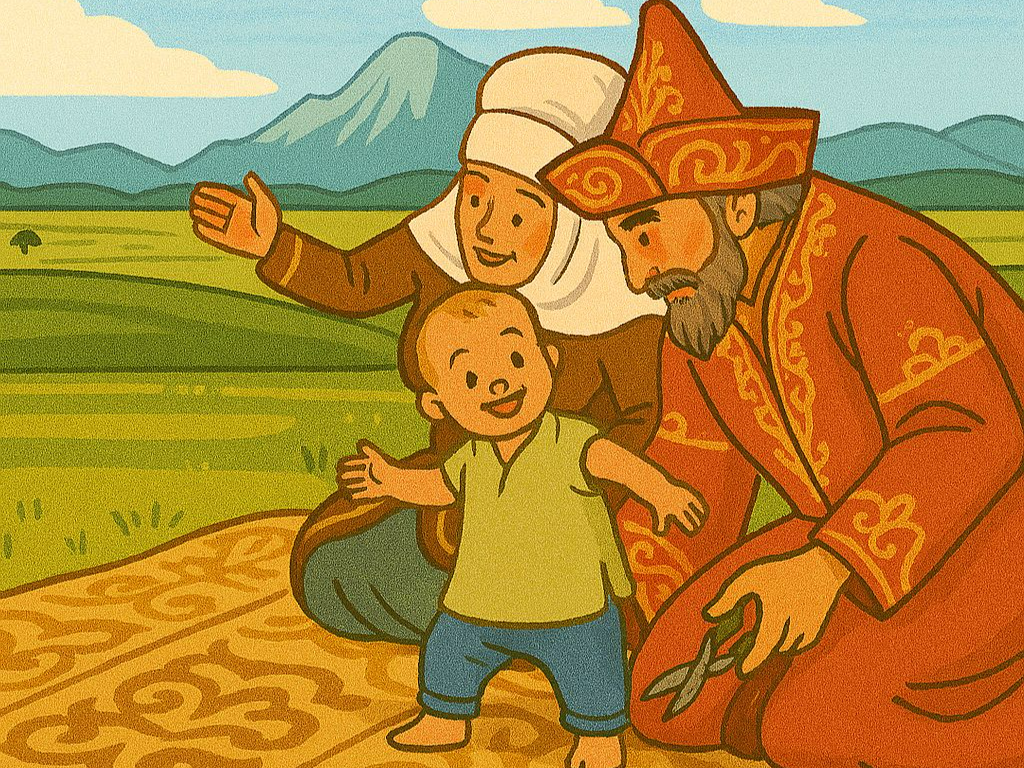
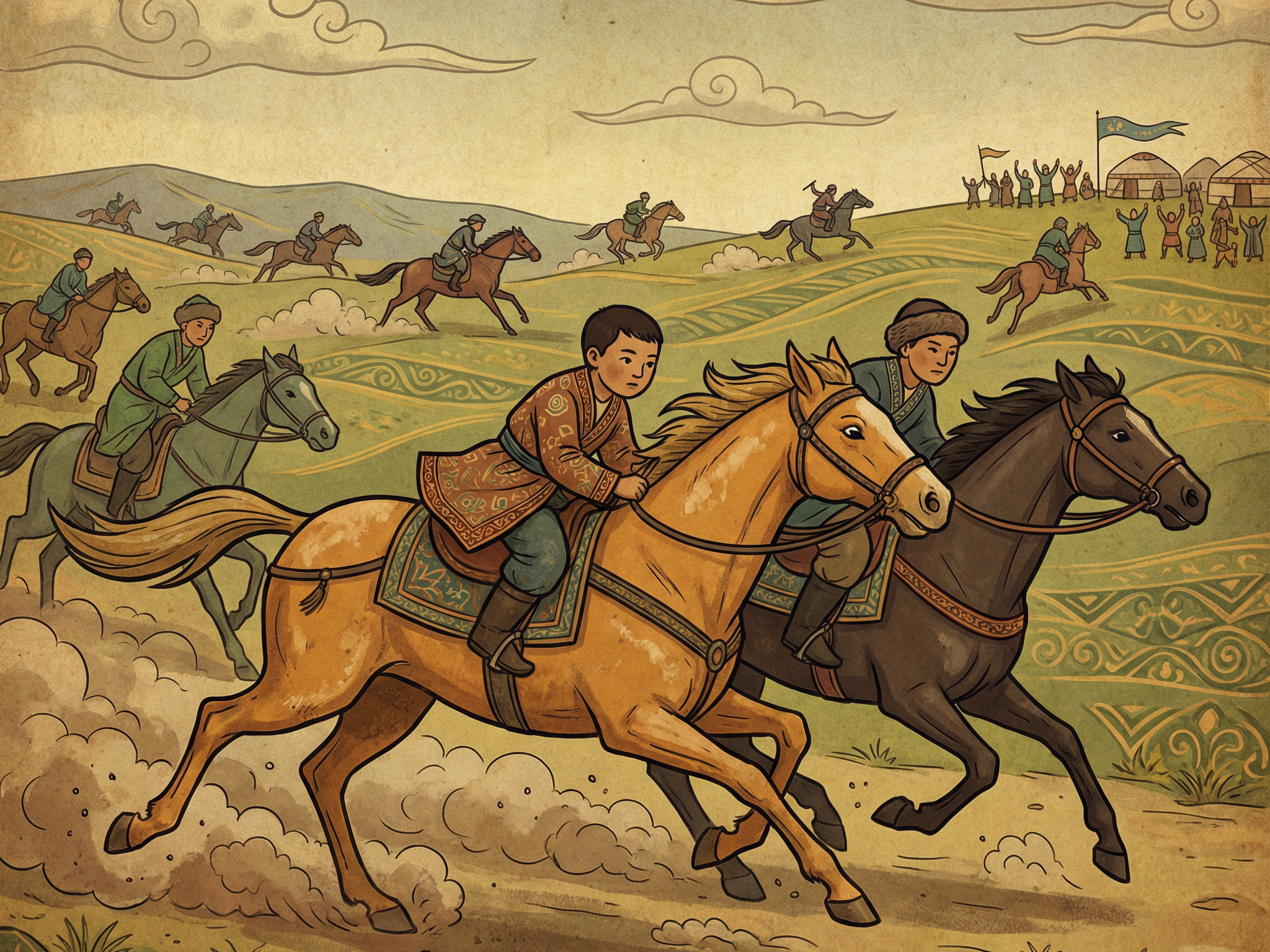
This section contains unique customs and traditions of the Kazakh people - rituals, holidays, folk crafts and family values passed down from generation to generation.

Read more →
card

CHILDREN'S LITERATURE

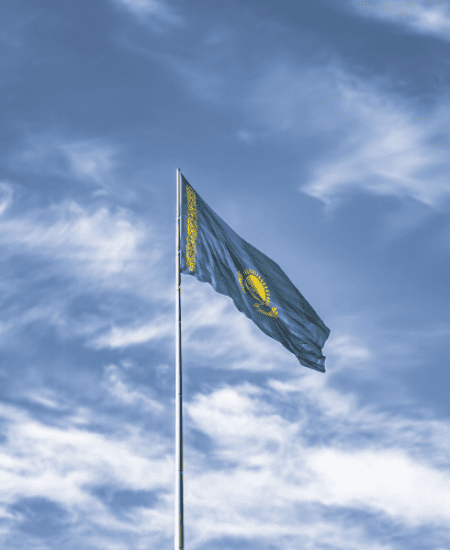
The world of Kazakh children's literature reveals a wealth of folk legends and heroic stories to young readers. It contains Kazakh myths, poems about batyrs, and other works that bring ancient legends, the courage of heroes, and the wisdom of ancestors to life. These texts help children experience the beauty of their native culture and connect with the people's spiritual heritage.

Read more →
card

ABOUT KAZAKHSTAN

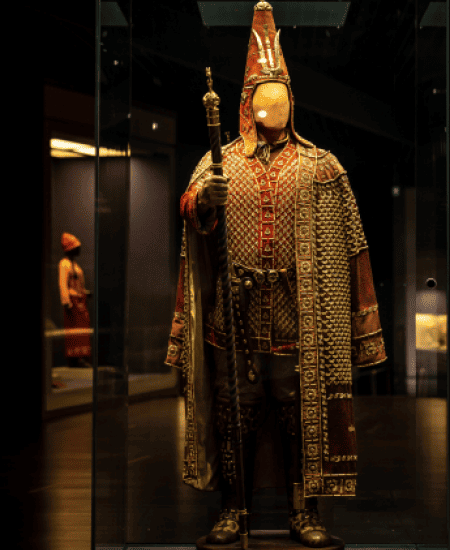
In this section, the users will find information about the development and prospects of Kazakhstan

Read more →
card

HISTORY

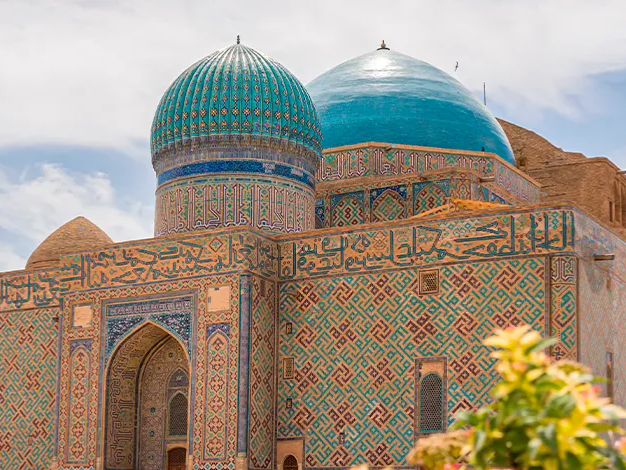
In this section, there is an opportunity to immerse yourself in the rich cultural heritage of Kazakhstan

Read more →
card

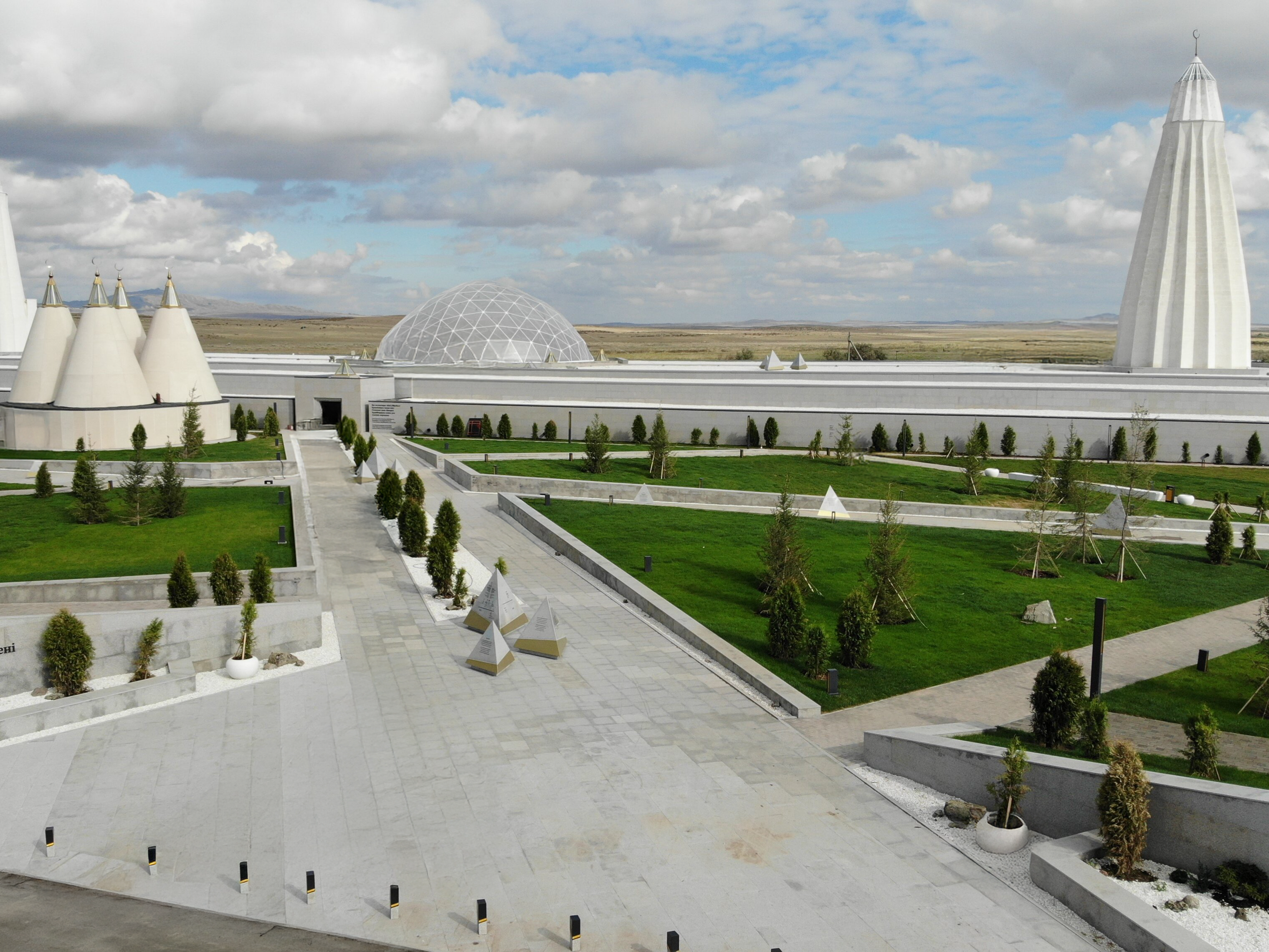
UNESCO HERITAGE

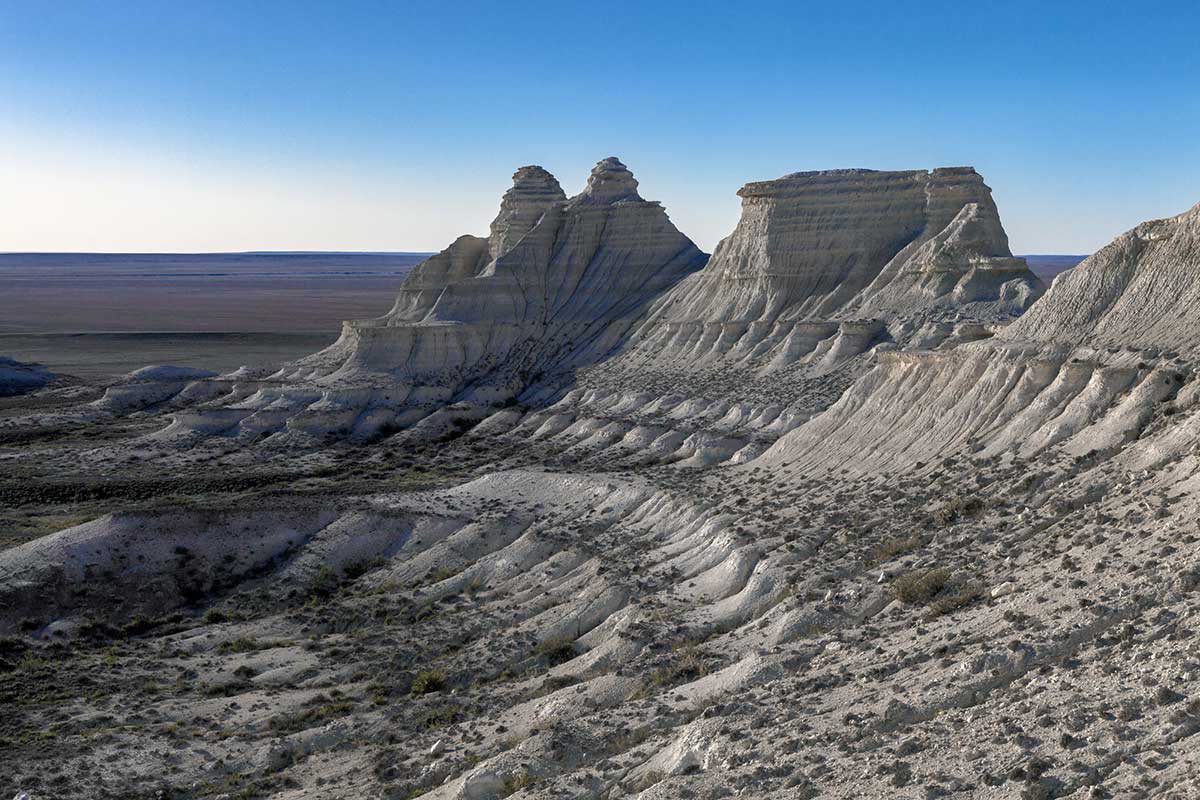
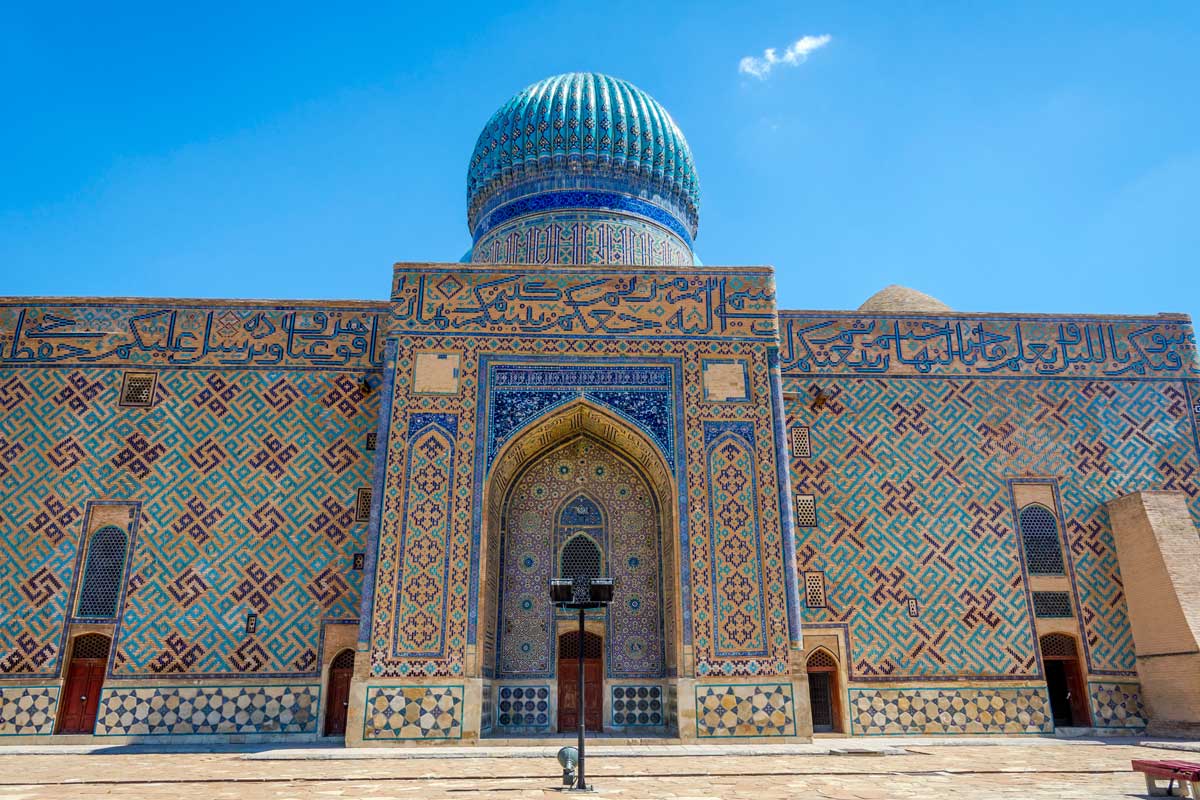
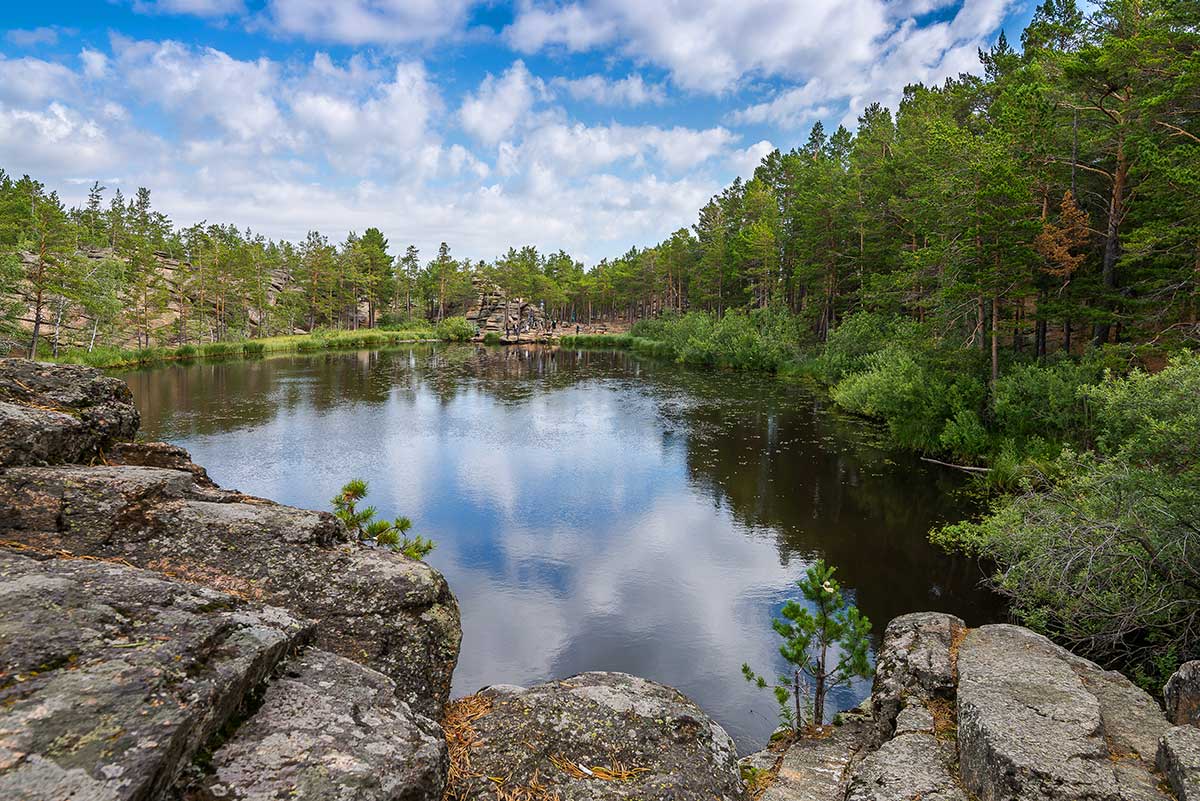
The UNESCO World Heritage List includes both natural and cultural monuments of Kazakhstan. These include the Mausoleum of Khoja Ahmed Yasawi, the petroglyphs of Tamgaly, Saryarka - Steppes and Lakes of Northern Kazakhstan, the Turan Deserts, the Western Tien Shan, as well as a complex of sites of the Great Silk Road in the Chang'an-Tianshan Corridor.

Read more →
card

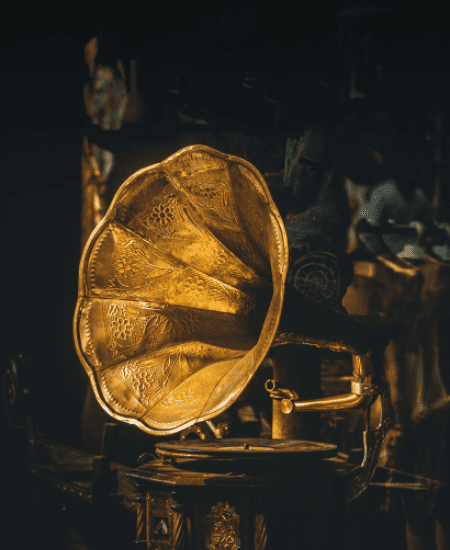
MUSEUMS AND RESERVES

Museums and reserves are important institutions that preserve cultural, historical and natural heritage. Museums collect and display works of art and historical artefacts, while reserves protect natural resources and ecosystems, ensuring their safety for future generations.

Read more →
card

GOLDEN FUND

In this section, the users can get acquainted with the Kazakh talents who have gained worldwide fame

Read more →

card

CINEMA

Pearls of national cinema: retrospectives and long-awaited premieres

Read more →
card

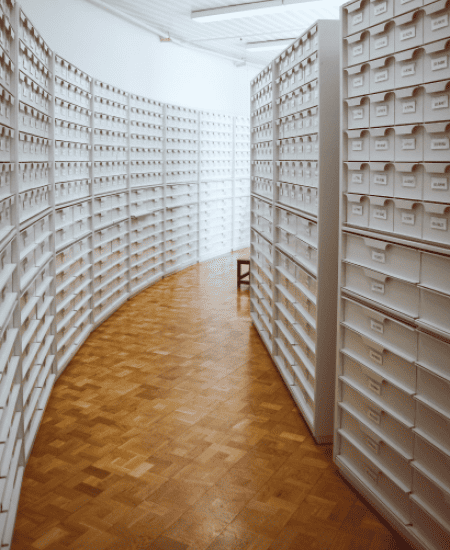
ARCHIVES

This section provides access to a rich historical collection of documents and archival materials of Kazakhstan

Read more →

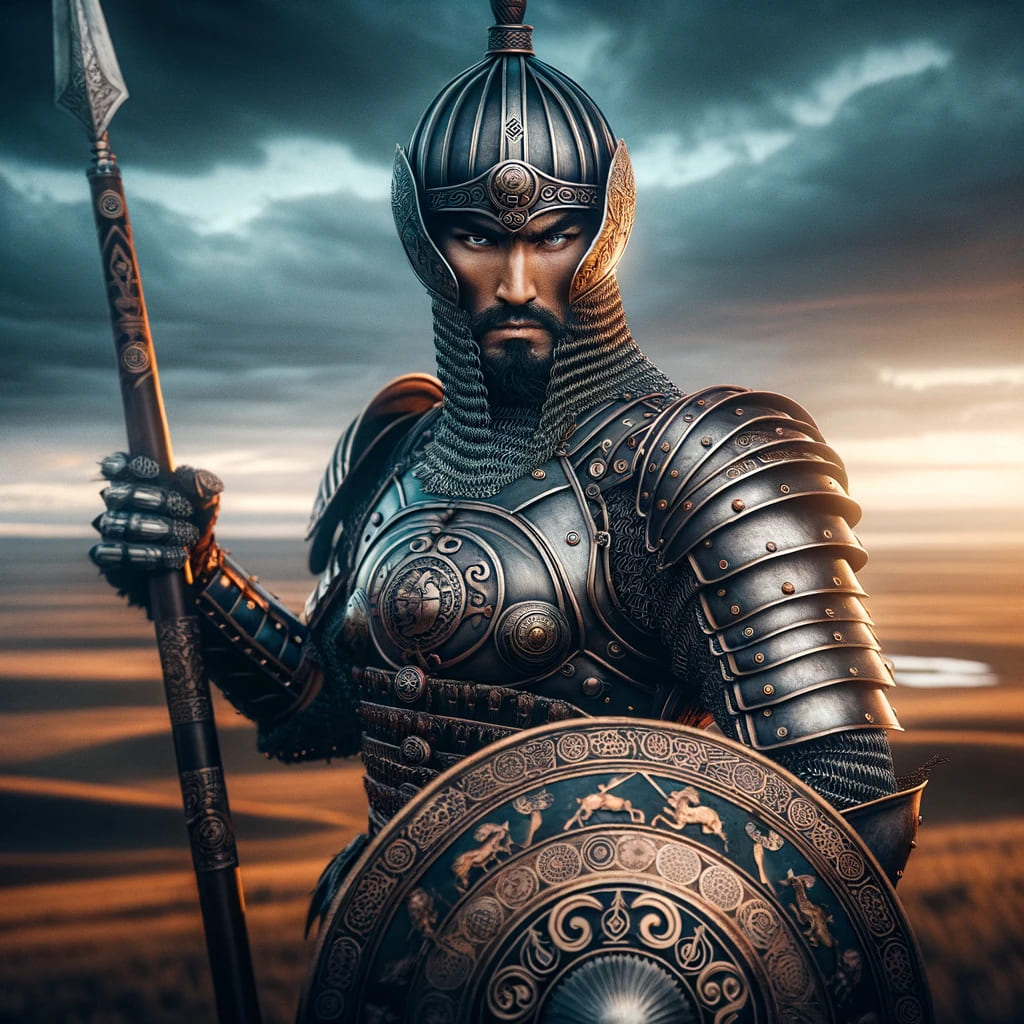
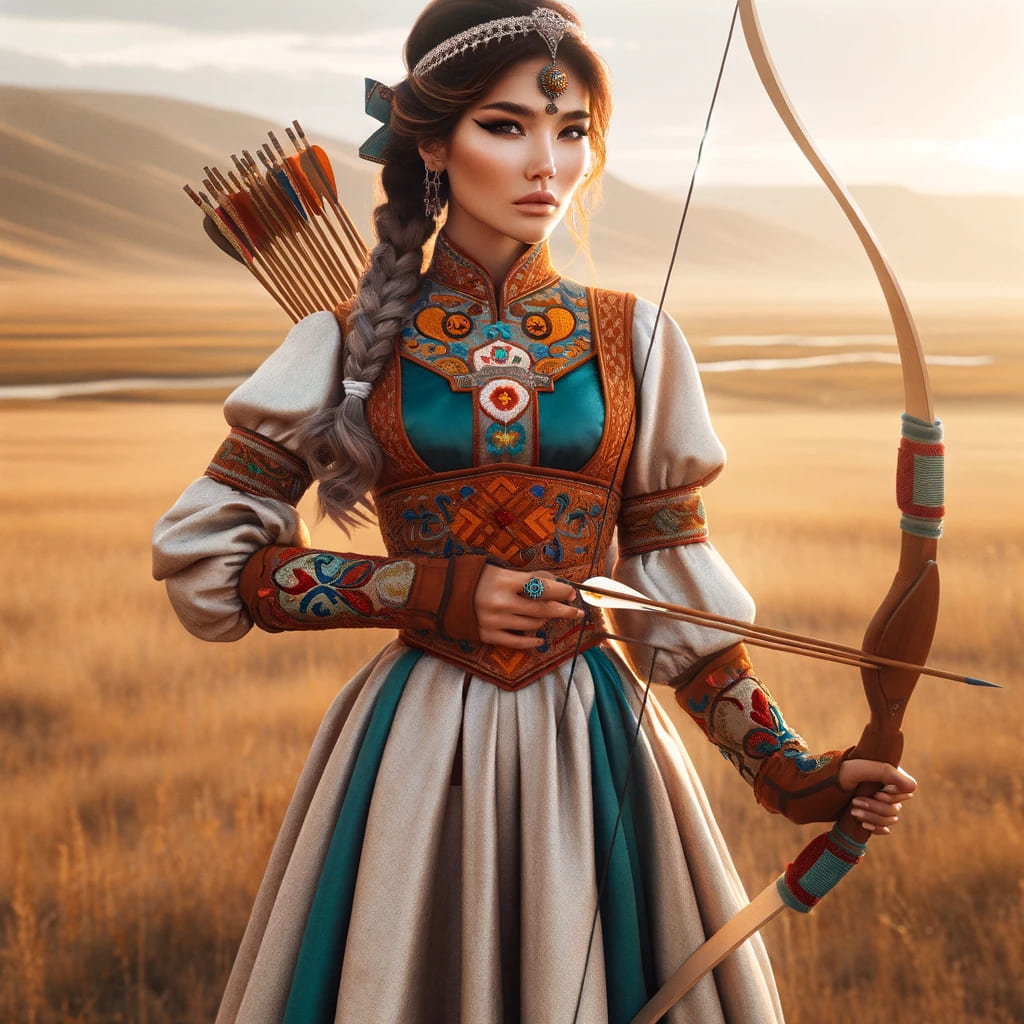
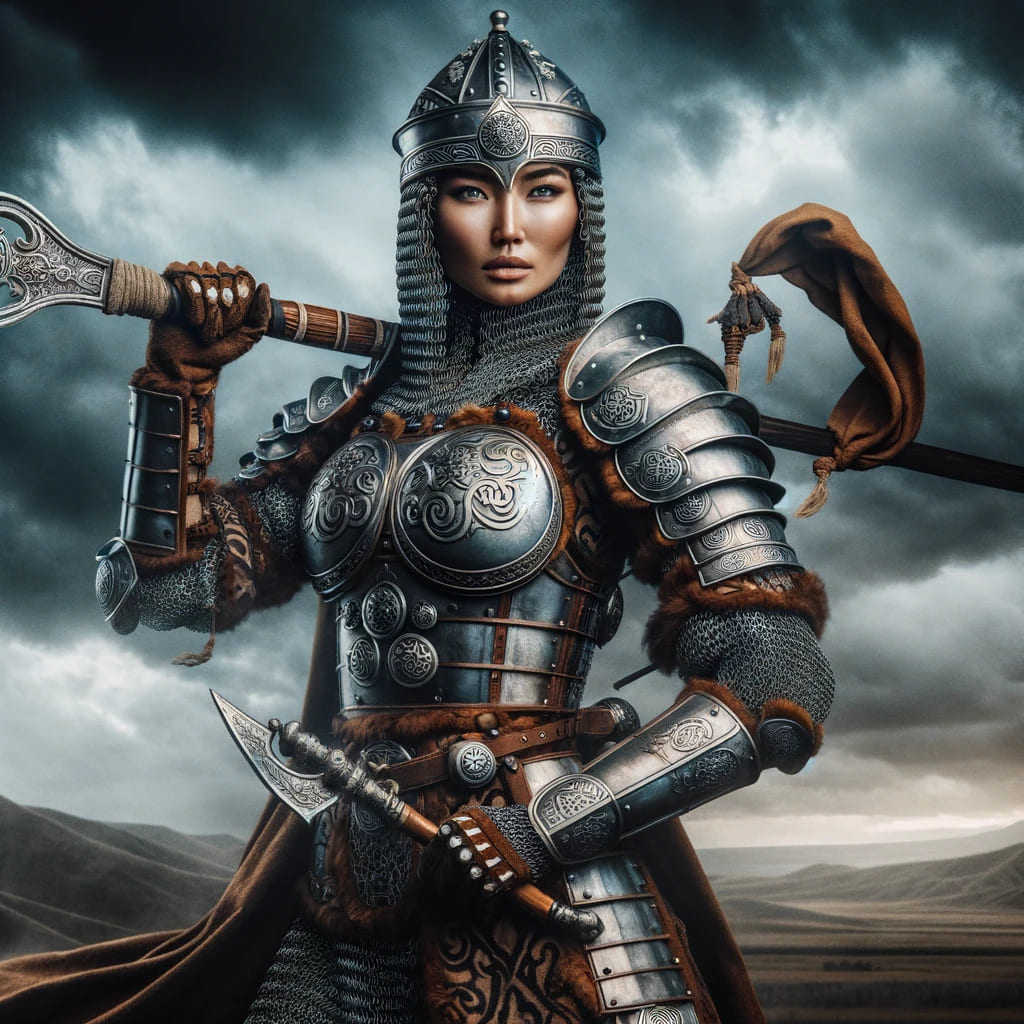
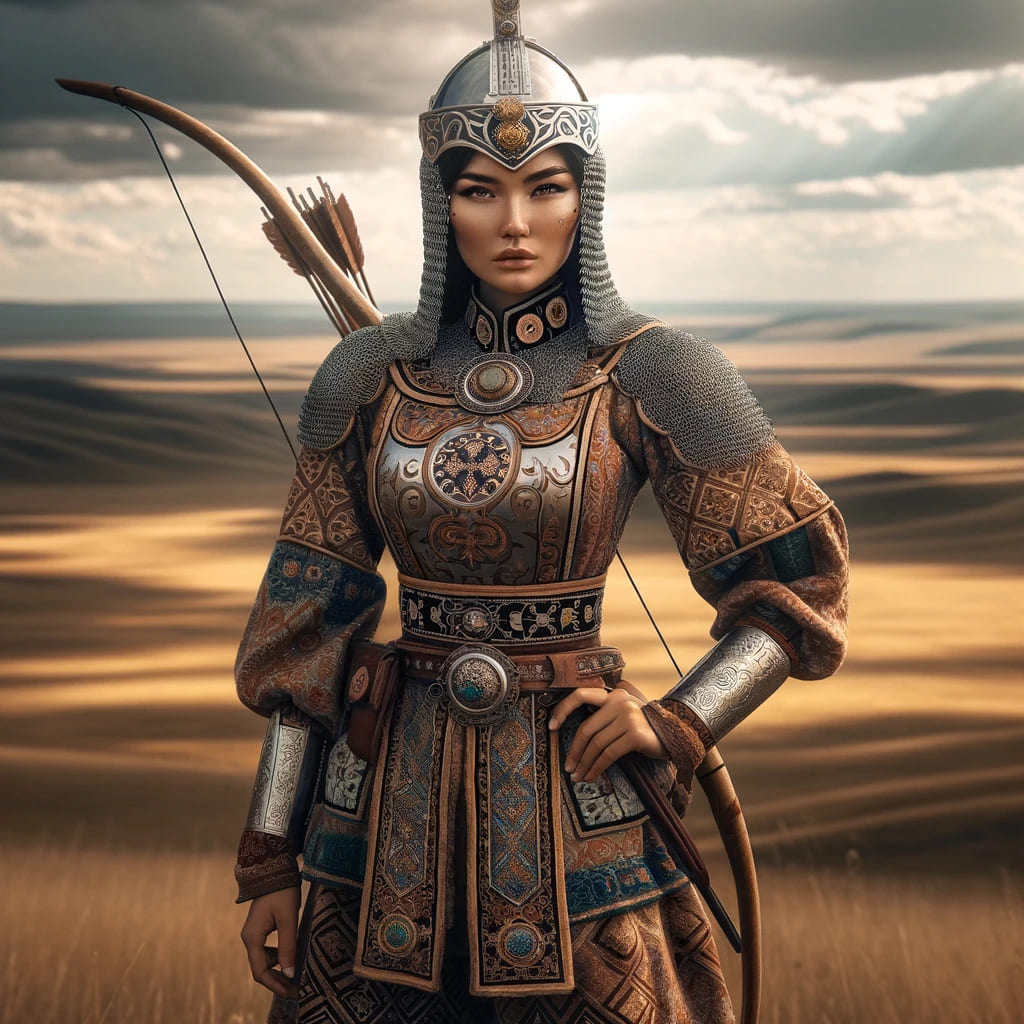
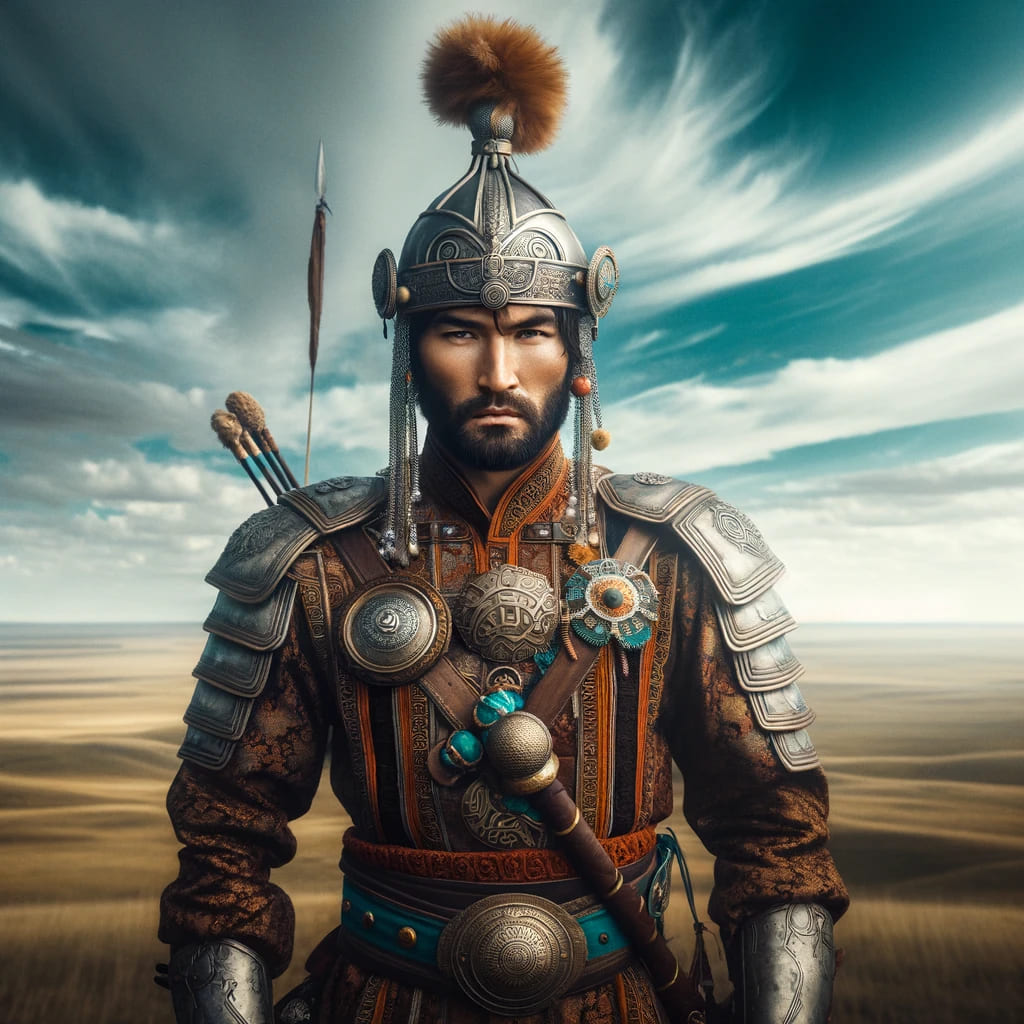
Become a batyr

Upload your photo and try on the look of a Kazakh batyr or a Turkic amazon with the help of artificial intelligence
card
card
card
card
card