Open main menu
QAZAQ CULTURE
en
Home
Archives
Archival photos and videos from the Central State Archive of the Republic of Kazakhstan
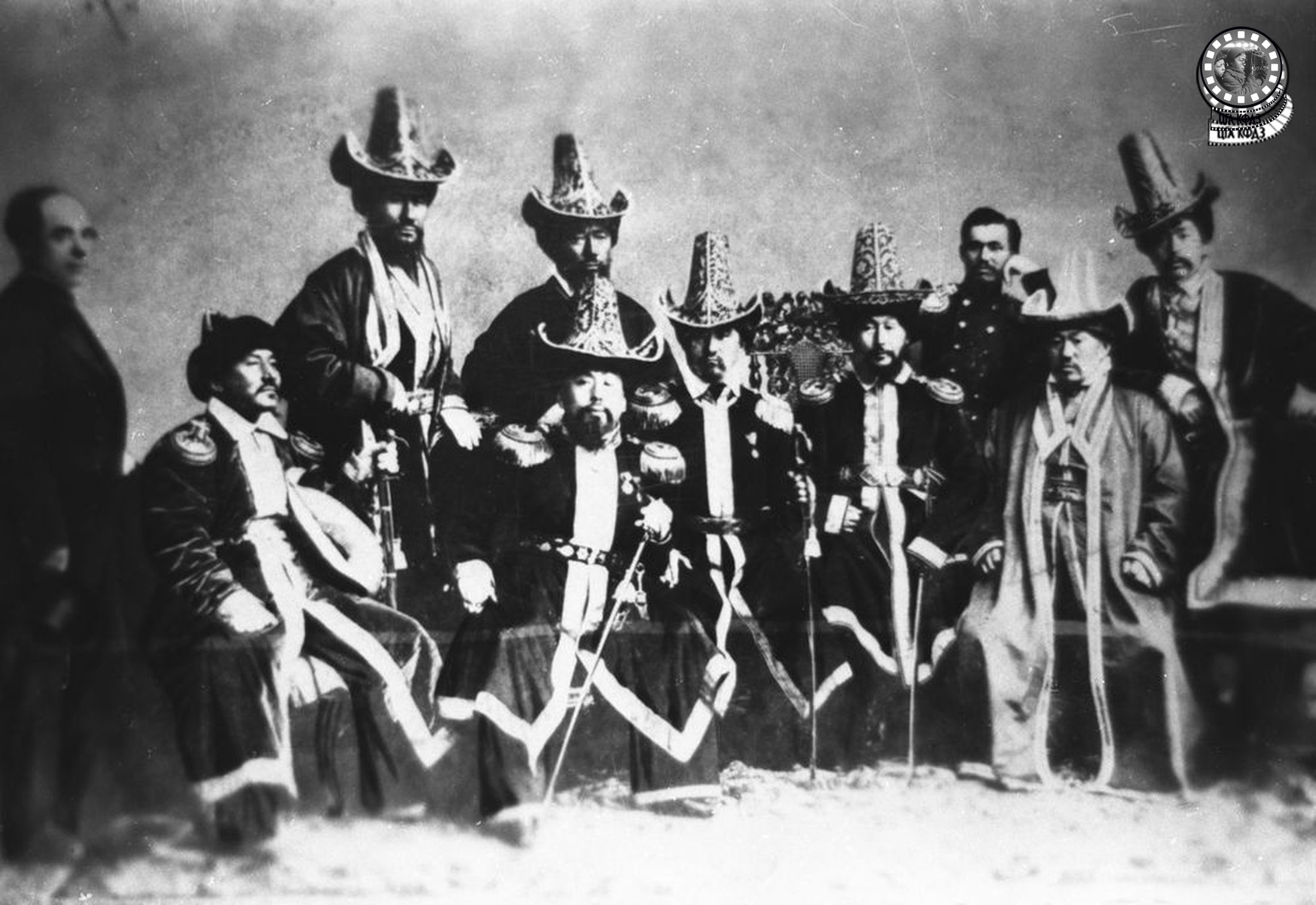
A delegation of Kazakh sultans in St. Petersburg, headed by M. Baimukhamedov (1st row, second from left). St. Petersburg, 1860.
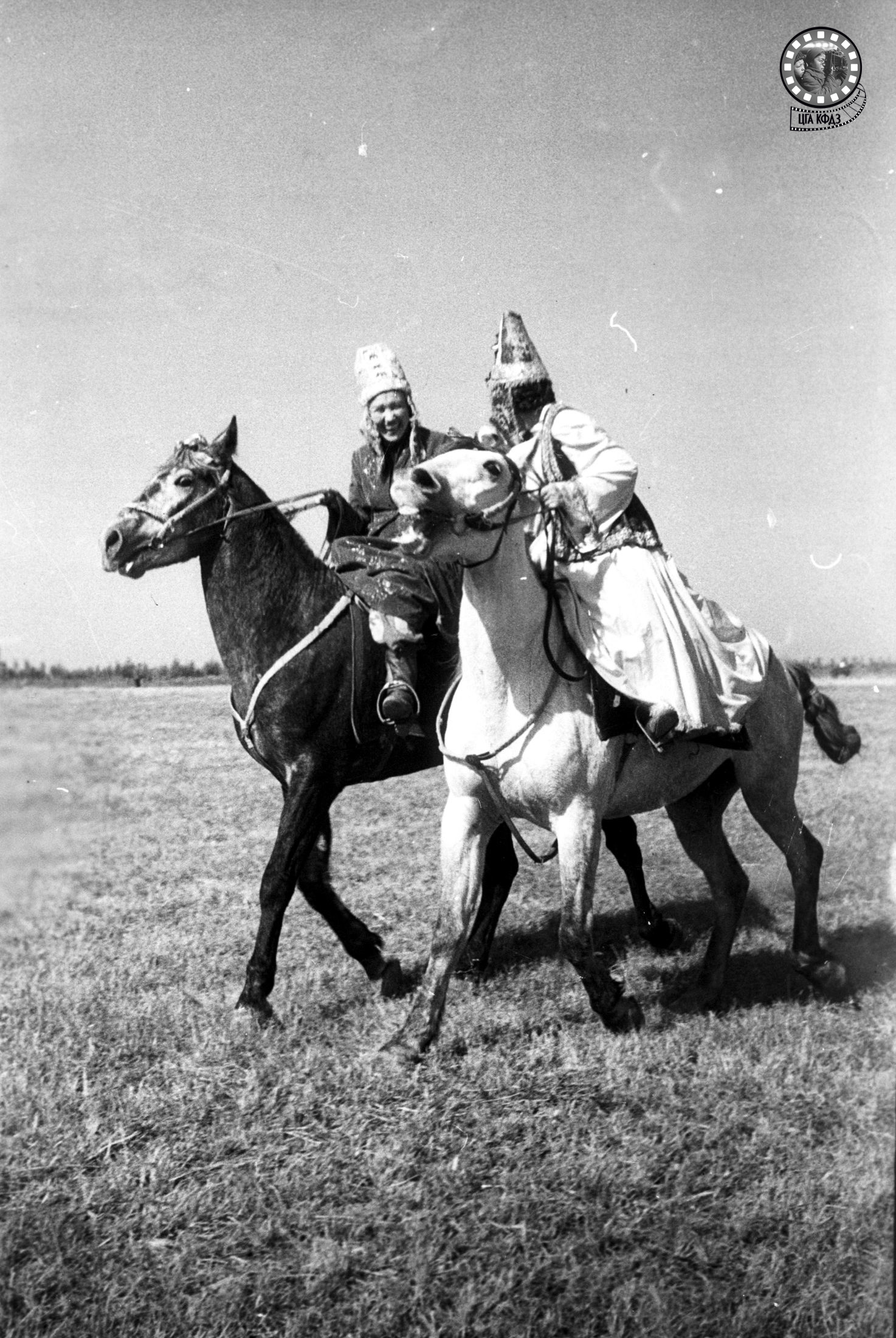
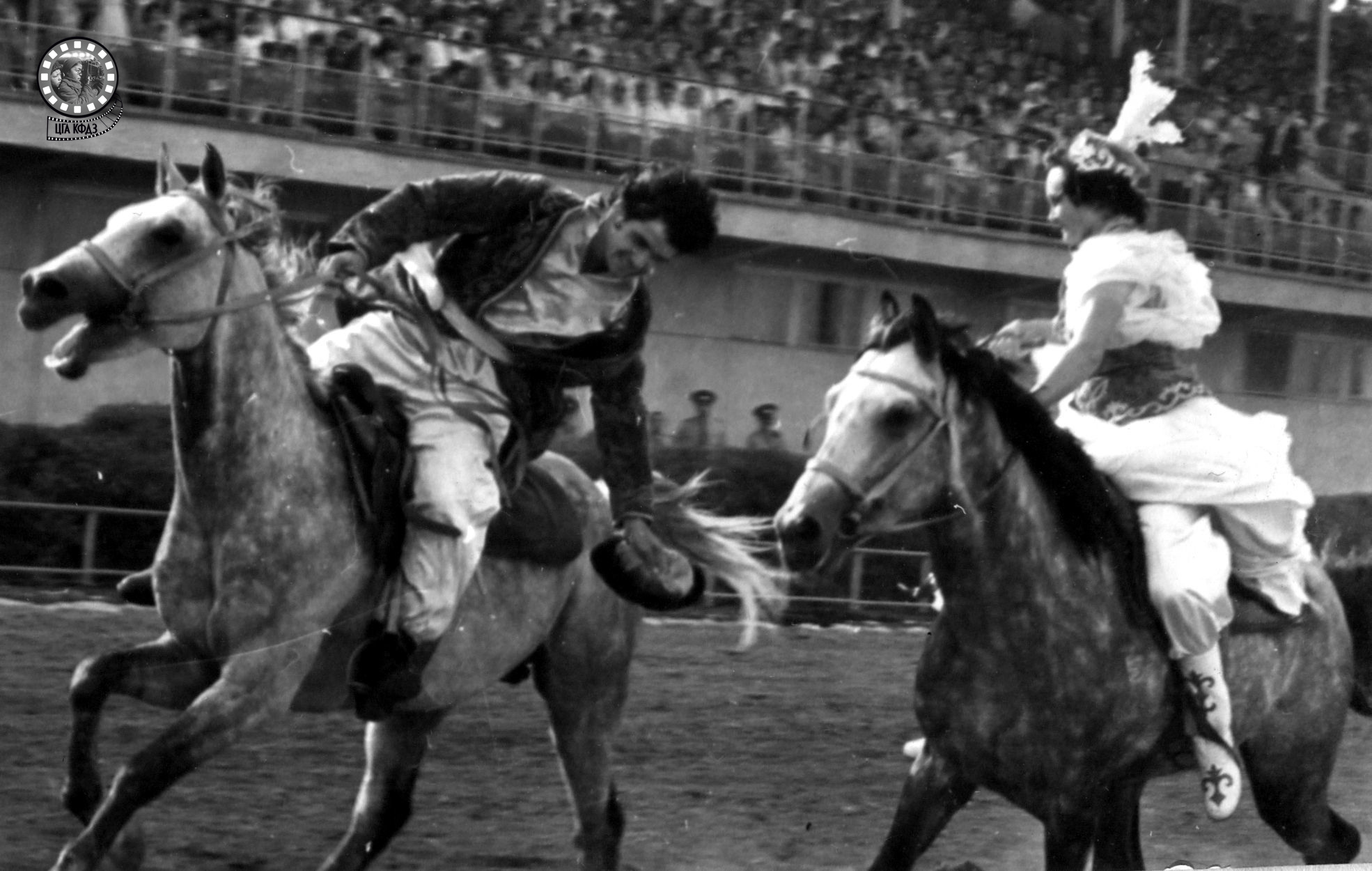
Spartakiad of the republics of Central Asia and Kazakhstan. Participants of the national sport "Zhorga Zharys" (from left to right) A. Amreeva and D. Fayzullina at a distance. Alma-Ata, 1950
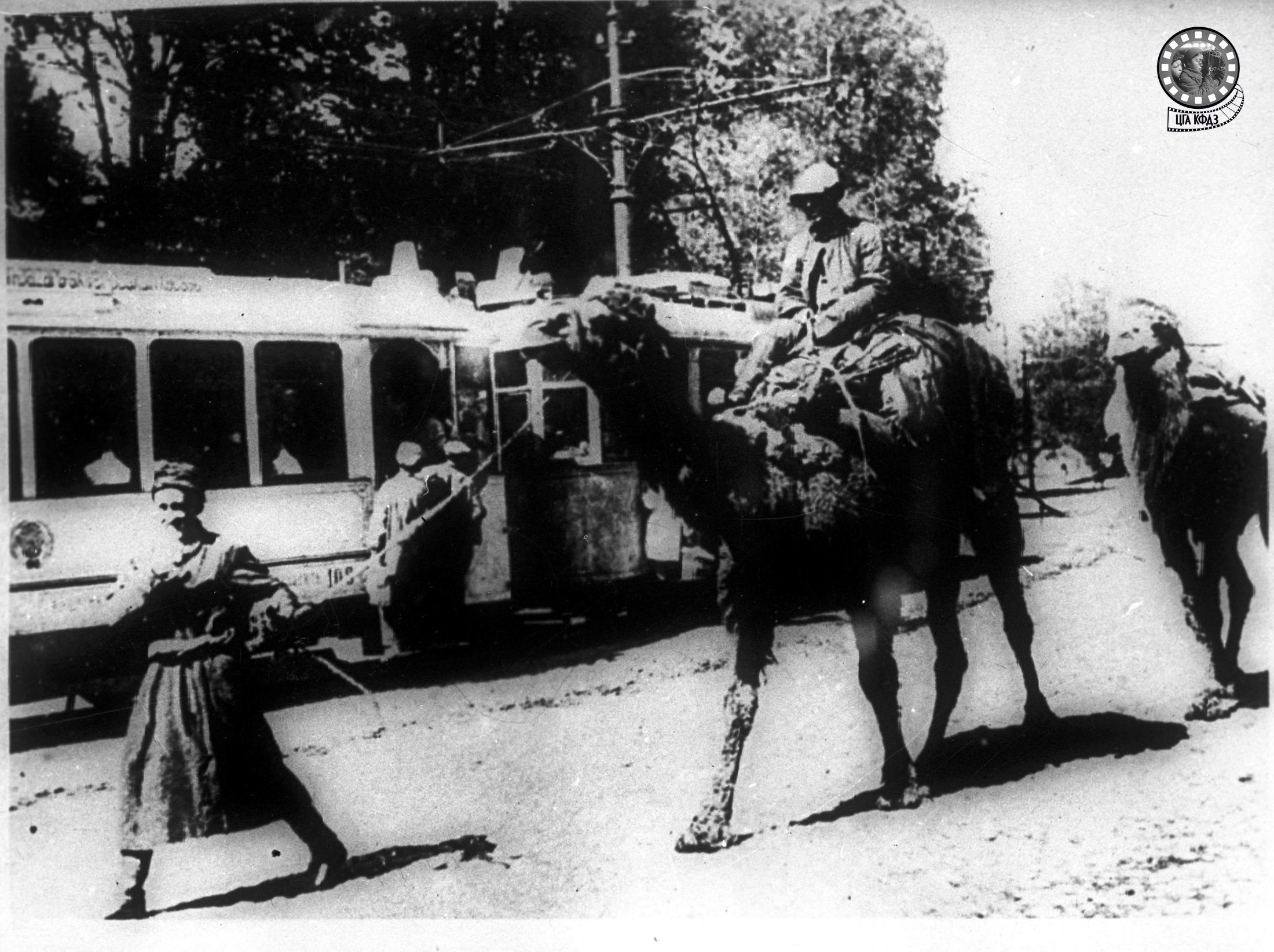
Tram on the street of Almaty.
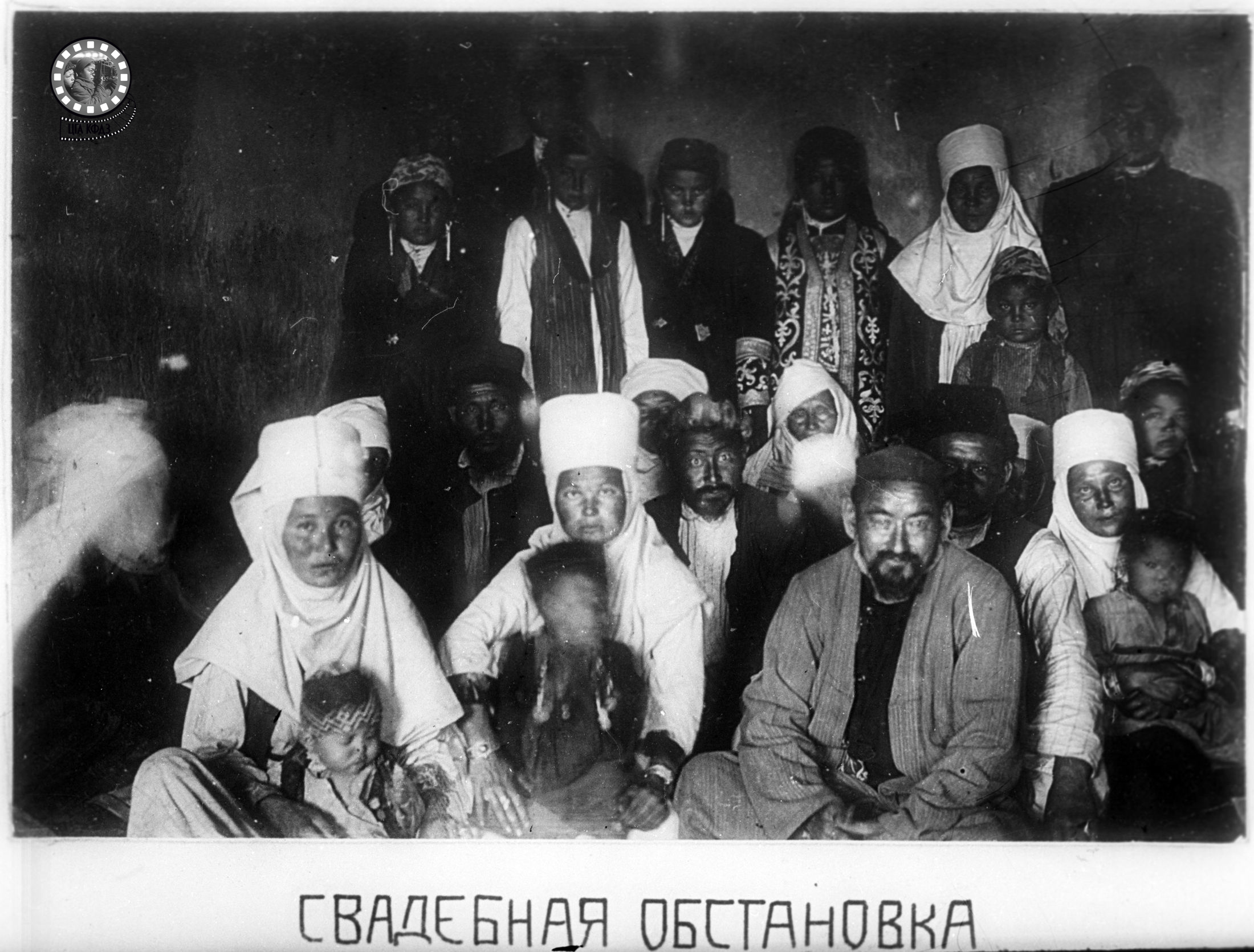
Wedding decor in a Kazakh family. Aktobe region, 1926-1927.
Participants of the 1st Congress of Writers of Kazakhstan (from left to right, 1st row): 1st Mazhit Dauletbaev, 3rd Kazhym Zhumaliev; (2nd row): Sabit Mukanov, Saken Seifullin, Ilyas Zhansugurov, Beimbet Mailin; (3rd row): Abdilda Tazhibaev (center). Alma-Ata, 1934
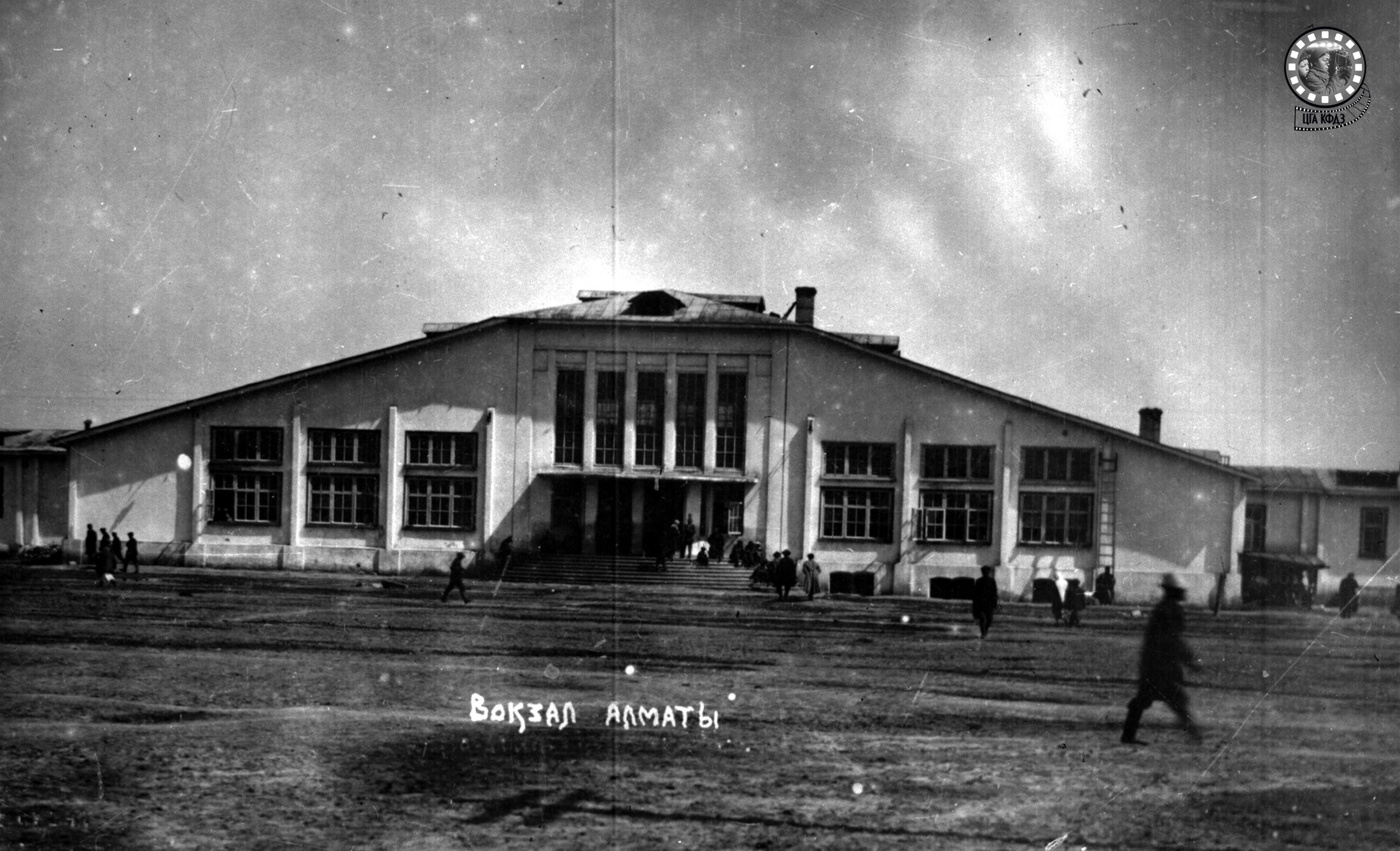
Building of the Alma-Ata railway station - I. Alma-Ata, 1930.
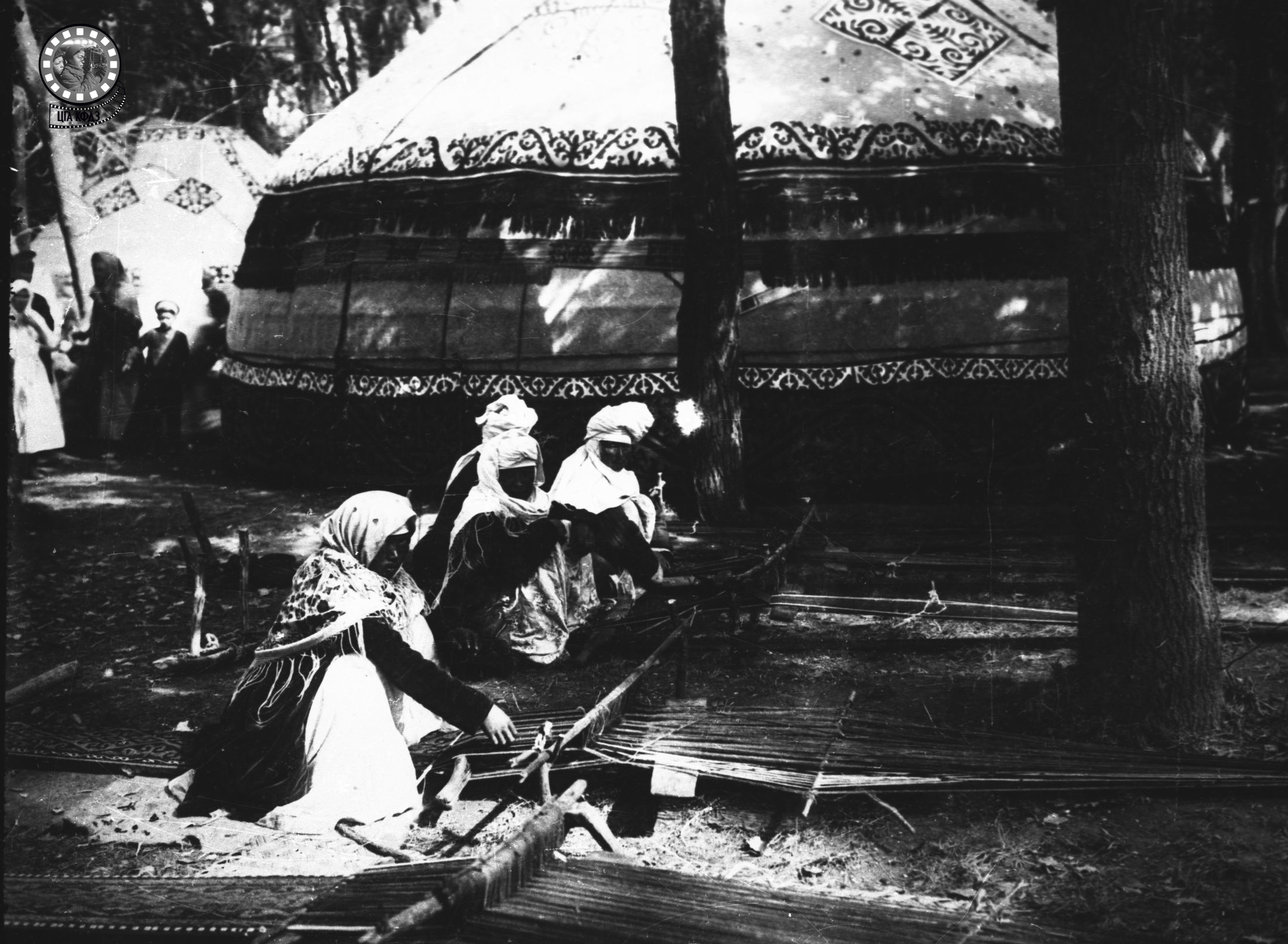
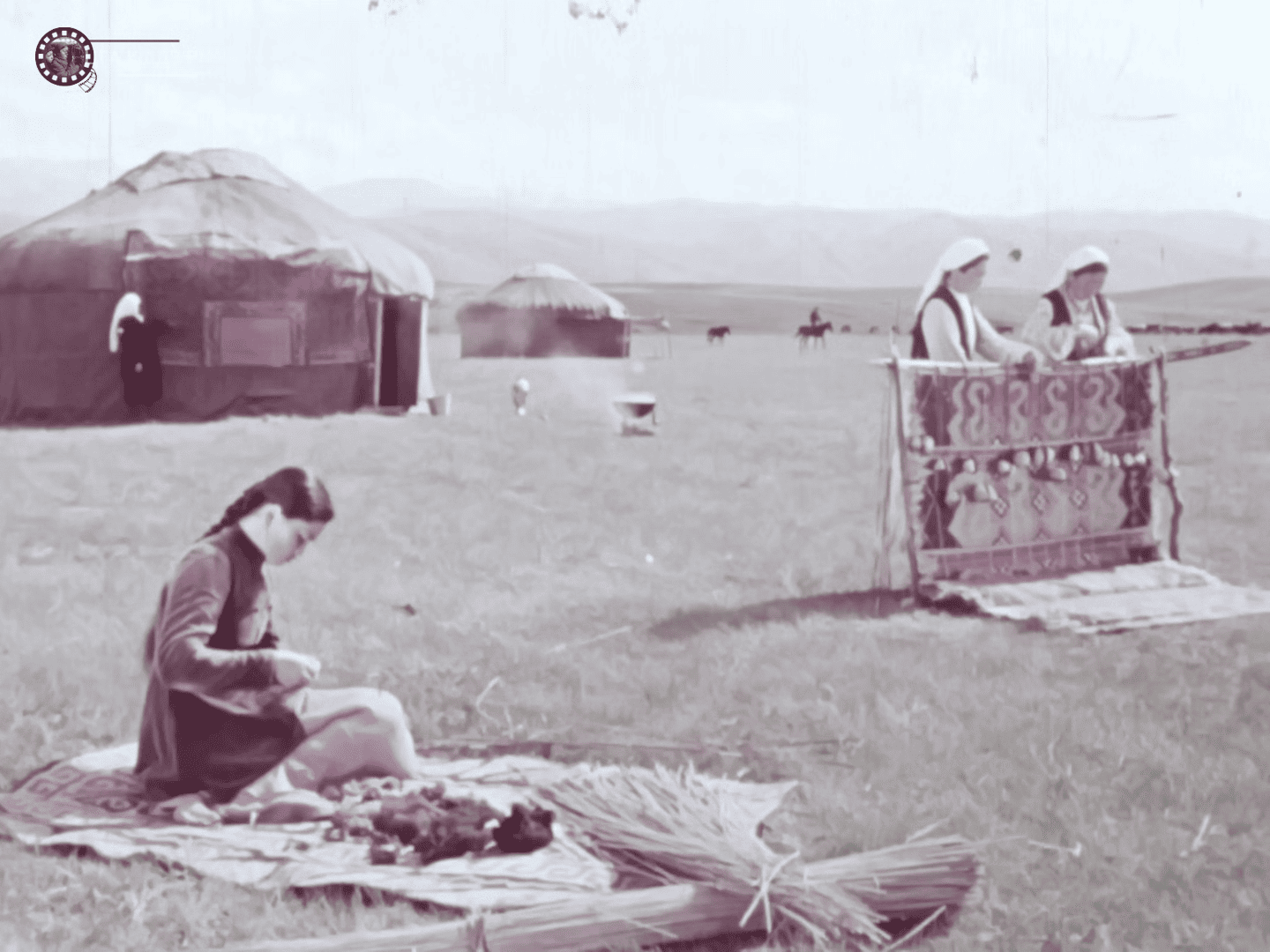
Kyrgyz (Kazakh) women weave carpets.
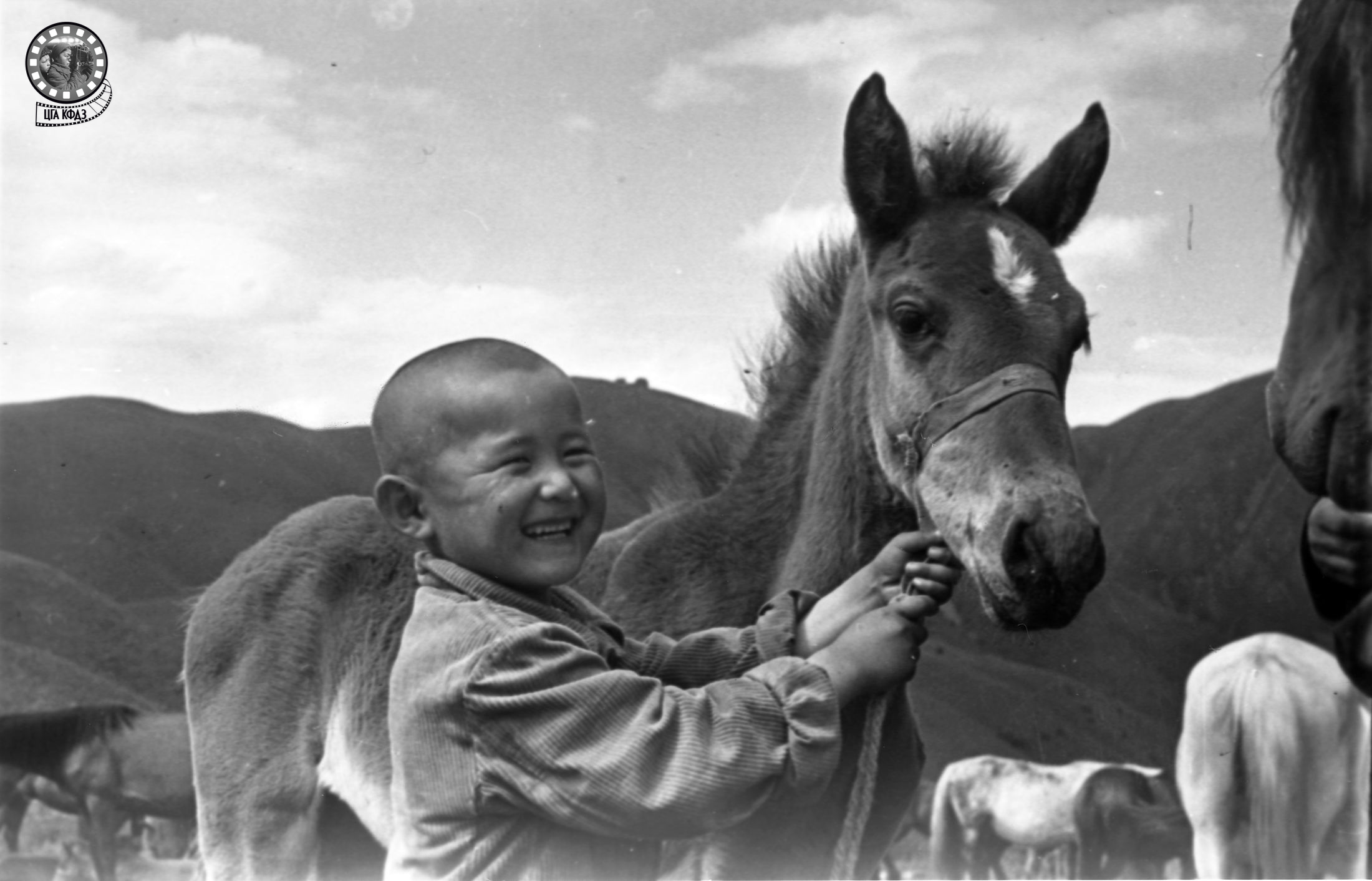
Favorite racehorse. (Photo study). Akmola region, 1959.
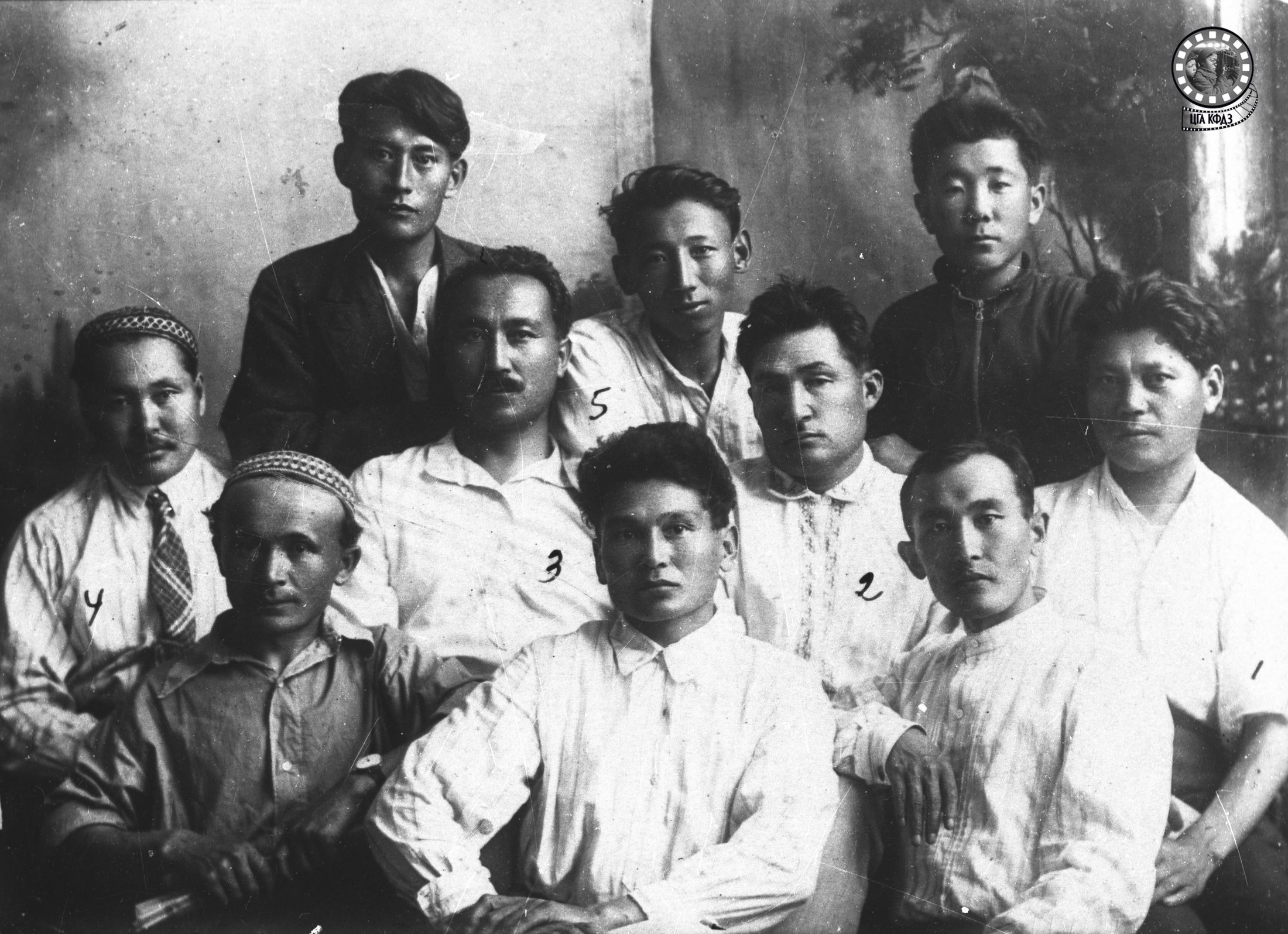
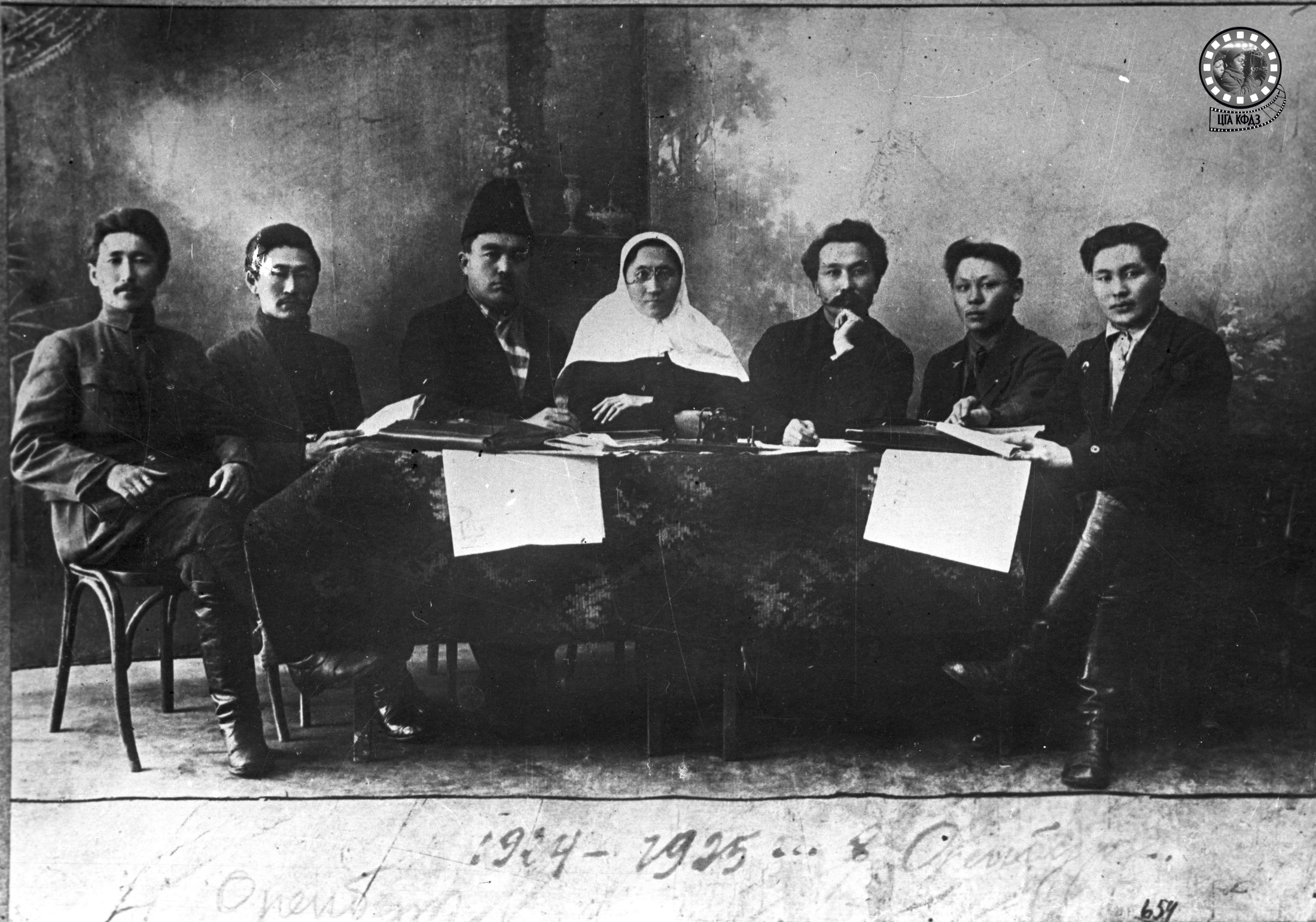
Members of the editorial board of the newspaper "Enbekshі qazaq" (from left to right): Seyfullin S. - writer, statesman, chairman of the Council of People's Commissars of the Kazakh ASSR (5th); writer Mukanov S. (7th). Orenburg, 1924-1925.
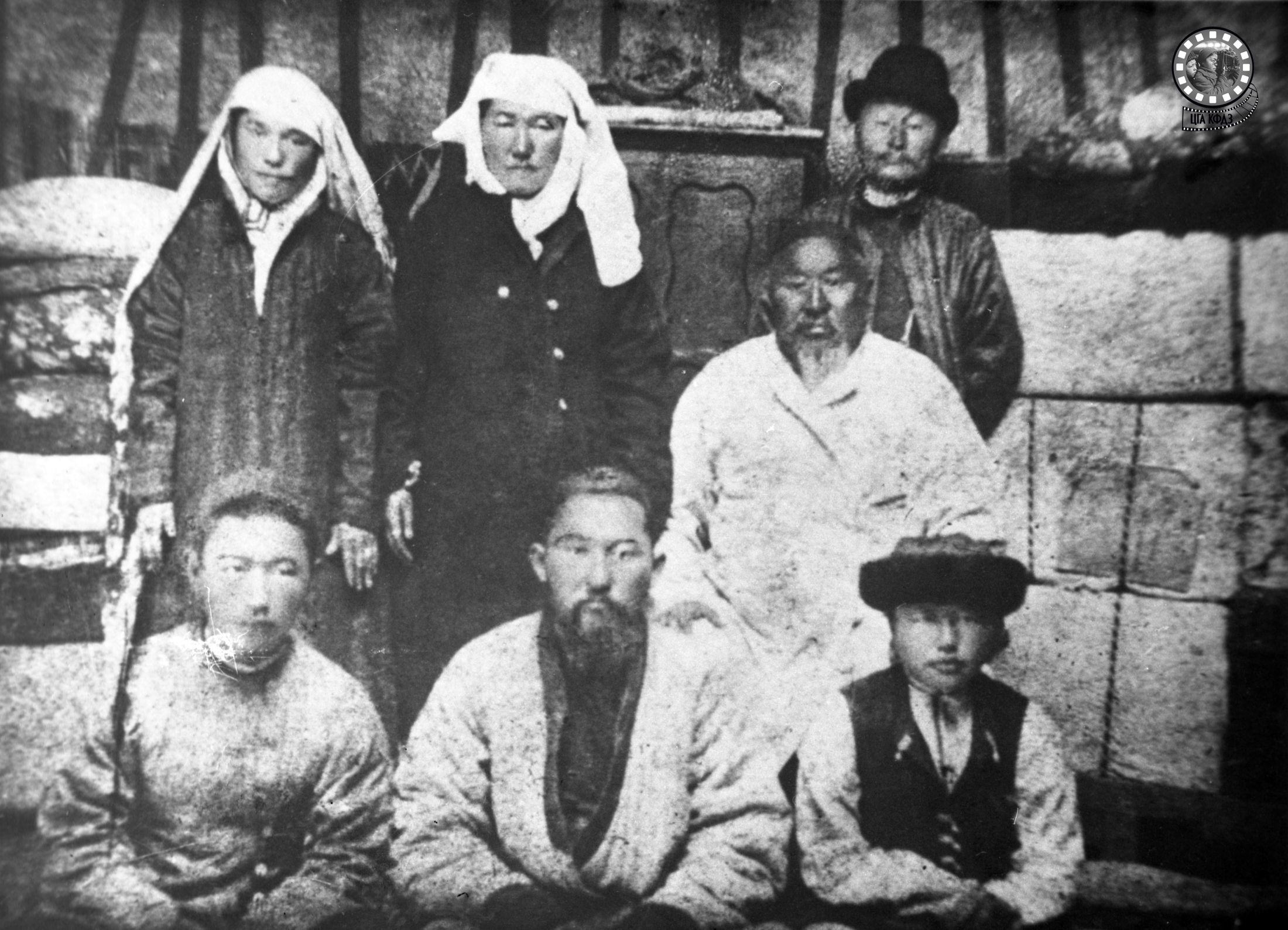
Abay Kunanbaev (left, 2nd row) with his family.
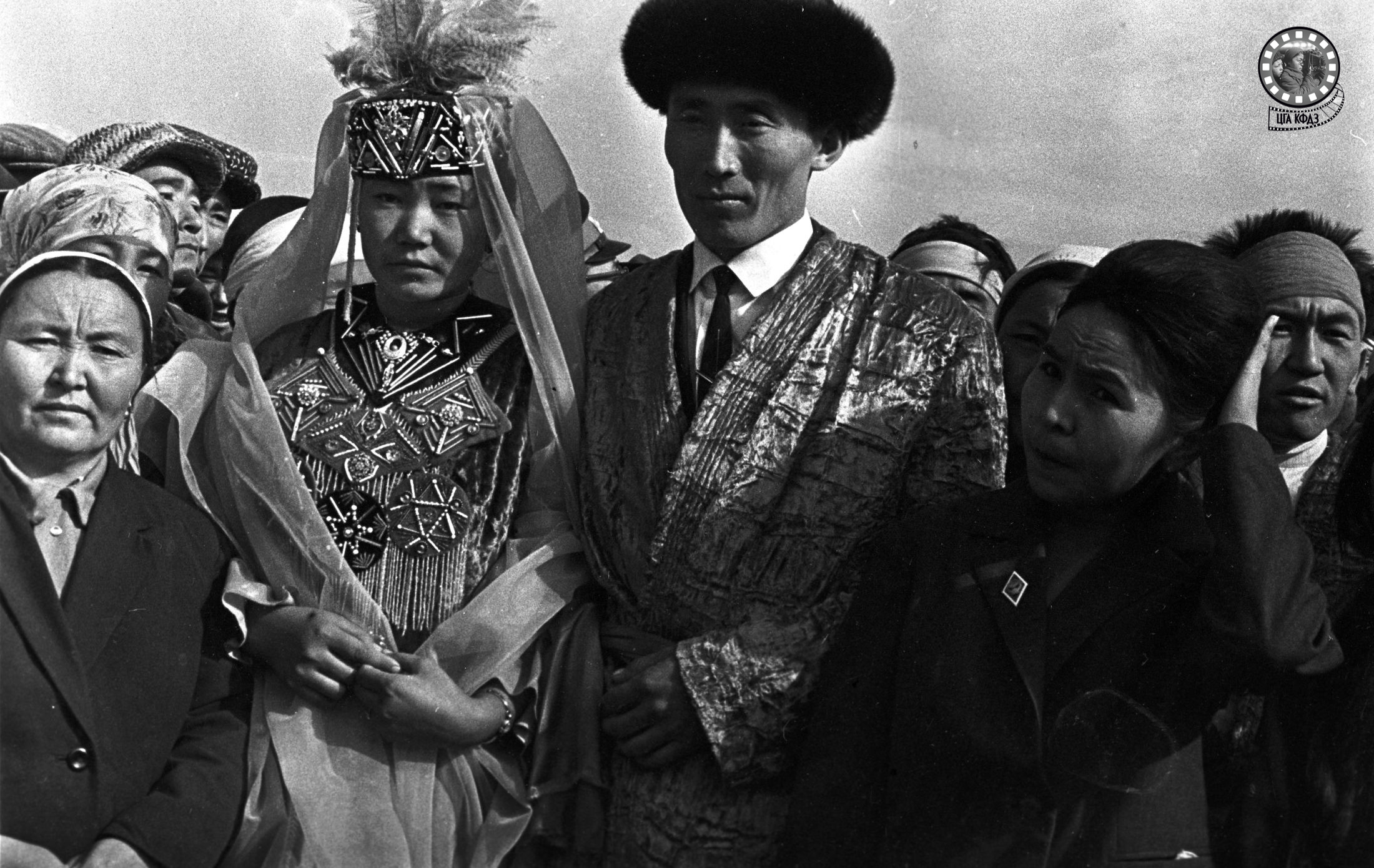
A Komsomol wedding in the Talas district, Dzhambul region, 1965.
Collective farmers from the Karl Marx collective farm in the Kokshetau district visiting R. Kolbaeva, the best collective farmer. North Kazakhstan Region, 1938.
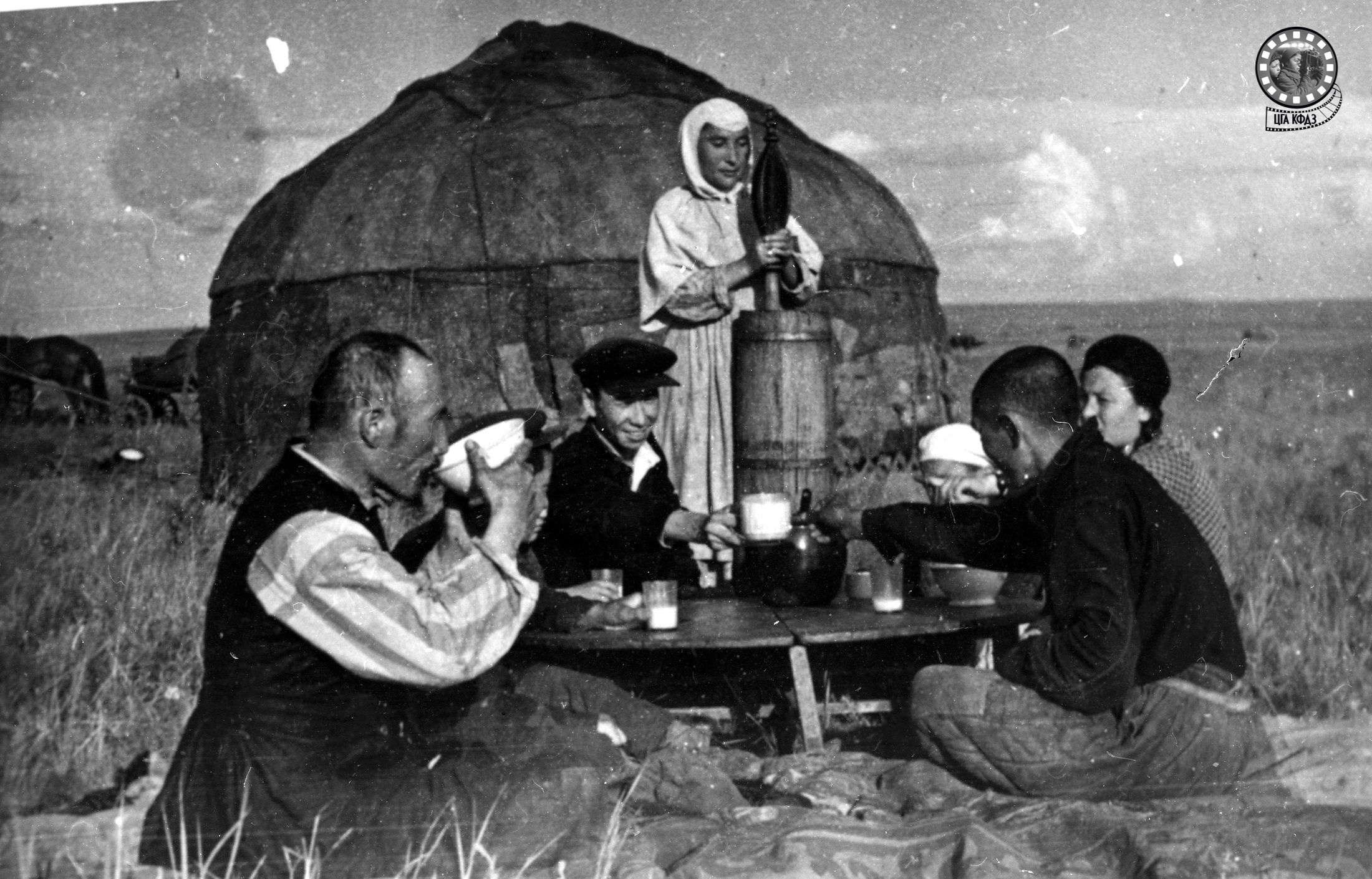
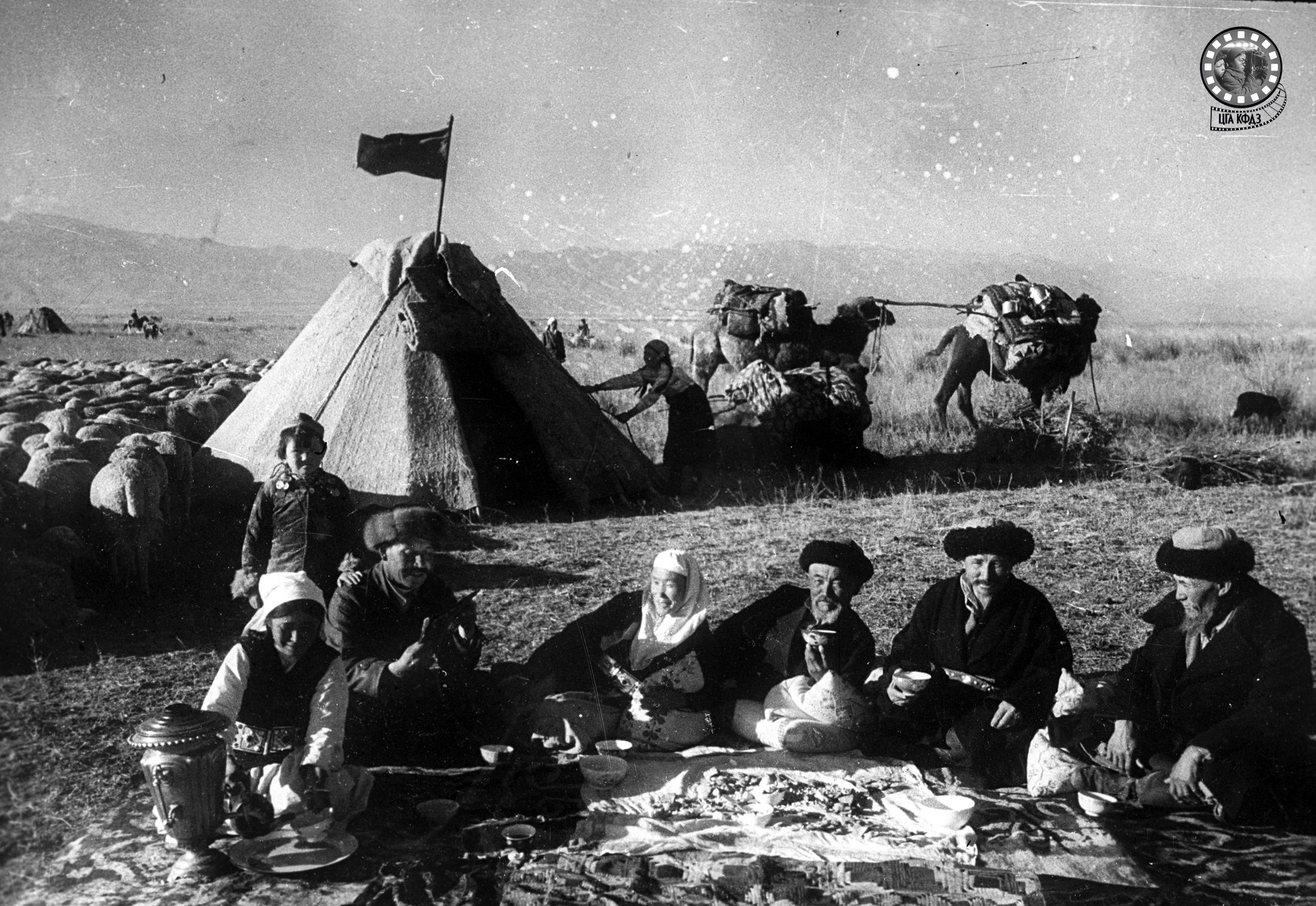
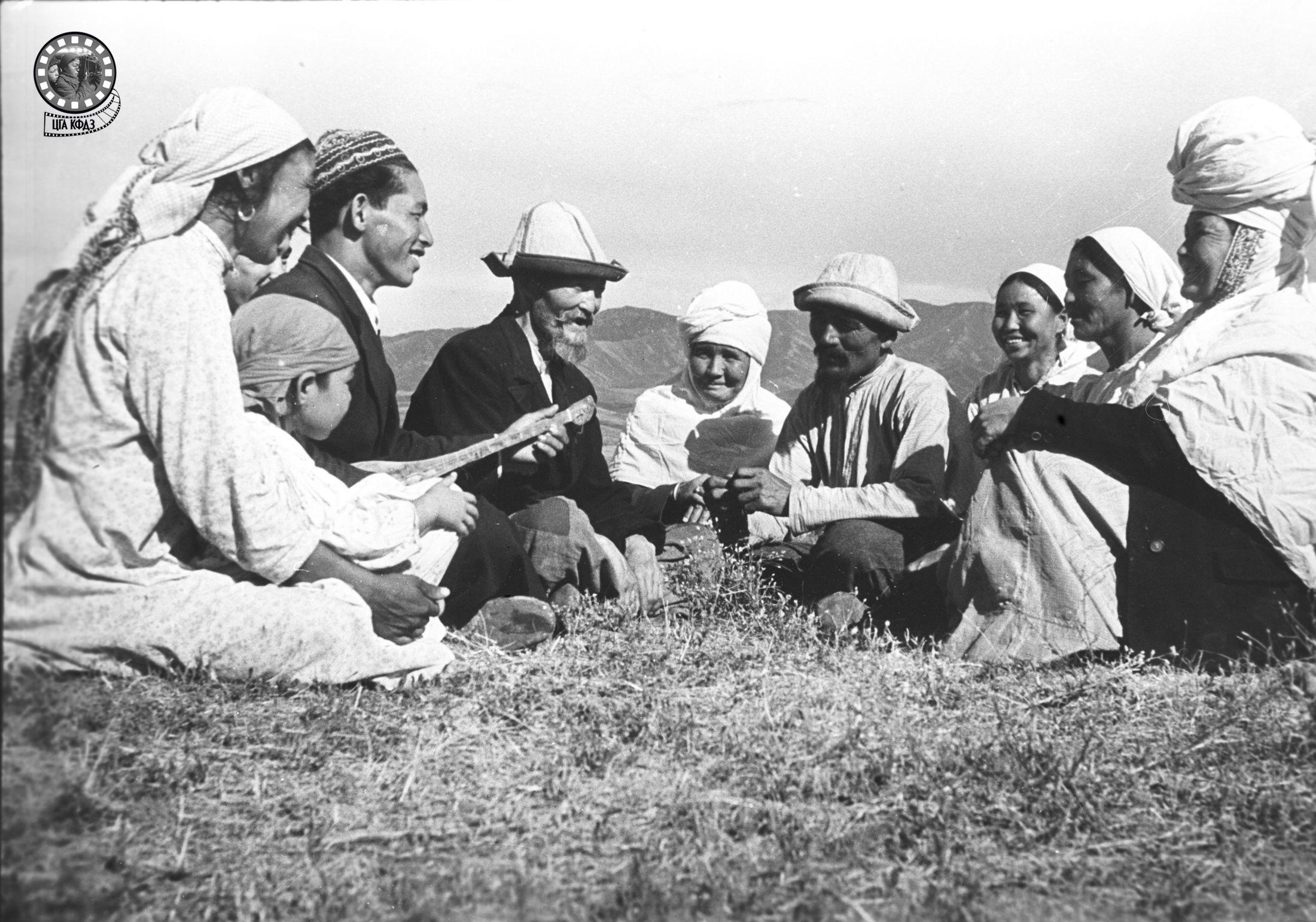
Shepherds during rest. Almaty region, 1954.
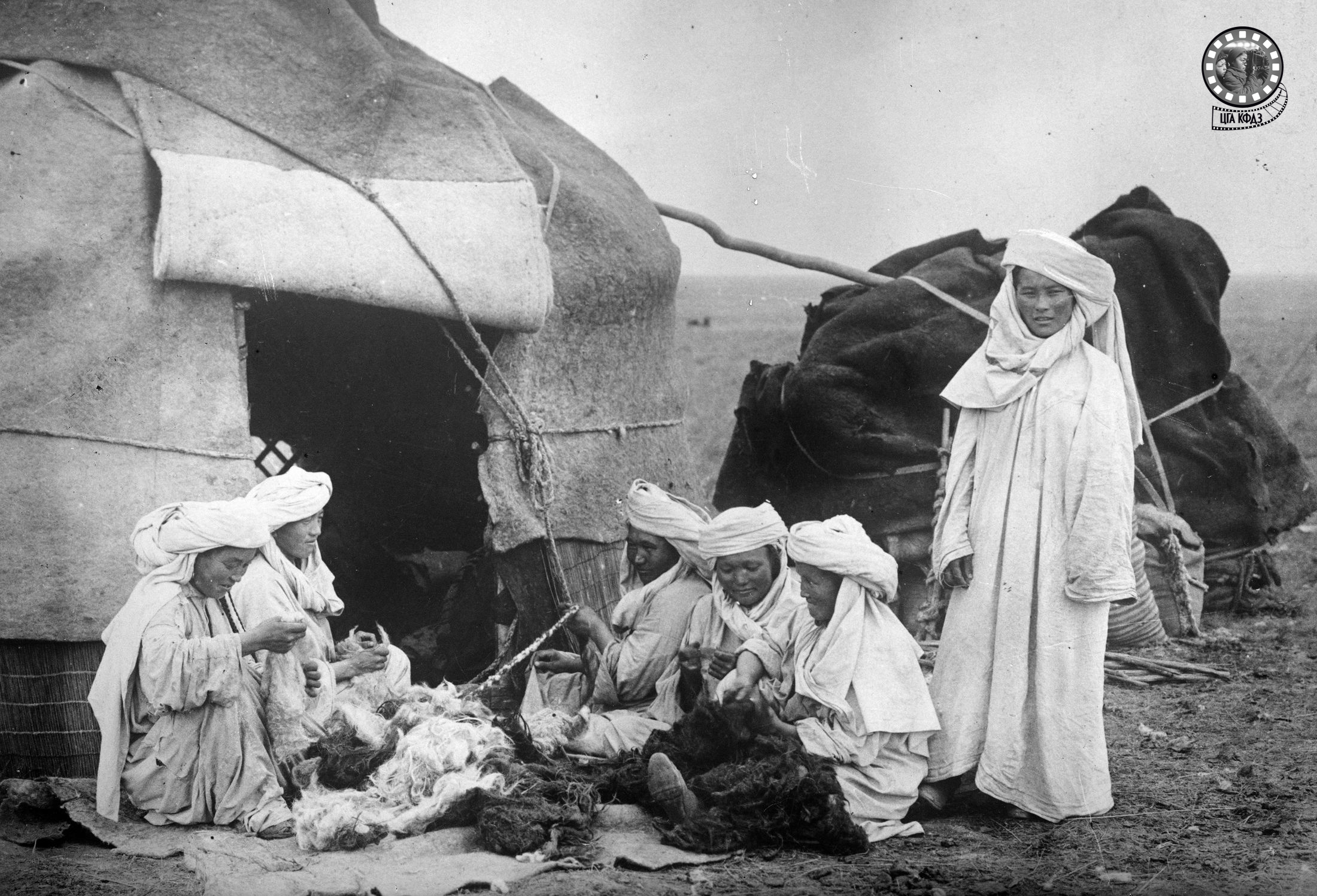
Residents of Temirsky district during the making of a lasso from sheep's wool.
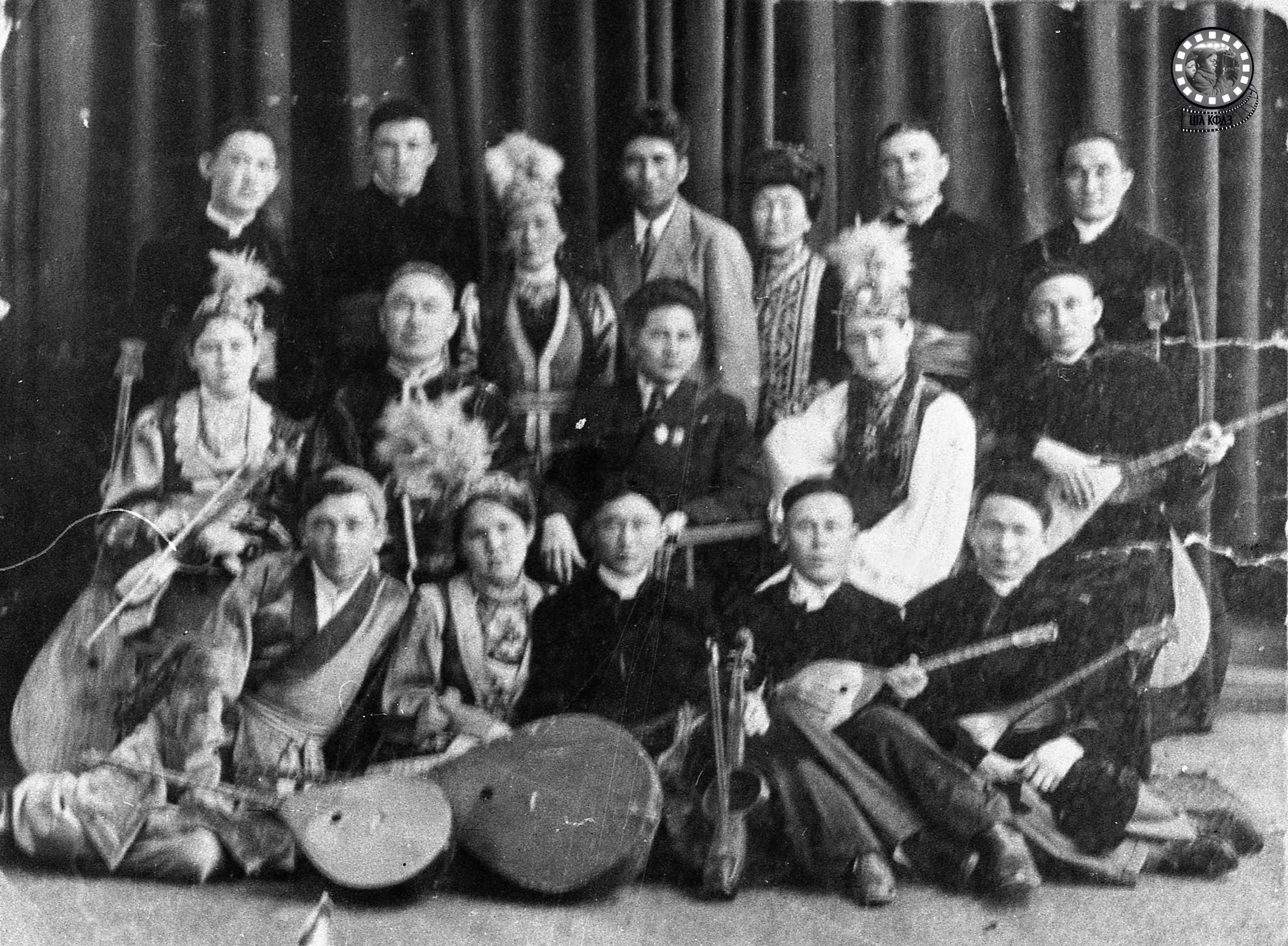
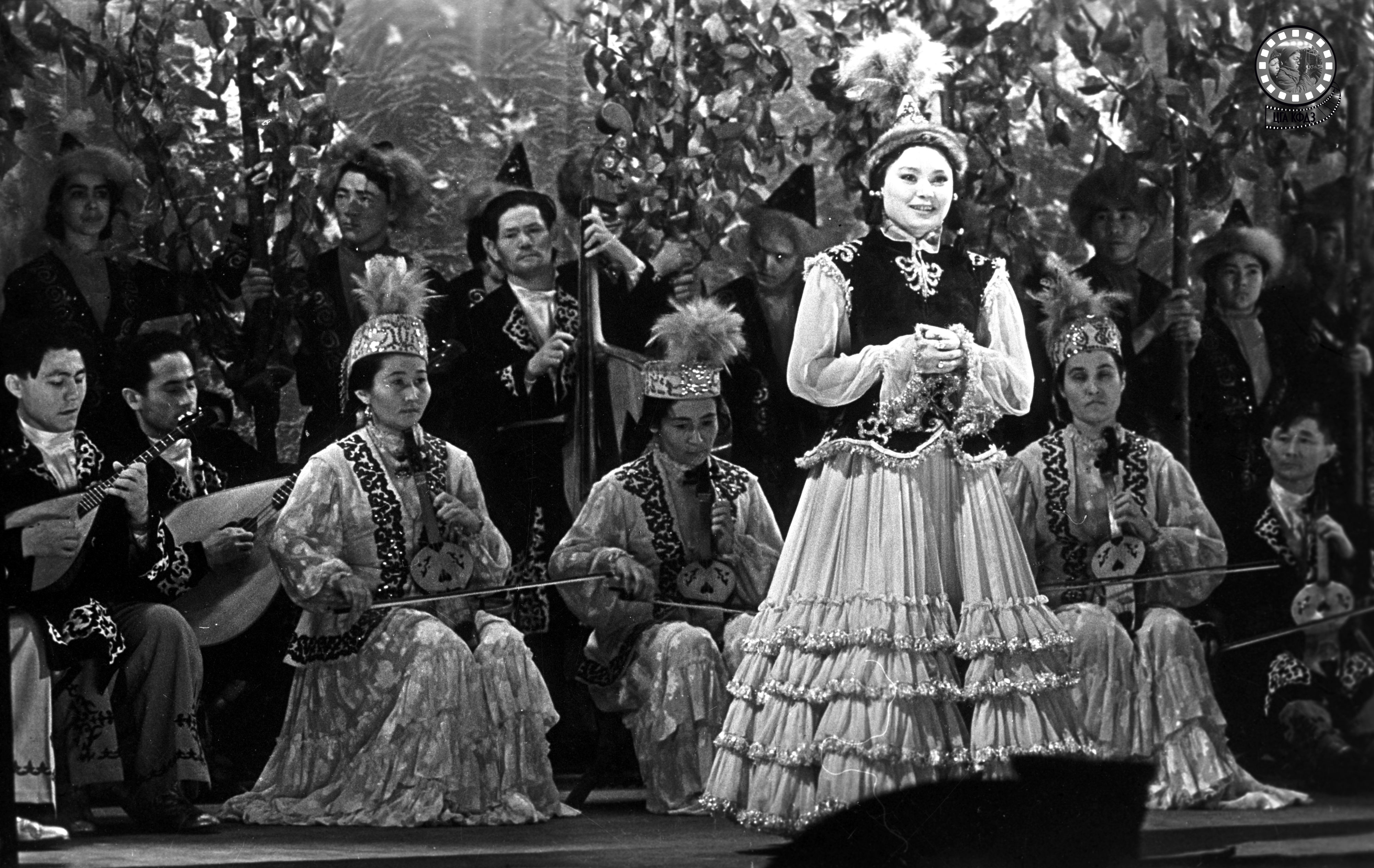
Kurmangazy Folk Instruments Orchestra: 1st row from left 2nd soloist of the Philharmonic Baykadamova A.; 3rd kobyz player Kalambaev Zh.; 2nd row from left to right: kobyz player Bayazitova G.; soloist of the Philharmonic Lekerov K.; Zhubanov A. (director of the orchestra); kobyz player Balgaeva F.; dombra player Zhantleuov K.; 3rd row from left dombra player Tlendiev N. Alma-Ata, 1943.
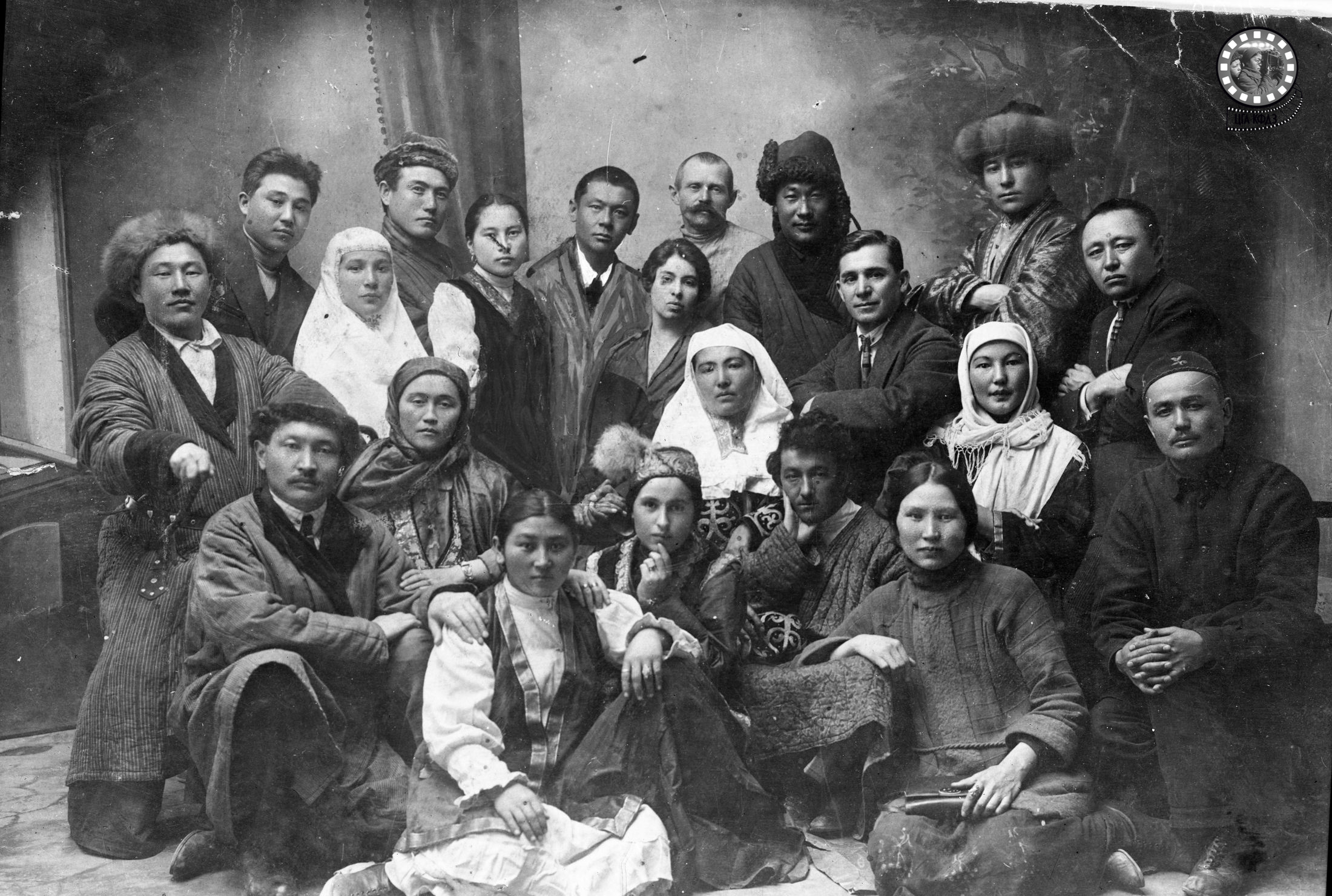
The creative team of the Alma-Ata Drama Theatre (now the M. Auezov Academic Drama Theatre), 1st row from the left Kuanyshpaev K.; 2nd row from the left Kozhamkulov S.; on the right Kashaubaev A.; last row: 2nd from the left Umurzakov E.; on the right Zhandarbek K. Alma-Ata, 1934.
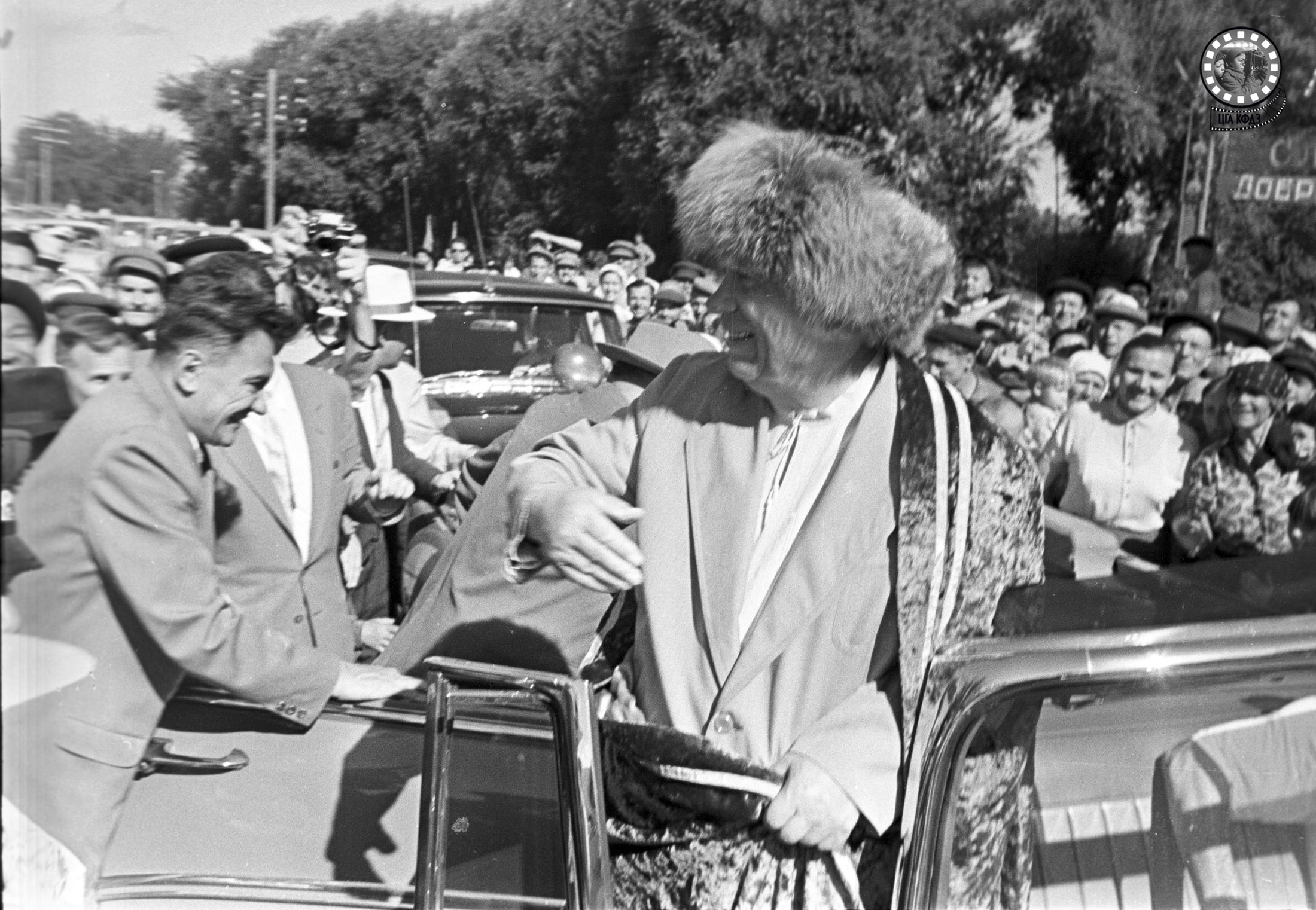
N.S. Khrushchev in Kazakh national clothes. Alma-Ata, 1961
Amankul Dzhambulov, a Komsomol member and grandson of Dzhambul, performing in the fieldwork brigade of the Dzhambul collective farm in the Dzhambul district. Almaty region, 1948.
Director G. Roshal with actor E. Umurzakov during the filming of "Songs of Abai." Alma-Ata, 1941.
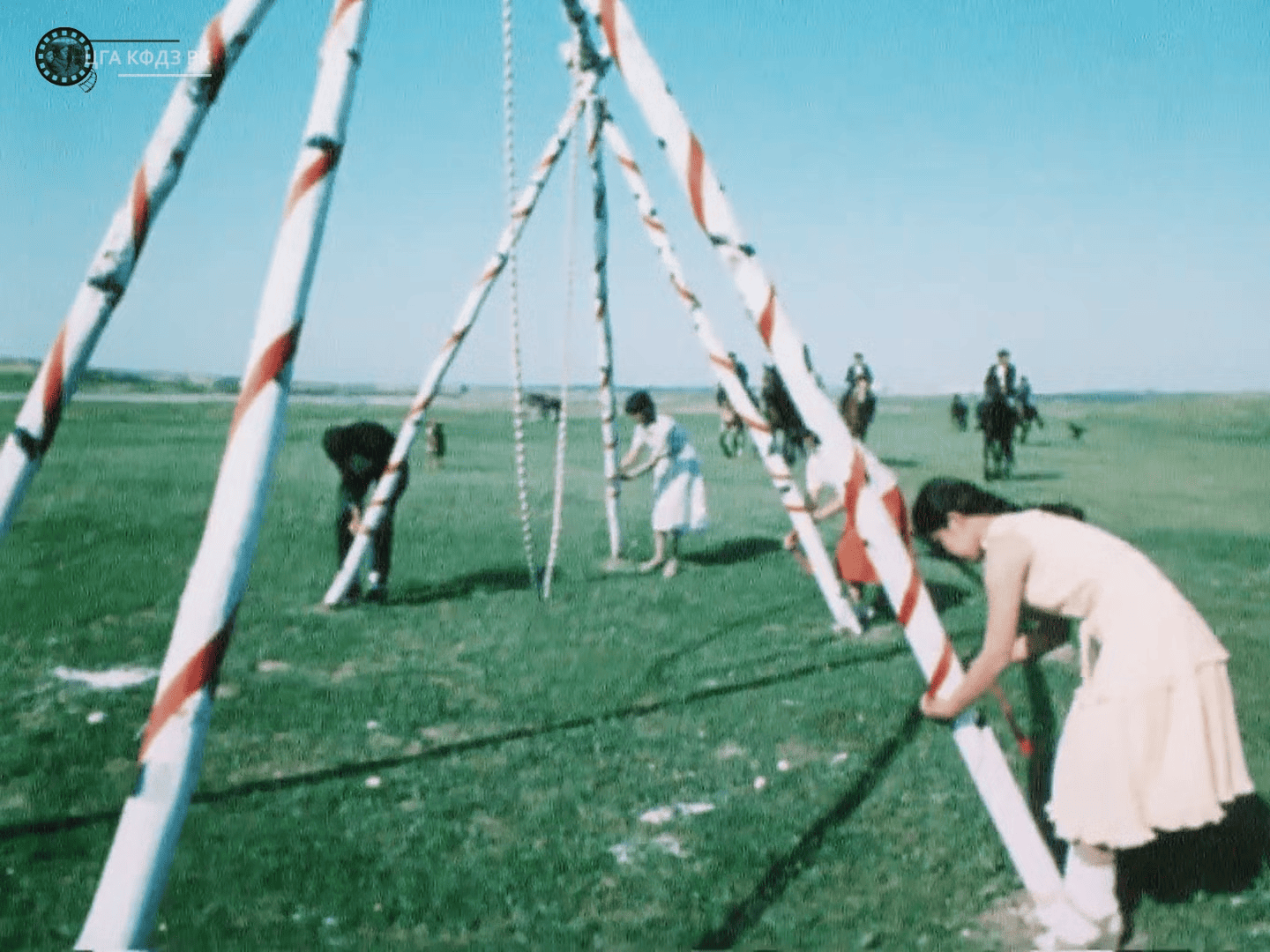
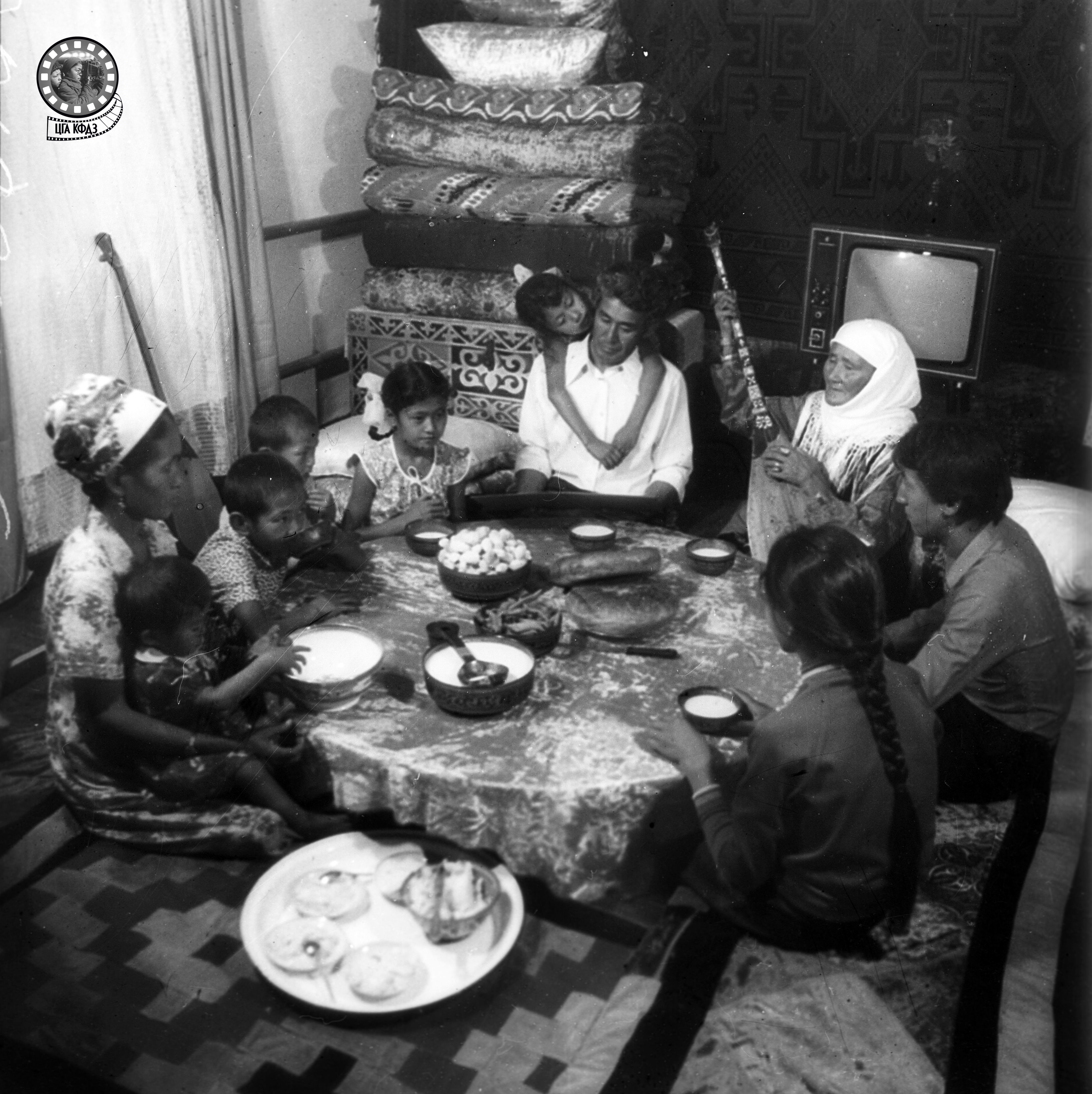
"Rites in Our Lives." The film explores the rituals of a new generation, yet at the same time closely intertwines with ancient rites. Kazakhfilm, 1984.
"Rites in Our Lives." The film explores the rituals of a new generation, yet at the same time closely intertwines with ancient rites. Kazakhfilm, 1984.
"Tusau Kesu." A film about a folk custom, an ancient Kazakh rite—the cutting of a child's symbolic bonds when they take their first steps. In lyrical form, the filmmakers narrate the life of a person—from their first infant steps to a ripe old age, and their place in life on this earth. "Kazakhtelefilm," 1987.
"Tusau Kesu." A film about a folk custom, an ancient Kazakh rite—the cutting of a child's symbolic bonds when they take their first steps. In lyrical form, the filmmakers narrate the life of a person—from their first infant steps to a ripe old age, and their place in life on this earth. "Kazakhtelefilm," 1987.
R. Baglanova performing with a Kazakh folk instrument ensemble during the Decade of Literature and Art of Kazakhstan. Bolshoi Theatre of the USSR. Moscow, 1959.
E-21632 Kazakhs tract Torysh. Mangyshlak, early twentieth century.
Amzebaev E. - machine operator at the Lenin Komsomol state farm of Kazakhstan, Zhalagash district (center). Kyzyl-Orda region, 1984.
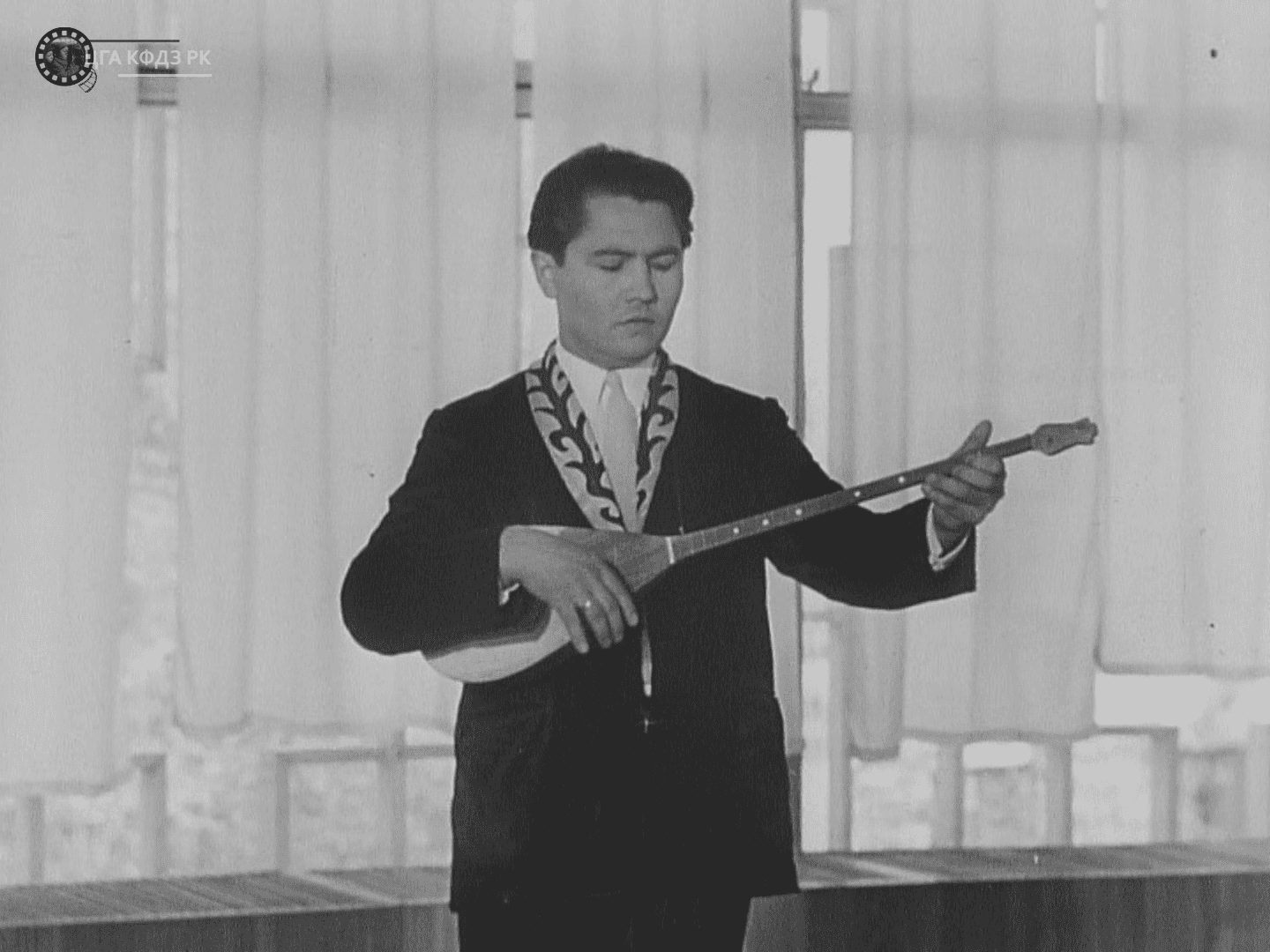
"Young Talents." The film is dedicated to the 5th anniversary of the Kazakh State Conservatory. Featured are conservatory teachers E.G. Brusilovsky, State Prize laureate, L.M. Shargorodsky, Honored Artist, A.K. Zhubanov, director of the conservatory, and composer, as well as students B. Tulegenova, E. Serkebayev, N. Mendygaliev, F. Balgayeva, and others. The film features excerpts from works by Russian and Kazakh composers. There are also simultaneous performances by A. Zhubanov and L.M. Shargorodsky. "Alma-Ata Film Studio of Feature and Newsreel Films," 1949.
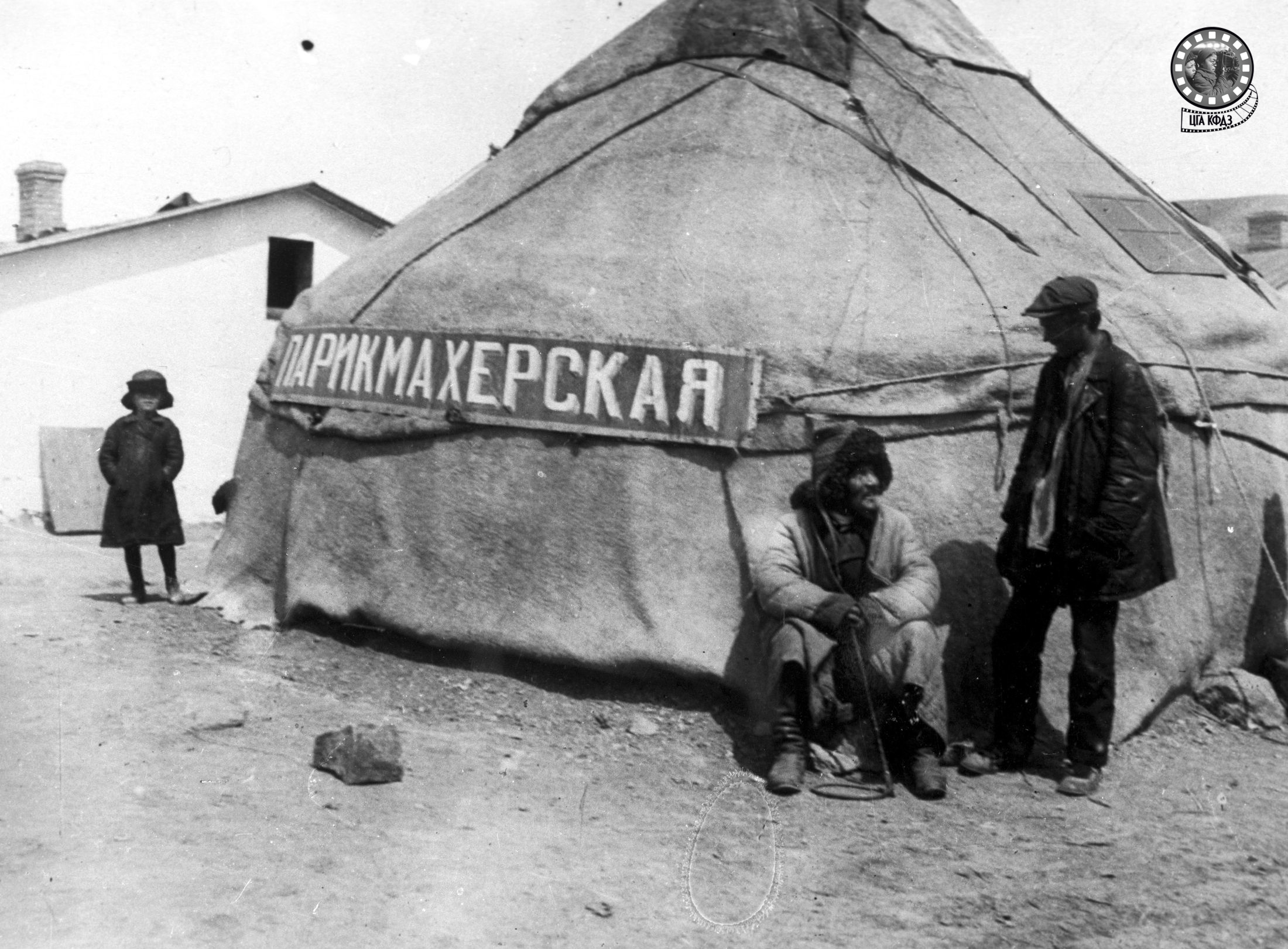
A yurt-hairdressing salon at the Moyynkum station of the Turkestan-Siberian Railway. 1930.
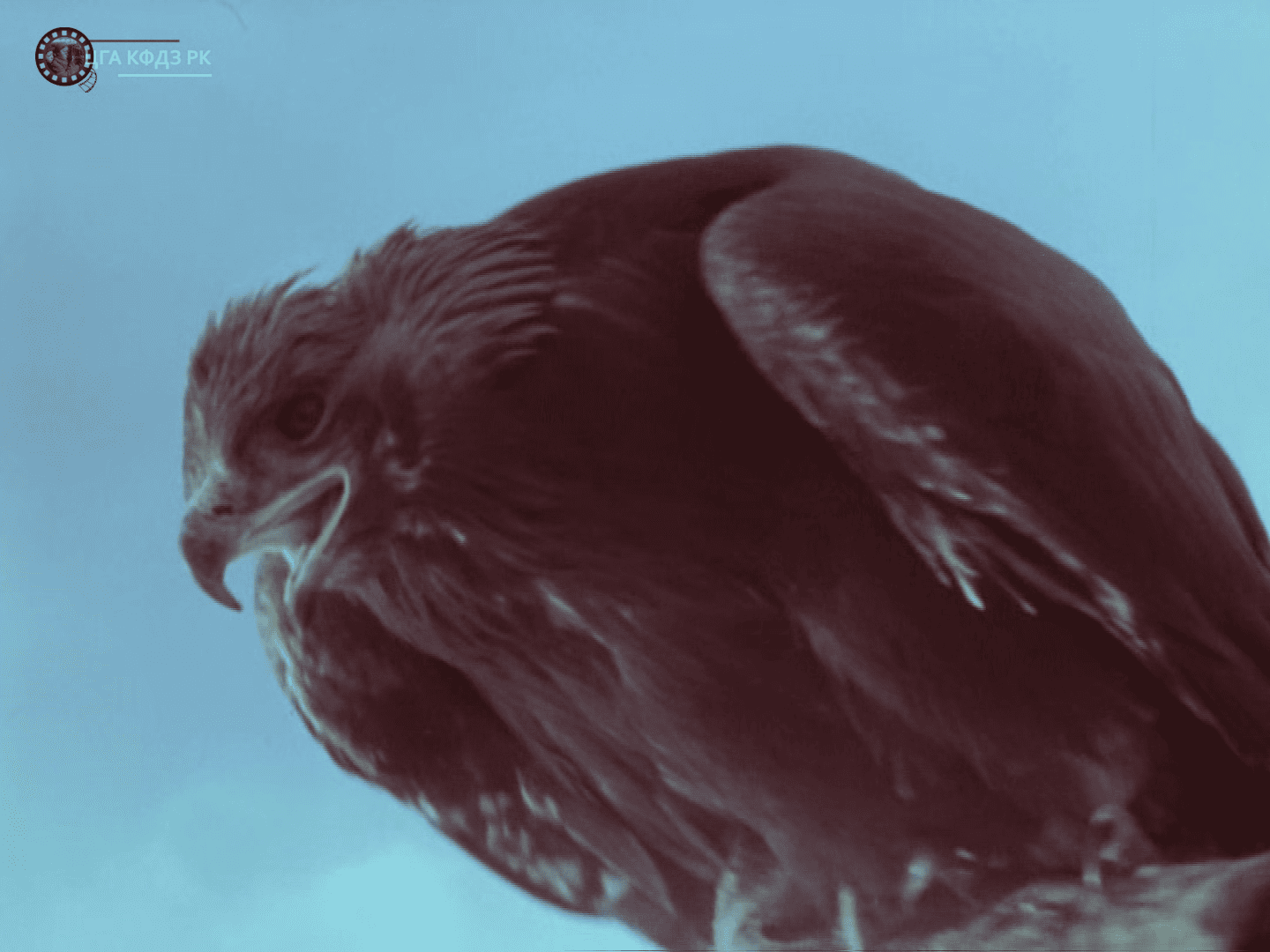
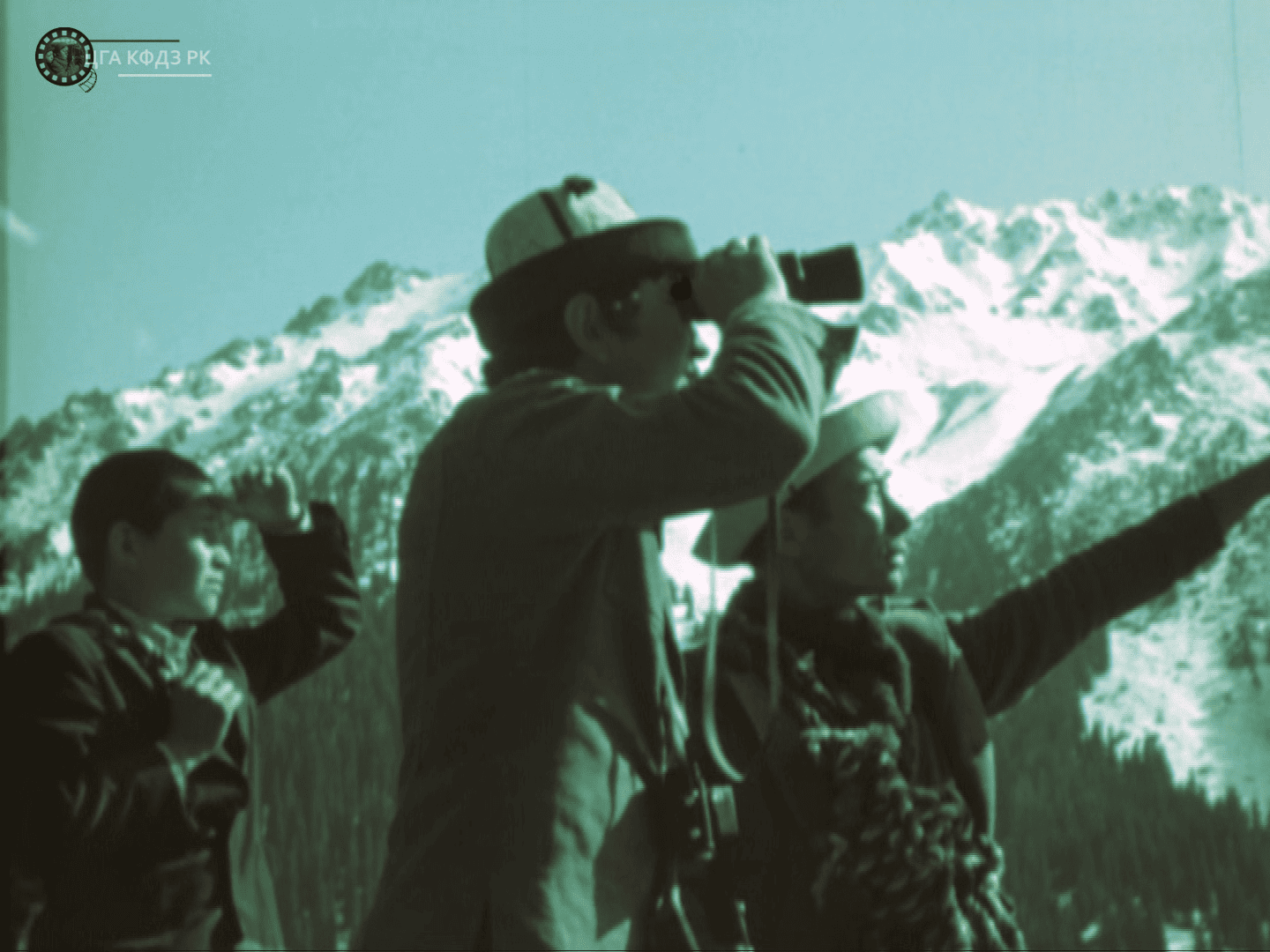
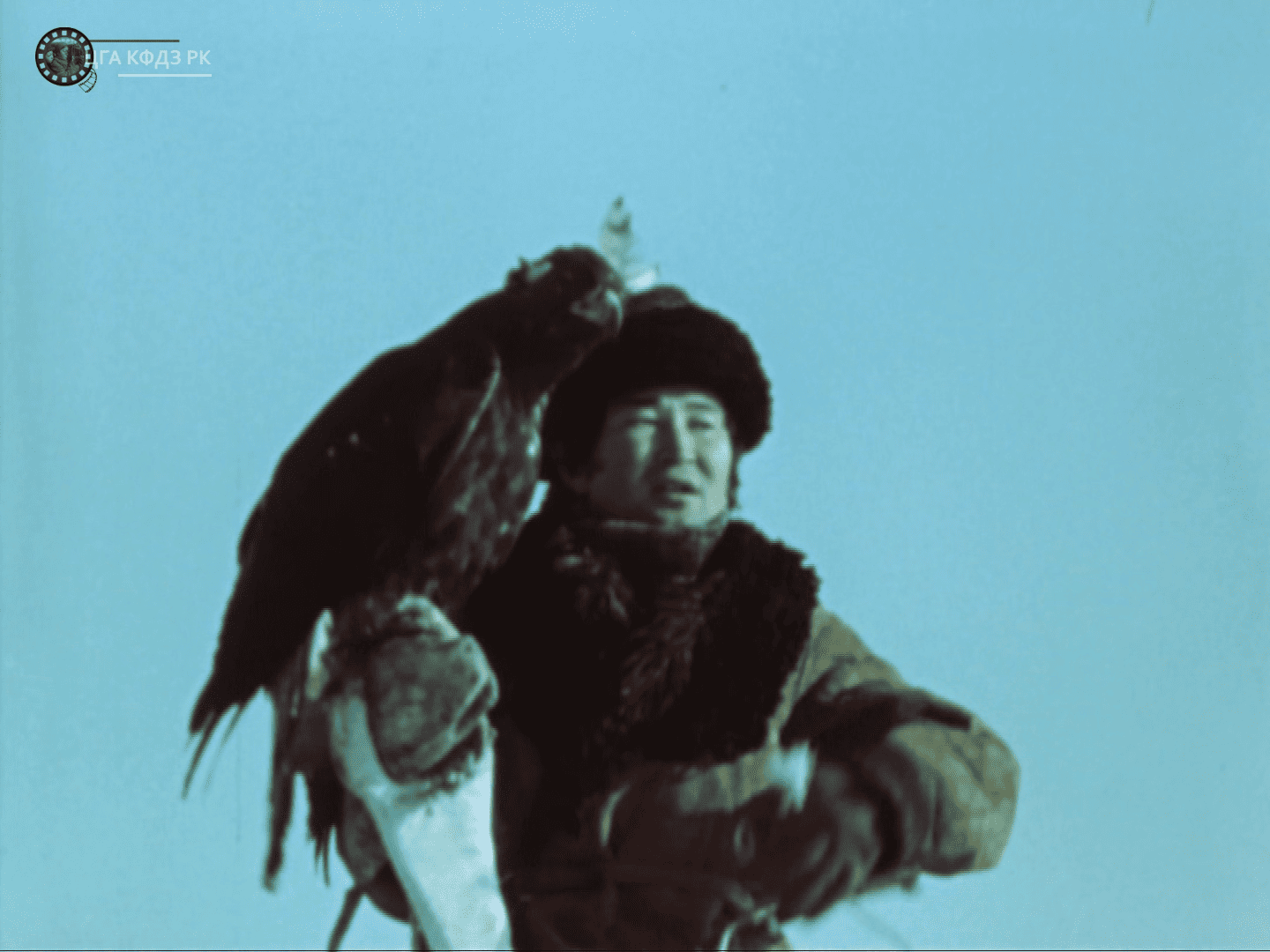
"Tastülek." A film dedicated to the golden eagle hunters of Kazakhstan. Golden eagle hunters Zh. Satylganov, A. Turlybaev, and Sh. Uzakov talk about the forgotten tradition of raising and breeding falcons. Kazakhtelefilm, 1982.
"Tastülek." A film dedicated to the golden eagle hunters of Kazakhstan. Golden eagle hunters Zh. Satylganov, A. Turlybaev, and Sh. Uzakov talk about the forgotten tradition of raising and breeding falcons. Kazakhtelefilm, 1982.
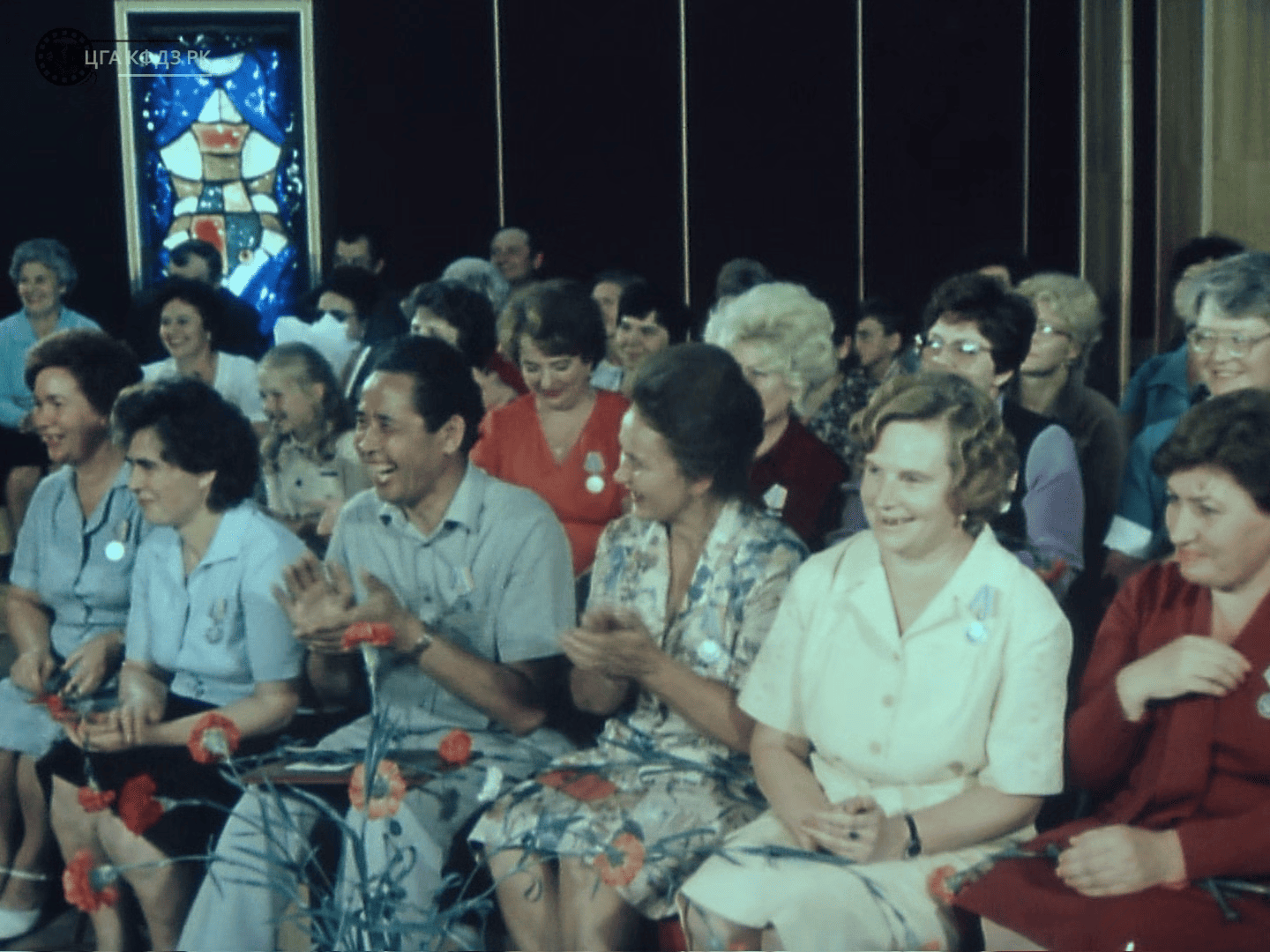
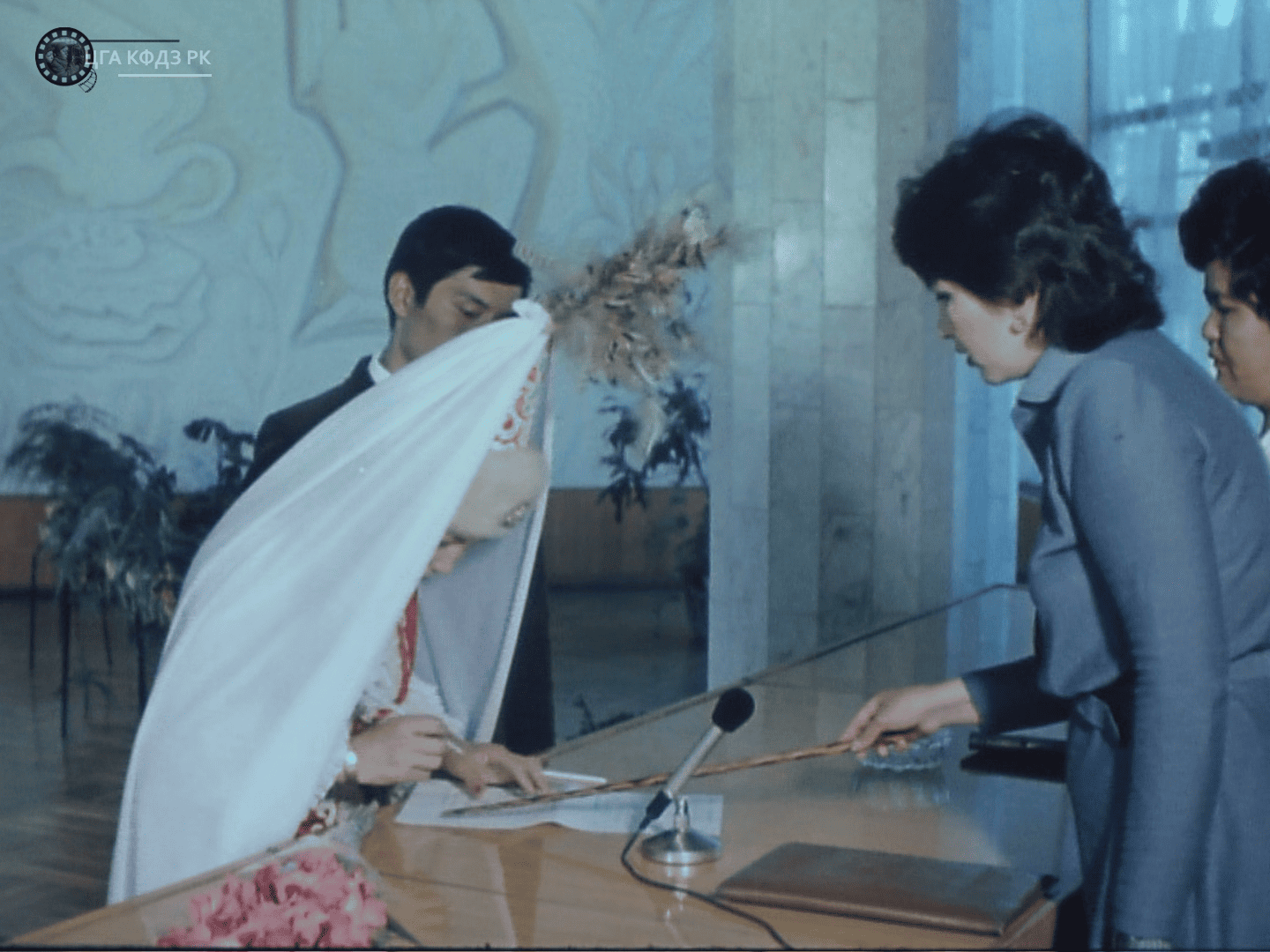
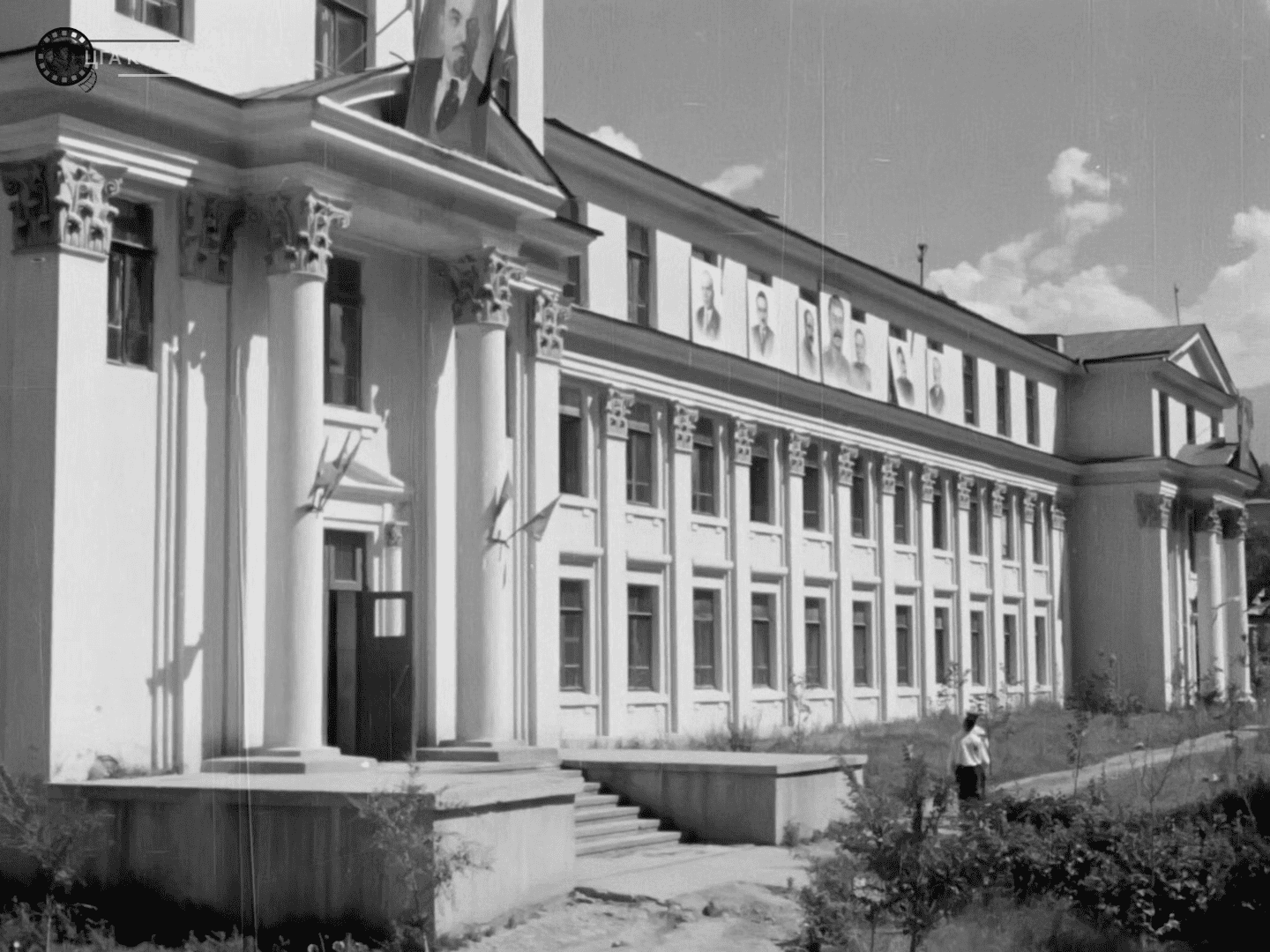
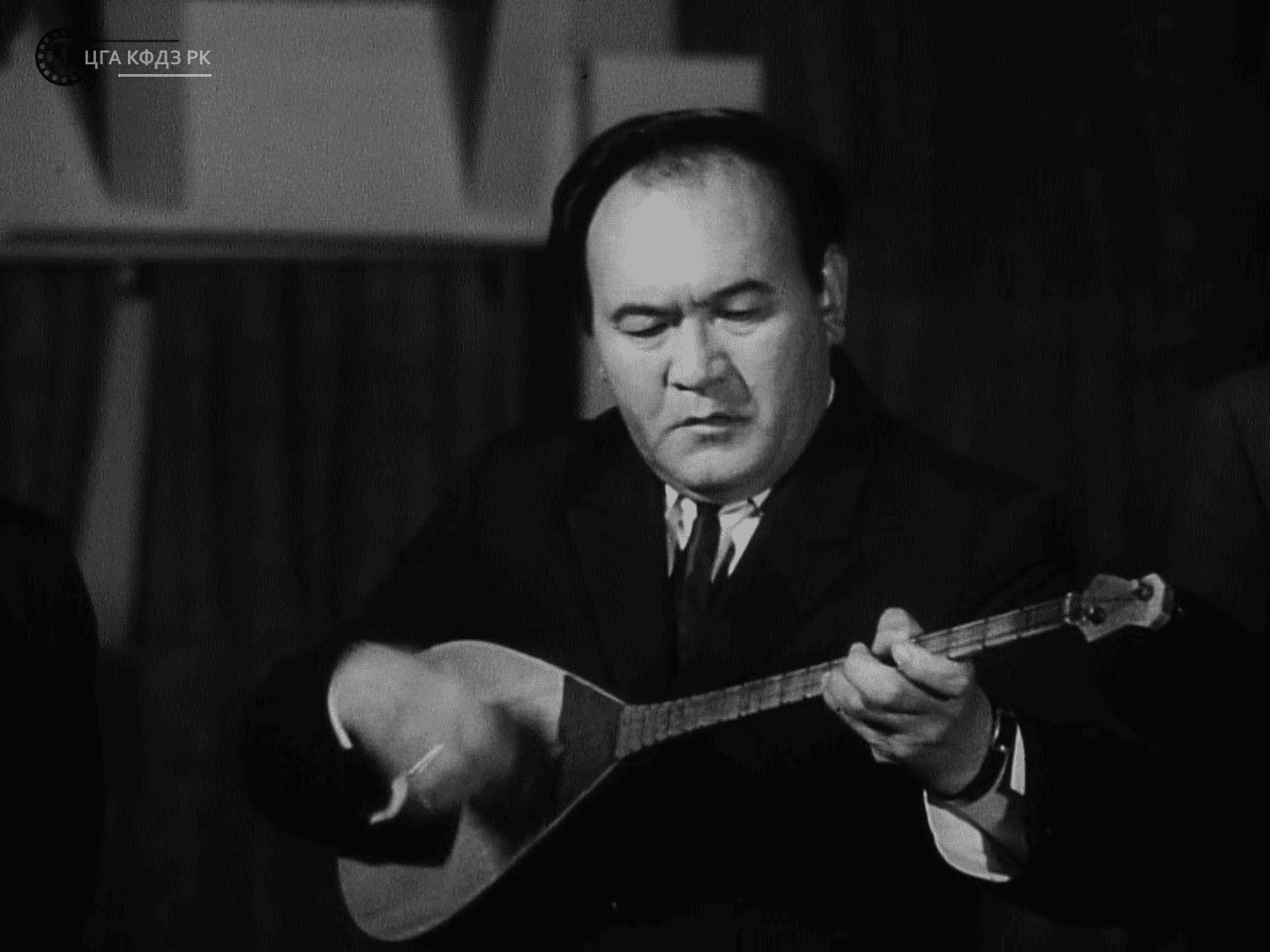
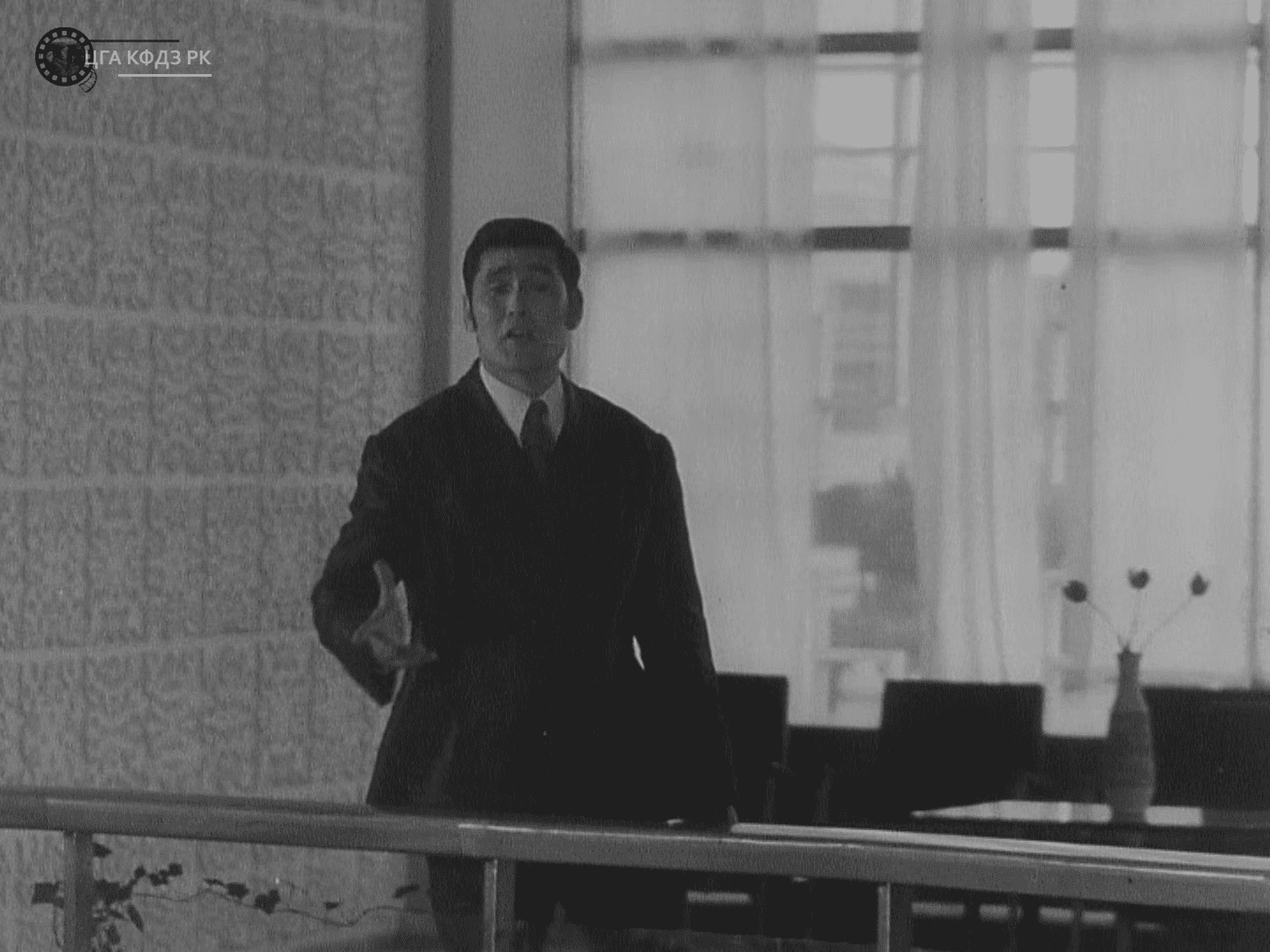
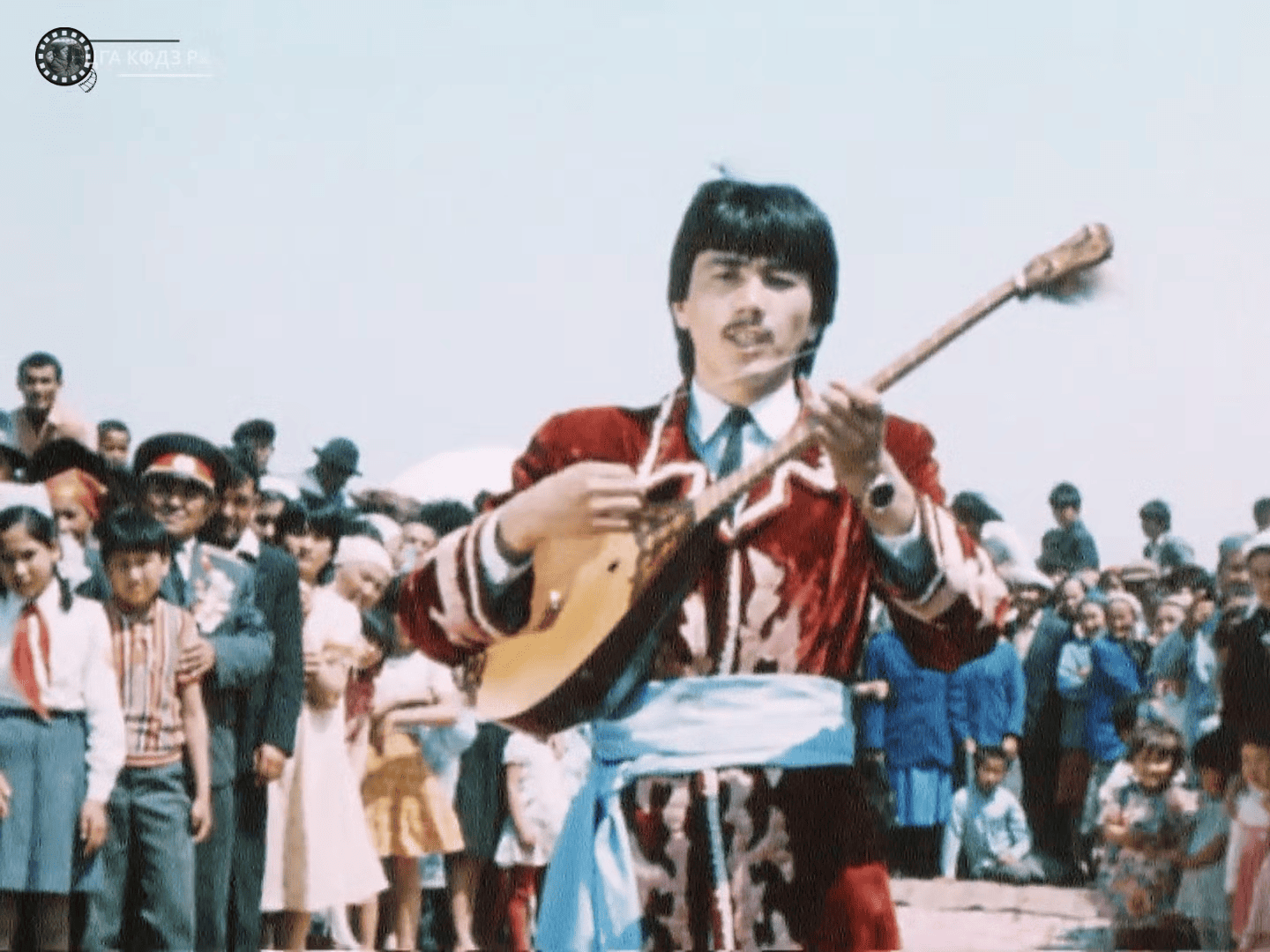
"Toy Bastar." A concert film. Tradition and modernity, the application of traditional rituals in a contemporary context. Footage shows a wedding palace, a marriage registration, accompanied by Kazakh wedding songs. Songs such as "Toy Bastar," "Zhar-Zhar," and others are performed. Kazakhtelefilm, 1972.
"Toy Bastar." A concert film. Tradition and modernity, the application of traditional rituals in a contemporary context. Footage shows a wedding palace, a marriage registration, accompanied by Kazakh wedding songs. Songs such as "Toy Bastar," "Zhar-Zhar," and others are performed. Kazakhtelefilm, 1972.
"Toy Bastar." A concert film. Tradition and modernity, the application of traditional rituals in a contemporary context. Footage shows a wedding palace, a marriage registration, accompanied by Kazakh wedding songs. Songs such as "Toy Bastar," "Zhar-Zhar," and others are performed. Kazakhtelefilm, 1972.
"Betashar." A film about a national wedding ceremony—"Betashar"—the unveiling of the bride's face, accompanied by a sermonizing song. This ancient ritual seamlessly blends into modern life, embellishing wedding celebrations as an element of national culture. "Kazakhtelefilm," 1985.
"Betashar." A film about a national wedding ceremony—"Betashar"—the unveiling of the bride's face, accompanied by a sermonizing song. This ancient ritual seamlessly blends into modern life, embellishing wedding celebrations as an element of national culture. "Kazakhtelefilm," 1985.
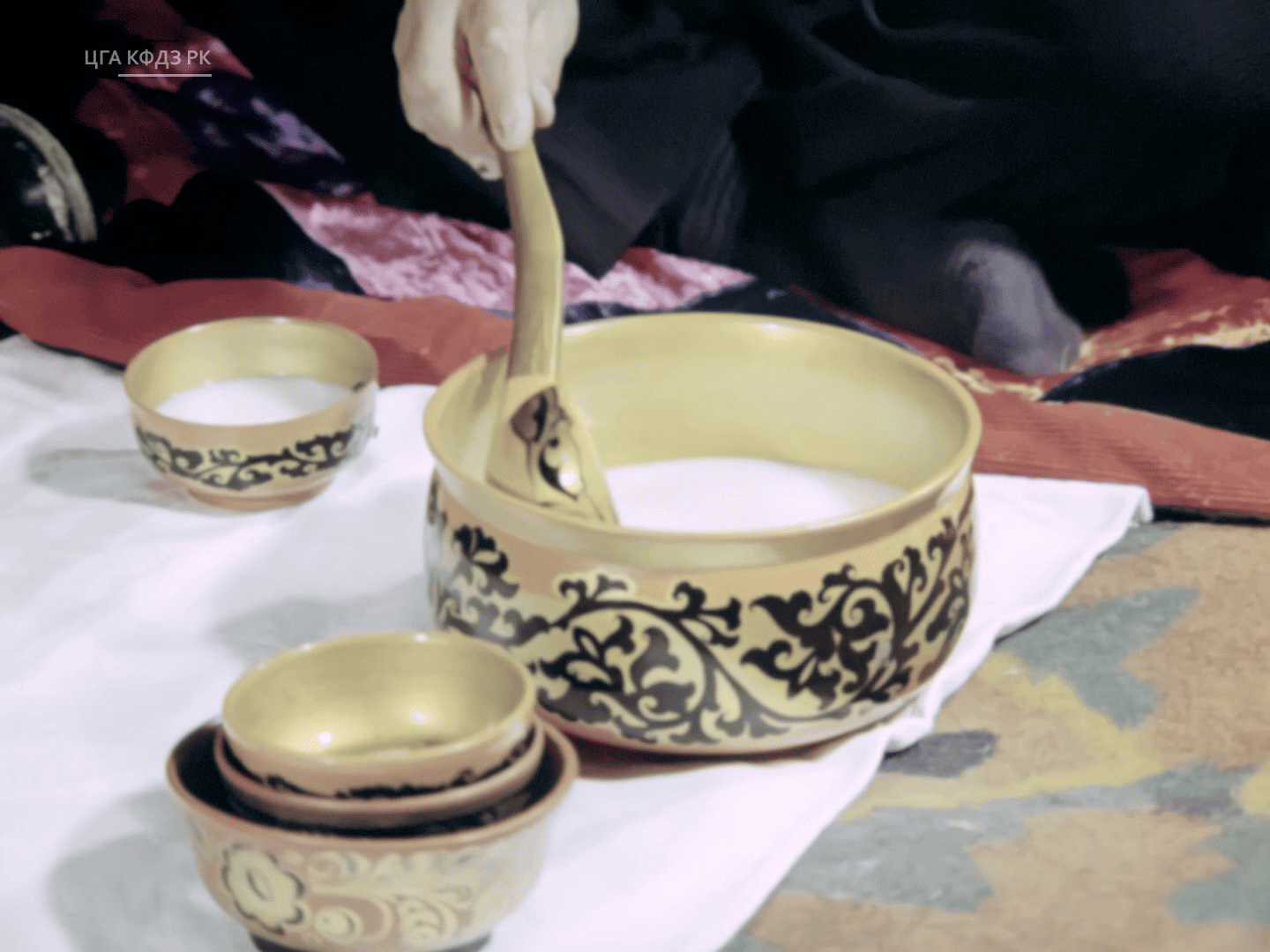
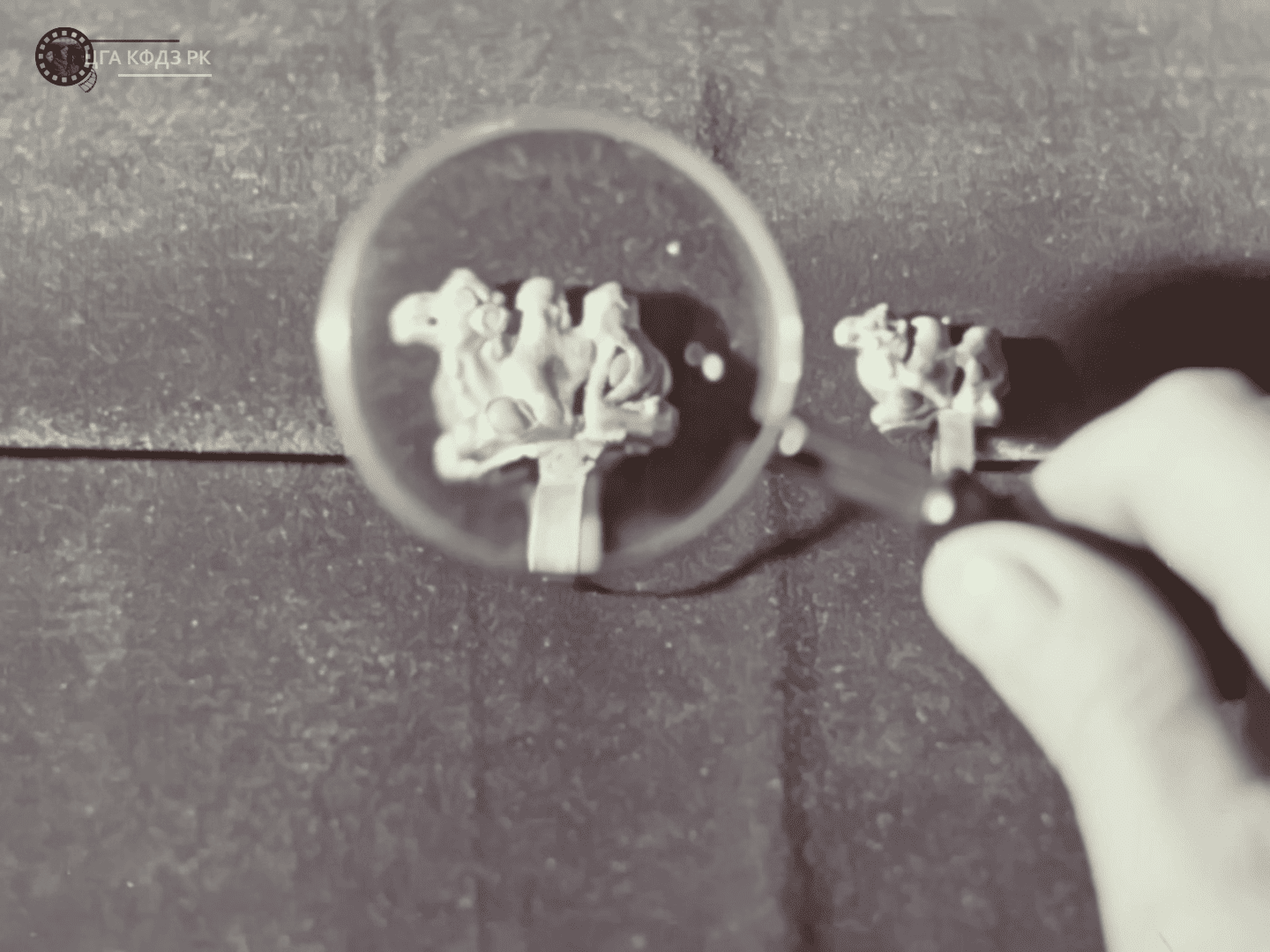
"KAZAKH FOLK CRAFTS" (Applied Arts of Kazakhstan). A film about the distinctive art of the Kazakh people. Showcasing carpets, household utensils, and jewelry crafted by folk artisans, as well as carpet and felt weaving techniques. Featuring folk artists M. Usumbekova, L. Khodzhikova, A. Kabulova, and others. Alma-Ata Film Studio of Feature and Newsreel Films, 1967.
"KAZAKH FOLK CRAFTS" (Applied Arts of Kazakhstan). A film about the distinctive art of the Kazakh people. Showcasing carpets, household utensils, and jewelry crafted by folk artisans, as well as carpet and felt weaving techniques. Featuring folk artists M. Usumbekova, L. Khodzhikova, A. Kabulova, and others. Alma-Ata Film Studio of Feature and Newsreel Films, 1967.
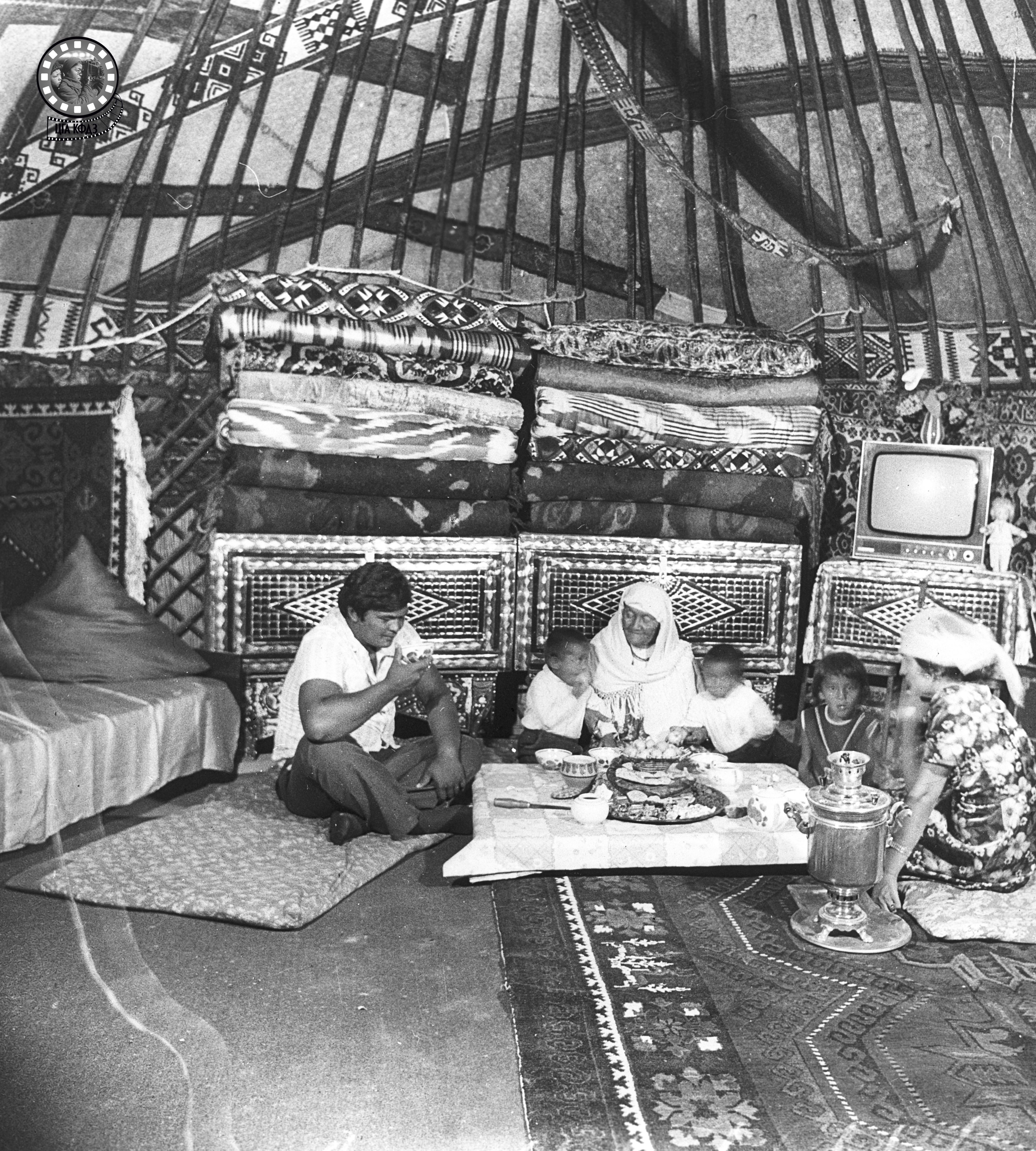
Wedding atmosphere in a Kazakh family. Aktobe region, 1926-1927.
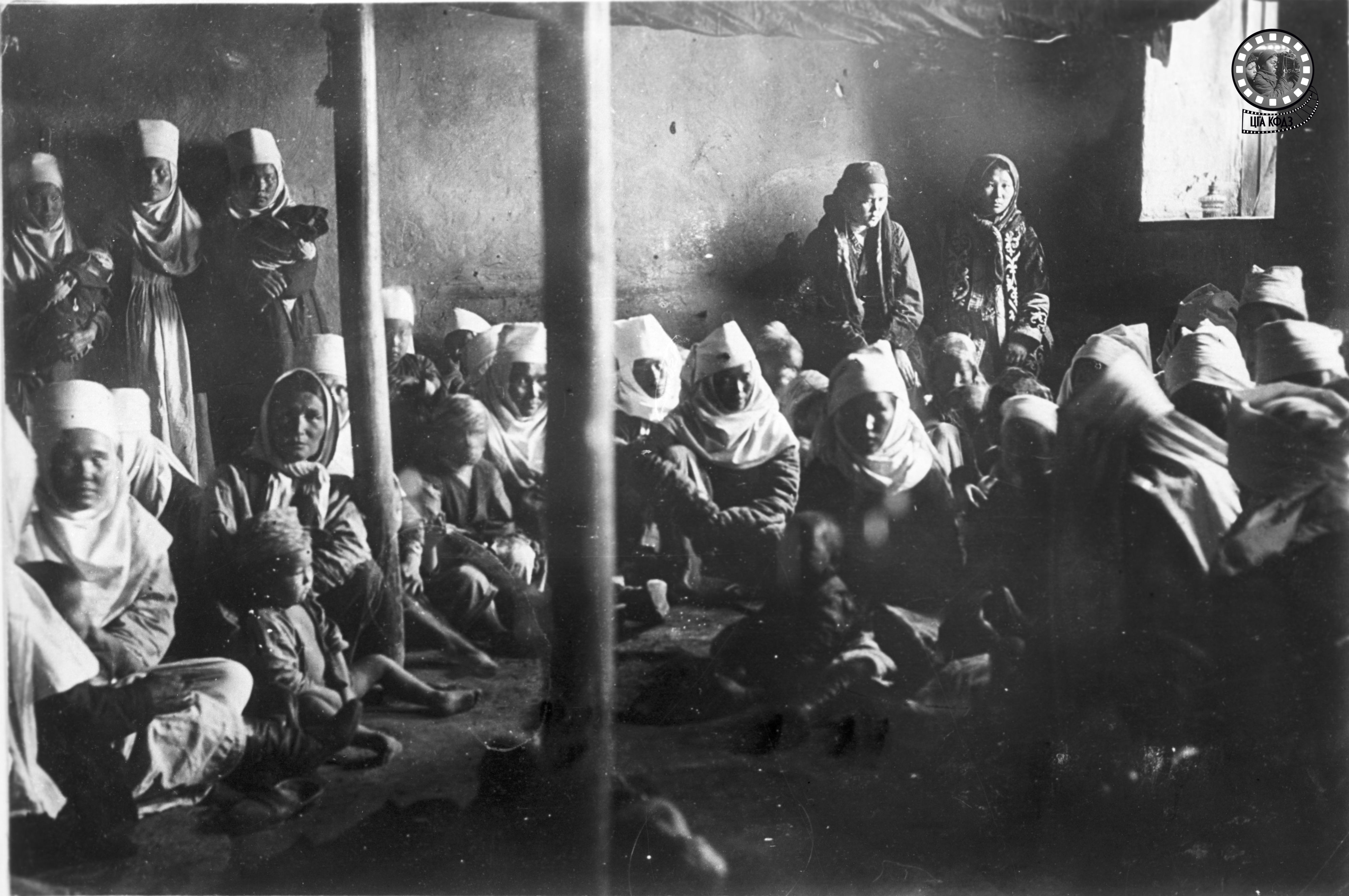
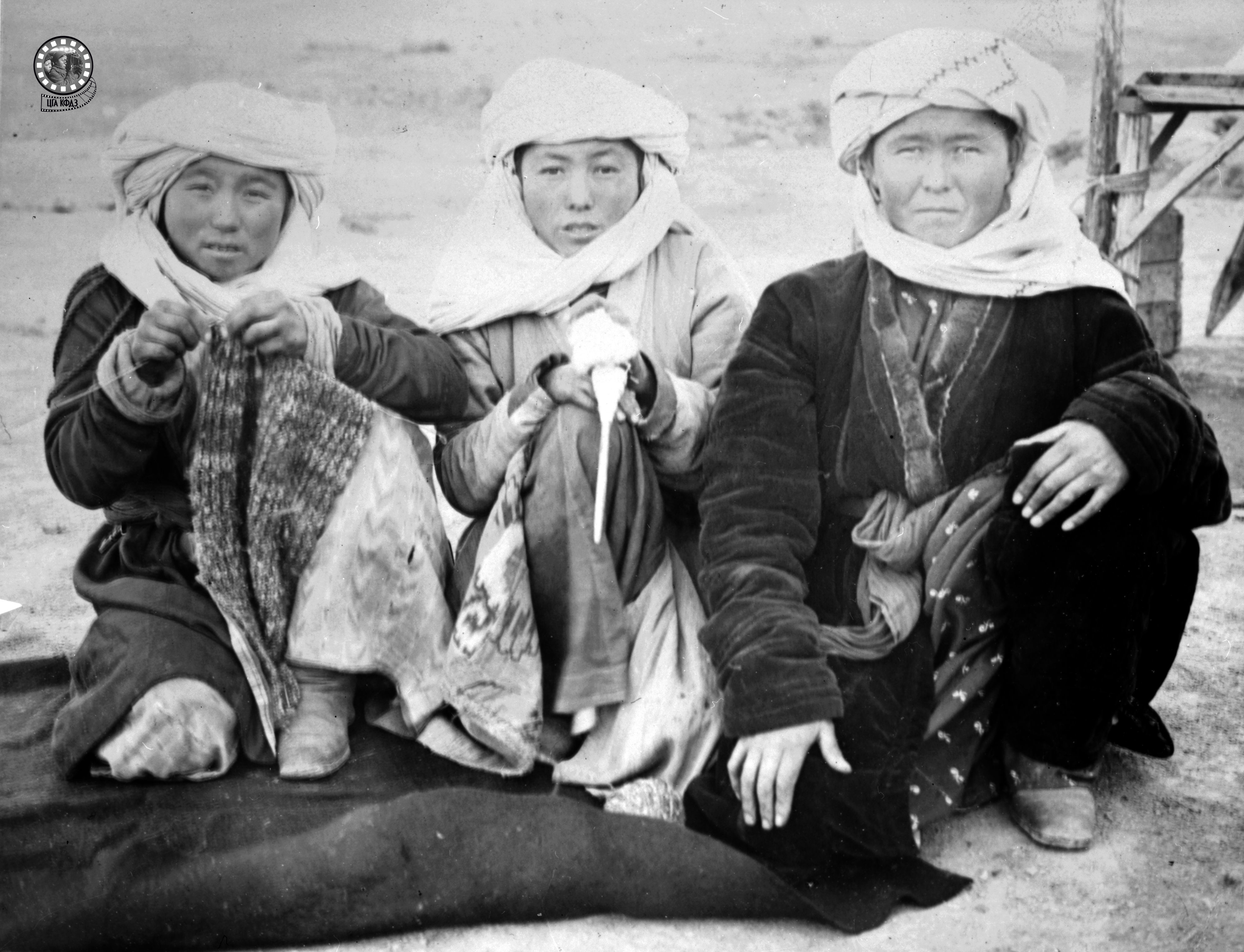
Kazakh women. Mangyshlak, early twentieth century.
Bulatbekov K. - senior shepherd of the Khodzhatugai state farm, Kyzyl-Kum district during a vacation. Shymkent region, 1980
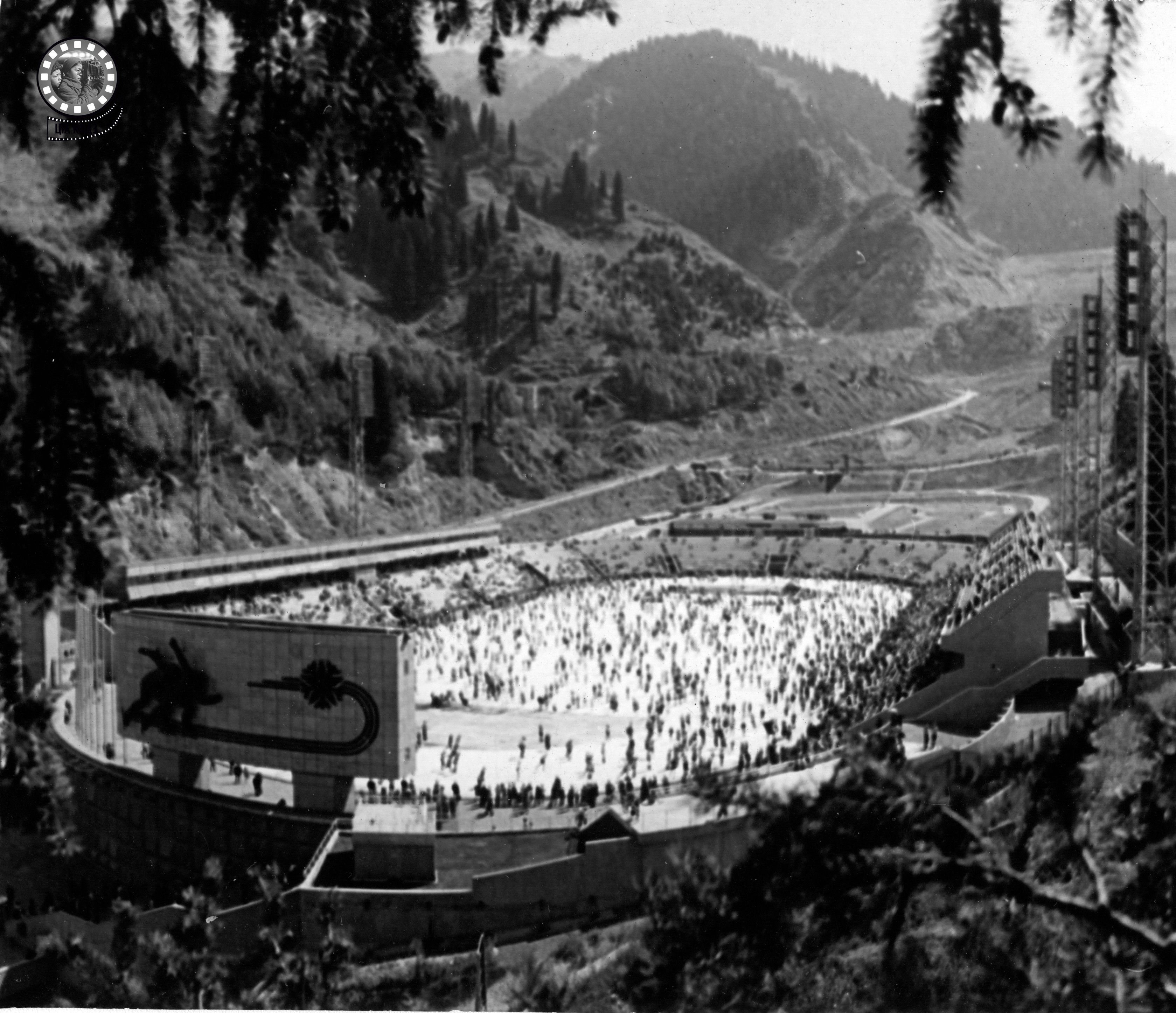
Medeo high-altitude skating rink. Alma-Ata, 1972.
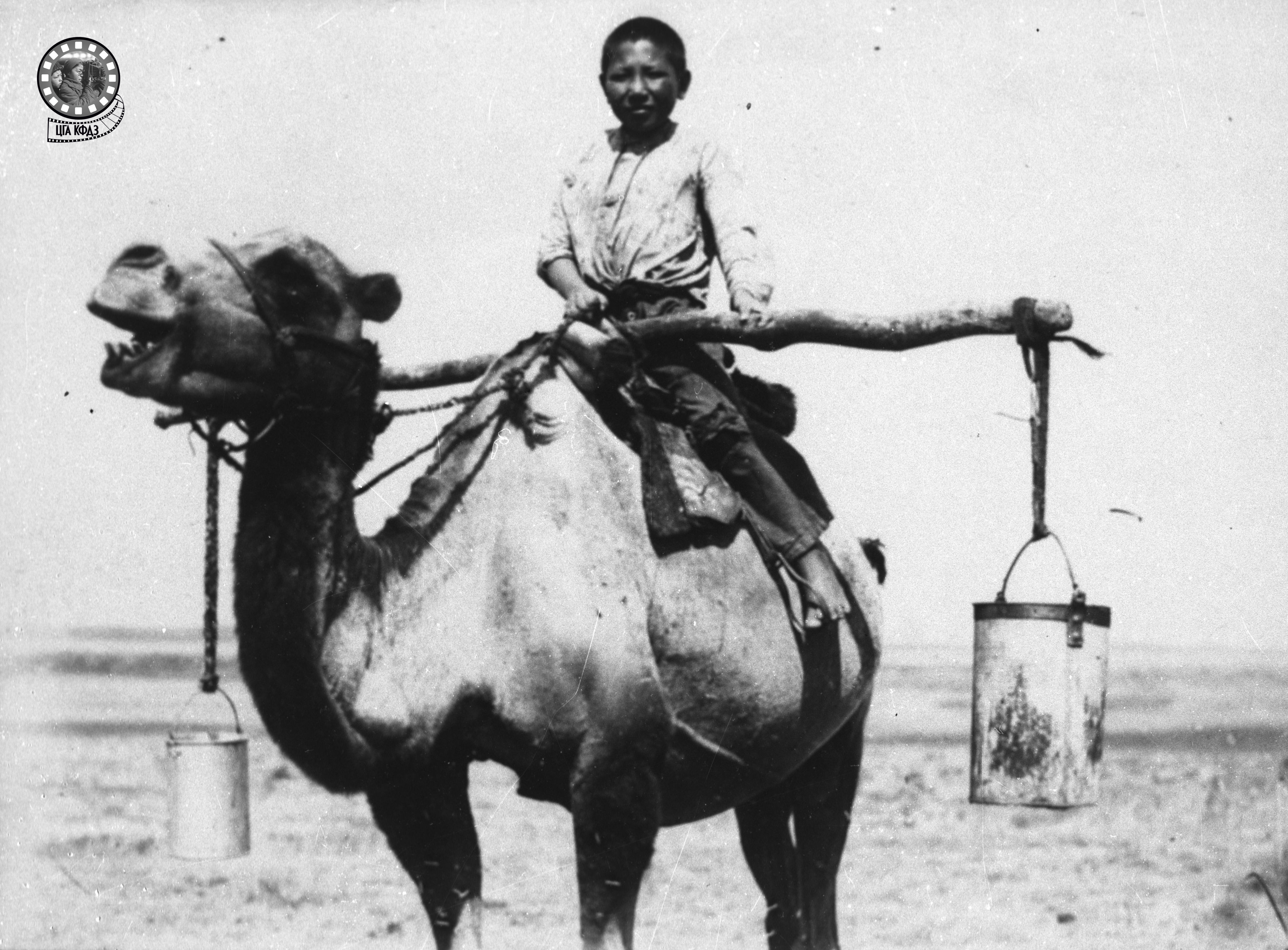
Water delivery to a village in summer. Personal collection of D.P. Bagayev. Pavlodar region, 1920.
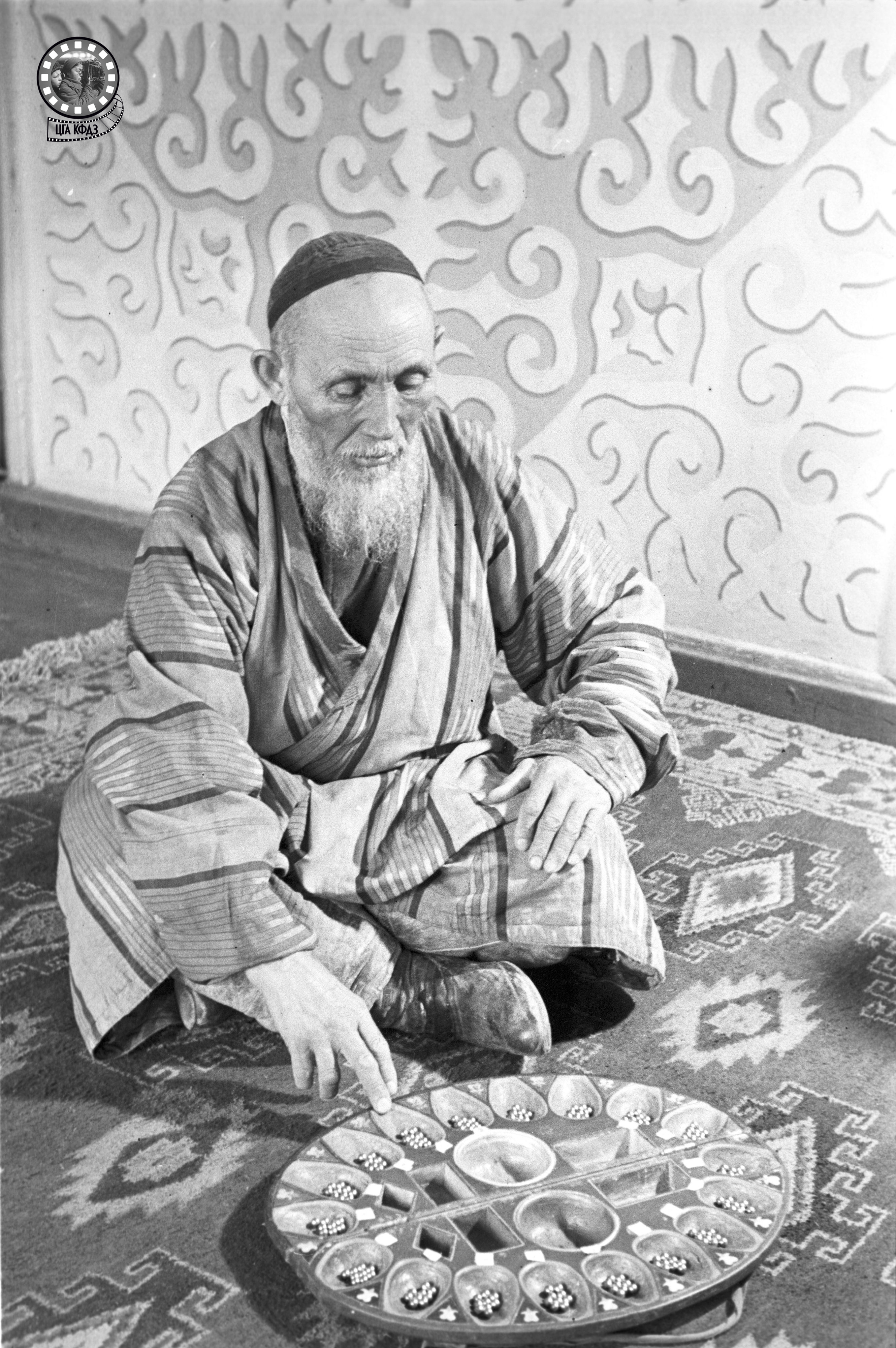
The 3rd Republican Championship in the Kazakh national game "Toguz-Kumalak" has concluded. Pictured: winner of the competition, S. Saurykov, a collective farmer from the Kok-Uzek agricultural cooperative in the Sverdlovsk region. Dzhambyl Region, 1950.
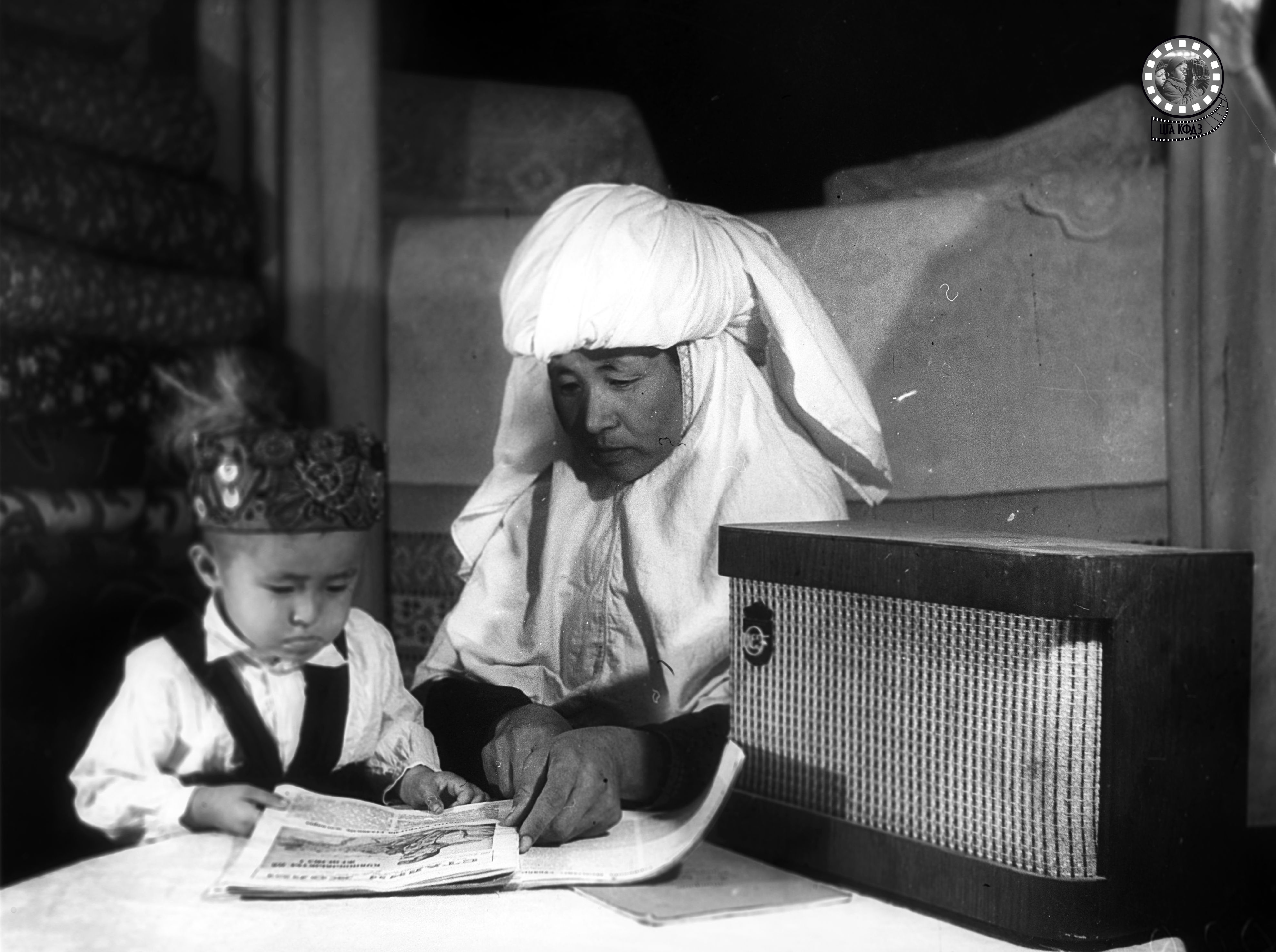
Nurila Burlibaeva, a collective farmer from the Stalin collective farm in the Taldykorgan district, with her son. Taldykorgan region, 1951.
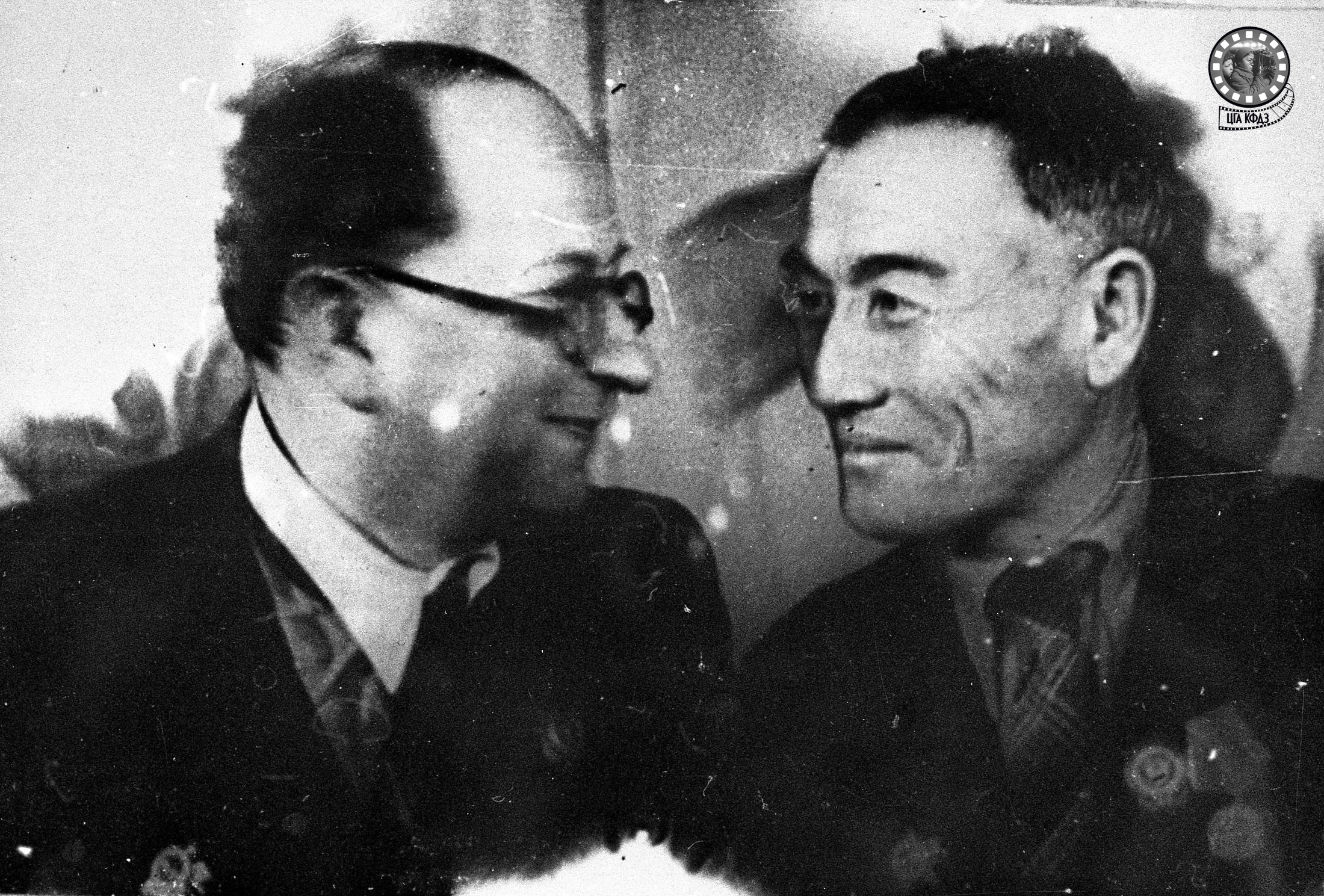
Mukhamedkhanov Kayym and Berkimbaev Estai (left), author of the famous song "Kusni-Korlan". Semipalatinsk, 1938
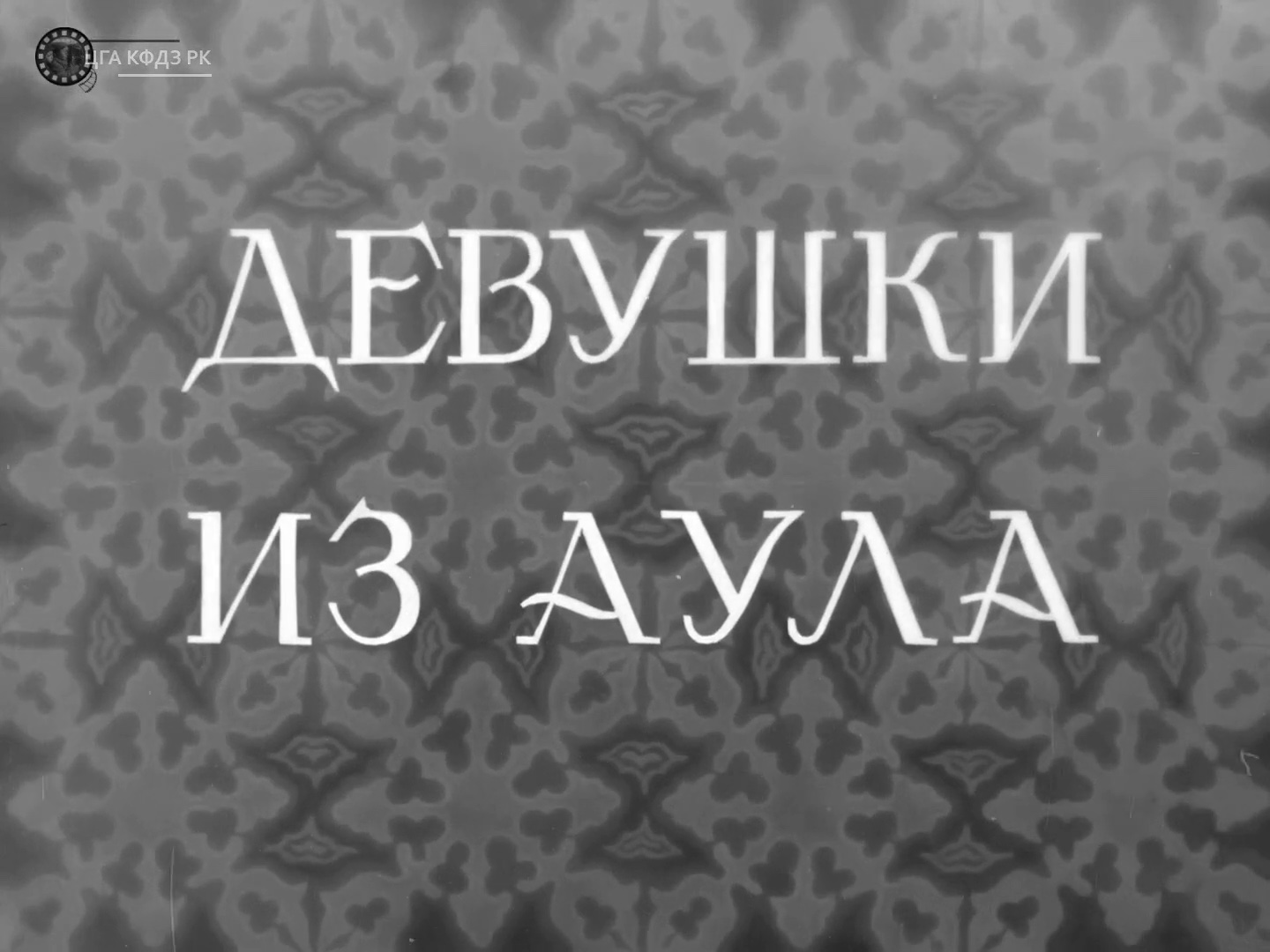
The film tells the story of the Kazakh State Women's Pedagogical Institute (ZhenPI). It features classrooms and laboratories, student classes, a student group performing at the Republican Amateur Art Festival, and a meeting between the institute's faculty and students and the Prime Minister of Burma, U.N.
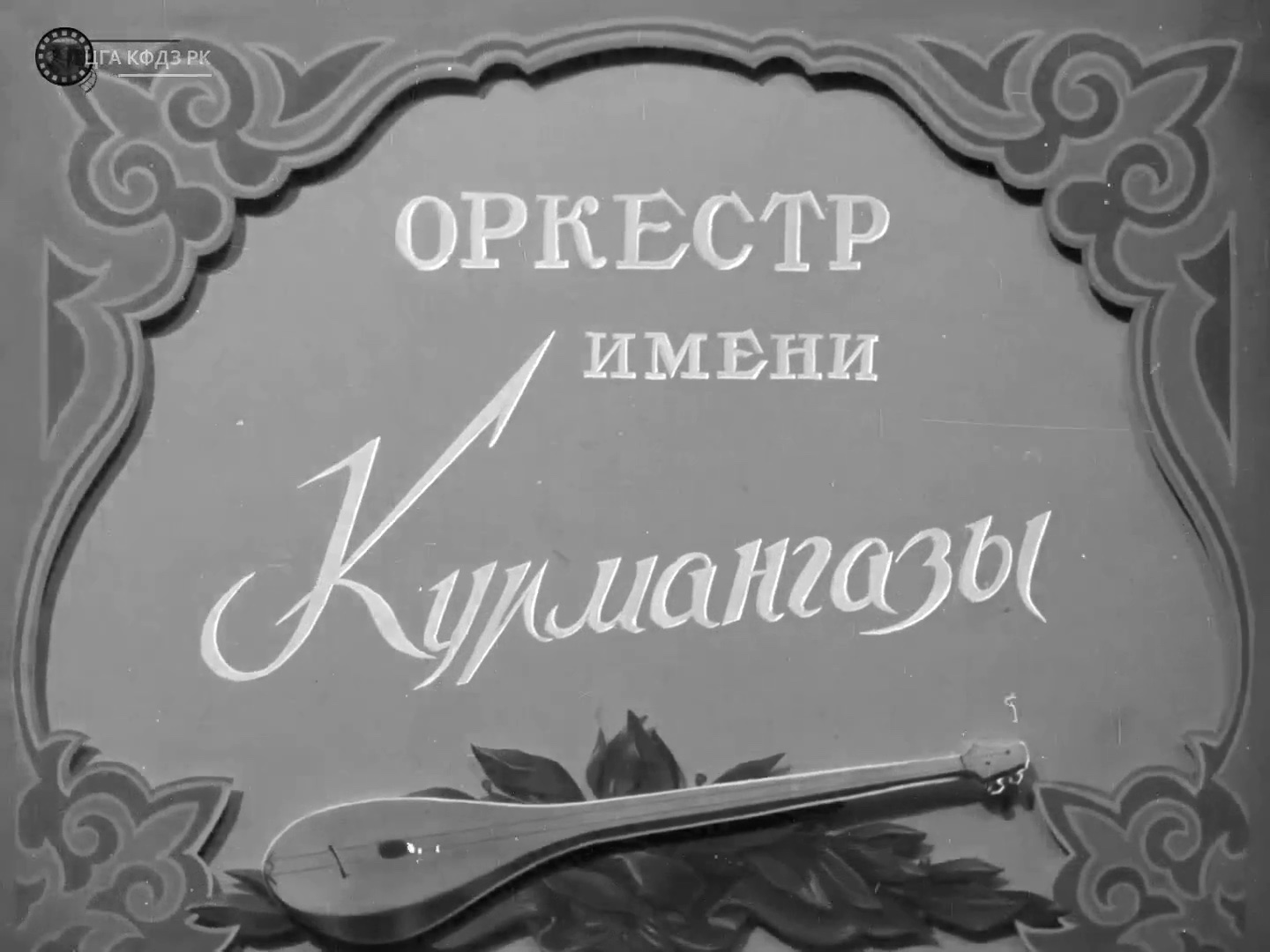
The film features composers and musical masters who created the high musical culture and masterful performance of the Kurmangazy Folk Instrument Orchestra. Footage shows the orchestra performing under the baton of conductor Sh. Kazhgaliev. Alma-Ata Film Studio of Feature and Newsreel Films, 1955.
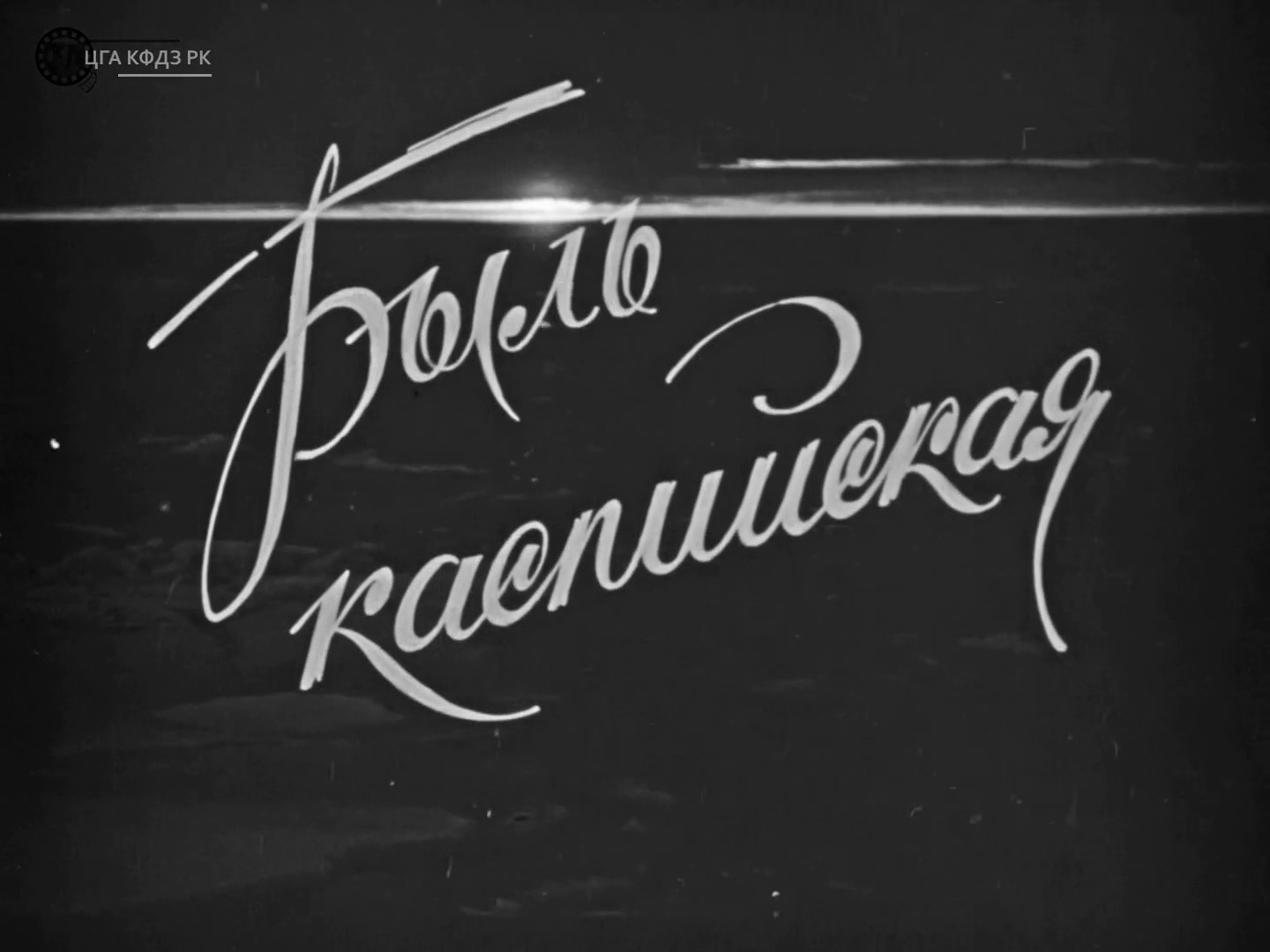
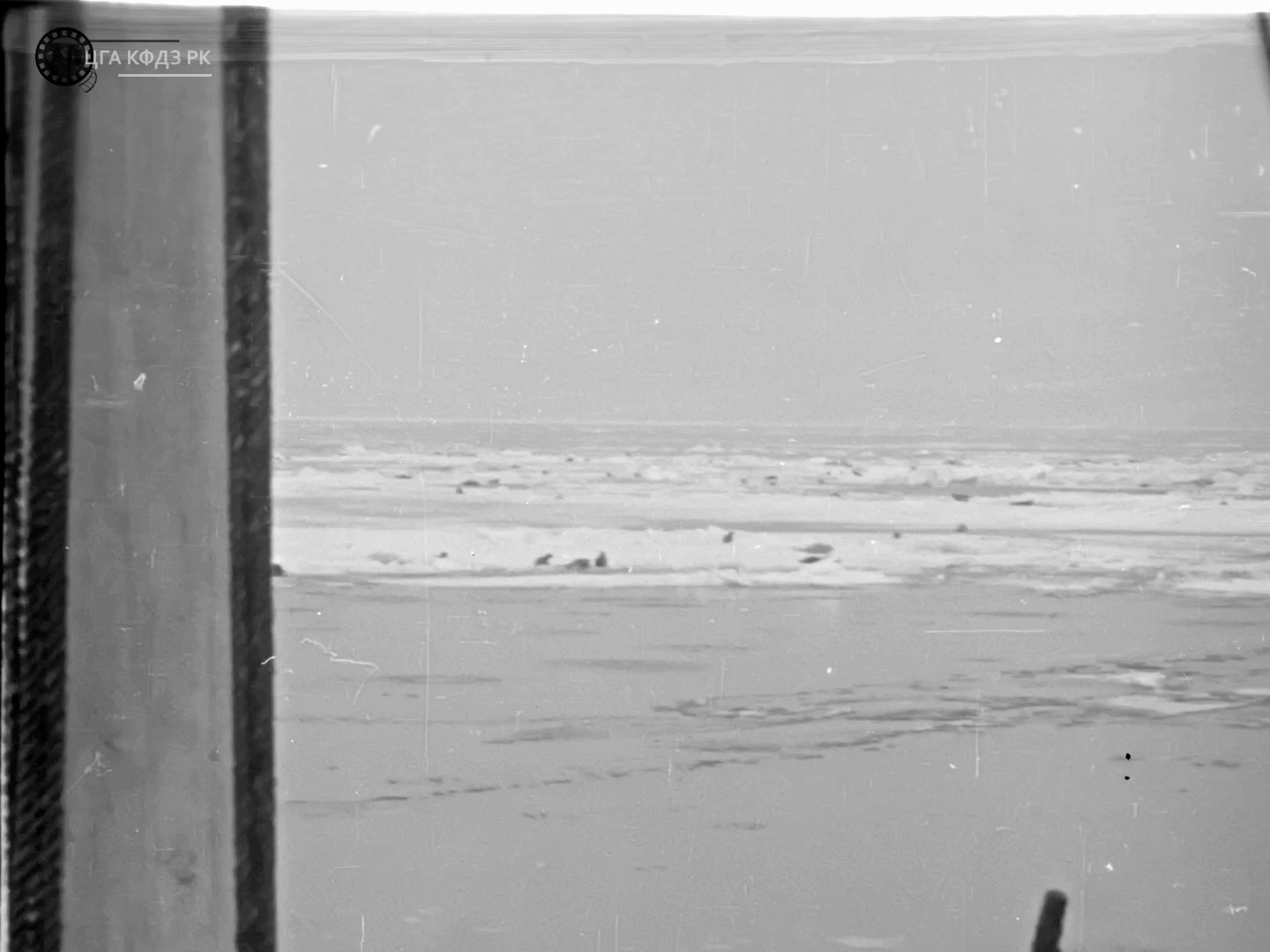
A film about the seal trade in the Caspian Sea. The film's protagonist is an old seal hunter, M.E. Donskov, director of the Bautinskaya sealing station. He narrates the seal hunters' customs and the dangers they face, with unique footage of the hunt in the background. Alma-Ata Film Studio of Feature and Newsreel Films; 1958.
A film about the seal trade in the Caspian Sea. The film's protagonist is an old seal hunter, M.E. Donskov, director of the Bautinskaya sealing station. He narrates the seal hunters' customs and the dangers they face, with unique footage of the hunt in the background. Alma-Ata Film Studio of Feature and Newsreel Films; 1958.
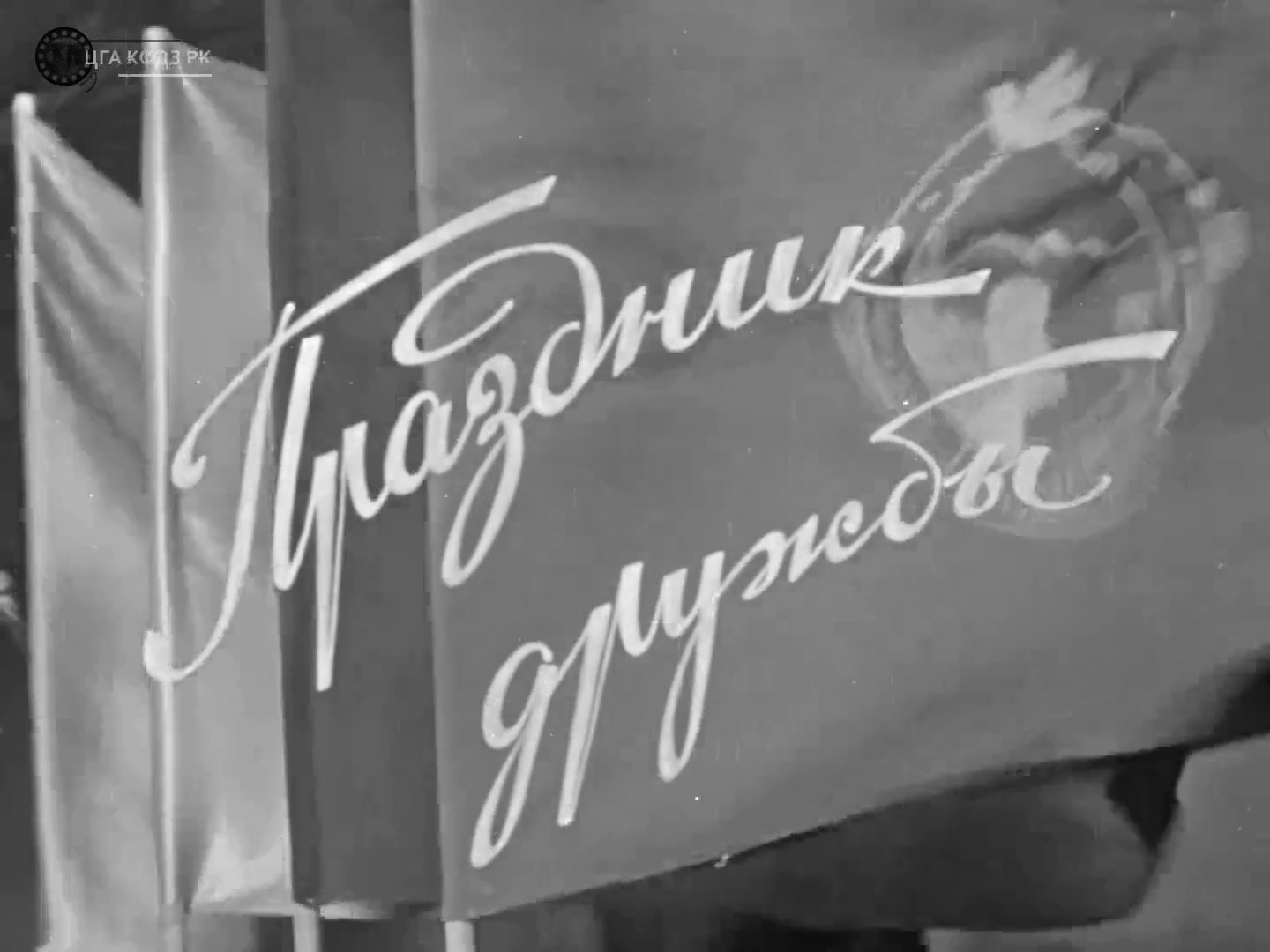
The film tells the story of the youth festival in Alma-Ata. Footage includes the festival's grand opening, a festive demonstration, festivities in Gorky Park, and concerts by amateur art groups. Among the guests is Amina Mametova. Alma-Ata Film Studio of Feature and Newsreel Films; 1957.
The film tells the story of the youth festival in Alma-Ata. Footage includes the festival's grand opening, a festive demonstration, festivities in Gorky Park, and concerts by amateur art groups. Among the guests is Amina Mametova. Alma-Ata Film Studio of Feature and Newsreel Films; 1957.