From East to West: The Phenomenon of Artisan Dolls in Kazakhstan
The art of designer dolls in Kazakhstan is gradually expanding beyond mere craftsmanship and is increasingly asserting itself as an independent movement in contemporary visual culture. These works combine handcraft, artistic vision, individual style, and the artist's personal story. Each doll becomes more than just an object, but a holistic artistic expression, emphasizing form, material, character, and inner meaning. This is why interest in this movement is growing not only among the artists themselves but also among viewers, who are beginning to perceive designer dolls as a unique art form capable of communicating with the viewer through images, emotions, and cultural associations.
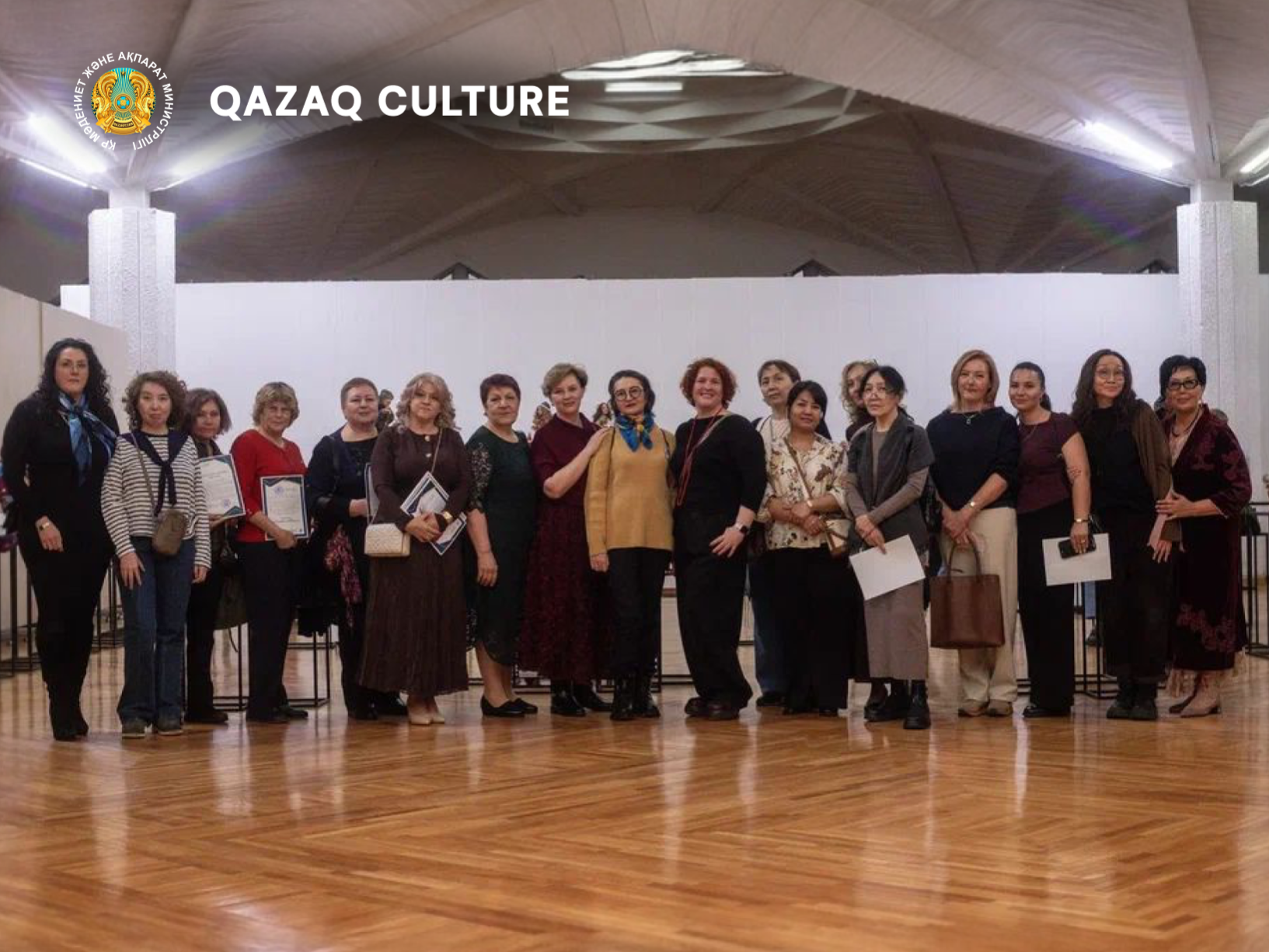
One of the venues shaping this space in Kazakhstan is the Art Dolls Collection kz exhibition, which has already become a tradition and annually brings together artists from across the country. This year's exhibition, themed "From East to West," featured over one hundred works executed in a wide variety of techniques and artistic approaches. The exhibition once again demonstrated how diverse, multilayered, and meaningful the art of designer dolls can be when viewed not as an applied art form, but as a fully-fledged part of the artistic process. We spoke with exhibition organizer Tatyana Fisenko about the development of this art form and the significance of such projects for Kazakhstan's cultural environment.
– Why was the theme "From East to West" chosen for the exhibition?
– This theme is directly linked to the geography of our participants. Artists from various regions of Kazakhstan are participating in the exhibition – from Astana, Pavlodar, Zharkent, Shymkent, and other cities. We wanted to highlight this cultural and territorial diversity, to show how differently designer dolls can develop depending on the artist's experience, artistic vision, environment, and personal aesthetic. At the same time, all these different artistic voices come together in a single exhibition space, creating a vibrant, coherent dialogue.
For us, the title "From East to West" became more than just the theme of a single exhibition, but a broader concept. We strive to hold the project annually during Nauryz, and over time, it will become a recognizable venue associated with the unification of artists from across the country. This means it's no longer just about geography in the literal sense, but also about the idea of cultural connection, an internal artistic journey that represents different regions, different schools, and different creative approaches.
– How is the exhibition put together, and what are the principles for selecting the works?
– This year, the exhibition featured approximately 120 works, executed in a wide variety of techniques and artistic approaches. For us, strict curatorial restrictions are not as important as creating an open platform where artists can present themselves and be seen. We deliberately avoid overly strict selection because we want to preserve vibrant diversity and give a voice to different artists.
The exhibition is organized as follows: we announce a call for participants, and the artists themselves decide whether to participate. We also personally invite some artists, as not everyone follows the announcements and may see information about the exhibition in a timely manner. As a result, the project combines both an open application process and personalized curatorial attention to artists already working in this field.
Our main principle is to view dolls as an art form. We don't make a strict selection based on a single criterion—whether technique, style, or literal relevance to the theme. What matters to us is the artist's artistic expression, the artist's individuality, the figurative integrity of the work, and the artist's desire to engage in dialogue with the viewer. This, perhaps, is the most valuable aspect. There are no random works in the exhibition. Each doll embodies character, mood, history, and the artist's vision. And it is precisely this diversity that makes the exhibition vibrant and truly artistic.
— To what extent does this exhibition help discover new artists and make the art of designer dolls more visible in Kazakhstan's cultural landscape?
— Certainly, for us, the exhibition is, first and foremost, an opportunity to make artists more visible and help them make a name for themselves. Participants come here not only to display their work but also to reach a wider audience, receive feedback, and feel that their work is truly interesting and relevant. Journalists attend the exhibition, publications appear, and the artists comment, which, of course, increases their visibility. After receiving such material, the artists often receive new contacts, offers, commissions, and renewed interest in their work.
It's important for us not only to exhibit dolls but also, if possible, to tell the story of each artist. Therefore, I always encourage participants to share the stories behind their work, discuss their technique, inspiration, artistic concept, and how the image was born. This is all voluntary, of course, but when an artist is open to open discussion, it helps viewers gain a deeper understanding of their work and see the living person behind the work, their inner world, and artistic exploration.
Of course, for some artists, the exhibition also becomes an opportunity to find a buyer, because for many, this is an important aspect of their professional lives. But the primary focus here isn't commerce, but creativity, inspiration, and a professional environment. This exhibition is also essential for the artists as a space for communication. Once a year, we meet, see each other, share experiences, support each other, discuss new ideas, and simply feel part of a united community. For us, this is truly a celebration and an important point of support.
– Works on national, historical, and cultural themes are particularly prominent in the exhibition. Why, in your opinion, do the artists so often turn to these images?
– This is largely due to the fact that the exhibition was held during Nauryz—a time when the connection with traditions, cultural heritage, and national identity is especially keenly felt. Naturally, the artists strive to reflect these very meanings in their works, showcasing the richness of Kazakh culture, its symbolism, distinctive images, recognizable details, and emotional atmosphere.
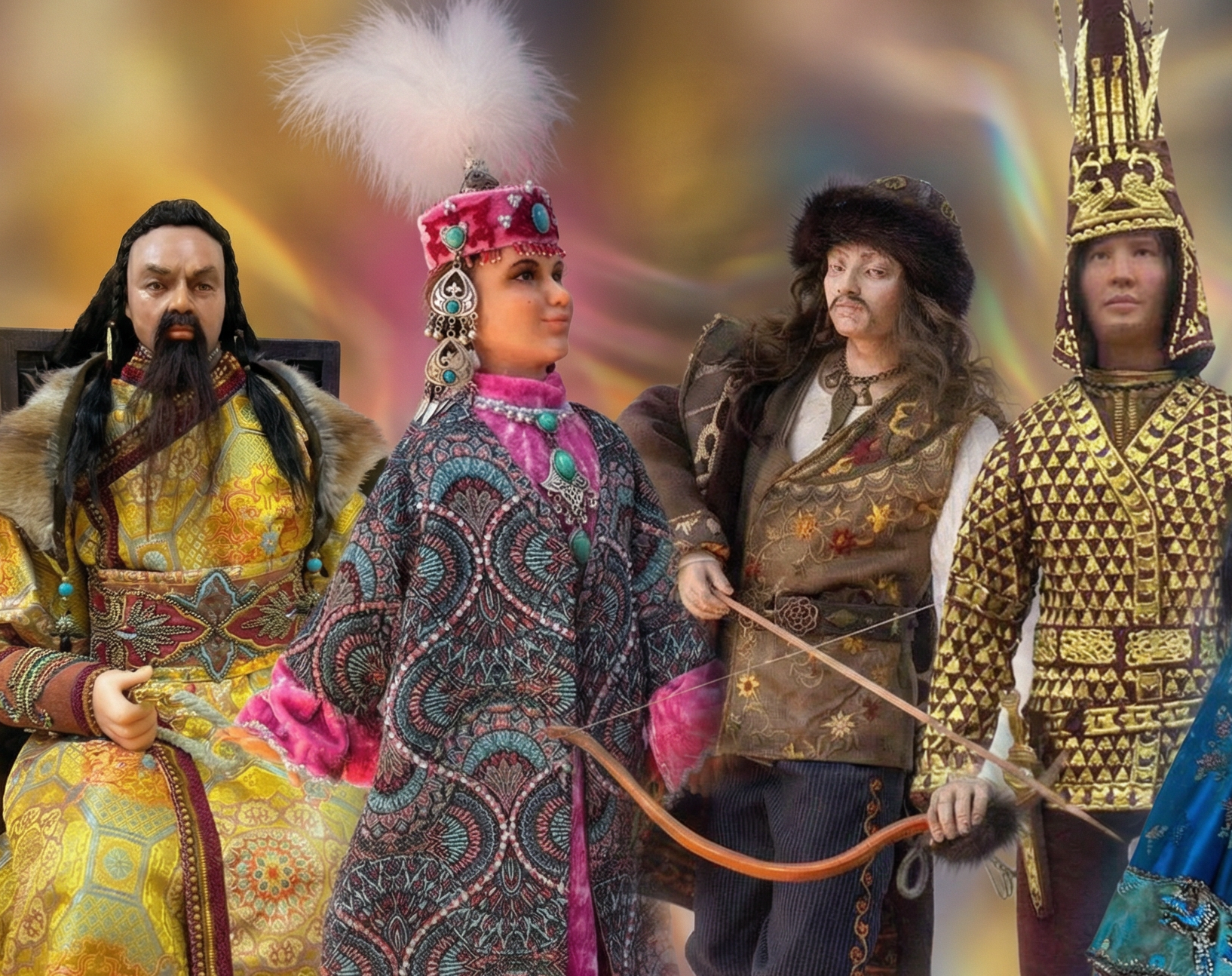
Through puppetry, the artists reinterpret historical and cultural themes, exploring the images of batyrs, famous personalities, heroines, and traditional figures. These aren't just decorative solutions. They're a way to communicate culture through visual language, making it more relatable, understandable, and emotionally accessible to the viewer. Sometimes, a single doll can convey more than a lengthy description, because the image immediately evokes associations, triggers an internal response, and helps one feel a connection to the past.
It's especially important that such works attract the interest of the younger generation. Children, coming to the exhibition, learn about the history, traditions, and culture of their country through artistic images. In this sense, the designer doll becomes not only an art form but also a tool for cultural education. It helps us speak about complex issues gently, figuratively, and accessibly, and this is invaluable.
– How do you see the future of designer doll art in Kazakhstan?
– I'm confident that designer doll art has a future in Kazakhstan, and it will continue to develop. We're already seeing keen interest from viewers. People come to exhibitions, carefully examine the works, leave reviews, share their impressions, contact the artists, and purchase their pieces. This means that this movement is truly resonating and is gradually becoming more prominent.
The artists themselves are also interested. For them, it's a space for self-realization, inspiration, professional growth, and inner freedom. Even if sales are the primary focus for some, the foundation of this art is still craftsmanship, the artist's vision, skill, and individual style. Each doll is a unique work, invested in time, experience, attention to detail, and the artist's personal story. This is what makes such works vibrant and inimitable.
I believe that the designer doll can already be considered part of the contemporary art scene. It's a vibrant, developing movement that unites decorative and applied arts, sculpture, textiles, design, and the artist's interpretation of an image. And the more such exhibitions there are, the more visible and confident this art will be in Kazakhstan's cultural scene.
It's important to understand that organizing such projects requires a great deal of effort. Currently, we have no financial or charitable support, and the exhibition is being implemented using our own resources. My colleague Alisa and I are working on this project, although we are also participating in the exhibition. This is work that requires time, effort, organizational commitment, and a great deal of inner enthusiasm.
But despite all the difficulties, we continue to develop this project because we see genuine value in it – for the artists, for the audience, and for the cultural environment as a whole. We want more and more artists from all over Kazakhstan to join us each year, so that this community can expand, strengthen, and become more visible. And I believe this direction truly has great potential.