WELCOME TO KAZAKHSTAN

An unforgettable adventure awaits you

8

On April 8, 2024, the 170th anniversary of the birth of composer and performer of kyuis Kazangap Tlepbergenuly (1854-1921) is celebrated.

Album Art

Culture of the Great Steppe

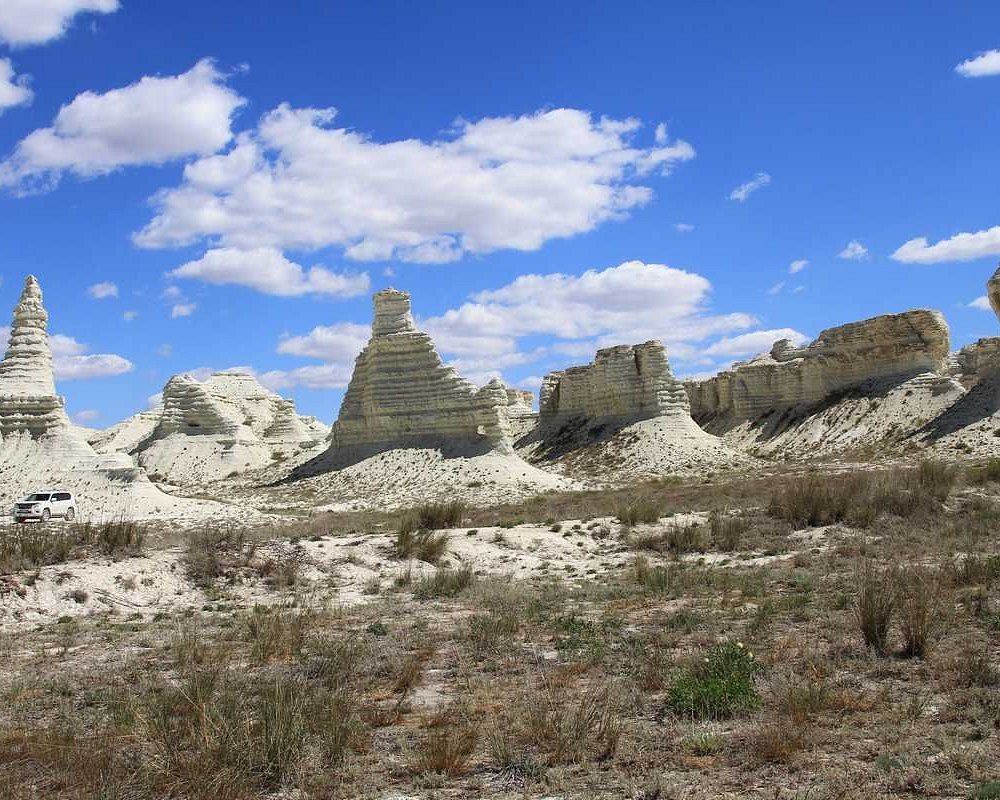
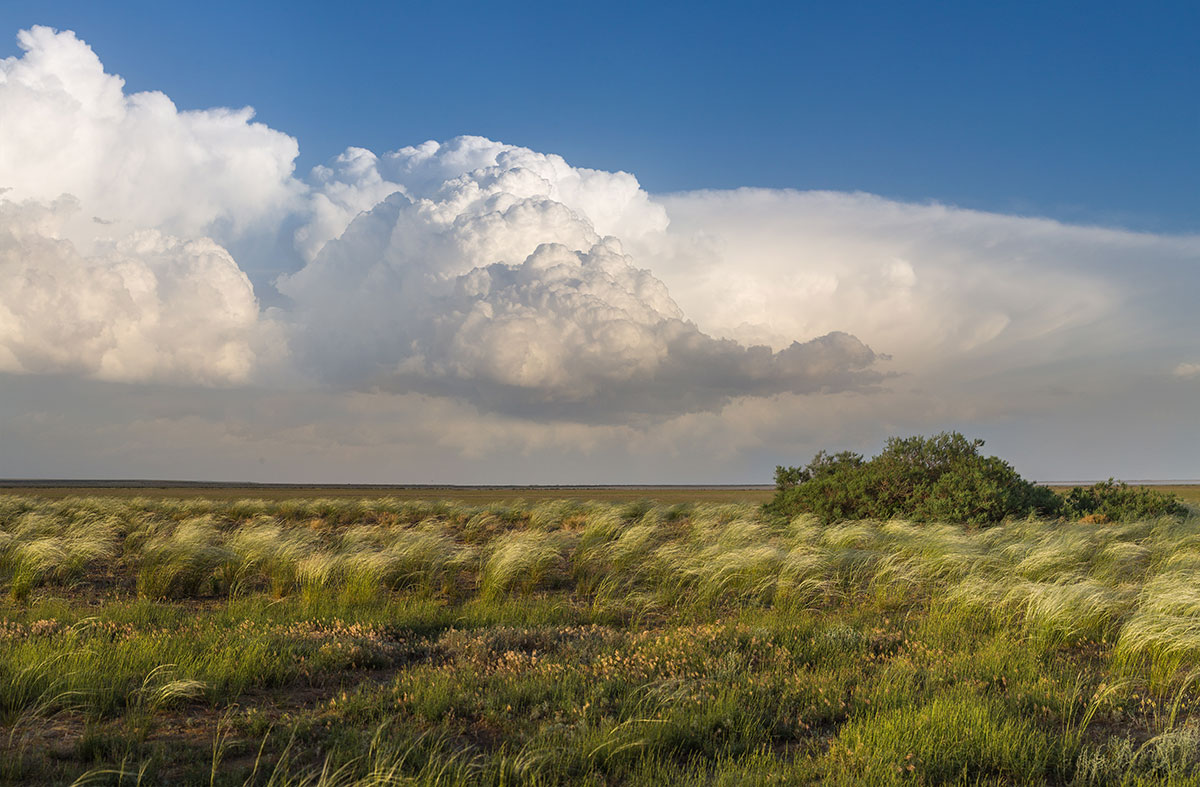
Kazakhstan is located in the heart of Eurasia - at the intersection of key transportation routes. For millennia, the country's territory has served as a connecting bridge between the East and the West. Its strategic position has facilitated not only the active growth of trade but also the exchange of cultural and scientific achievements. The Great Silk Road passed through the lands of modern Kazakhstan. Caravans transported furs, gold, spices, and silk. Since ancient times, the vast steppes have united peoples and preserved many valuable artifacts. The word of Turkic origin 'Kazakh' means 'Free man,' and Kazakhstan is a country historically inhabited by freedom-loving nomads. At various stages of history, unique civilizations arose and developed here, and their heir is the modern state with a rich past and a multicultural heritage
ARTICLES

National clothing is a reflection of the history and traditions of the people

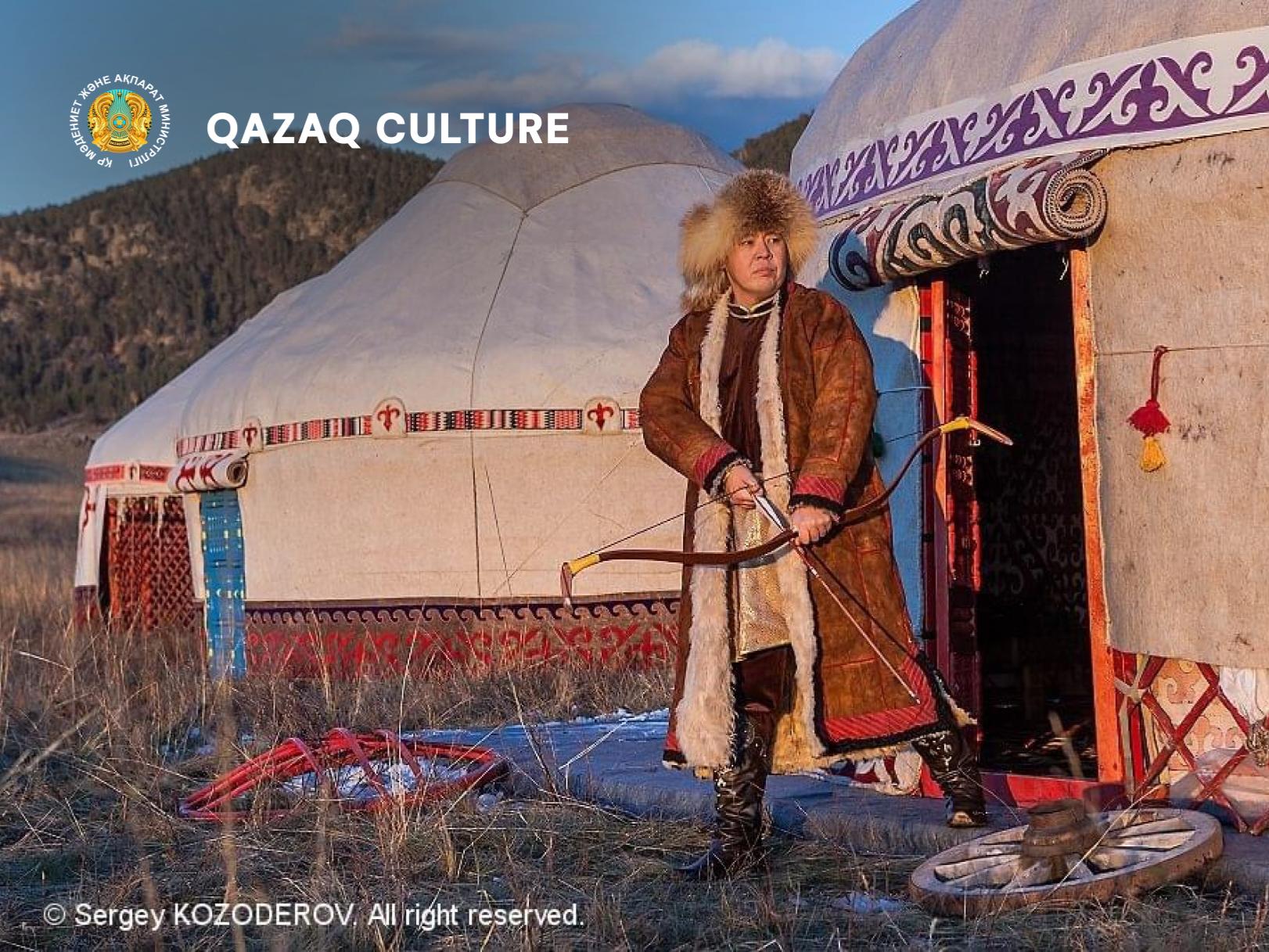
National Costume Day is one of the special days of the Nauryznam decade. Designer Sandugash Alibekova notes that national costume represents a whole world with deep meaning and great educational potential. In an interview, she discussed her creative path, the place of national dress in modern society, and the values ​​it can pass on to the younger generation.– Sandugash Tolymbekovna, why did you choose this profession?– As a child, I dreamed of becoming an artist or singer. However, my father disapproved of this path and steered me in a different direction. Although my childhood dream remained with me, my passion for the stage still kept me close to art. During quarantine, I was able to realize myself in a new way. When artists were temporarily unable to perform on stage, I began sewing masks for those in need and doing charity work. My efforts did not go unnoticed. The President of the country awarded me the "Khalik Algysy" badge. This recognition confirmed for me that I had chosen the right path. Nevertheless, my love for art still lives in my heart. I occasionally take vocal lessons, sing with artists, and continue to support the creative community.– What are the main responsibilities of a designer?– Even before entering university, I began learning sewing and, through practical experience, simultaneously mastered three disciplines: the creation of an idea, its design, and its full implementation into a finished product. At first glance, it may seem like a single profession, but in fact, it encompasses several specializations, and most people don't distinguish between them.A designer is the creator of an idea, who conceives the style, image, and meaning of clothing. A designer transforms this idea into a concrete form, creating drawings, patterns, and measurements. A tailor brings the design to life, carefully assembling all the details. A couturier is a designer in the world of haute couture, creating exclusive and unique handmade pieces. A costume designer works in theater, film, or concerts, and is responsible for finished costumes, their storage, and assembly. On stage, we automatically become costume designers because we create not just clothes, but an image: through costume, we convey the character's personality, their era, and their mood.Therefore, calling us only seamstresses is to see only part of our work. Our work begins with an idea and ends with an image that comes to life on stage.– Can you talk about the role of national dress in society?– National dress is a treasure that reflects the spiritual essence and cultural identity of our people. Today, it goes beyond formal attire and is becoming part of everyday fashion. It cultivates tenderness and modesty in young women, and prudence and restraint in men. Contemporary designers skillfully combine traditional patterns and silhouettes with contemporary style, giving clothing a new meaning. In this way, they connect the past and the present, preserving the cultural identity of the nation.– What significance does this holiday have for you?– National Dress Day has special significance for me. I am sincerely proud of my people, my native language, culture, traditions, and my native land. Although I was educated in Russian, it was my upbringing and the life principles instilled in me by my parents that became my greatest inspiration. My father is the writer and satirist Tolymbek Alimbekuli, and my mother is the journalist Gulnar Rysbekova. My worldview, knowledge, and personality were shaped by their upbringing.Therefore, for me, national dress is more than just a stage persona. It reflects my inner essence, my roots, and my true self. Every time I wear national dress, I feel not only beautiful but also a true Kazakh woman. This is my conscious choice, my pride, and my life principle.– What makes Kazakh traditional costumes unique?– You can indeed see many similarities in the clothing of Turkic-speaking peoples. This reflects their shared origins, similar ways of life, and worldview. But the main characteristic of Kazakh national dress is its adaptability to life on the steppe and its vivid expression of the spirit of freedom. Kazakh clothing is a reflection of the nomadic way of life. It's spacious, comfortable, and harmonizes with nature. Its colors are dominated by soft, natural hues. The wide cut of the shapan evokes the boundless expanses of the steppe, while the natural materials emphasize humanity's close connection to the land.– What values ​​can be conveyed through national clothing?– National clothing is a kind of calling card for a nation, reflecting its identity. In the age of globalization, people are once again turning to national motifs to preserve their roots. This is a manifestation of a nation's inner need to preserve itself. For Kazakhs, the shapan, kamsol, and saukele are parts of a single national code. Through them, they can convey respect for the heritage of their ancestors, national identity, and spiritual continuity to the youth.Even though the world may change and technology may develop, language, traditions, and clothing continue to preserve a nation as a nation. A person with a deep knowledge of the language, religion, culture, and customs of their people will never be left without roots. Those who have come to know themselves and their essence will not lose their bearings and will preserve their values.Be proud of your people, respect your language, and keep your traditions in your hearts. Wherever you are, preserve your identity and uphold the high spirit of your national culture.

Regions and places to visit

Discover the best places to visit in Kazakhstan. Explore the regions and find out what makes them unique.

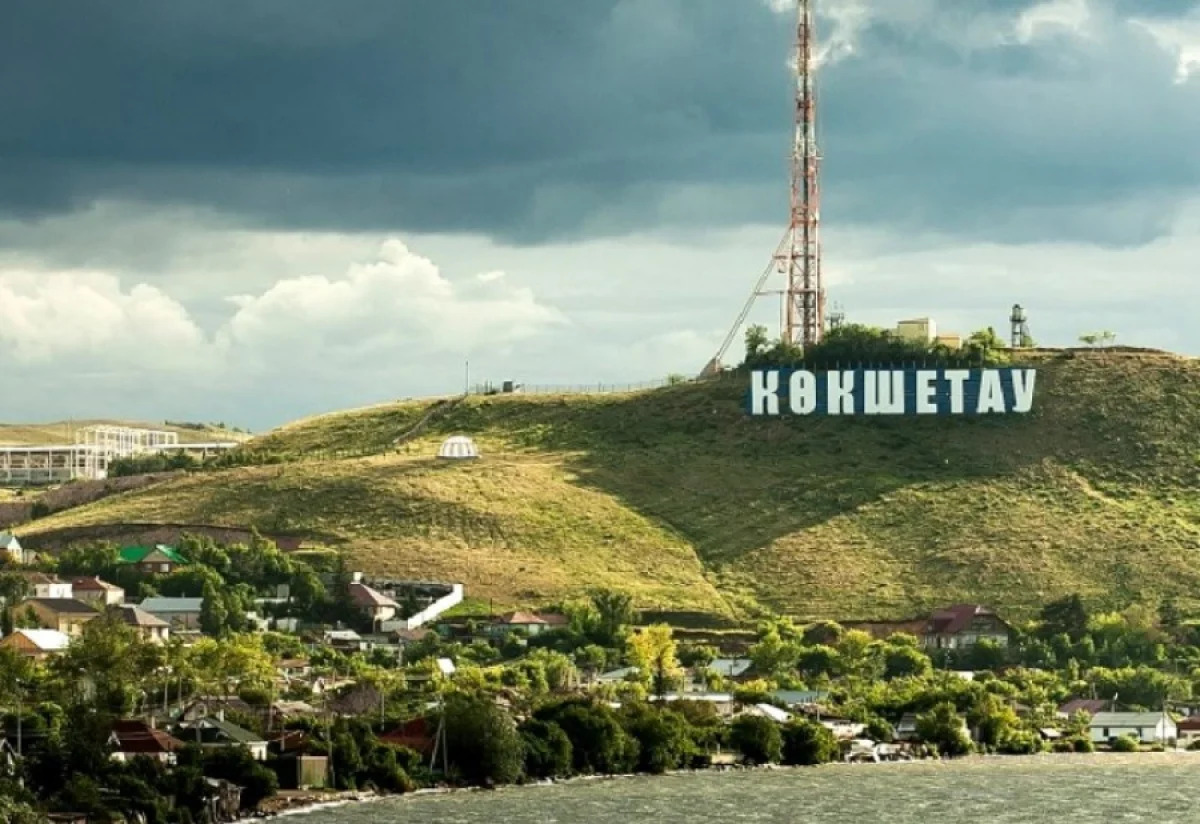
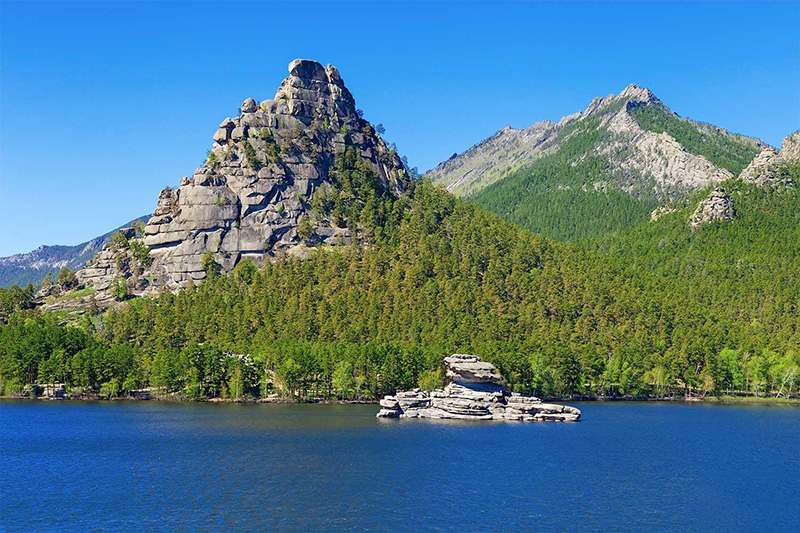
Akmola region

Akmola region is one of the largest and most developed regions of Kazakhstan and ranks ninth in size. It borders with Kostanai region in the West, North Kazakhstan region in the North, Pavlodar region in the East and Karagandy region in the South.
Read more →

Heritage

card

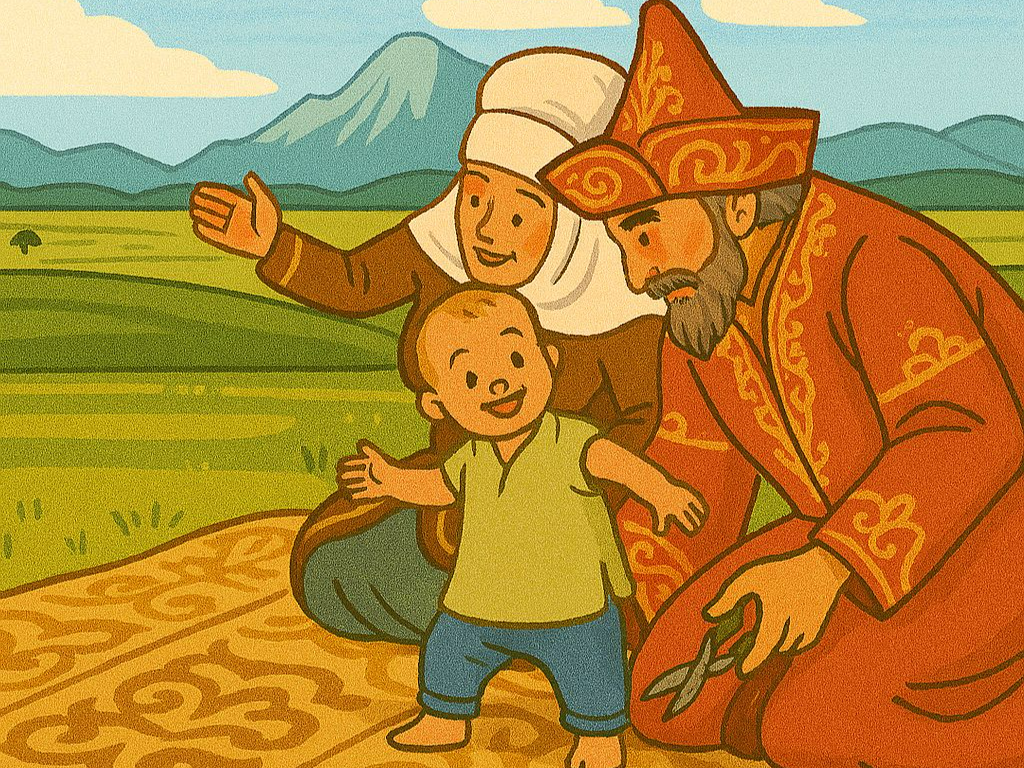
CUSTOMS AND TRADITIONS

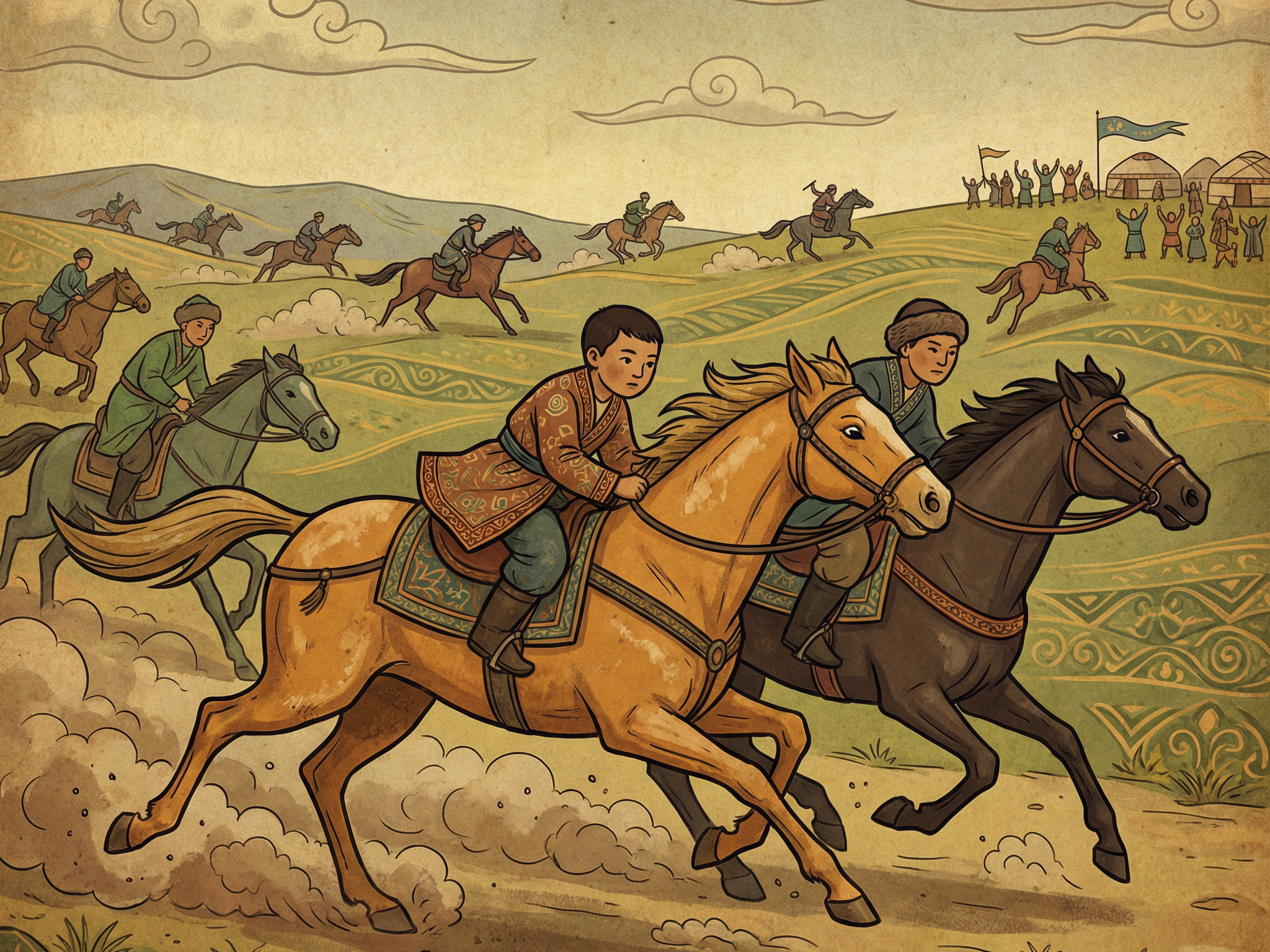
This section contains unique customs and traditions of the Kazakh people - rituals, holidays, folk crafts and family values passed down from generation to generation.

Read more →
card

CHILDREN'S LITERATURE

The world of Kazakh children's literature reveals a wealth of folk legends and heroic stories to young readers. It contains Kazakh myths, poems about batyrs, and other works that bring ancient legends, the courage of heroes, and the wisdom of ancestors to life. These texts help children experience the beauty of their native culture and connect with the people's spiritual heritage.

Read more →
card

ABOUT KAZAKHSTAN

In this section, the users will find information about the development and prospects of Kazakhstan

Read more →
card

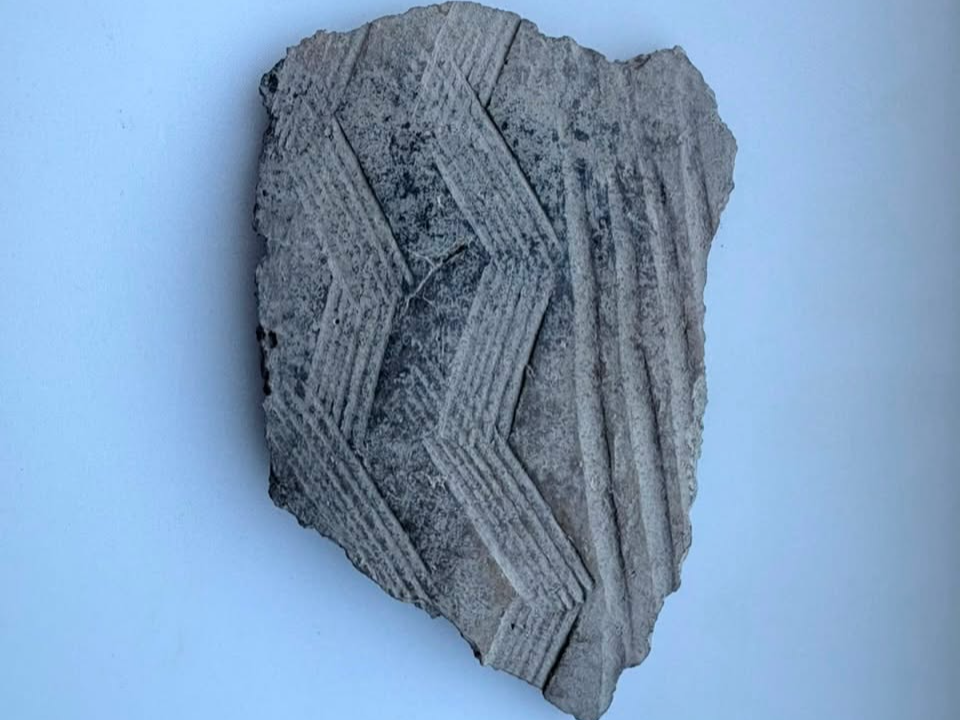
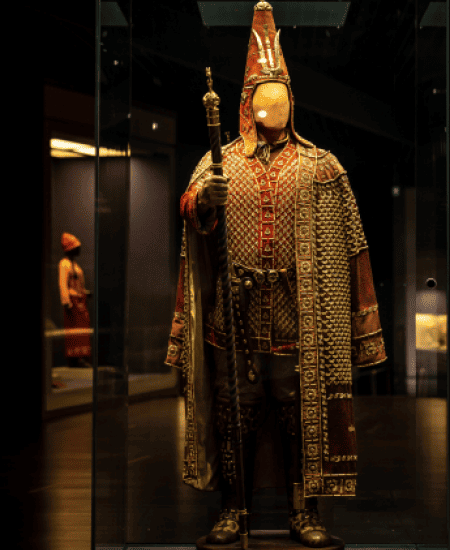
HISTORY

In this section, there is an opportunity to immerse yourself in the rich cultural heritage of Kazakhstan

Read more →
card

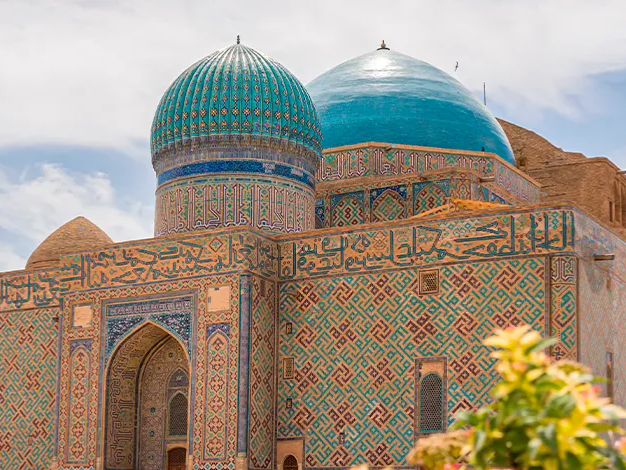
UNESCO HERITAGE

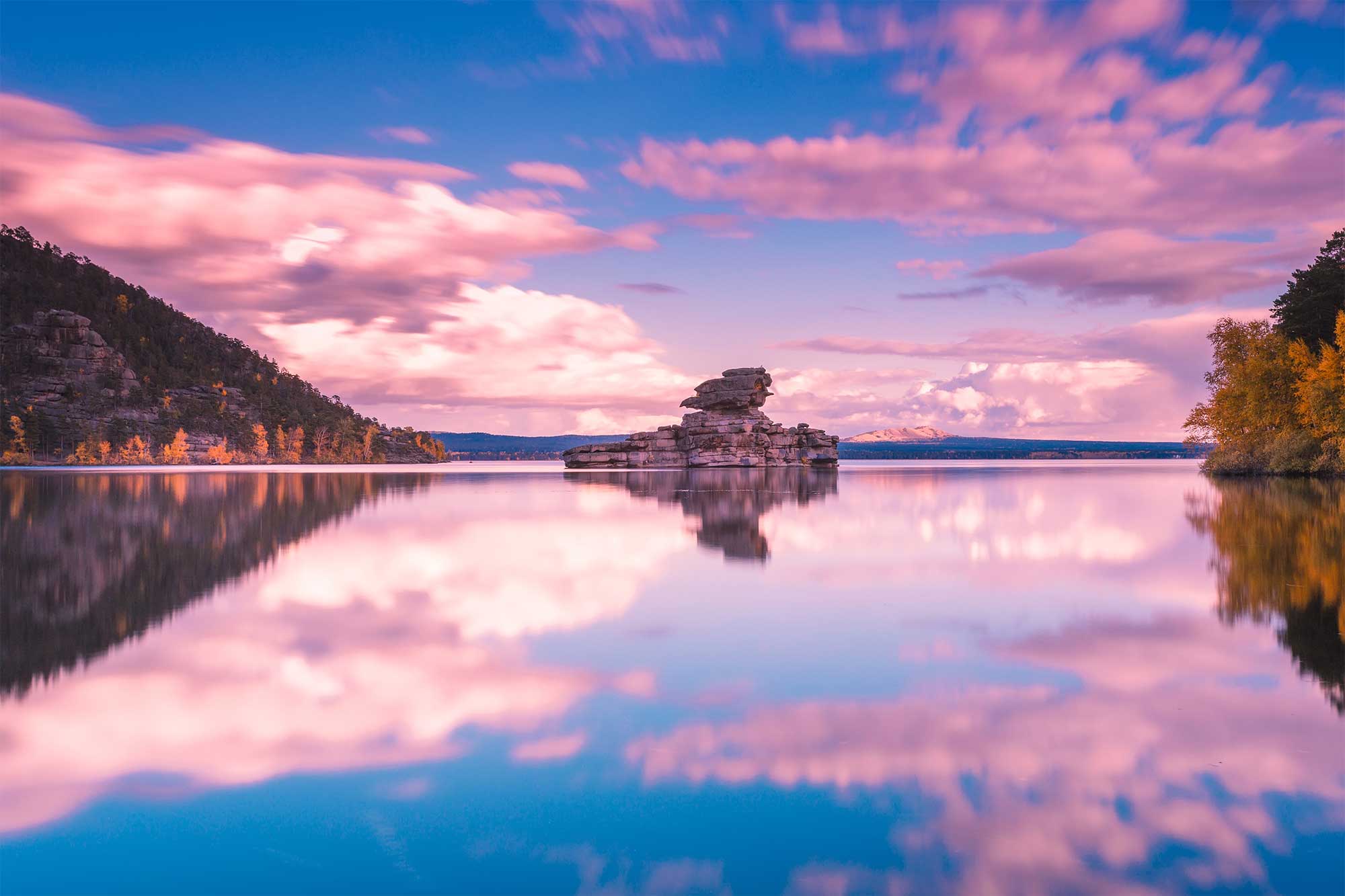
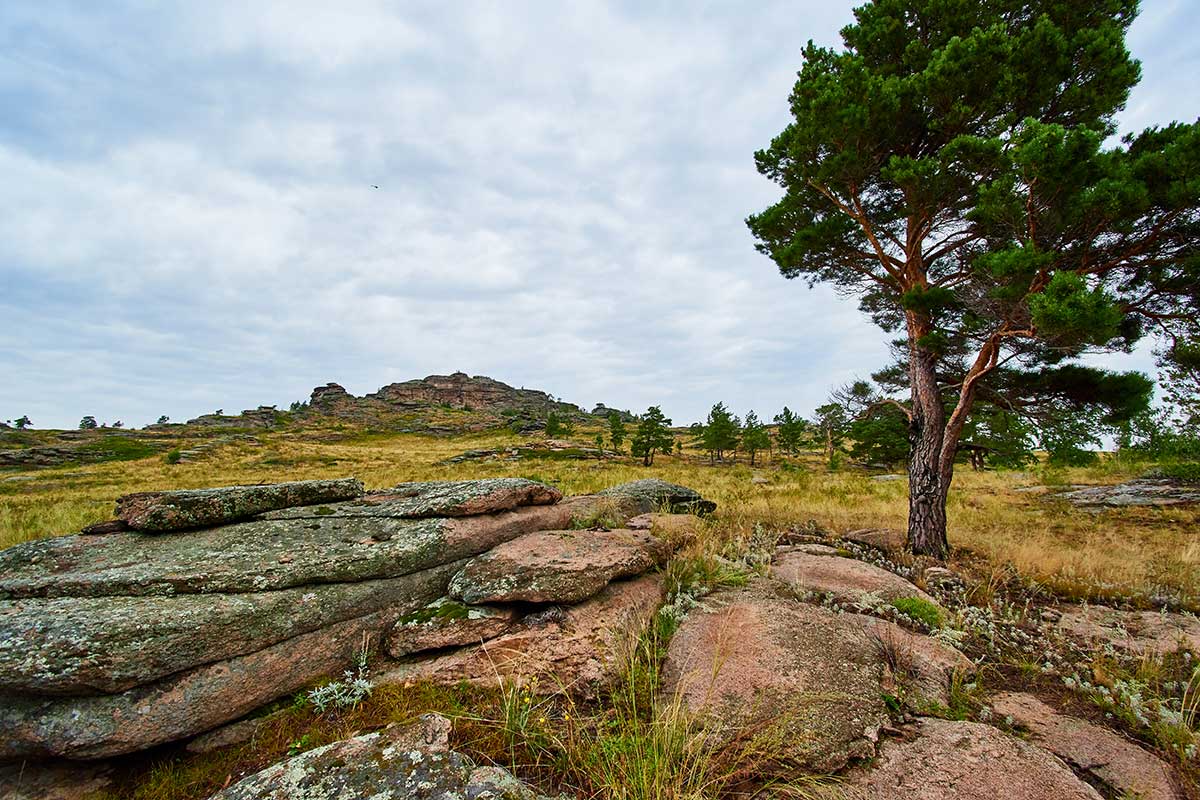
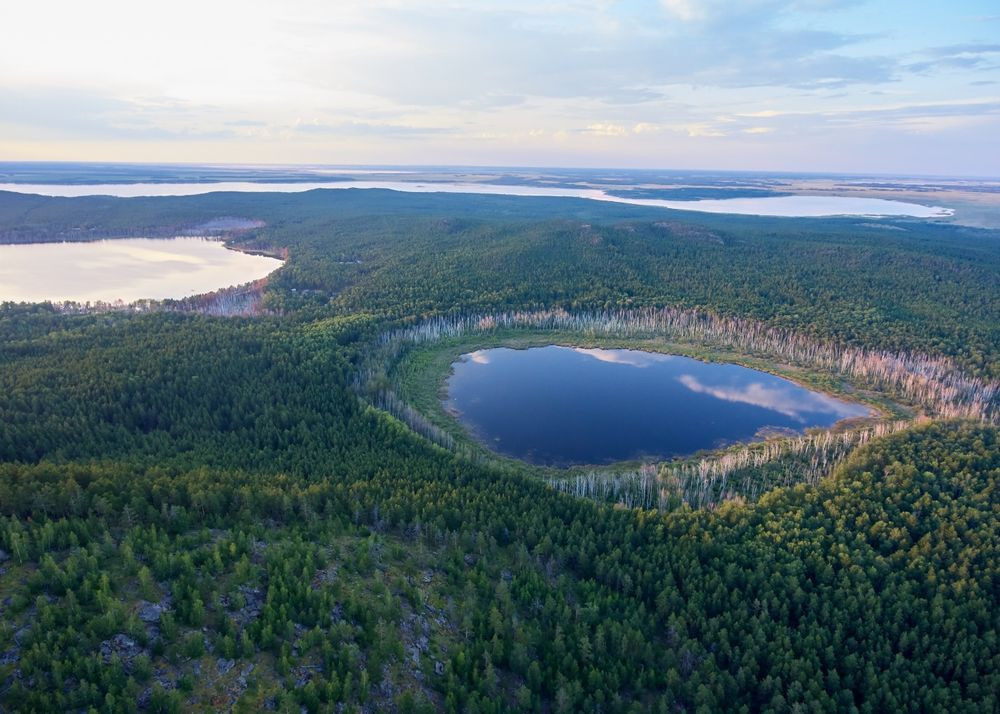
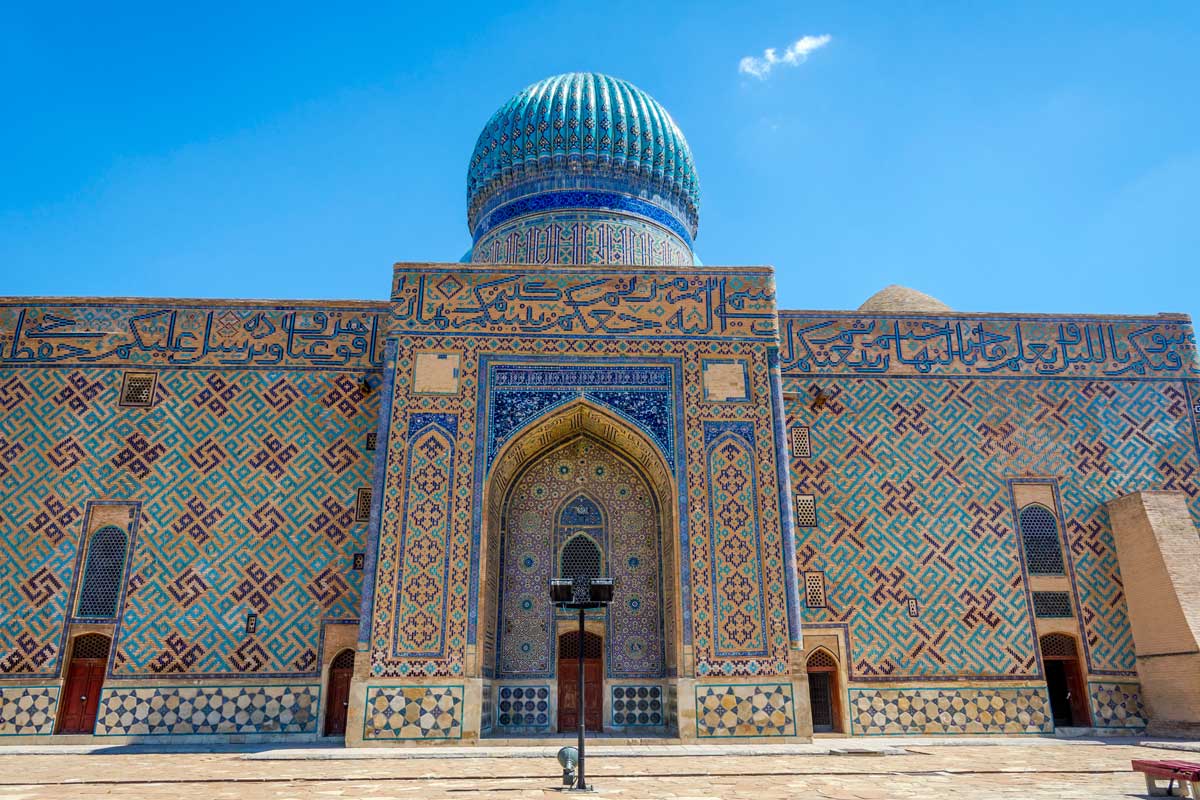
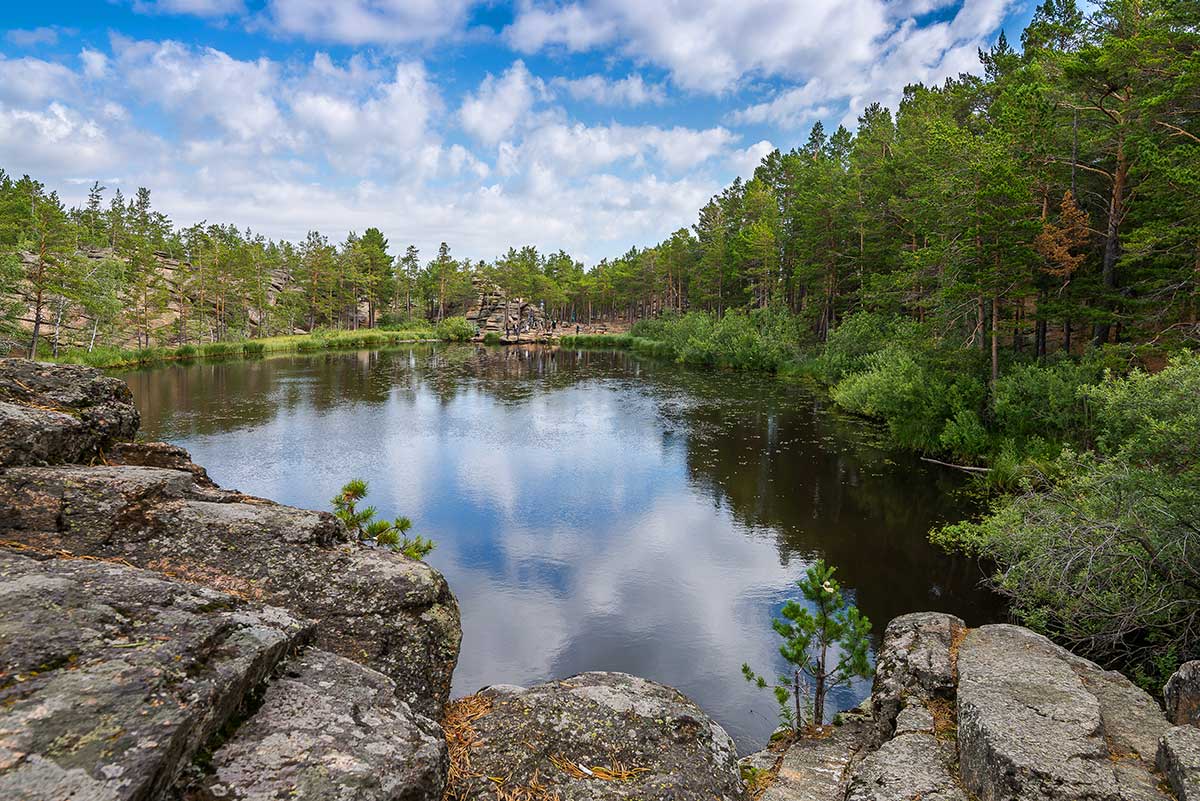
The UNESCO World Heritage List includes both natural and cultural monuments of Kazakhstan. These include the Mausoleum of Khoja Ahmed Yasawi, the petroglyphs of Tamgaly, Saryarka - Steppes and Lakes of Northern Kazakhstan, the Turan Deserts, the Western Tien Shan, as well as a complex of sites of the Great Silk Road in the Chang'an-Tianshan Corridor.

Read more →
card

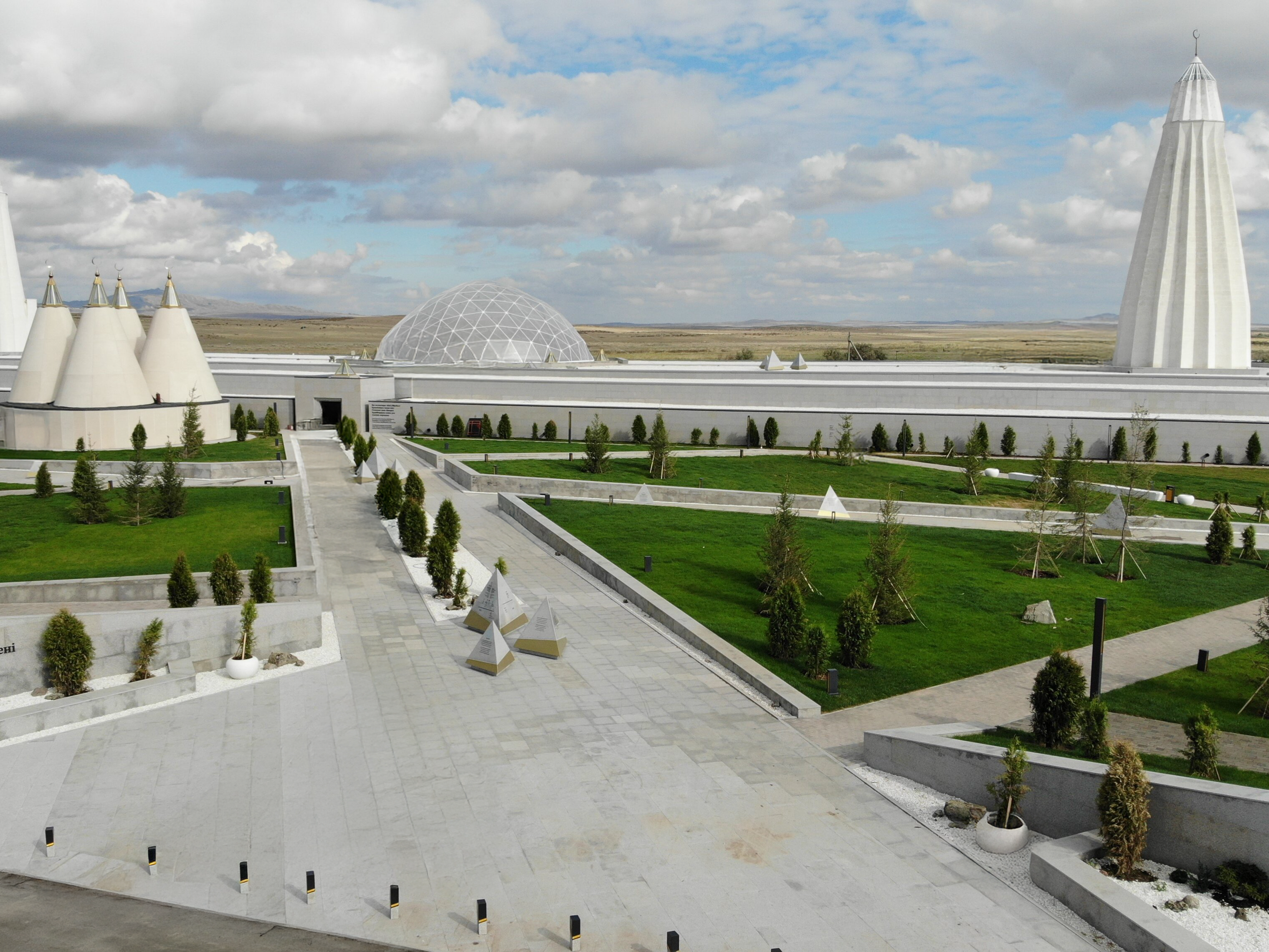
MUSEUMS AND RESERVES

Museums and reserves are important institutions that preserve cultural, historical and natural heritage. Museums collect and display works of art and historical artefacts, while reserves protect natural resources and ecosystems, ensuring their safety for future generations.

Read more →
card

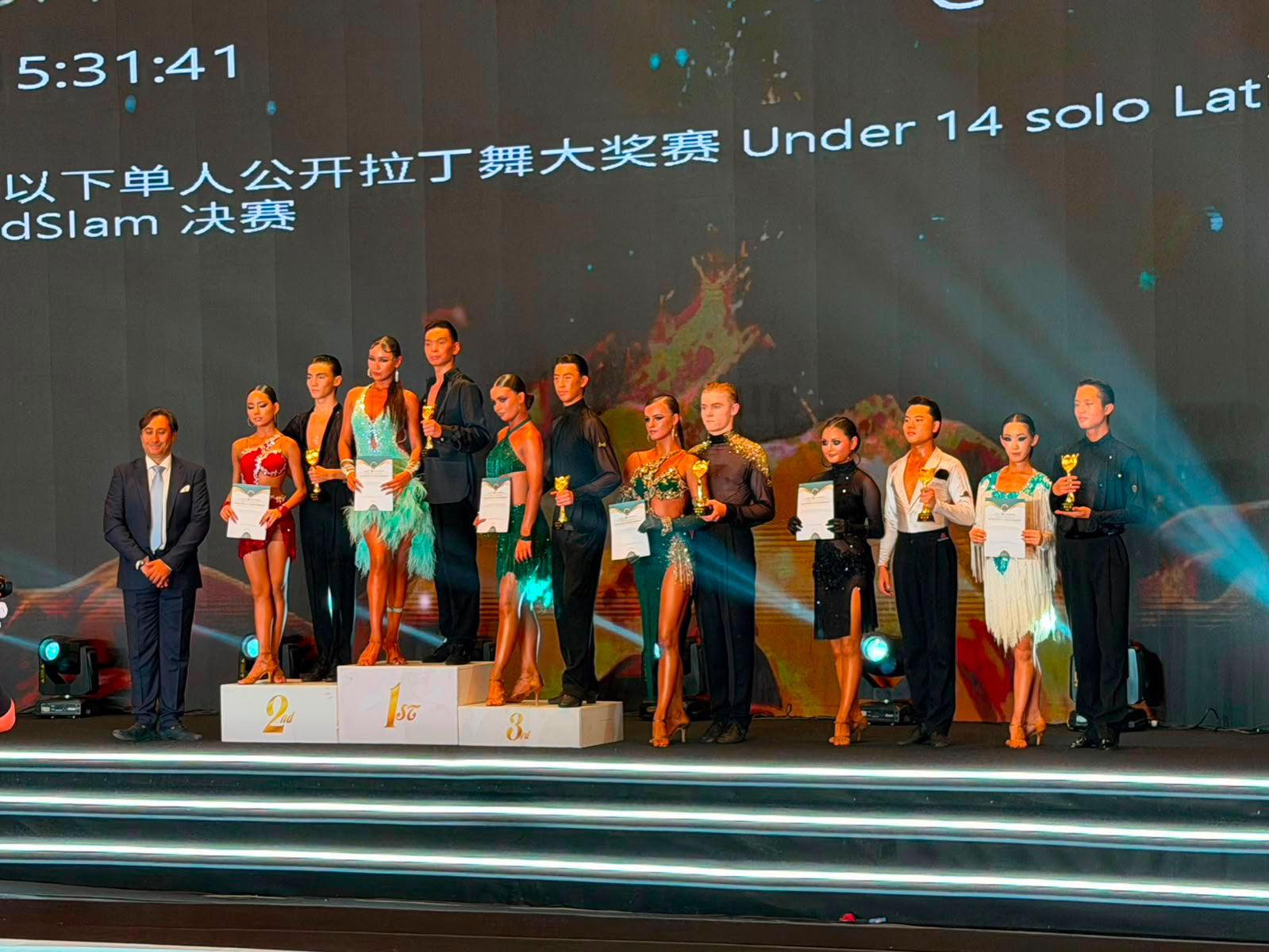
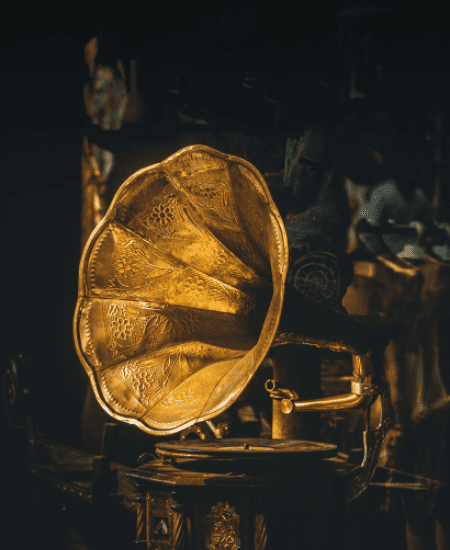
GOLDEN FUND

In this section, the users can get acquainted with the Kazakh talents who have gained worldwide fame

Read more →

card

CINEMA

Pearls of national cinema: retrospectives and long-awaited premieres

Read more →
card

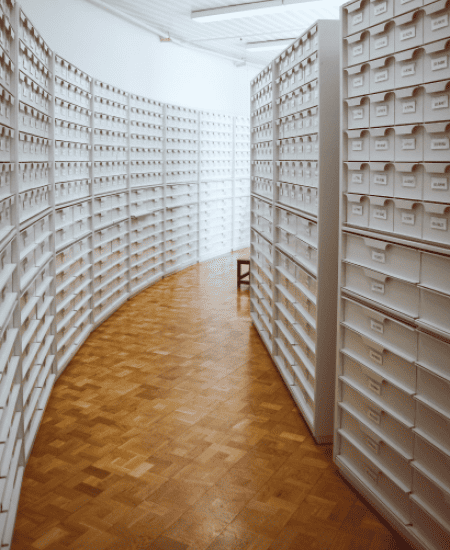
ARCHIVES

This section provides access to a rich historical collection of documents and archival materials of Kazakhstan

Read more →

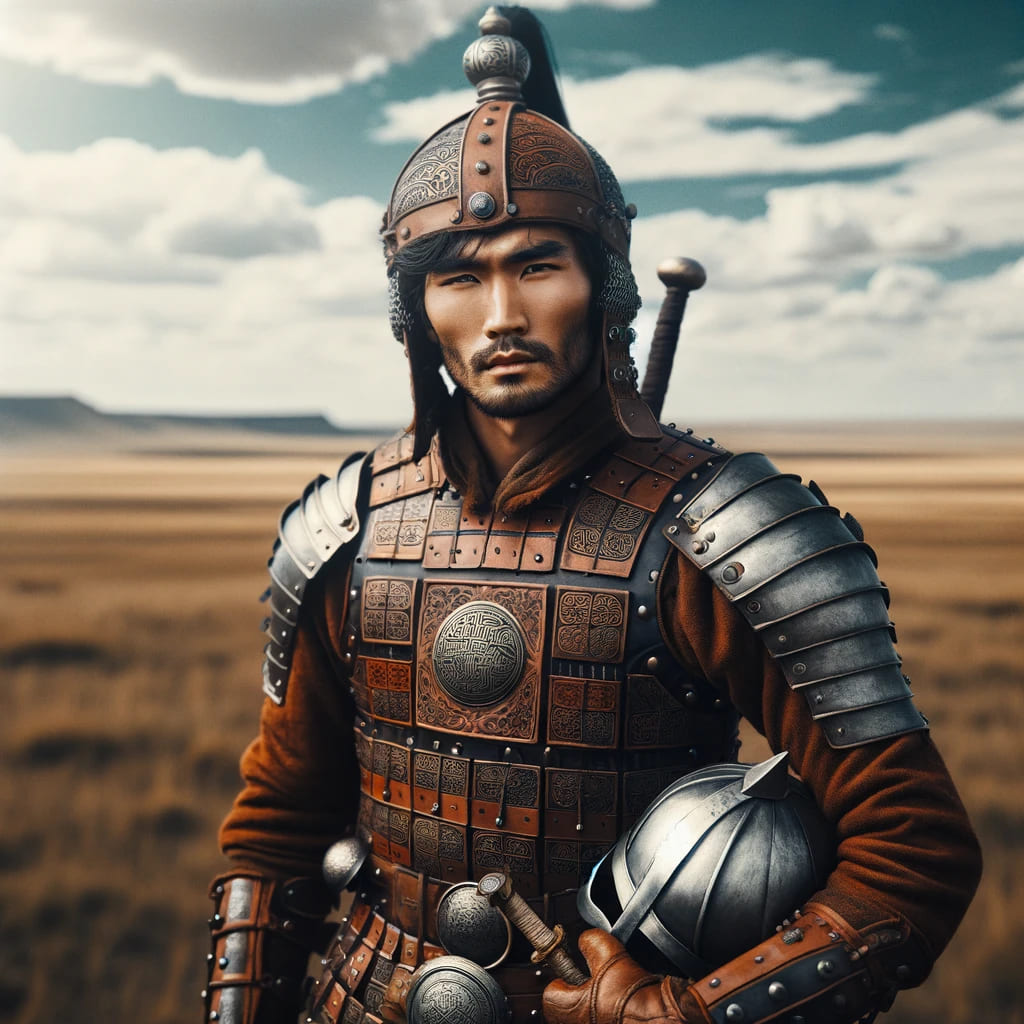
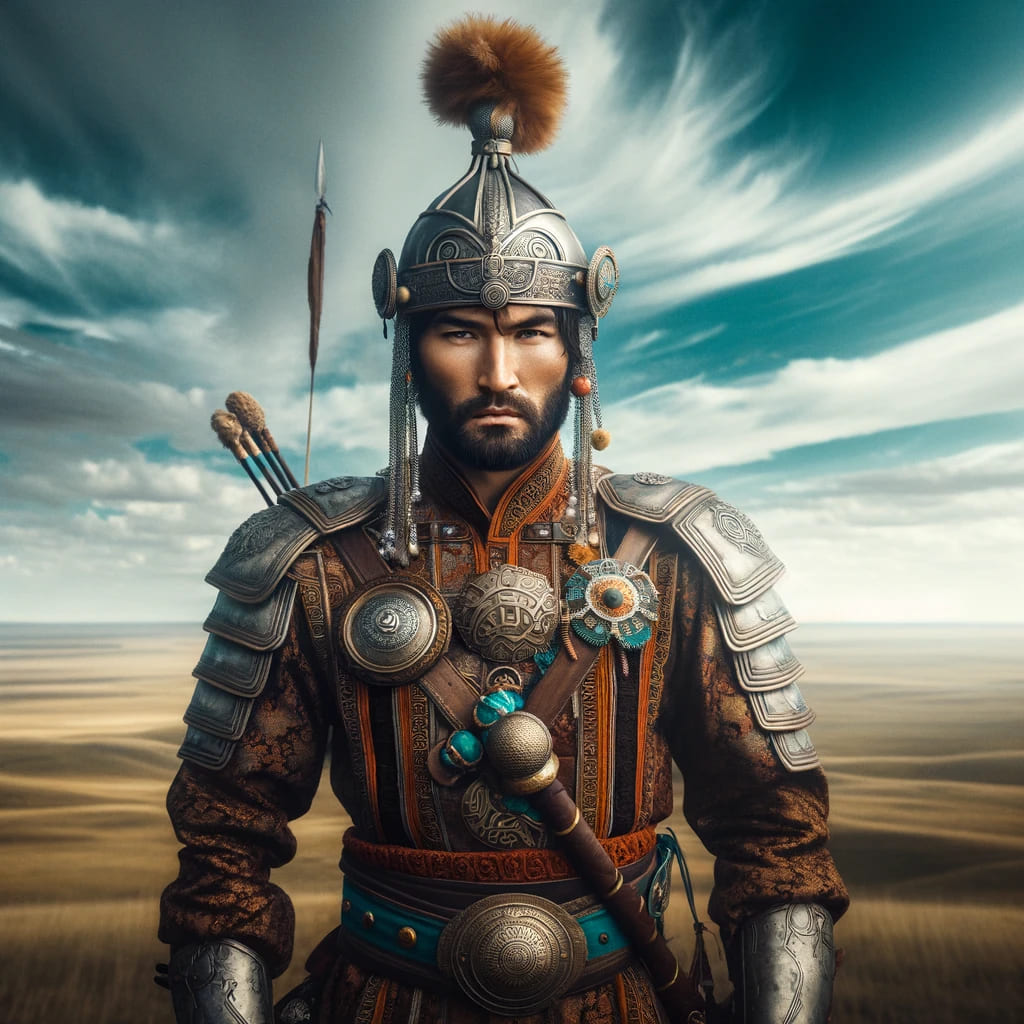
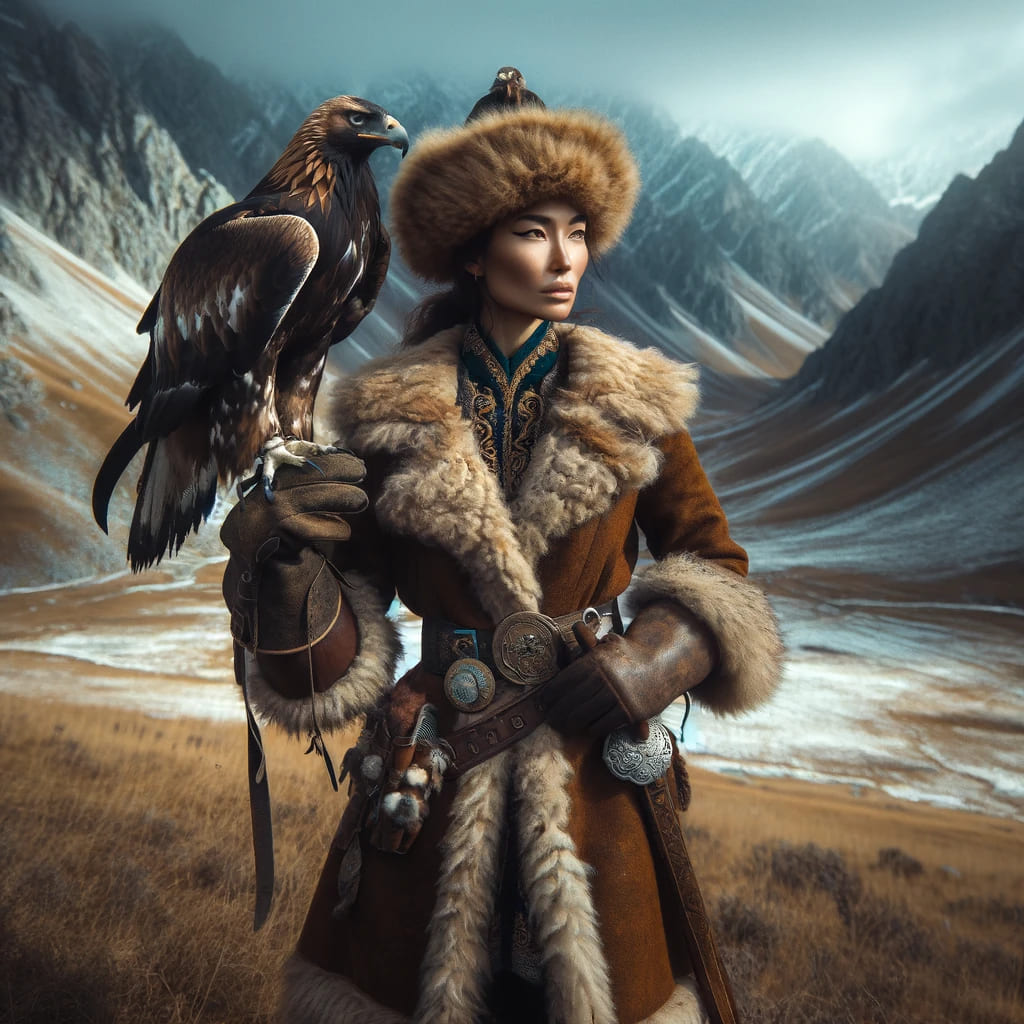
Become a batyr

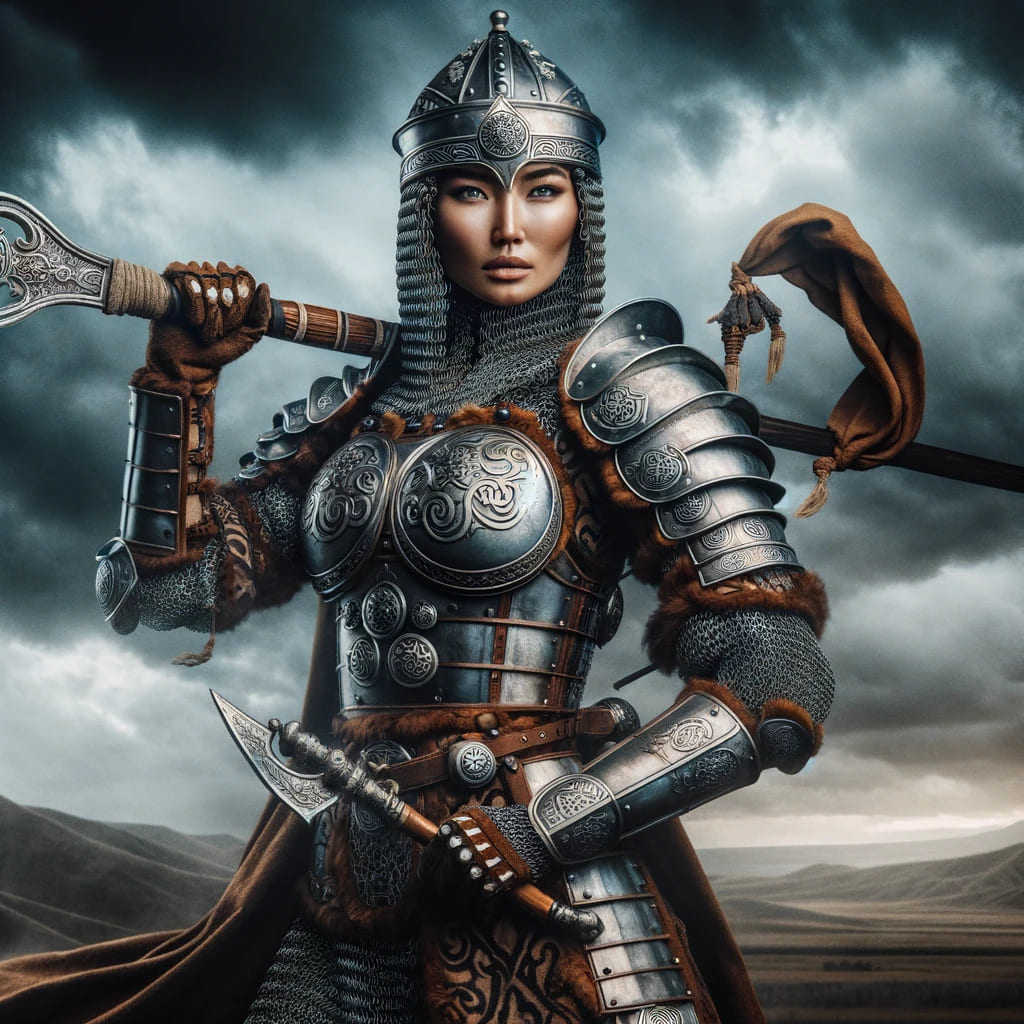
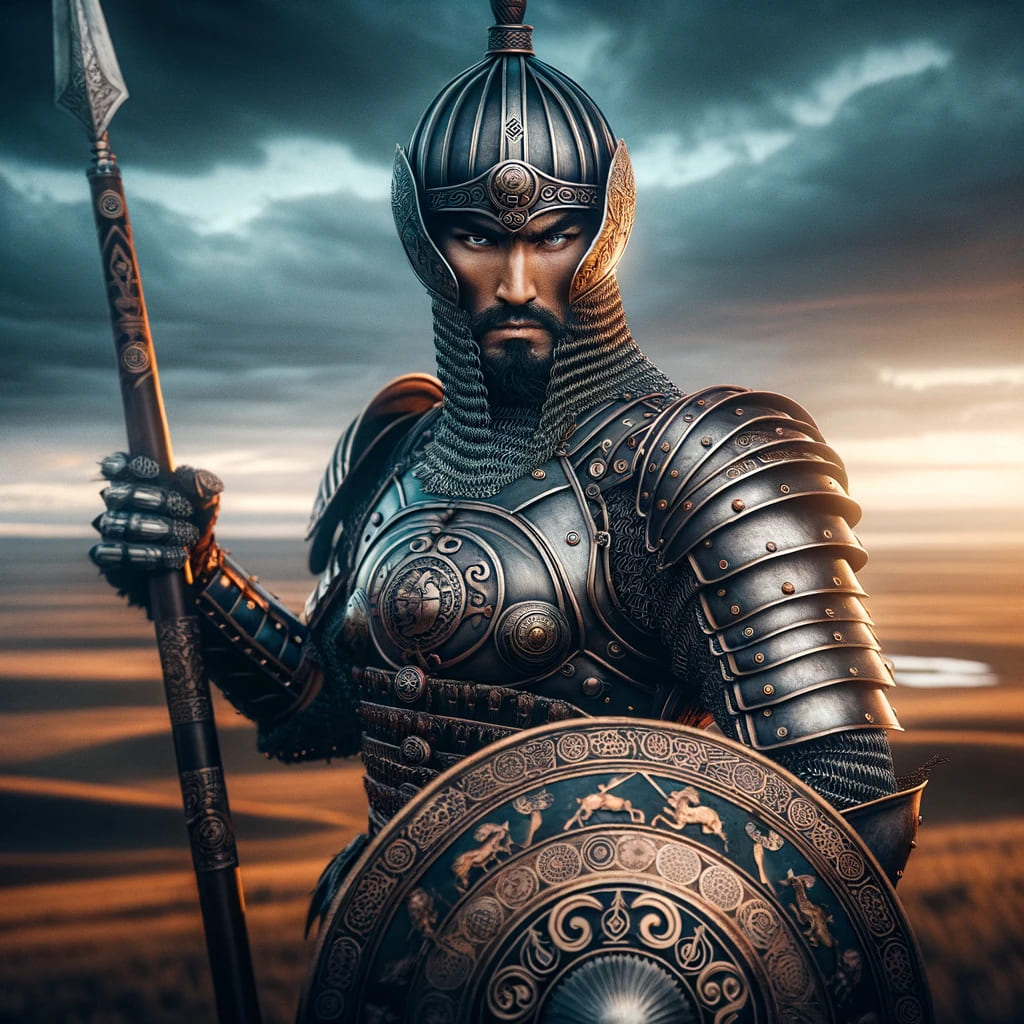
Upload your photo and try on the look of a Kazakh batyr or a Turkic amazon with the help of artificial intelligence
card
card
card
card
card