WELCOME TO KAZAKHSTAN

An unforgettable adventure awaits you

22

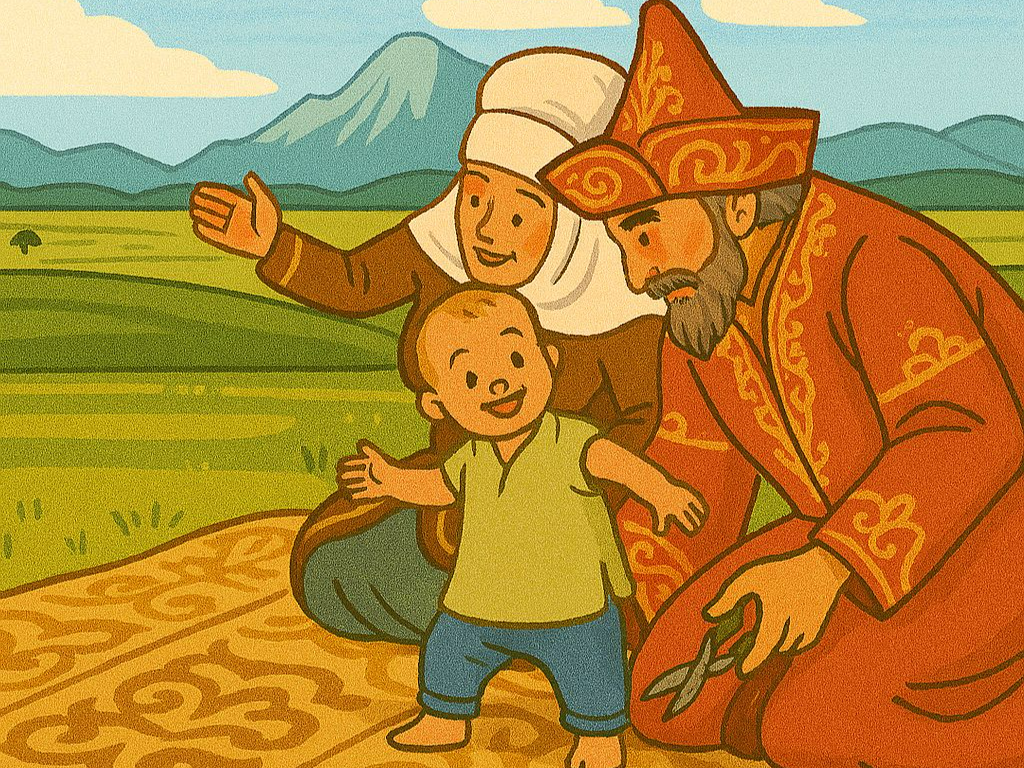
March 22 is Nauryz Meyramy, the holiday of the arrival of spring and the day of the spring equinox. It is an official holiday in Kazakhstan, celebrated with ethnovillages, cultural and sports events, and various fairs.

Album Art

Culture of the Great Steppe

Kazakhstan is located in the heart of Eurasia - at the intersection of key transportation routes. For millennia, the country's territory has served as a connecting bridge between the East and the West. Its strategic position has facilitated not only the active growth of trade but also the exchange of cultural and scientific achievements. The Great Silk Road passed through the lands of modern Kazakhstan. Caravans transported furs, gold, spices, and silk. Since ancient times, the vast steppes have united peoples and preserved many valuable artifacts. The word of Turkic origin 'Kazakh' means 'Free man,' and Kazakhstan is a country historically inhabited by freedom-loving nomads. At various stages of history, unique civilizations arose and developed here, and their heir is the modern state with a rich past and a multicultural heritage
ARTICLES

Tlek Sultan: “For me, national clothing is not just a craft, but a responsibility to the national heritage”

Kazakh national clothing is more than just a garment; it's a spiritual heritage reflecting the nation's identity, worldview, and aesthetic taste. Interest in ethnic design has been growing in recent years, and national motifs are taking on a new resonance in the contemporary fashion scene. At the forefront of this movement is ethnic designer Tlek Sultan, who developed a love for national clothing from childhood and turned it into a professional calling, combining tradition with innovation. Qazaq Culture spoke with the designer about his introduction to national art, his creative principles, and his plans for the future.– What inspired you to pursue ethnic design? How did your interest in Kazakh art and cultural heritage arise?– My fascination with Kazakh national products began long ago. It's a passion ingrained in me since childhood, an integral part of my inner world. From an early age, I imagined myself in this field and developed a genuine interest in exploring all facets of national art. The main reason I chose this path was my deep-seated desire to promote and preserve national heritage. Today, clothing styles are diverse and represent a multitude of trends, and various trends are emerging in the fashion industry. But Kazakh clothing remains unique – it combines inimitable beauty, exquisite style, and profound symbolism. Every element, every pattern, carries its own meaning. Therefore, in designing national clothing, I strive to deeply study traditions, preserve them in each piece, and simultaneously adapt them to modern requirements, demonstrating the value of national art. For me, this is more than just a craft. It is a love born from the heart, a manifestation of history and culture, respect for the people, and a responsibility to the national heritage.– On social media, you can see how you revive national clothing and ornaments in a contemporary format. What is your goal – how do you strive to bring Kazakh traditional art to modern society?"Today, my main goal is to convey to people the profound history and meaning of national clothing in an accessible and understandable way. For me, sewing is more than just a craft; each piece tells its own story. Therefore, in my publications, I pay special attention to the region where the clothing originates, who wore it, and the context in which it was used. Most people are unaware of these details, so I believe it's important to first explain the meaning and value of national clothing. This helps people ask themselves questions like, "What clothing suits me? What style reflects my age and personality?"—and becomes the first step toward making an informed choice. Today, national clothing in the traditional style is confidently entering everyday life and is actively used. We not only support this trend but also strive to popularize its cultural content and spiritual value among a wider audience." "What historical or ethnographic sources do you rely on when creating national clothing?""First and foremost, I turn to museum collections. I try to carefully visit each museum and study the exhibits." District and sometimes even village museums throughout Kazakhstan house valuable objects that tell us about the past. Sometimes it might be just a single skullcap, berik, or shapan, but this very object conveys the atmosphere of an entire era. I draw primarily from museum collections. I also draw on the works of eminent researchers who laid the foundations of national ethnography, such as Alkey Margulan and Uzbekali Zhanibekov. I also speak with elderly people living in various parts of the country and listen to their recollections. Using questions like, "How did you dress? What clothes did your ancestors wear?" I gather data preserved in folk memory. Combining scientific research and oral history, I strive to deeply understand the history, traditions, and culture of national dress and create works based on reliable data.– Your works are not limited to mere decorative function; they possess profound spiritual content. How do you convey this philosophy to viewers? Over the past three years, interest in clothing inspired by national art has grown significantly. This trend has been shaped not only by the hard work of local artisans and designers, but also by national holidays like Nauryz. Currently, this movement has branched out into several branches. Some artisans combine traditional patterns with modern European or Asian designs, presenting national motifs as decorative details. Others retain classic forms but adapt them to new aesthetic contexts. Each designer, based on their own worldview and taste, interprets national clothing in a new way, imbuing it with a contemporary artistic edge.— What projects or initiatives do you plan to implement in the future to develop national crafts and ethnic design?— My goal is clear. In 2024, we organized an exhibition called "Kieli Kimeshek" in Astana and then presented it to residents of several regions of the country. This event went beyond a typical clothing exhibition: it featured a national costume show. In this way, we aimed to introduce people as widely as possible to the culture of traditional Kazakh clothing and the depth of national art.My future dream is to expand the "Kieli Kimeshek" exhibition to all cities of the republic, showcasing the diversity of Kazakh clothing, the distinctive features of headwear, and summer and winter styles in a single exhibition. Over time, I plan to expand this project beyond the country's borders. However, above all, it is important to convey our national heritage to our people accurately and profoundly. International recognition will be a natural extension of this work. Our collection grows and develops annually. Today, new pieces are created daily, and previous examples are improved. I believe that in the future, our collection of national clothing will become even richer and will be replenished with new unique creations.– What principles do you adhere to when presenting your work on social media?– I don't have strict rules. Everything is based on my knowledge and constant striving for improvement. I strive to share only accurate and reliable information. After all, I don't consider myself a scientist who knows everything, and ethnography is a very broad and multifaceted science. Therefore, I publish only information that I have personally researched, verified, and can confirm. If any fact raises doubts, I prefer not to publish it. It is important to me that every published detail is substantiated, reliable, and inspires trust in the audience.

Regions and places to visit

Discover the best places to visit in Kazakhstan. Explore the regions and find out what makes them unique.

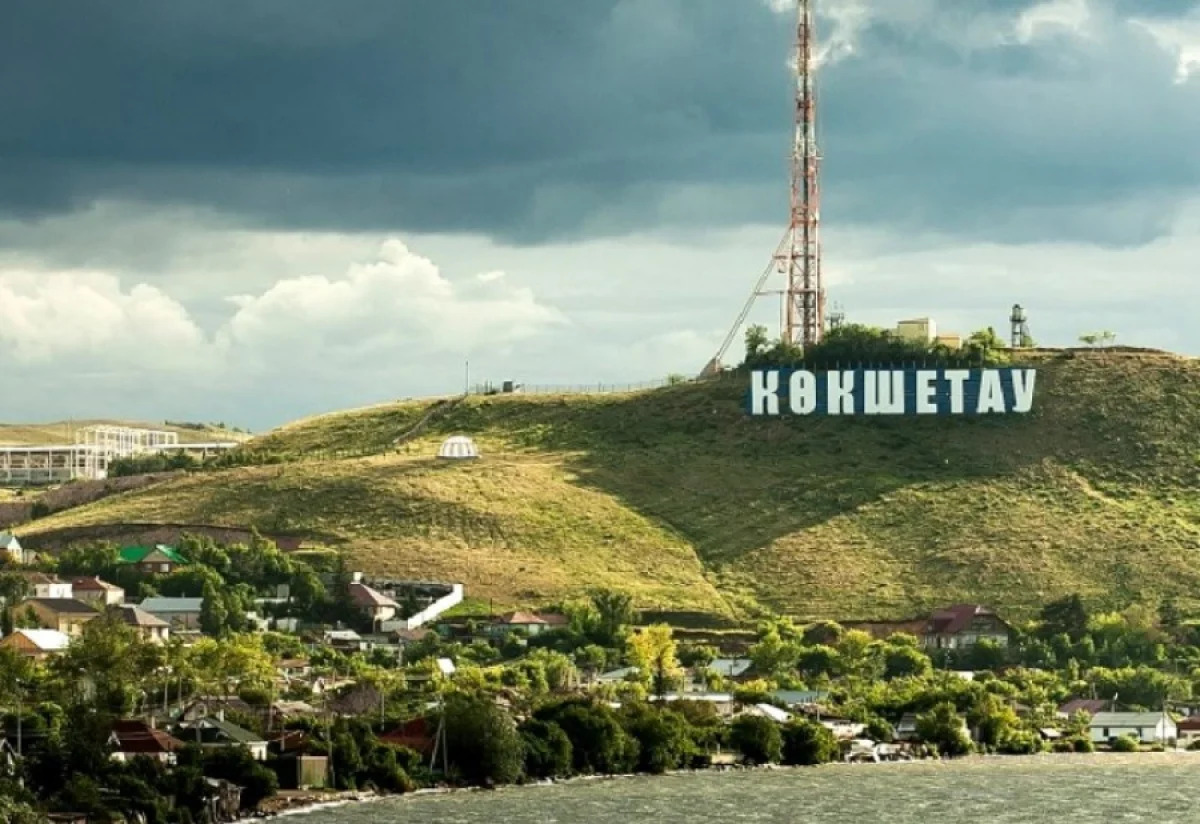
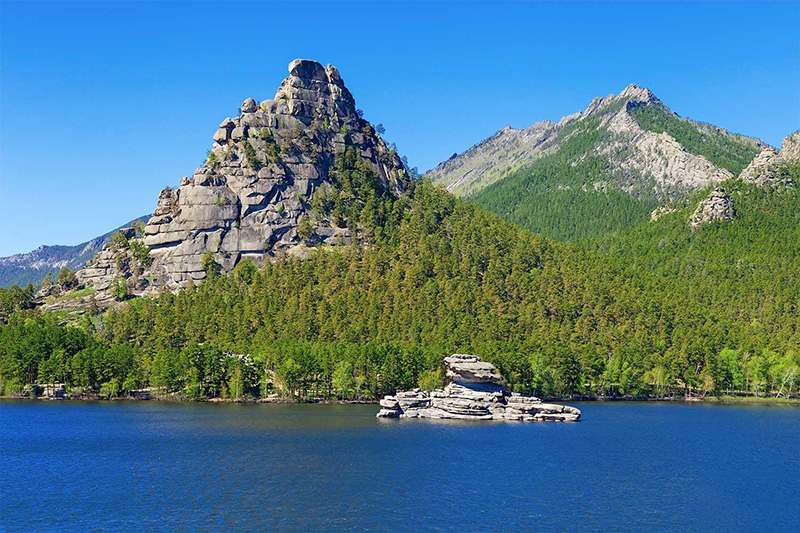
Akmola region

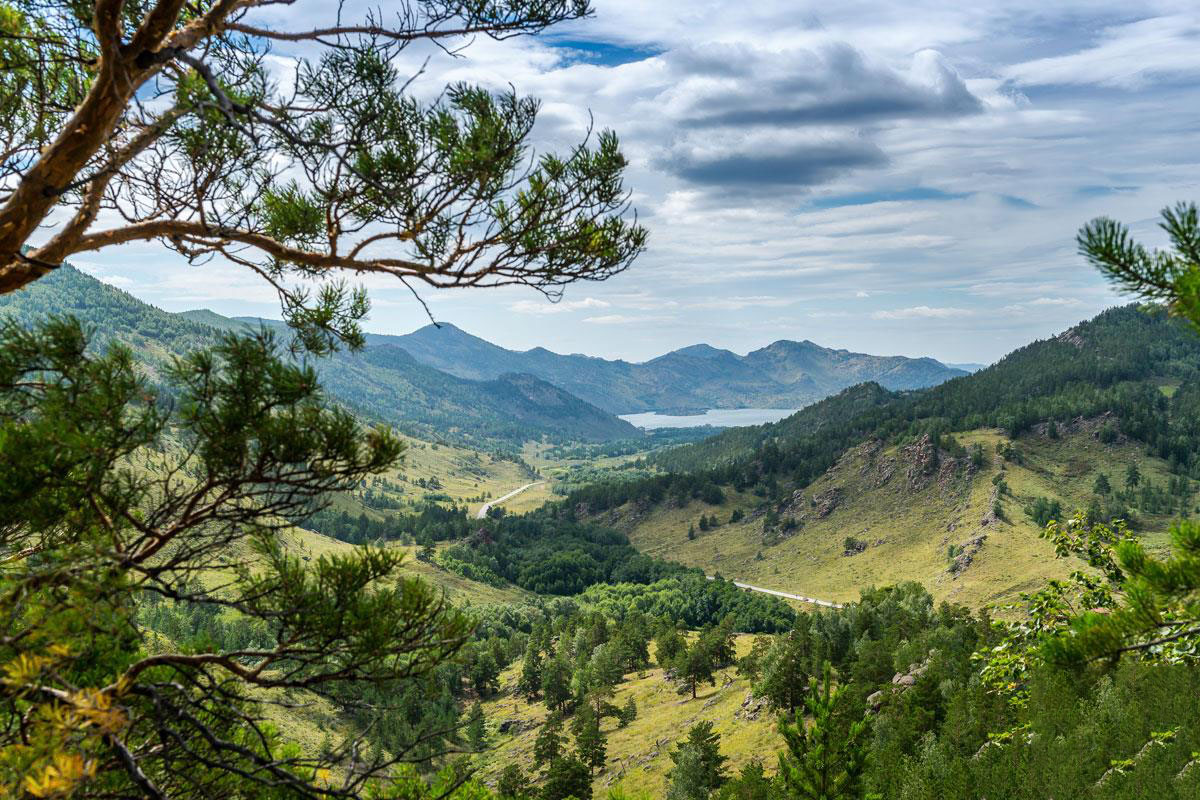
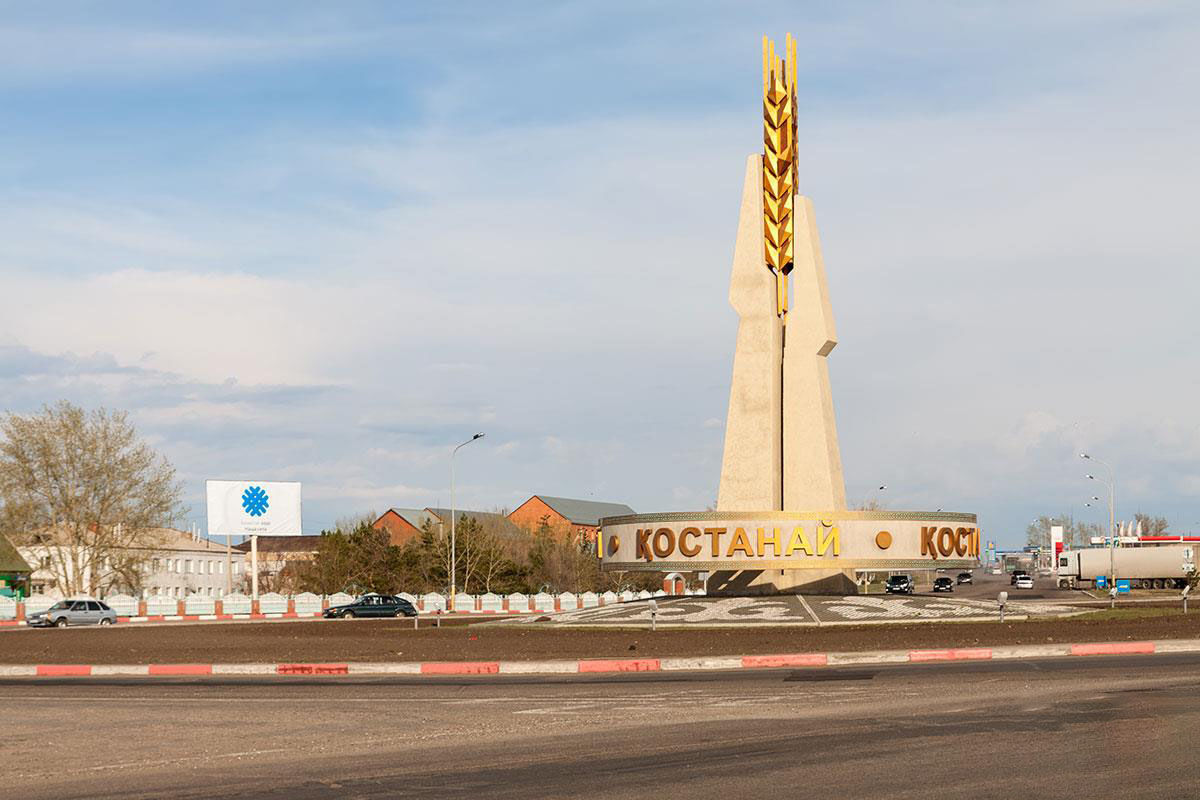
Akmola region is one of the largest and most developed regions of Kazakhstan and ranks ninth in size. It borders with Kostanai region in the West, North Kazakhstan region in the North, Pavlodar region in the East and Karagandy region in the South.
Read more →

Heritage

card

CUSTOMS AND TRADITIONS

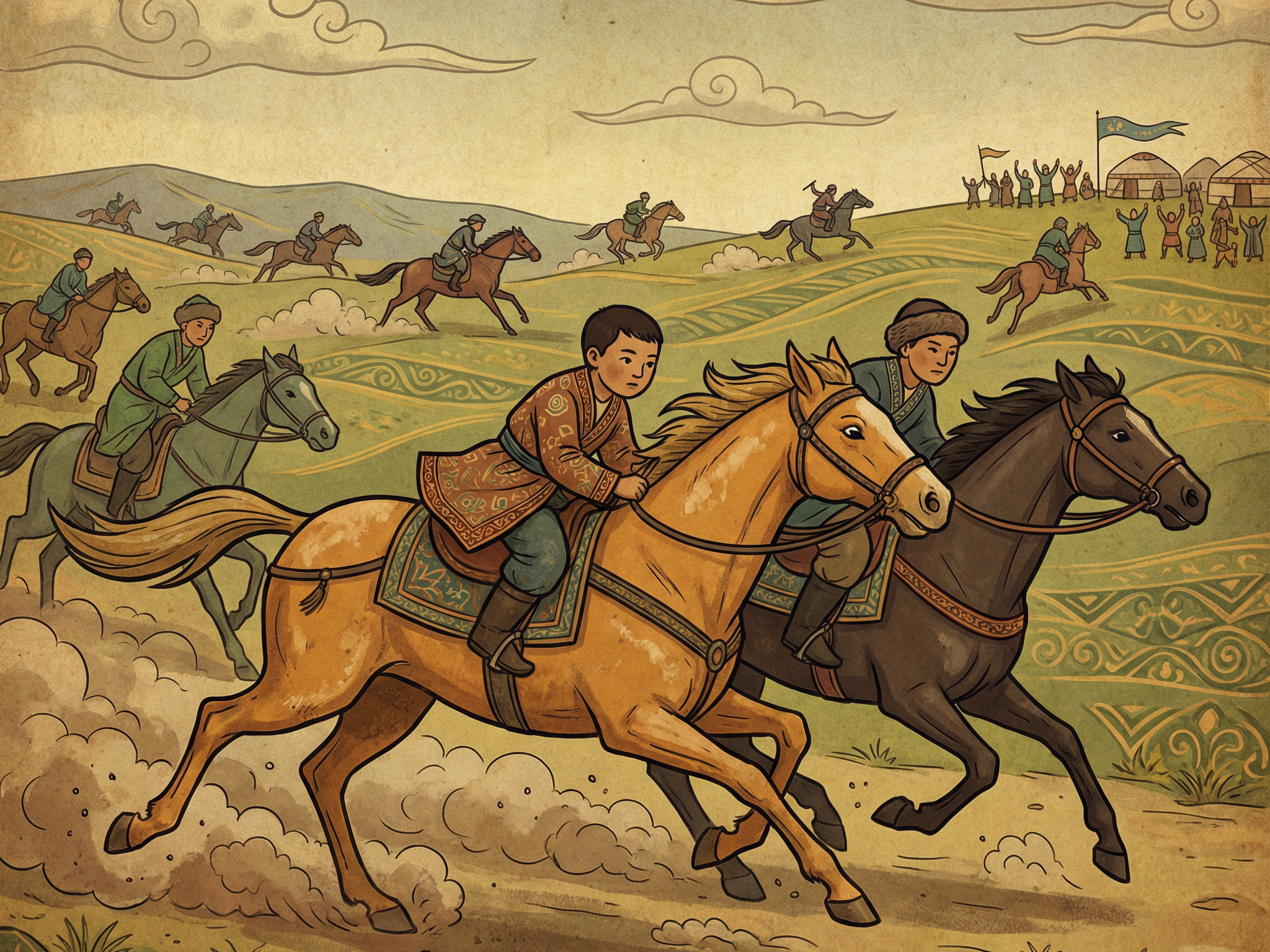
This section contains unique customs and traditions of the Kazakh people - rituals, holidays, folk crafts and family values passed down from generation to generation.

Read more →
card

ABOUT KAZAKHSTAN

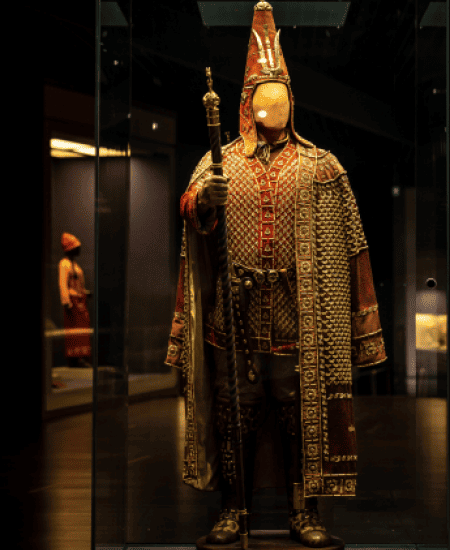
In this section, the users will find information about the development and prospects of Kazakhstan

Read more →
card

HISTORY

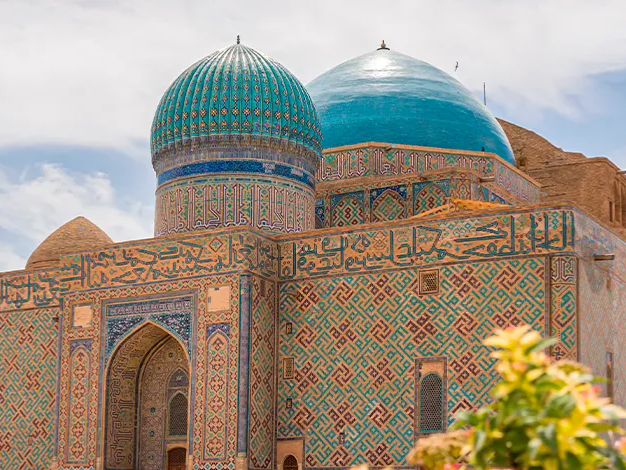
In this section, there is an opportunity to immerse yourself in the rich cultural heritage of Kazakhstan

Read more →
card

UNESCO HERITAGE

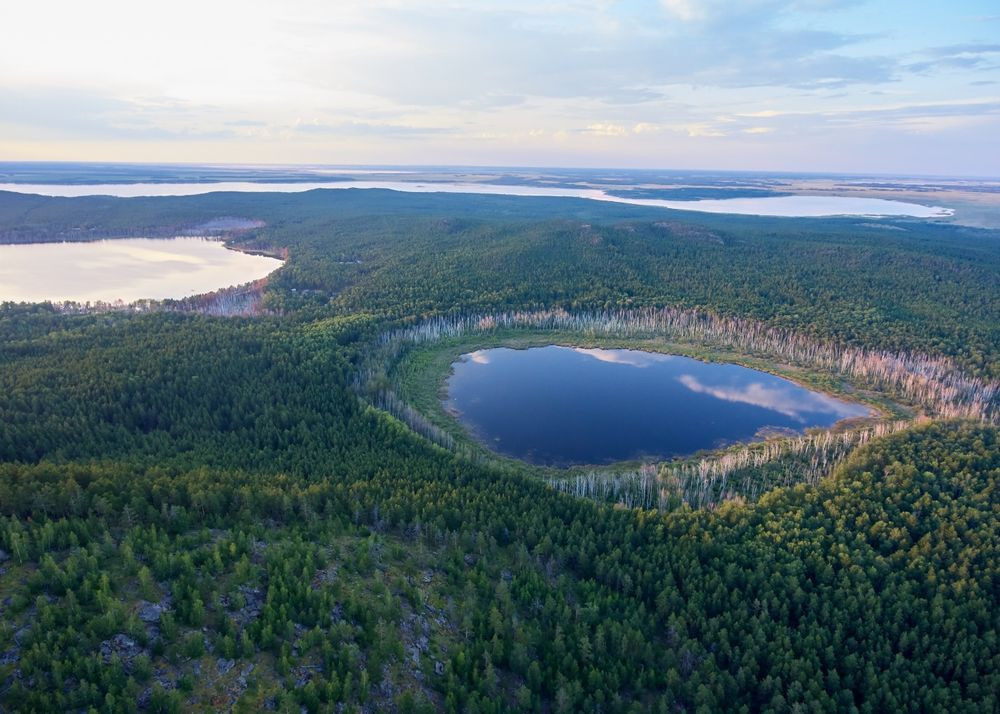
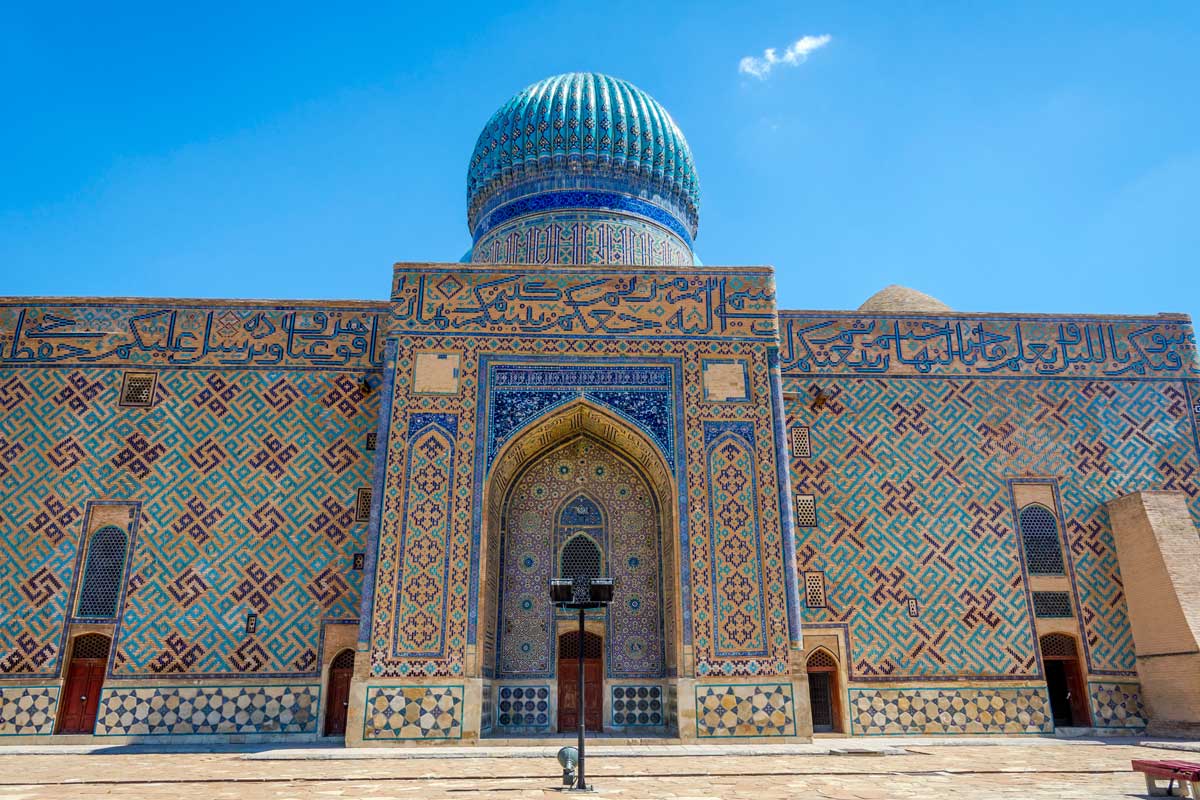
The UNESCO World Heritage List includes both natural and cultural monuments of Kazakhstan. These include the Mausoleum of Khoja Ahmed Yasawi, the petroglyphs of Tamgaly, Saryarka - Steppes and Lakes of Northern Kazakhstan, the Turan Deserts, the Western Tien Shan, as well as a complex of sites of the Great Silk Road in the Chang'an-Tianshan Corridor.

Read more →
card

MUSEUMS AND RESERVES

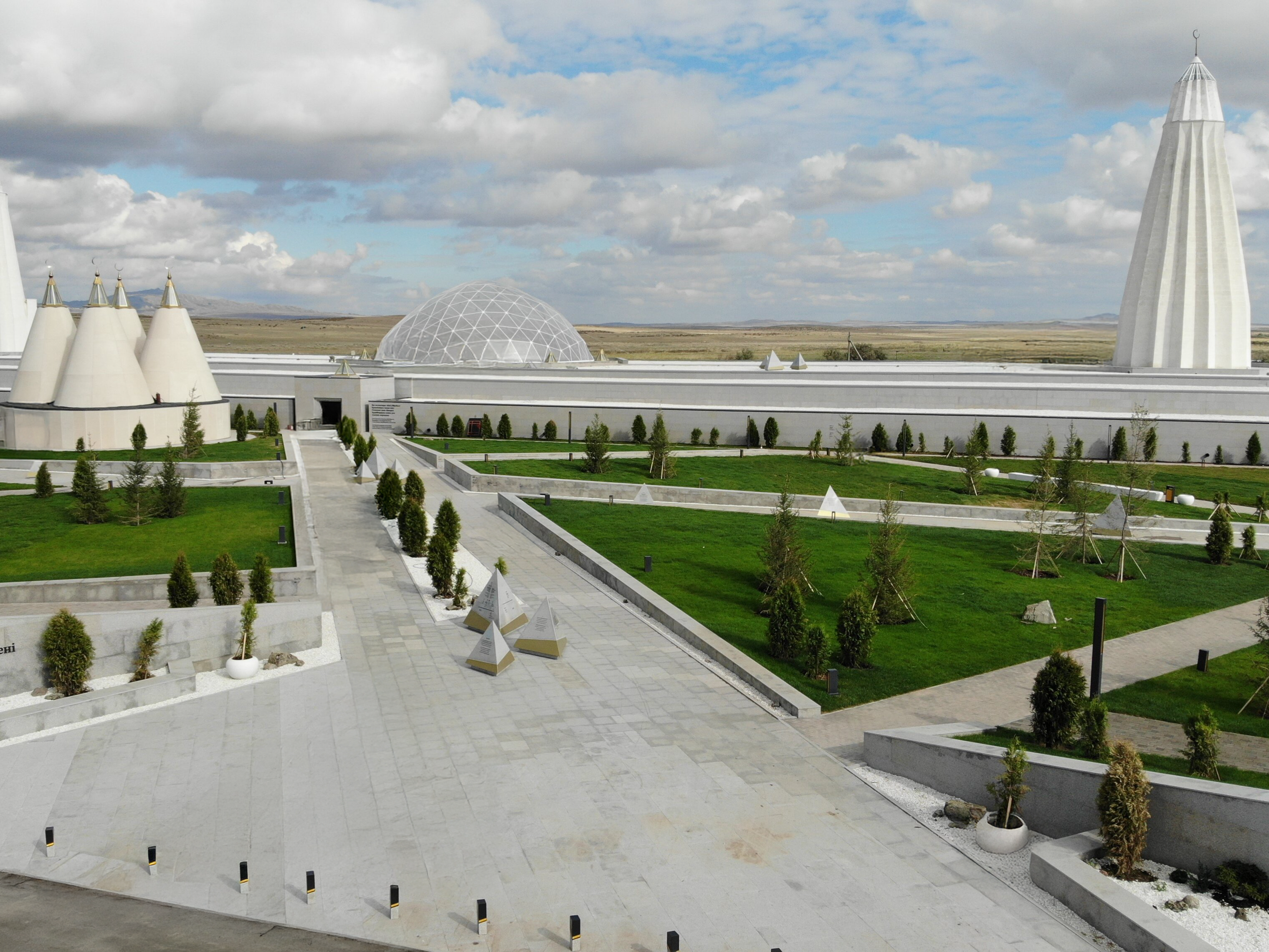
Museums and reserves are important institutions that preserve cultural, historical and natural heritage. Museums collect and display works of art and historical artefacts, while reserves protect natural resources and ecosystems, ensuring their safety for future generations.

Read more →
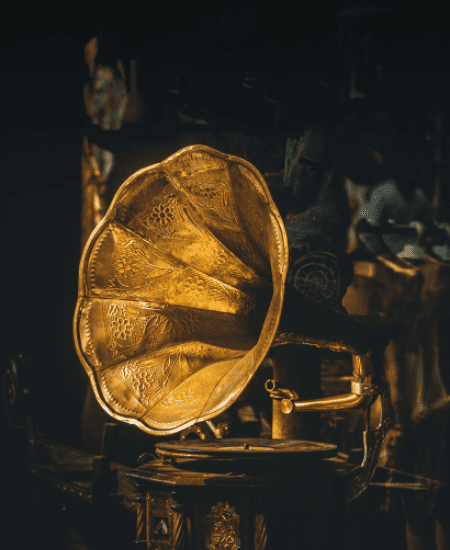
card

GOLDEN FUND

In this section, the users can get acquainted with the Kazakh talents who have gained worldwide fame

Read more →

card

CINEMA

Pearls of national cinema: retrospectives and long-awaited premieres

Read more →
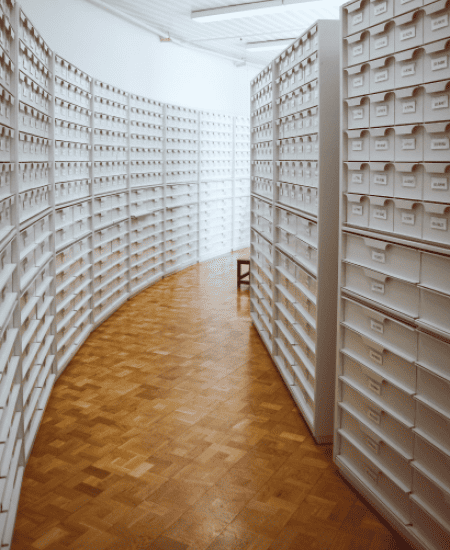
card

ARCHIVES

This section provides access to a rich historical collection of documents and archival materials of Kazakhstan

Read more →

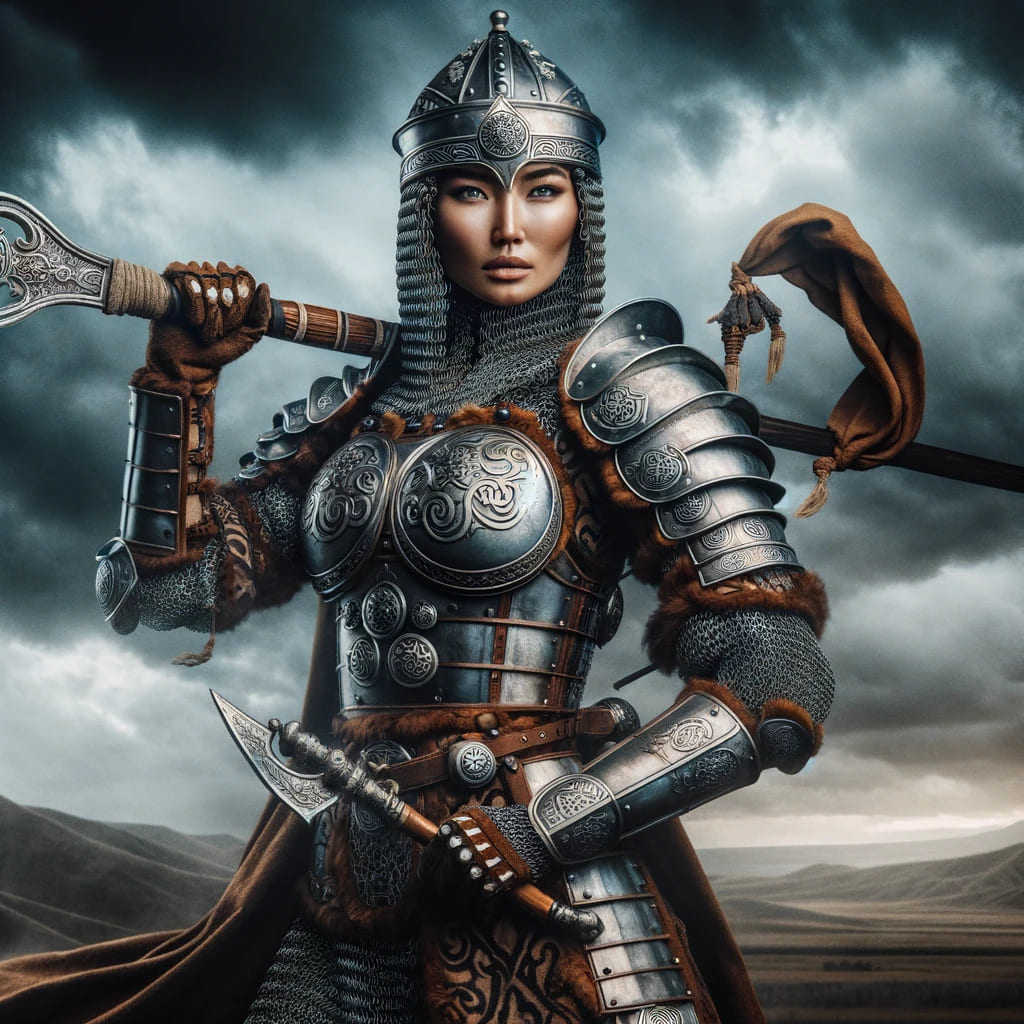
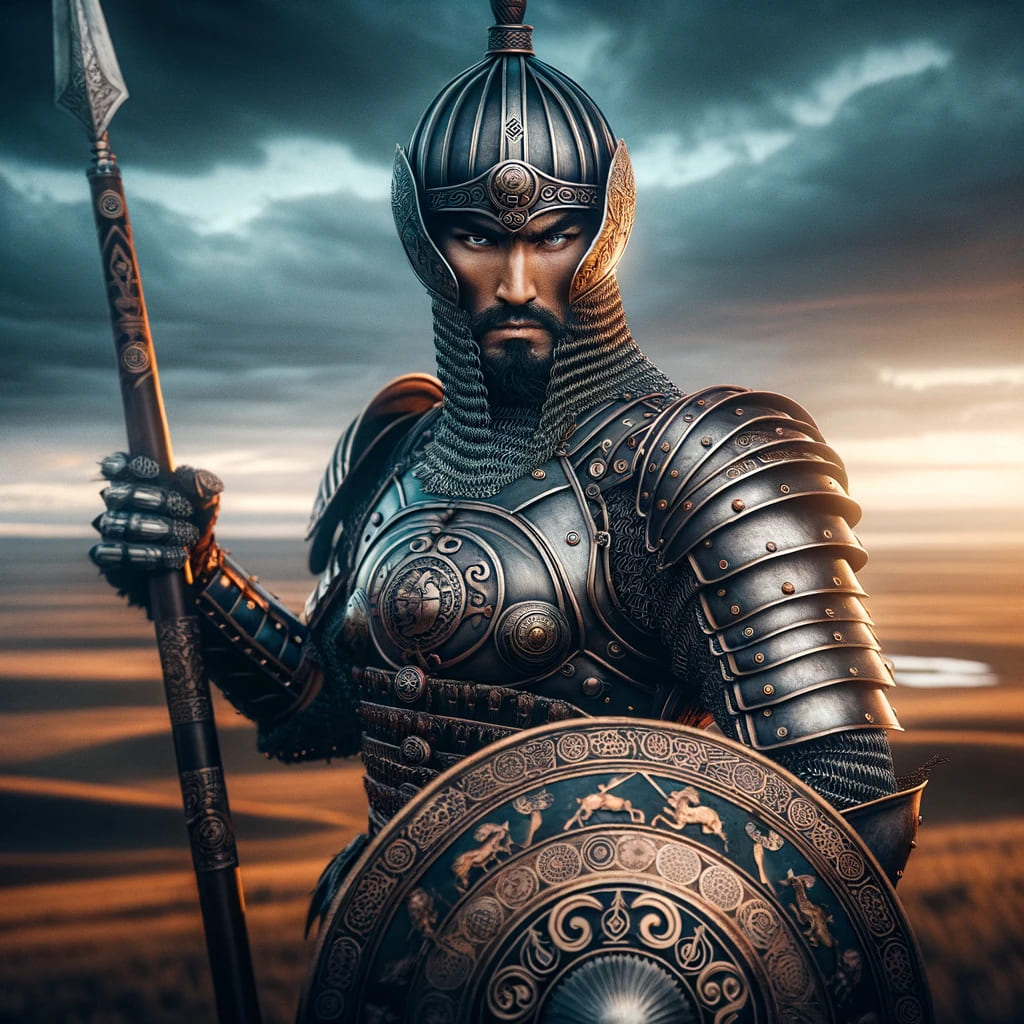
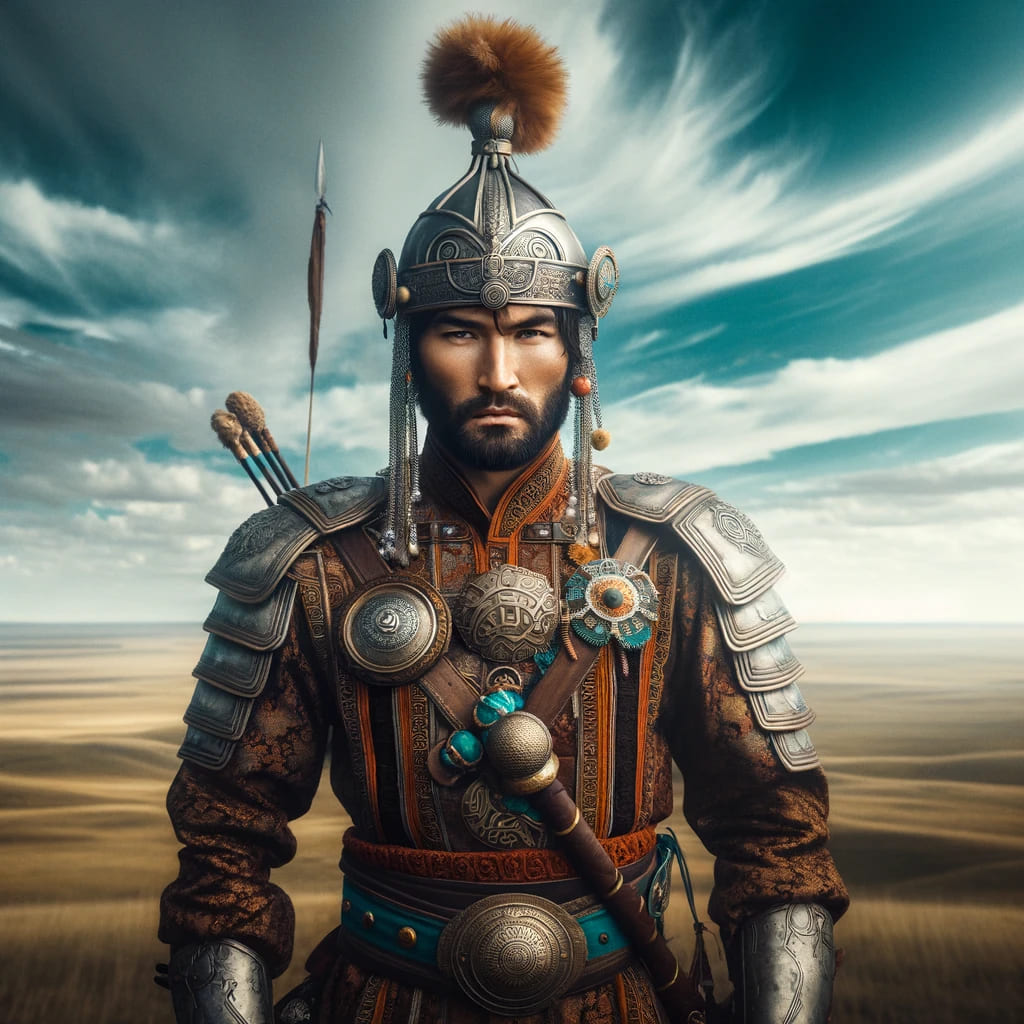
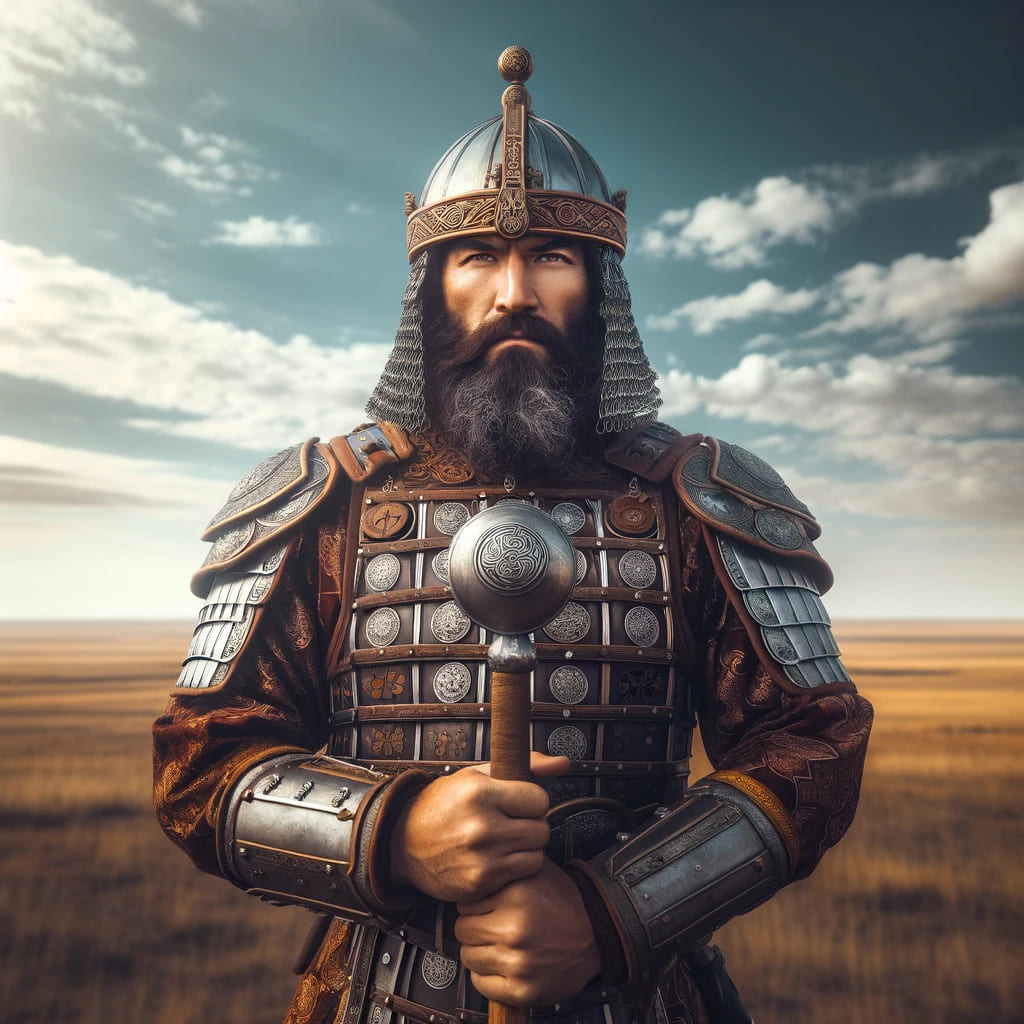
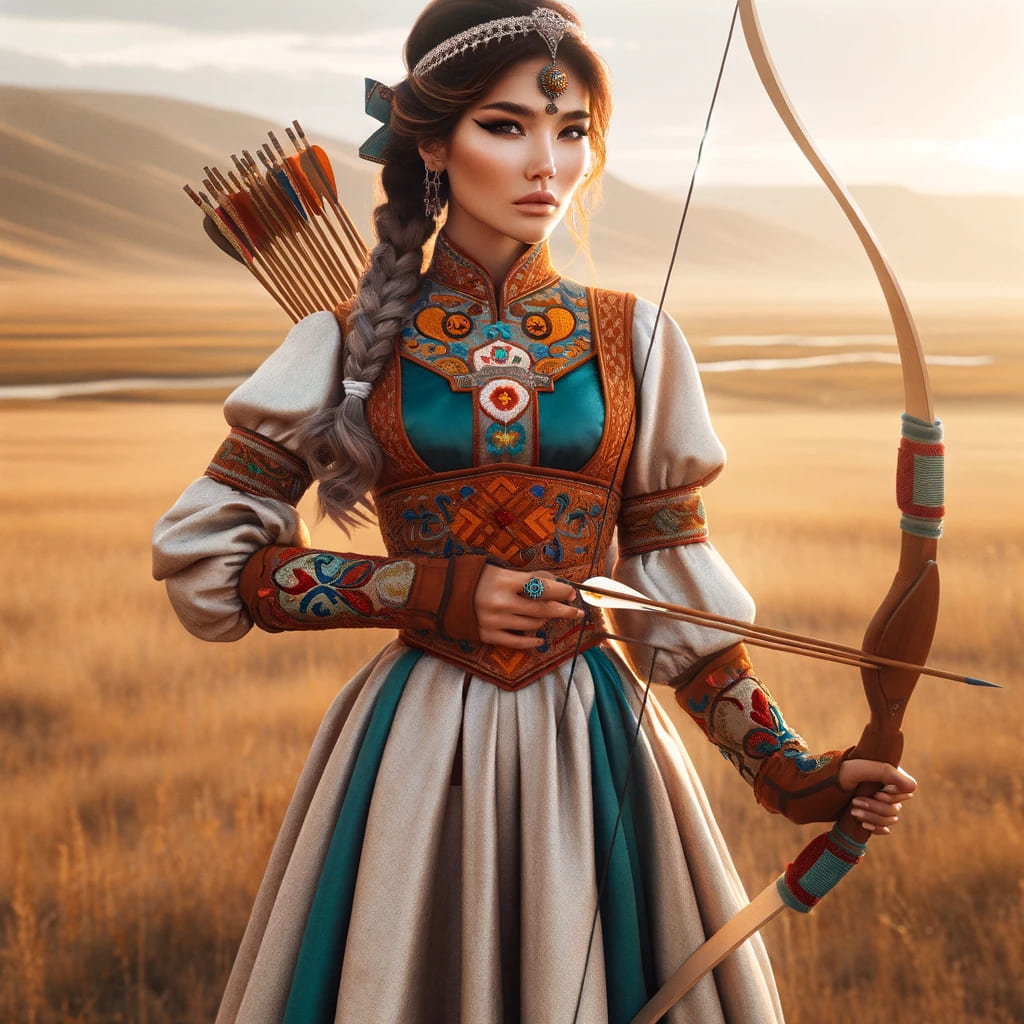
Become a batyr

Upload your photo and try on the look of a Kazakh batyr or a Turkic amazon with the help of artificial intelligence
card
card
card
card
card