GOLDEN FUND
In this section, the users can get acquainted with the Kazakh talents who have gained worldwide fame
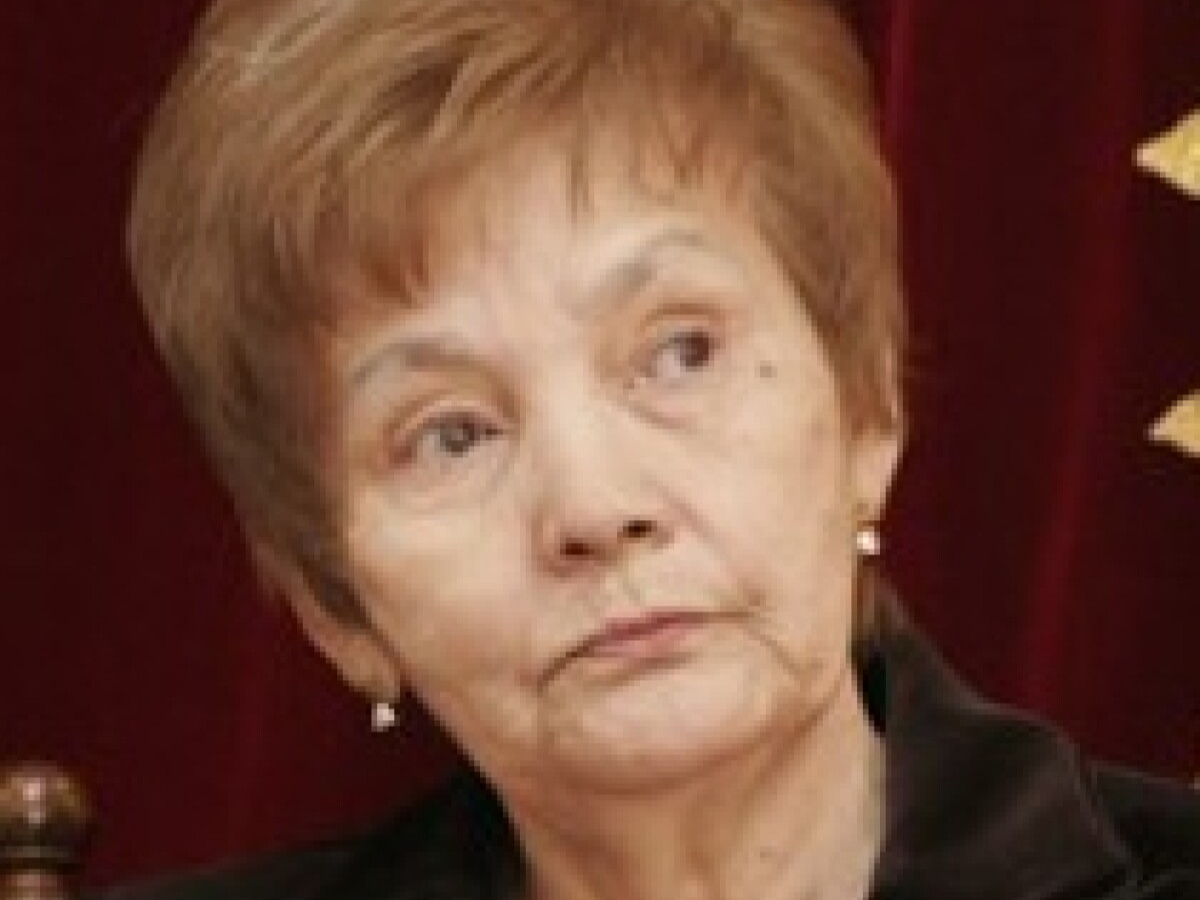
Fariza Ongarsynova
Fariza Ongarsynova is an outstanding Kazakh poetess, people's writer of Kazakhstan, laureate of the State Prize Kazakh SSR named after Abai. Her work has become the voice of a generation, permeated with deep reflections on the fate of the people, the place of women in society and the beauty of their native land. She was born on December 25, 1939, in the village of Manash (now Atyrau region). Her father, Ongarsyn Imangaliev, was a respected person who organized fisheries in region. Mother, Kalima Imangalieva knew Arabic and was the keeper of oral folk literature. Fariza was left without parents early, which left an imprint on her fate and worldview. It was life’s trials that awakened her talent as a poet. After graduating from the philological faculty of the Guryev Pedagogical Institute in 1961 Ongarsynova worked as a teacher, school director, and then moved in journalism. Worked in the newspapers “Kommunistik enbek” and “Leninshil Zhas”, then for more than 25 years she was the editor-in-chief of the magazine “Pioneer”. In 1996 became a deputy Mazhilis of the Parliament of Kazakhstan, where she defended issues of culture and education. Fariza Ongarsynova is the author of many poetic works collections in which the themes of love for the motherland, women's destiny, and freedom of thought are heard. Her works were translated into Russian by Tatyana Frolovskaya and became known to a wide audience. She passed away on January 23, 2014, at the age of 74 years. She was buried in the National Pantheon in Astana. Today her name remains a symbol of the power of speech and the spiritual independence of the Kazakh people.
Read more →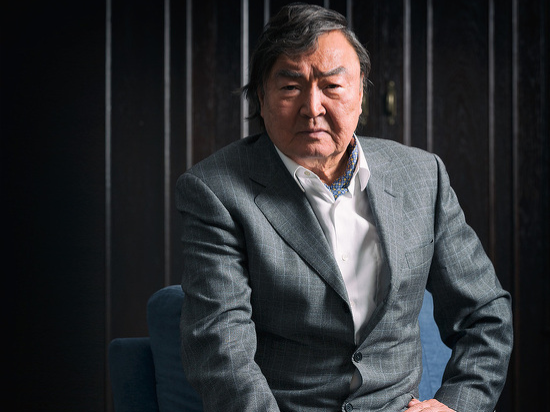
Olzhas Suleimenov
Olzhas Suleimenov is a Kazakh poet, writer, literary critic, public figure and diplomat. Hero of Labor of Kazakhstan, People's Writer of the Kazakh SSR, founder of the anti-nuclear movement "Nevada Semipalatinsk", which achieved the closure of the Semipalatinsk test site.Born May 18 1936 in Alma-Ata. His father, a military man, was repressed in 1937 In 1954 he entered the geological exploration faculty of Kazakh State University, but soon chose literature, graduating from the Gorky Literary Institute in Moscow. He worked in the Union of Writers of Kazakhstan, Union filmmakers, was the ambassador of Kazakhstan to Italy, Greece, to Malta and the permanent representative of Kazakhstan to UNESCO.Received wide popularity in 1961 thanks to the poem “Earth, bow to man,” dedicated to the first flight of Yuri Gagarin. Among his iconic works is the collection “Argamaki”, “Clay Book”, “Az and I”, “Language” letters." His works explore the influence of Turkic languages on ancient Russian culture and history.Suleimenov was actively involved in politics and social activities. He was a deputy of the Supreme Soviet of the USSR and Kazakhstan, was involved in environmental and cultural issues. Made a significant contribution to the development of Kazakh cinema, participated in the creation of such films as “Kyz-Zhibek” and “Land of the Fathers.”His work combines historical depth, philosophical insight and linguistic research. Suleimenov remains a key figure in literature, science and social life of Kazakhstan.
Read more →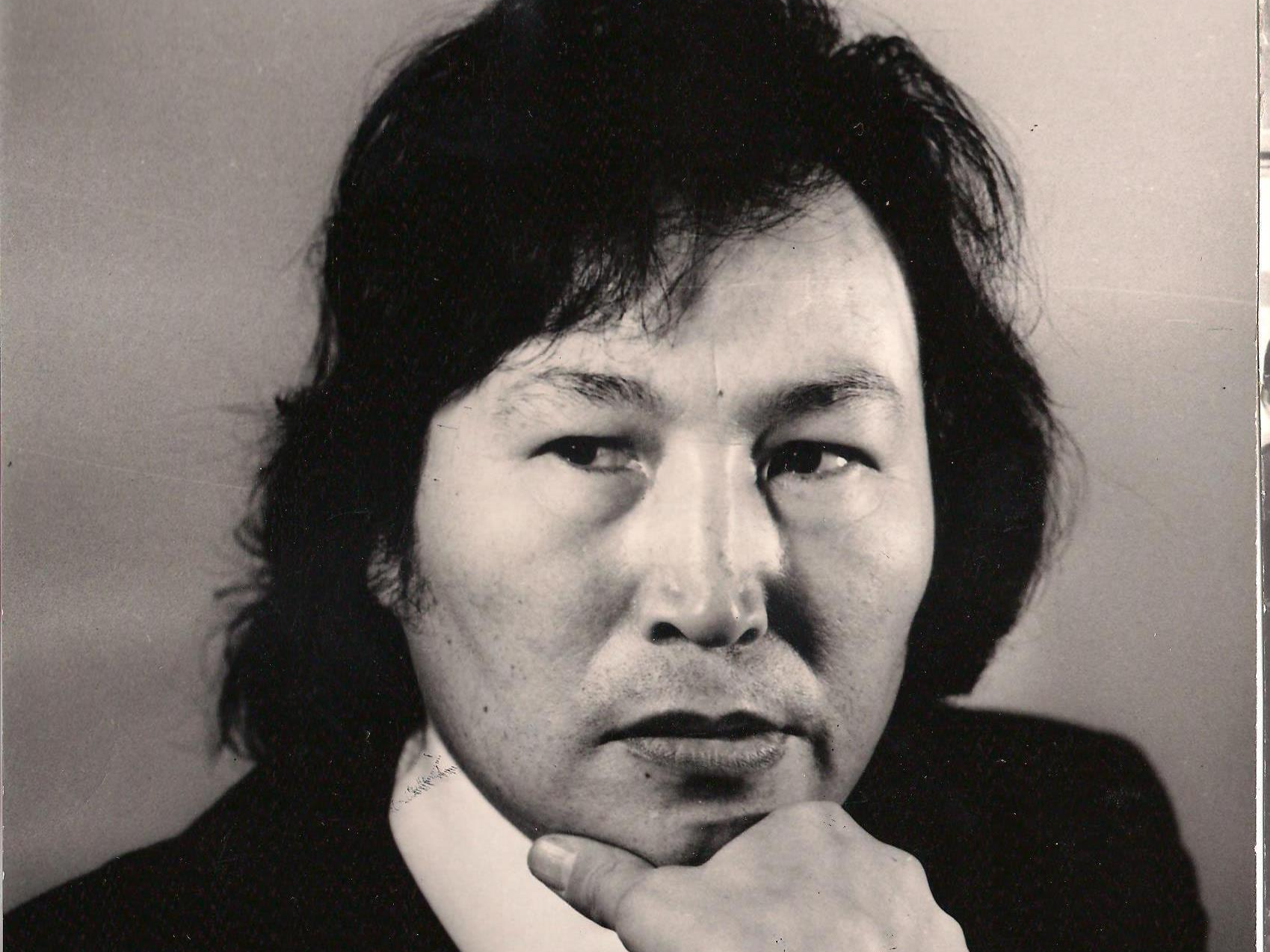
Oralkhan Bokeev
Oralkhan Bokeev is one of the most original writers of Kazakhstan, whose works have become an integral part of national literature. in 1943 in the Katon-Karagai region, and from an early age absorbed the beauty of his native places, which later became the central theme of his work. His path to literature began through journalism – he worked in regional and republican newspapers, and then headed “Cossack Adebieti.” However, his real recognition came with the first collection “Kamchiger” (1970), which immediately distinguished him among the writers of that time. Followed by him followed “The Pleiades”, “Where are you, white-fronted foal?”, “Glacier Mountains” and other works, translated into many languages of the world. Bokeev wrote about the life of ordinary people - shepherds, machine operators, foresters, reindeer herders. But his prose went far beyond everyday life: it contained philosophical reflections on fate, human nature, good and evil. Nature in his works is not just a background, but an equal participant in events, a mentor and tester heroes. His books are imbued with the spirit of Eastern Kazakhstan - snowy peaks of Altai, sand dunes, stormy rivers and boundless steppes come to life on the pages, becoming part of human destinies. It was this combination of realism and metaphor that made his work unique.Bokeev was awarded many awards, his works have been translated into German, English, Chinese, Japanese and other languages. He left an indelible mark on the literature of Kazakhstan, and his books continue to inspire new generations of readers.
Read more →
Raisa Sadykova
Raisa Sadykova is the first Kazakh woman conductor, teacher, Honored Worker of the Republic Kazakhstan (1995). She went down in history as a pioneer in the field of conducting art in Kazakhstan.Born July 18 1944 in the Almaty region. I loved music since childhood, played the mandolin in a village ensemble. Graduated from the Almaty Music College, then the Kazakh National Conservatory named after Kurmangazy, a later – St. Petersburg Conservatory named after N. Rimsky-Korsakov.From 1964 to 1975 she worked as an artist of the Kazakh National Instrumental Orchestra. Later she became the conductor of the Kazakh State Academic Opera and Ballet Theater named after Abai. In 1995 she was awarded for her contribution to the development of art title “Honored Worker of the Republic of Kazakhstan.”For many years she was engaged in teaching activities, was a member of the jury of international competitions and the chairmanstate exams at the Kurmangazy Conservatory. Among her students are Rashid Skuratov, Honored Artist of Tatarstan.Raisa Sadykova was distinguished by rare musicality, artistry and high professional technique. She left life 2 June 2020 , buried at the Kensai cemetery in Almaty.
Read more →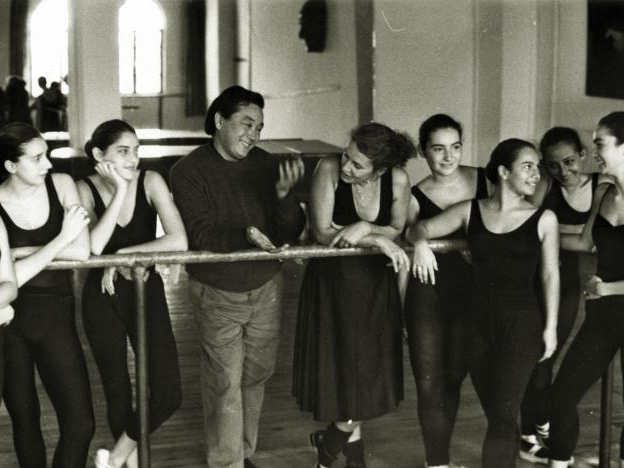
Ramazan Bapov
Ramazan Bapov is a star of the Kazakh ballet, who left a bright mark in the history of world art. His name has become a symbol talent, dedication and devotion to the stage. Born into a simple working-class family, he found himself in the world of art from childhood. His brothers were the first to go into ballet, and then, as if by the call of fate, Ramazan himself was noticed by the great teacher Alexander Seleznev. Since then, his incredible story began. As a student at the Moscow Choreographic School, he immediately attracted attention with his plasticity, expression and unique manner of performance. In 1966, being an unknown young artist, he won silver at a prestigious competition in Varna, losing only to Mikhail Baryshnikov. Despite offers to stay at the Bolshoi Theater, Bapov returned to his homeland and became a soloist of the Kazakh Opera and Ballet Theater named after Abai. On stage he was not just a dancer—he was an artist. His jumps resembled flight, and the dramatic depth of his performance captivated the audience. Maya Plisetskaya herself was admired by his manner dance: lightness, brilliance, brightness and subtlety of each movement. The first and only People's Artist of the USSR in the history of Kazakhstan ballet, he represented the country on the world's best stages — from Europe to Asia. Later he passed on his experience to young dancers, taught in Turkey and the USA, founded his own ballet school.In 2007 he returned to Kazakhstan at the invitation of the president and became the chief choreographer of the Kazakh Opera and Ballet Theater. Even in the last years of his life he remained faithful to art, raising a new generation of artists.Ramazan Bapov is a name that will forever remain in the history of Kazakhstan ballet, and his work is in the hearts of fans around the world to the world.
Read more →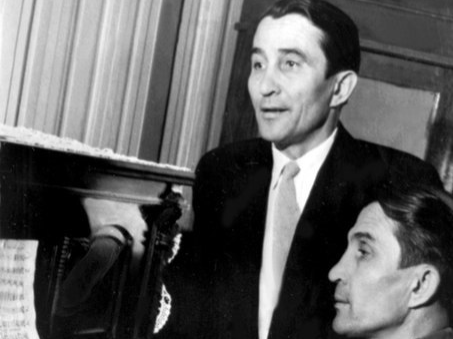
Rishat Abdullin
Rishat Abdullin is a velvety baritone who filled the Kazakh opera with life, depth and genuineness emotion. A voice, in which the grandeur of the steppes, the power of the people's soul and subtle lyricism sounded. His work is not just opera arias, but a whole era in the history of Kazakh art.He was born in 1916 in Ust-Kamenogorsk, in a family of Tatar origin. Since childhood, together with his twin brother Muslim, he helped to his father, working in a mine. Hard work strengthened his character, but music always lived in him. He felt it intuitively – and soon this talent led him to the world of art.Studying at the Alma-Ata Music and Drama College, then – in the Kazakh studio at the Moscow Conservatory. Years of hard work, awareness of yourself, your voice. And So, in 1944 he becomes the first performer of the role of Abai in the legendary opera by AkhmetZhubanova and Latifa Hamidi “Abai.” From that moment on, his name is firmly associated with the Kazakh opera stage.Soloist of the Kazakh Opera and Ballet Theater for forty years years. Voice, to which the leading roles in the operas of Russian, Western European and Soviet composers are subject. In the art of opera, he found his own style, his manner of performance strong, sincere, penetrating into the very heart.Rishat and Muslim Abdullins – the duet which became legend. One a tenor, the other a baritone, they created real magic on stage. Their duets were heard in concerts, films, at opera stage. Kazakh, Russian, Tatar folk songs, works of great classics – everything they touched, turned into musical gold.Fame, recognition, the title of People's Artist of the USSR, film roles – his life was full of art. And even when he left stage, his voice remained alive in the recordings, in the hearts of listeners, in the history of Kazakh culture.Rishat Abdullin is not just a singer, he is a voice that filled the Kazakh opera with soul.
Read more →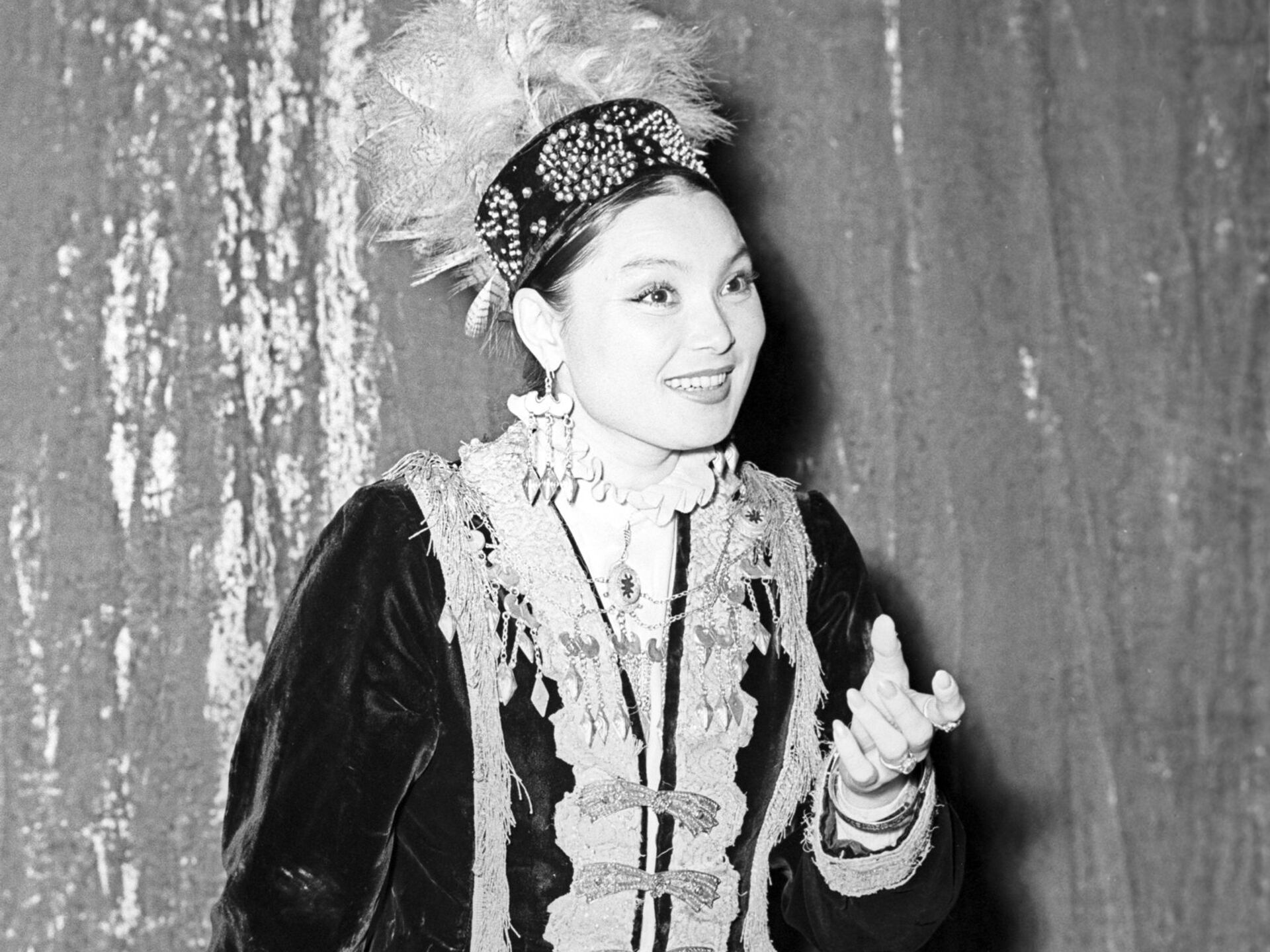
Roza Baglanova
Roza Tazhibaevna Baglanova (1922–2011) is a legendary Kazakh singer, People's Artist of the USSR, one of the most famous performers of Kazakh folk and pop songs. Her name has become a symbol of steadfastness, talent and dedication to art, and her voice has captivated listeners around the world. She was born on January 1, 1922 in the Kyzylorda region. From childhood, she showed musical talent, and after graduating from school she entered the Tashkent Textile Institute. However, the war changed her fate - during the Great Patriotic War she performed with concert brigades in front of soldiers at the front, raising their fighting spirit. After the war, her career developed rapidly. She became a soloist of the Kazakh State Philharmonic, and then the State Academic Opera and Ballet Theater. Her repertoire included both Kazakh folk songs and pop works in various languages, including Russian, Uzbek, Korean, Chinese and even German. Roza Baglanova triumphantly performed on the world's largest stages, including the Kremlin, Berlin, Paris, Prague, Vienna, Warsaw and Beijing. Her hallmark was the song “Ah, Samara-gorodok”, which she performed with special warmth. For her contribution to the development of art, she was awarded many awards, including the title of People's Artist of the USSR (1967), the Order of Lenin, the Order of Otan and other high state awards. Despite her venerable age, she continued to perform, remaining true to her calling.Roza Baglanova left a deep mark on the history of Kazakh culture. Her voice, filled with warmth and strength, remains part of the heritage of Kazakhstan, and her name is forever inscribed in the golden fund of world musical culture.
Read more →
Roza Rymbayeva
Roza Kuanyshevna Rymbayeva (born October 28, 1957) is a legendary Kazakh singer, People's Artist of the Kazakh SSR, one of the most famous and respected performers in the history of Kazakh pop music. Her name has become a symbol of the musical art of Kazakhstan, and her voice and stagecraft have captivated millions of listeners. She was born in the Semipalatinsk region (now the Abai region). From childhood, she showed musical abilities and soon entered the pop and circus school in Alma-Ata. In 1976 she became a soloist of Kazakhconcert, where her professional career began. Roza Rymbayeva gained real fame after winning the International Competition for Young Performers “Golden Orpheus” in Bulgaria (1977). This triumph opened her way to the world's largest stages. Subsequently, she represented Kazakhstan and the USSR at international festivals, performing in Europe, Asia and North America. The singer's repertoire includes pop, folk and academic works. Among her most famous songs are “Aliya”, dedicated to the heroine of the Great Patriotic War Aliya Moldagulova, “Tugan Zher”, “Kunge Tabynu”, “Kesteli Oramal” and many others. Her voice is distinguished by its power, depth and emotionality, and the stage manner of performance makes each performance unforgettable. For her contribution to the development of culture of Kazakhstan, she was awarded many awards, including the title of People's Artist of the Kazakh SSR, orders “Otan”, “Parasat”, as well as numerous international awards. In addition to her musical career, Roza Rymbayeva is engaged in teaching, training young artists, and actively participates in charitable projects.Today, she continues to delight fans with new performances, remaining one of the main stars of the Kazakh pop music scene. Her name is firmly associated with the musical heritage of Kazakhstan, and her work inspires new generations of performers.
Read more →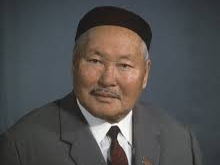
Sabit Mukanov
Sabit Mukanov is one of the key figures of Kazakh literature. He was born 13 (26) April 1900 in the Akmola province (now the North Kazakhstan region). Orphaned early, he experienced poverty and hard work, but the desire for knowledge and art did not leave him. Received his primary education from the aul mullahs, then graduated from teacher courses in Omsk, studied at the Orenburg workers' faculty, and later – at the Moscow Institute of Red Professorship in the literary department.Sabit Mukanov’s creative heritage covers almost all literary genres. Starting with poetry, he wrote such works as “Konilim”, “Bostandyk”, “Zhumashtyn” Olimi" and the famous poem "Sulushash". Later he turned to prose, creating significant novels "Botagoz", "Syr Darya", the autobiographical trilogy "School of Life" and a novel about Shokan Valikhanov “A Flashing Meteor.”In addition to fiction, Sabit Mukanov made a significant contribution to science and literary criticism. He studied the history of Kazakh literature XVIII – early XX century, studied the works of such writers as Saken Seifullin, Mukhtar Auezov, as well as the literary heritage of Abay Kunanbayev and Chokan Valikhanov. His works have been translated into 46 languages and are stored in the largest libraries in the world, including the US Library of Congress and the National Library of Australia.Sabit Mukanov was not only a writer, but also an active public figure. He headed the Writers' Union of Kazakhstan, taught at the Kazakh Pedagogical Institute,worked as a war correspondent during the Great Patriotic War, was a deputy of the Supreme Council of the Kazakh SSR. For his services, he was awarded many awards, including two Orders of Lenin and the State Prize named after Abai.Sabit Mukanov died on April 18, 1973 in Almaty, leaving behind a rich literary and scientific heritage that continues to inspire new generations of readers and researchers.
Read more →
Saken Maygaziev
Saken Maigaziev is a Kazakh singer, teacher and public figure who has made a significant contribution to the development of Kazakh pop music music. For decades, he has remained one of the brightest representatives of the national music scene, successfully combining traditional and modern trends in his work. Since 2001, he has been a soloist of the popular ensemble MuzART, which played an important role in the popularization of Kazakh pop music. The group not only brought a new look to the country’s music industry, but also maintained connections with folk songs. traditions. Their repertoire includes both modern pop compositions, and arrangements of folk songs, which allowed attract a wide audience and preserve the national musical heritage. In addition to performing activities, Maigaziev pays great attention to pedagogy and education of a new generation of artists. He works as a teacher at the Republican College of Variety Circus Arts and the Kazakh National Academy of Arts, where he holds the position of vice-rector for creative work and international relations. His professional training includes not only vocal training skill, but also scientific activity – he defended his dissertation on the topic “Kazirgі kazakh pop music ethnofolklore tendencies”, exploring the development of ethnofolklore elements in modern Kazakh pop music.His contribution to the culture of Kazakhstan has been recognized with many awards, including the State Youth Prize "Daryn", the title "Honored Worker of Kazakhstan", and medal “Halyk Algysy”. His activities cover not only the stage, but also teaching, research work and social activities, contributing to the development of the country's musical art.
Read more →
Saken Seifullin
Saken Seifullin is one of the brightest representatives of Kazakh culture, poet, writer, statesman figure, the founder of modern Kazakh literature. His name is forever inscribed in the history of the country as a symbol of inspiration, courage and boundless love for his people. Born in 1894 in the endless steppes of the Akmola district, from a young age he was imbued with the spirit of his people, its traditions, language, music. Gifted with literary talent, Seifullin managed to transform Kazakh poetry, combining in it ancient traditions and modern artistic trends. His works became the voice era, which reflected the hopes and aspirations of the Kazakh people. Among his works are the novel Our Life, a textbook on the history of Kazakh literature, poetry collections Otken kunder", poems "Kyzyl at", "Kokshe tau" and memoirs "The Thorny Path". Seifullin was not just a writer, but also an active public figure, who devoted his life to the struggle for the development of national culture and language. He is the first among Kazakh writers were awarded the Order of the Red Banner of Labor, and his poems inspired thousands of people. However, his patriotism became the reason for his tragic fate. During the period repression, Seifullin was arrested and executed in 1938. Despite this, his ideas, works and love for Kazakhstan remained in the hearts of people. Today, streets, schools and museums bear his name, and his works continue to inspire new generations. Saken Seifullin is not just a writer and public figure, this is an era that has become part of the Kazakh soul.
Read more →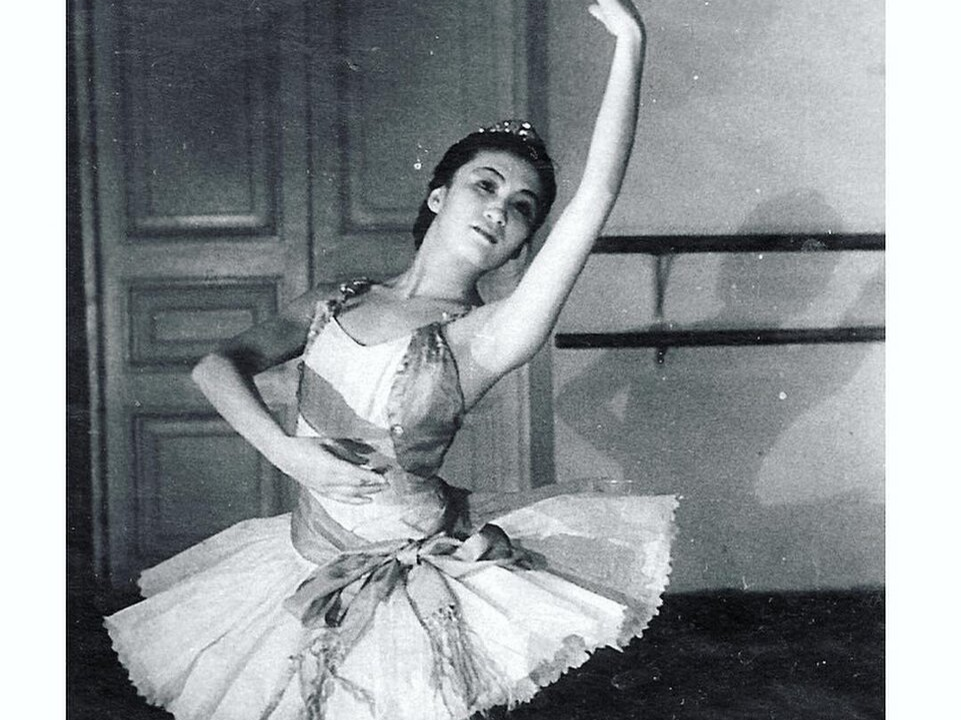
Sara Kusherbaeva
Sara Idrisovna Kusherbaeva – outstanding Kazakhstani ballerina, choreographer, teacher, professor, People's Artist of the Kazakh SSR (1966). Born February 6 1933 in Alma-Ata. Studied at the Alma-Ata School of Choreography with A. V. Seleznev, then at the Leningrad Academic Choreographic School with V. Kostrovitskaya, N. Kamkova and other masters. In 1954 she became a soloist ballet of the Kazakh State Academic Opera and Ballet Theater named after Abay. She made her debut in the role of Parasha in “The Bronze Horseman” (1955). She performed leading roles in the ballets “Sleeping Beauty”, “Swan Lake”, “Giselle”, “Don Quixote”, “La Bayadère”, "Spartak" and many others. Toured in Germany, Hungary, Mongolia and other countries. From 1973 – repetiteur-choreographer of the theater, from 1975 to 1986 year – director of the Alma-Ata choreographic school, educated many talented artists. In recent years, she has been engaged in literary activities, published memoirs. She died on January 24, 1999 in Alma-Ata. Her contribution to the development of Kazakhstan ballet remains invaluable.
Read more →
Sauyk Zhakanova
Sauyk Masigutkyzy Zhakanova is one of the most recognizable voices of Kazakhstan radio, an honored artist of Kazakhstan (1995), Honored Worker of Kazakhstan (2021), teacher and master of artistic expression. Her voice sounded in the homes of Kazakhs for decades, accompanying them on weekdays and holidays, leaving an indelible mark on the history of our country radio broadcasting.Sauyk Zhakanova was born 11 February1945 in the village of Erkindik, Shet district, Karaganda region. Her parents were simple rural workers, but dreamed of giving their children a decent education. Sauyk, being the eldest in the family, always felt responsible for the future and from her youth showed interest in literature and the art of words.In 1966 having passed a strict competitive selection, Sauyk Zhakanova became an announcer of the Kazakh radio. At that time, the profession of an announcer required not only impeccable command of the Kazakh language, but also a deep understanding of the text, intonation and emotional message.For 36 years, she has been one of the country's leading voices news, radio plays, documentary programs. Her voice sounded in the most significant state and cultural broadcasts, and for many Kazakhstanis it became a symbol of stability and reliability.The peculiarity of Zhakanova’s work was maximum preparedness: she never allowed herself to read the text mechanically, she always conveyed its depth and meaning.In 1995, she was awarded the honorary title of Honored Artist of Kazakhstan, which was recognition of her enormous contribution to the development of radio broadcasting.Having completed her radio career in 2002 Sauyk Zhakanova did not move away from her favorite work. She began teaching stage speech at the Kazakh National Academy of Arts named after T. Zhurgenov and also became an associate professor at the Faculty of Journalism at the Kazakh National University named after al-Farabi.Her authority in the field of the art of words made her one of the most sought-after mentors for young journalists and announcers. She conveyed not only technical skills, but also a unique professional approach – the ability to convey the meaning of the text to the listener with soul and depth.These works have become important educational material for future journalists, speakers and presenters, forming a high standard of Kazakh radio broadcasting.In 2021 she was awarded the title “Honored Worker” Kazakhstan,” which became another recognition of her contribution to the development of culture and media in Kazakhstan.
Read more →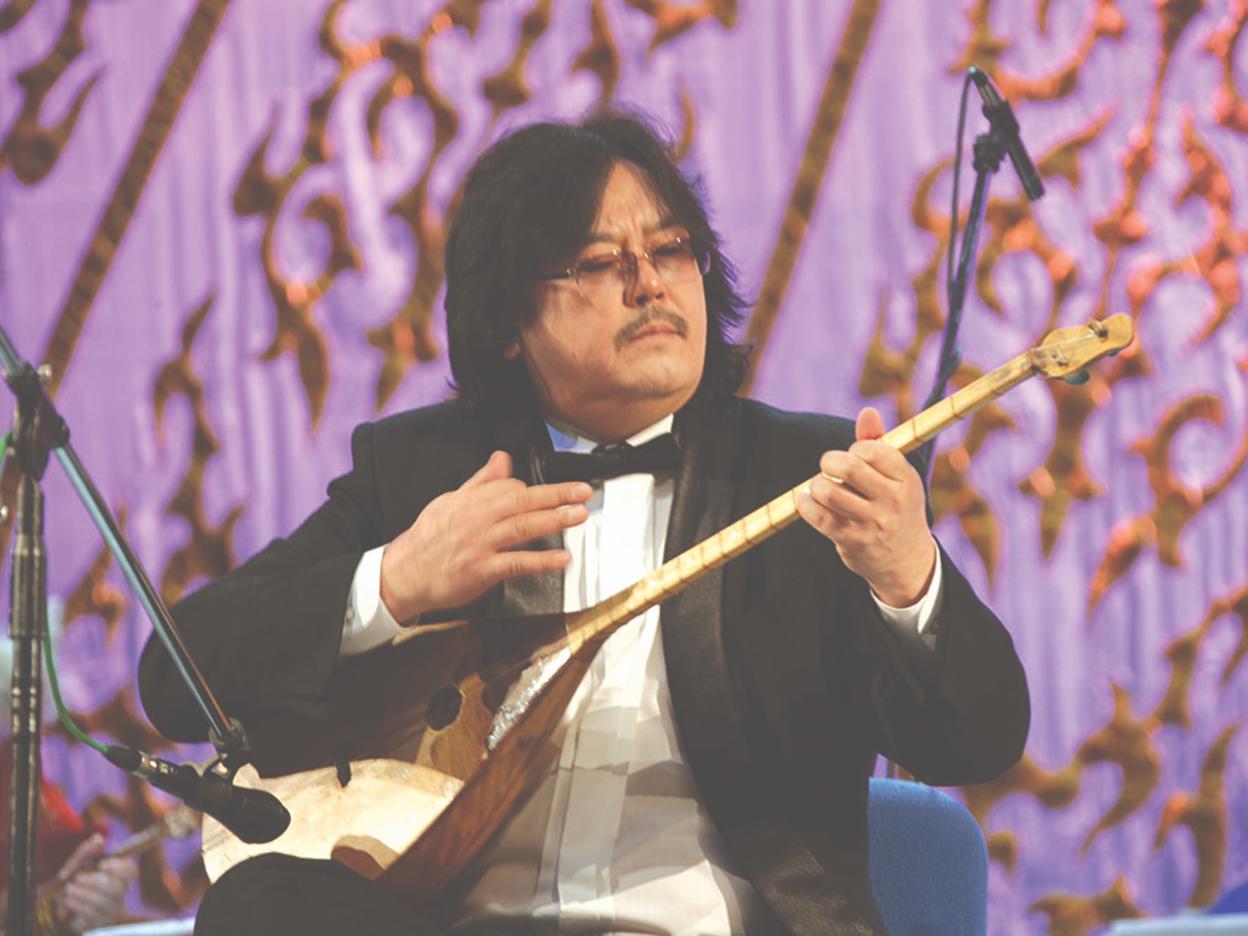
Seken Turysbekov
Seken Karimuly Turysbekov (born March 22 1961, Urjar district, East Kazakhstan region) – Kazakh composer, kyuishi, dombyrashy. Honored Artist of Kazakhstan (1992), winner of the Lenin Komsomol Prize of Kazakhstan (1989), chevalier orders "Parasat" and "Kurmet".His present name – Serikbolsyn. Graduated from the Semipalatinsk Music School, then the Almaty Conservatory (now the Kazakh National Conservatory named after Kurmangazy) underunder the leadership of Magauiya Aubakirov. He worked in the ensemble "Sazgen", and in 2001 became artistic director of the ensemble "Konyr" Kaz" at the Eurasian University.Author of many famous works, among which:- kui: “Konil tolkyny”, “Bozdak”, “Okinish”, “Akzharma”, “Ak Zhauyn”, “Balausa”, “Daraboz”, “Uly” gave";- songs: “Akku sazy”, “Erke kusym”, “Koktemim menin”, “Konyr kaz”, “Shagala”.His work deeply reflects traditional Kazakh motifs and the philosophy of the steppe people.
Read more →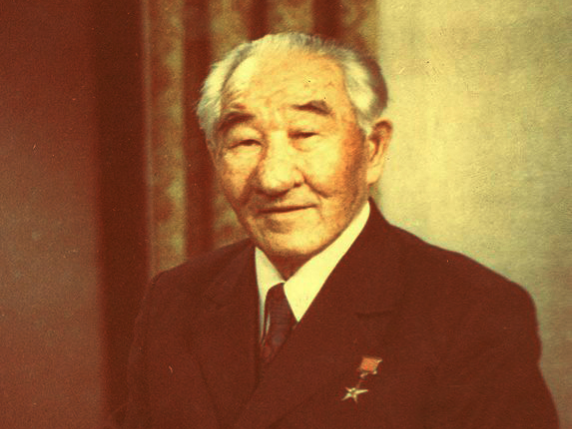
Serke Kozhamkulov
Serke Kozhamkulov (1896–1979) – Kazakh theater and film actor, People's Artist of the Kazakh USSR (1936), Hero of Socialist Labor (1976), winner of the Stalin Prize (1952). One of the founders of the professional theatrical art of Kazakhstan. Born in the Kostanay region, lost his father early. An interest in art was awakened by relatives, including the writer Beimbet Maylin. Studied at a Tatar school, then at the Institute of Public Education in Orenburg. In 1919 was in the Alibi Zhangeldin partisan detachment, later worked as an investigator. In the 1920s, he played in the troupe of Kyzyl Keruen, and took part in productions of plays by S. Seifullin, S. Mukanov, and G. Musrepov. In 1925, he became a director. the first Kazakh theater in Kyzyl-Orda. Played key roles in the plays of M. Auezov, B. Mailin, Gogol and Shakespeare. In the 1930s, his acting talent was revealed, especially in comedic roles. Contemporaries noted his insight into the characters and the accurate rendering of intonations. Among the bright roles is Maybasar in "Abay", Tymakbai in "Amangeldy", Strawberry in "The Inspector General". Made a significant contribution in the development of Kazakh cinema, playing in films 1930-1940s. Awarded orders and medals for outstanding skill, left a bright mark in the history of national art.
Read more →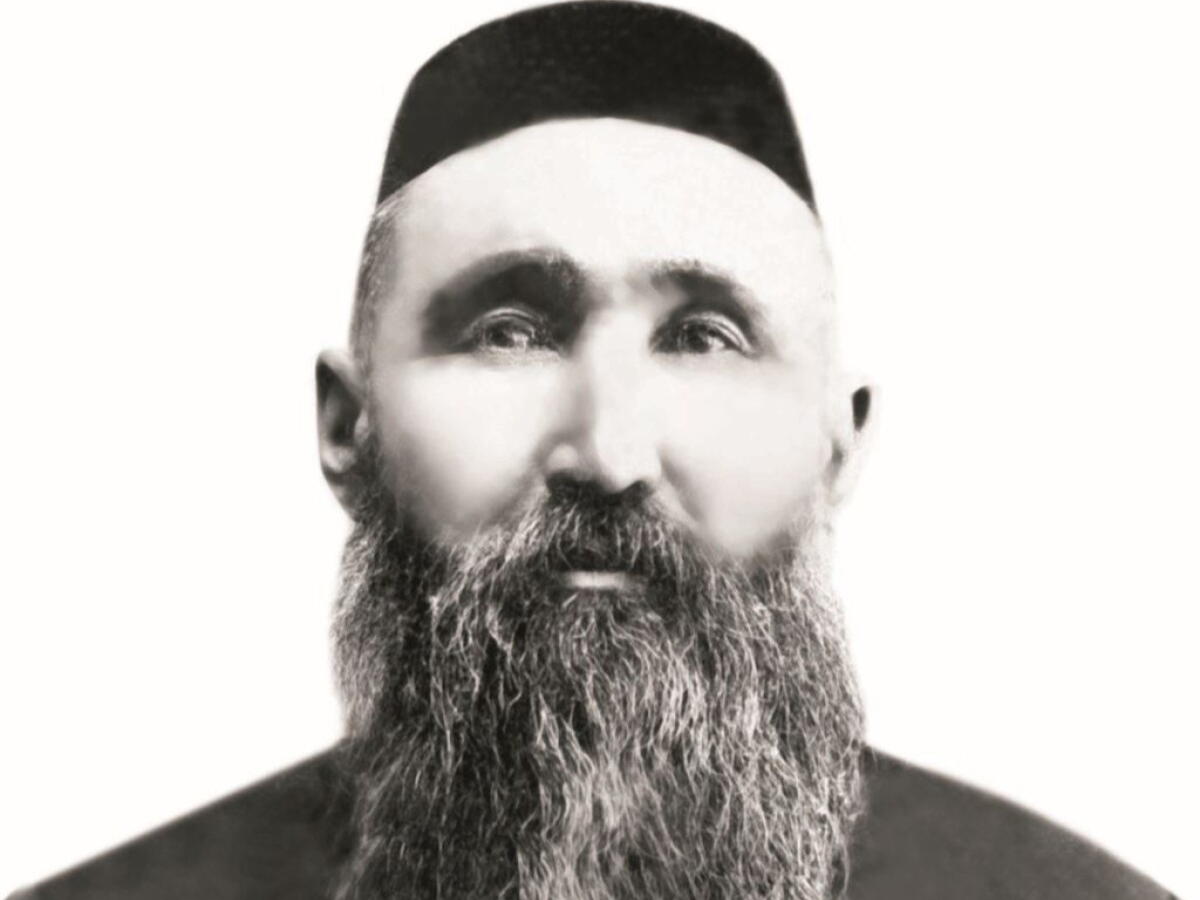
Shakarim Kudaiberdiev
Shakarim Kudaiberdiev – outstanding Kazakh poet, writer, translator, composer, historian and philosopher. Born 11 (23) July 1858 in the area of Ken-Bulak, Semipalatinsk region. He was the nephew of Abay Kunanbayev and his student, continuing the ideas of his famous uncle in the field of philosophy, literature and spiritual self-improvement.Present the name – Shakhkarim, but the nickname “Shakarim” (which means “sweet”, “dear”), given by Kunke’s mother, stuck with him for the rest of his life. Shakarim’s family belonged to the local nobility, his ancestors were rulers and biys of the Tobykty tribe argyn.In his youth, Kudaiberdiev was involved in politics, was elected as a volost ruler. However, from 1898 he devoted himself entirely creativity and self-education. He deeply studied Western and Eastern literature, mastered the works of such poets and thinkers as Hafiz, Fizuli, Navoi, as well as the works of Byron, Pushkin and Tolstoy. He independently mastered Arabic, Persian, Turkish and Russian languages.In 1903 became a member of the West Siberian branch of the Imperial Russian Geographical Society. In 1906 made the Hajj to Mecca, visited Egypt and Istanbul, worked in libraries, sending books to Semipalatinsk.Shakarim actively participated in the national liberation movement "Alash". His works were published in the magazines "Abai", "Aykap", "Sholpan" and the newspaper "Kazakh".Shakarim's lifetime publications include:- book "Mirror of the Kazakhs"- poems "Kalkaman-Mamyr" and "Enlik-Kebek"- translations of Hafiz's poems and Fuzuli's poem "Leili and Majnun"- poetic translation of the story Pushkin “Dubrovsky” and the story “Blizzard”Shakarim Kudaiberdiev left a deep mark in the history of Kazakh literature and philosophy, his works are still studied and republished.
Read more →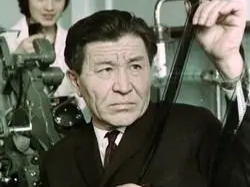
Shaken Aimanov
Shaken Aimanov(1914–1970) – a legend of Kazakh cinema, a man who not only created films, but shaped national cinema. People's Artist of the USSR (1959), director, actor and inspirer of the whole generation. Born in Bayan-Aul in the family of a peasant cattle breeder, but his pedigree goes back to the great biys of the Middle zhuz. Childhood in the steppe, education in Semipalatinsk – all this strengthened his character. Theater was his first love. In 1933 at the invitation of Gabit Musrepov, he ended up in the Kazakh Drama Theater, where he not only shone as an actor, but was also the main director. But his dream was more – cinema. “I love theater, but theater cannot reach as many viewers as cinema,” said he. In 1953 he devoted himself entirely to cinema. At Kazakhfilm, Aimanov became a pioneer of new Kazakh cinema, creating films that were watched throughout the USSR. "Our Dear Doctor", "The Beardless Deceiver", "Angel in a Skullcap" - these paintings are still considered classics. He was not afraid to go out framework. It was Aimanov, being a member of the jury of the Moscow Film Festival, gave the decisive vote for the film by Federico Fellini, although they were secretly waiting for the victory of the Soviet film. He was the first to bring the Kazakh language to the world stage, by reading Othello’s monologue in England.
Read more →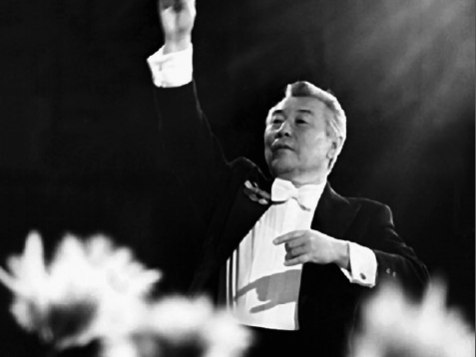
Shamgon Kazhgaliev
Shamgon Sagaddinovich Kazhgaliev – outstanding Kazakh conductor, dombra player, teacher, People's Artist of the USSR (1985). pre-wrap;">Born 15 June 1927 in the village of Uyalykum (West Kazakhstan region). He lost his parents early, was brought up in an orphanage. At the age of 10 he became the winner of the regional Olympiad dombra players, in 20 – winner of the republican competition.Graduated from the Kazakh Conservatory named after Kurmangazy (1950) and the Leningrad Conservatory (1964). Since 1952 – artistic director and chief conductor of the Kazakh State Orchestra of Folk Instruments named after Kurmangazy. In 1953, the orchestra won a gold medal at the IV World Festival of Youth and Students in Bucharest.Developed the orchestra's repertoire, including works by Mozart, Beethoven, Tchaikovsky, Khachaturian, as well as kuis of Kurmangazy, Dauletkerey, Dina Nurpeisova. Together with folklorist Bolat Sarybaev, he restored 9 forgotten Kazakh musical instruments. Processed more than 200 works, created scores 20 kuyev of Akhmet Zhubanov.The orchestra under his direction toured Europe, Asia, the USSR. In 1968–1971 he headed the State Symphony Orchestra of the Kazakh SSR. since 1970 taught at the Kazakh Conservatory, si 1980 - professor.Since 1992, artistic director of the Karaganda Academic Orchestra of Folk Instruments named after Tattimbet. Created an original repertoire, performed for the first time operas “Abai” and “Kyz Zhibek” accompanied by a folk orchestra.Died 2 May 2015 in Almaty, buried at the Kensai cemetery.
Read more →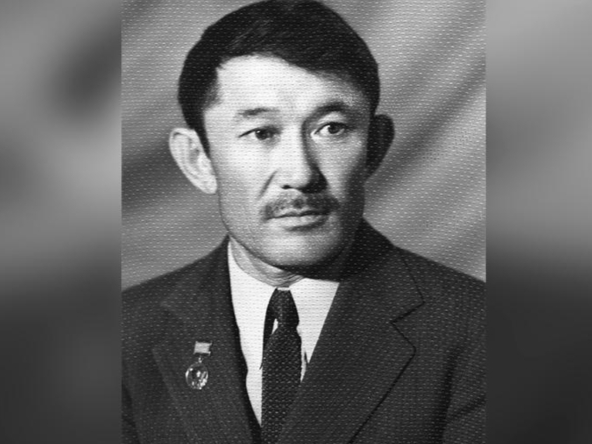
Shamshi Kaldayakov
Shamshi Kaldayakov is a person whose melodies sound in the soul of every Kazakhstani. A composer whose name has become a symbol Kazakh song, whose waltzes circle generations in the rhythm of love and nostalgia.Born 15 August 1930 in the Otrar region. At birth he received the name Zhamshid, but the affectionate “Shamshi” took root among the people - that’s how he was recorded in the documents.It would seem that fate was preparing him for a completely different profession— he graduated from a veterinary college. But the call of music turned out to be stronger. He studied at the Tashkent Musical College school, then at the Almaty Conservatory. However, his path was not easy. In 1959 he was expelled from the conservatory with the wording “for incorrect harmony.” Who would have thought what exactly will this “wrong” music become the voice of an entire nation?Kaldayakov – author more than 55 songs. Each of them is a story, a love, a memory. “Ak Sunkarym”, “Kara Koz”, “Kayykta”, “Ak Bantik” - his lyrical works have become soundtracks to the lives of millions of people. But, of course, his greatest creation is the anthem of Kazakhstan, which became official in 2006 .People called him “the king of the waltz.” He connected the Kazakh soul with the sound waltz, creating the legendary songs: “Kuanysh walsi”, “Kaidasyn”, “Bakyt kushagynda”. Moscow three times rejected his candidacy for the Union of Composers, since he did not have a higher musical education. And only after his death, during the years of independence, he received recognition which he deserved during his lifetime.Shamshi Kaldayakov did not just write music – he created a story that continues in hearts people.
Read more →
Sultan-Akhmet Khodzhikov
Sultan-Akhmet Khodzhikov is a director who captured the soul of the Kazakh people on the screen. His films did not just tell stories stories, they immersed the viewer in the atmosphere of the time, conveyed the spirit of generations and glorified the national culture. Born in 1923 Aulie-Ate (now Taraz). The fate of his family was not easy - in 1938, his father was repressed, and he himself went through the Great Patriotic War. After the war, Sultan-Akhmet began his creative work with cartoons in newspapers, but soon his path led to cinema. In 1952 he graduated from VGIK, studying with the greats masters Lev Kuleshov and Alexander Dovzhenko. Since 1953 he began working at a film studio in Alma-Ata, which later became the famous Kazakhfilm. His directorial debut was the film Mother and Child (1955). But real fame came to him thanks to the film Kyz-Zhibek (1970) - the great Kazakh stories about love, filmed on an amazing scale. This film has become a classic of national cinema, retaining its charm today. He filmed not only historical and epic films, but also pictures about modern life - “We are from Semirechye” (1958), “If each of us” (1961), “Real glass” (1965). The voice of the people, traditions and spirit of the Kazakh steppe sounded in his works. Sultan-Akhmet Khodzhikov was not just a director—he was a chronicler of his time, who created works that do not lose their relevance. His contribution Kazakhstani cinema is priceless, and films still inspire viewers with their depth, sincerity and beauty.
Read more →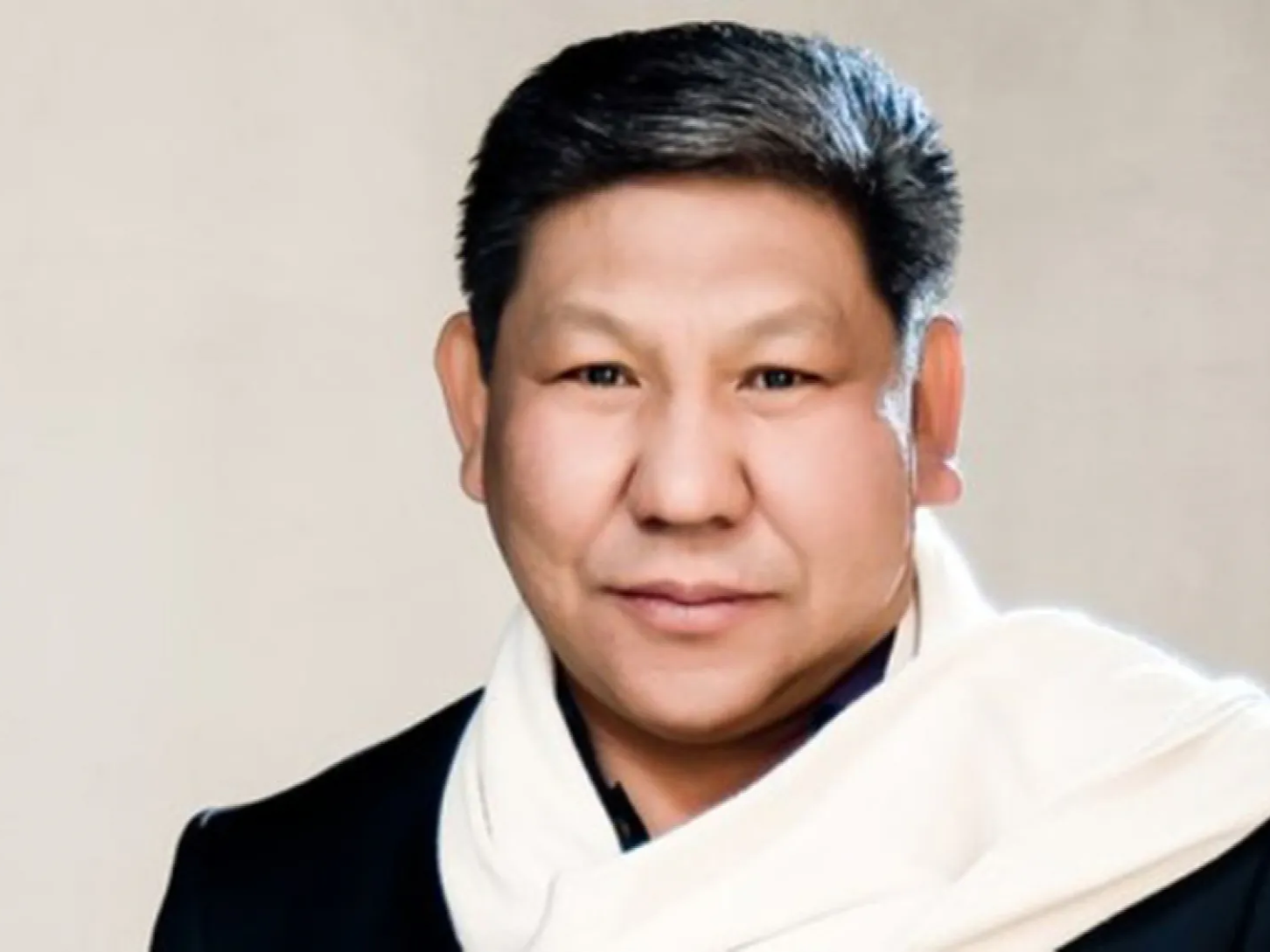
Talgat Temyonov
Talgat Temyonov is an outstanding Kazakh director, actor, screenwriter and teacher, who has made a significant contribution to development of theater and cinema in Kazakhstan. Born in 1954 in the Alma- Ata region. Graduated from the acting department Alma-Ata Conservatory, he began his career in the theater, and then moved to cinema. While working at the Kazakhfilm film studio, he studied directing and screenwriting, and in 1988, he made his debut with the film “A Wolf Among Men,” which received international recognition. Temyonov headed the Almaty Theater Institute, was the general director of Kazakhfilm, and also led the Kazakh State Theater for Children and Youth for many years. Since 2014, he has been the artistic director of the Kazakh Musical Drama Theater Theater named after K. Kuanyshbaev, continuing to shape the cultural space of the country.
Read more →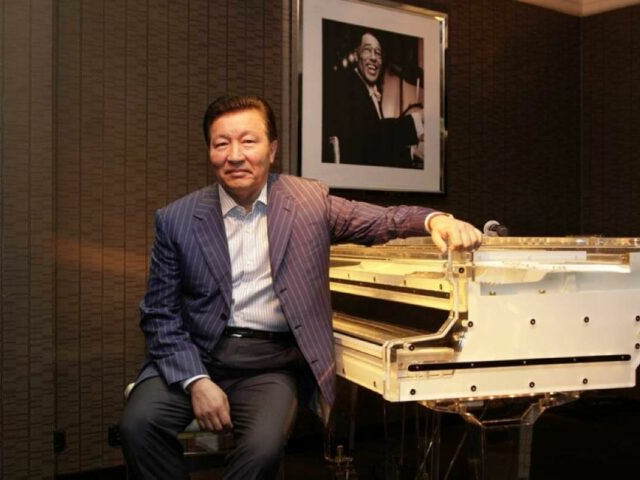
Tolegen Mukhamedzhanov
Tolegen Mukhamedzhanov is a man of rare talent and amazing destiny. He is not just a composer, he is an artist sounds, capable of turning music into a living emotion, into history, into the breath of time. Born in 1948 in the Beskaragai region, he did not hold an instrument in his hands from childhood, knew not from his youth that he would become a composer. At twenty-five years old, he entered the conservatory, not knowing how to play the piano, but years later after hard work, he became a Lenin Scholar and passed the exams for the Moscow Conservatory. This was the first step towards leaving a mark in art. In 1983 his first author's disc was released in Moscow. Soon he headed the State Academic Opera and Ballet Theater named after Abai. Later he oversaw the culture of Astana, was involved in legislative affairs activities, but music always remained his main language. He created symphonies, operas, string quartets, wrote music for theater and cinema. His works are filled with deep meaning and reflect the philosophy of the Kazakh people. Under the pseudonym Jean Luna, he published a collection of poems, and his rock opera "Zheruyik" became a cultural event. Author's evenings attracted full houses from Almaty to Moscow. His work has become the voice of the time, and he himself is a man whose music penetrates into the very soul.Today his works are performed on the best stages, his music remains eternal. Talent, hard work and sincerity these are the three notes of which the symphony of his life is composed.
Read more →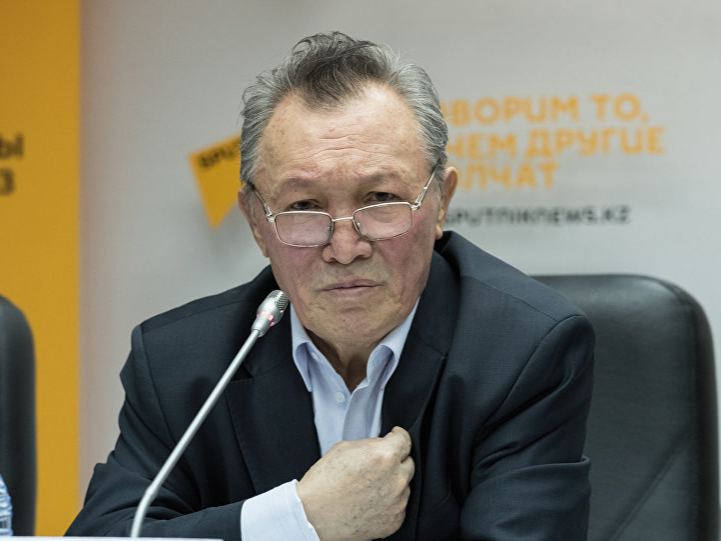
Tolen Abdikov
Tolen Abdikov is a writer who knows how to penetrate into the very essence of the human soul and reveal complex issues of existence. His works are reflections on truth and lies, life and death, fate and freedom. Born in 1942 in the Kostanay region. He began his literary career in the 1960s, when his first the story “Raikhan” saw the light of day. Soon he became one of the leading writers of Kazakhstan, whose works speak to the reader in the language of truth. In his collections “Horizon” (1969), “Autumn Leaves” (1971), “Truth” (1971) themes of moral choice, conscience and human relationships sound. His novel “Equinox” (1985) deeply reveals the tragedy of collectivization, showing the complexity and drama of those years. In addition to artistic creativity, Abdikov actively participated in public life – worked in literary publications, headed departments in newspapers and almanacs, was an assistant to the President of Kazakhstan, was involved in domestic politics. His talent was not limited only to prose— he also worked on translations. Thanks to him, ancient Greek myths became available in the Kazakh language in the book “Hellas Erleri” (1977). Abdikov is a writer whose books make you think, rethink your life and look at the world in a new way. For his contribution to literature, he was awarded the title of People's Writer of Kazakhstan, and his works continue to inspire readers to search for truth.
Read more →
Tolkyn Zabirova
Tolkyn Zabirova was born in the city of Ayaguz, Semipalatinsk region. She received her first music lessons at the elementary music school of her hometown. Already from the third grade she was enrolled in the Republican music school for gifted children named after A. Zhubanov, where she studied choral conducting. After graduating school, entered the Kazakh State Conservatory named after Kurmangazy choosing the specialty “Solo singing.” People’s Artist of the USSR Bibigul Tulegenova became her mentor. After completing her studies, she worked for a year as a soloist of the Kazakh State Philharmonic named after Dzhambul, and then returned to the Conservatory, where she became an assistant-trainee at the Department of Methods and Pedagogy with Professor V.N. Orlenin. At the same time, she continued her postgraduate studies, combining teaching with active concert performances activities. In 2010 she defended her PhD thesis on the topic “New paradigmatic foundations for the formation of the singing voice in the context of the operatic culture of Kazakhstan.” Her creative career covers three main areas: classical chamber music, Kazakh folk songs and popular pop music. Over the years, Tolkyn Zabirova has recorded about 20 video clips and prepared several major concert programs, including: “Three in One” (2001), “The Proud Charm of Posture” (2004), “Music of the Soul” (2006), “Love for Beautiful Music” (2008). In 2005, she performed Mozart’s motet, accompanied by the Russian orchestra “Moscow Virtuosi”, conducted by Vladimir Spivakova. The concert dedicated to the anniversary of her teacher Bibigul Tulegenova was released on DVD. Her discography includes more than 10 music albums, published on CD, DVD, VHS and audio cassettes. As a representative of cultural delegations of Kazakhstan, she has repeatedly performed abroad. She is a laureate of several international competitions, and regularly takes part master classes with leading vocal teachers in Austria, Germany and other countries. For her contribution to the development of musical art, Tolkyn Zabirova was awarded an honorary title “Kazakhstannyn enbek sinirgen kairatkeri” (Honored Worker of the Republic of Kazakhstan). Is a laureate of the First President's Fund Kazakhstan. Actively engaged in scientific and teaching activities, among her students are laureates and diploma winners of international competitions. Author monograph “Formation of a national vocal school: search for a new paradigm” and more than ten scientific articles.
Read more →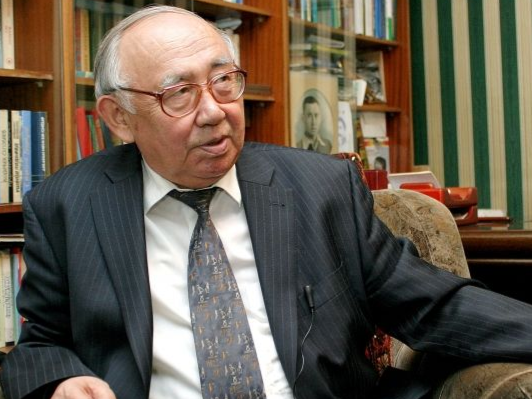
Tumanbai Moldagaliev
Tumanbay Moldagaliev is one of the brightest Kazakh poets, whose soulful lyrics have won the hearts of many generations. His work covers themes of love, nature, life and philosophical reflections. Born in 1935 in the Almaty region, graduated from the Kazakh State University. He worked in the leading literary publications of Kazakhstan, held the posts of editor-in-chief of the magazines "Baldyrgan" and "Zhalyn", and also was the secretary of the board of the Union of Writers of Kazakhstan. The debut collection “Student Notebook” was published in 1957 . Subsequently, such famous poetic works were published books such as “Koktem Tany”, “Zulaydy Kunder”, “Shakyrady Zhaz Meni”, “Mahabbat oty Sonbeidi”, and many others. His poems became the basis for popular songs, written in collaboration with composers Nurgisa Tlendiev, Shamshi Kaldayakov and Altynbek Beyseuov ("Kustar әni", "Kustar kaityp barady", "Anim sen edің")In addition to poetry, he was involved in translations into Kazakh of works by George Byron, Mikhail Lermontov, Rasul Gamzatov, Zulfiya, as well as excerpts from Kyrgyz epic “Manas”. His works have been translated into Russian, Uzbek and other languages. For his contribution to literature he was awarded the State Prize Kazakhstan (1982), International Prize named after Fuzuli (1992), titles of People's Writer of Kazakhstan (1996), awarded the orders “Parasat” and “Dostyk” I degree (2010). The work of Tumanbay Moldagaliev remains alive and relevant, inspiring new poets and performers.
Read more →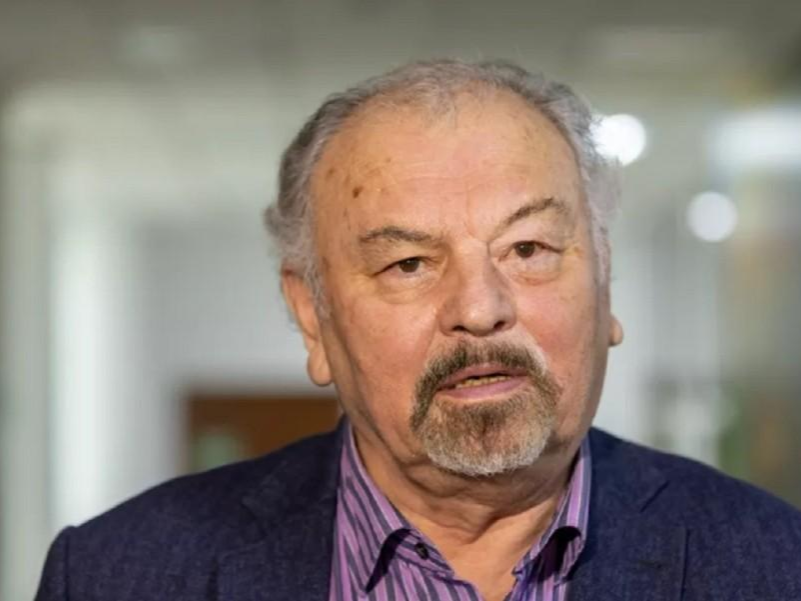
Tungyshbai Al-Tarazi
Tungyshbay Kadyruly Zhamankulov (Al-Tarazi) – Soviet and Kazakh film and theater actor, theater teacher, director, candidate of art history, professor.Born on October 2, 1948, in the village of Abai, Baizak district, Zhambyl region, Kazakh SSR. In 1973, he graduated from the Almaty State Institute of Arts named after Kurmangazy (now the Kazakh National Academy of Arts T. K. Zhurgenova).After graduation, he was accepted into the troupe of the Kazakh State Academic Drama Theater named after M. Auezova, where from1993 to 2001 he held the position of director and artistic head. Since 1974 he has been engaged in teaching activities in various universities in Almaty.In 1982 awarded title of Honored Artist of the Kazakh SSR, in 1992 became People's Artist of Kazakhstan.Performed many roles, among which Syrym ("Karagoz" M. Auezova), Zhalmukhan ("Akan Seri — Aktoqty" G. Musrepova), Demesin ("Ushkentai aul" D. Isabekova), Brut ("Julius Caesar" W. Shakespeare", Abylay Khan ("Abylay Khan" A. Kekilbaeva). Also staged the plays "Turandot Khanshayim" (K. Gozzi), "Tuzdy went" (M. Gaparov), “Tomiris” (Shakhimarden).He starred in several dozen feature films.Since 1983 – member of the Union of Cinematographers of the USSR. Chairman of the Union of Theater Workers of the Republic of Kazakhstan.Winner of the Lenin Komsomol Prize of Kazakhstan (1980). Awarded a diploma of the Supreme Council of the Kazakh SSR, medal "Astana" (1998), Order "Parasat" (2008), Order "Dostyk" II degree (2015), honorary badge "For merits in the development of culture and art" (2015, Interparliamentary Assembly CIS), Order “Barys” III degree (2023). Laureate “Stars of the Commonwealth” (2024).Tungyshbai Zhamankulov remains one of the iconic figures of Kazakh theater and cinema.
Read more →
Ulytau
Ulytau (Kaz. Ulytau) is a unique musical group from Kazakhstan, performing instrumental music in the style of Kazakh ethno-rock. The group combines the sound of dombra, violin and electric guitar, creating a unique sound that combines traditional Kazakh music with elements of rock and classics. The group includes: solo guitar – Maxim Kichigin, dombra – Rustem Baekeyev, violin – Assel Isaeva, keyboards – Zhanbolat Adilov, bass-guitar – Serik Sansyzbaev, drums – Igor Javad-Zade. The name of the group comes from the Ulytau mountain range (Kazakhstan)Great Mountain), located in the Karaganda region. The idea of creating the group belongs to the famous Kazakh producer, and in 2001 the instrumental project “Doskrip” (from the words dombra and violin). Its original composition included dombra player Batyrzhan and a violinist Nailya. Later, the line-up was updated, and guitarist Maxim Kichigin joined the project, which marked the beginning of a new musical direction. The first big one The group's achievement was participation in the World Championship of Musical Performers in Hollywood (USA) in 2001. The group won the Grand Prix and the Gold Medal, which became recognition of their unique sound in the international arena. Ulytau also became laureates of the Independent Award "Tarlan" and received Prize of the Youth Union of Kazakhstan.In 2006 the debut album “Zhumyr Kylysh” was released (Two Warriors), recorded in Moscow and mixed in Los Angeles at the studio Paramaunt Records under the direction of sound producer Tim Palmer. The album included 10 compositions based on the works of Kurmangazy, Makhambet, Tlendiev, Kazangap, as well as world classics music – Vivaldi and Mozart.In 2009 after a successful performance at a rock festival in Romania the group Manowar invited Ulytau on a joint tour of Europe. The same year they performed as an opening act before the Manowar concert in Moscow. The music of Ulytau combines national Kazakh traditions and modern sounds, making ethno-rock accessible to a wide audience. They popularize Kazakh music on the world stage, creating unique interpretations of traditional kuis. The group continues to perform at international festivals, inspiring a new generation of musicians.Today Ulytau is a symbol of Kazakh ethno-rock, representing the cultural heritage of Kazakhstan at the world level.
Read more →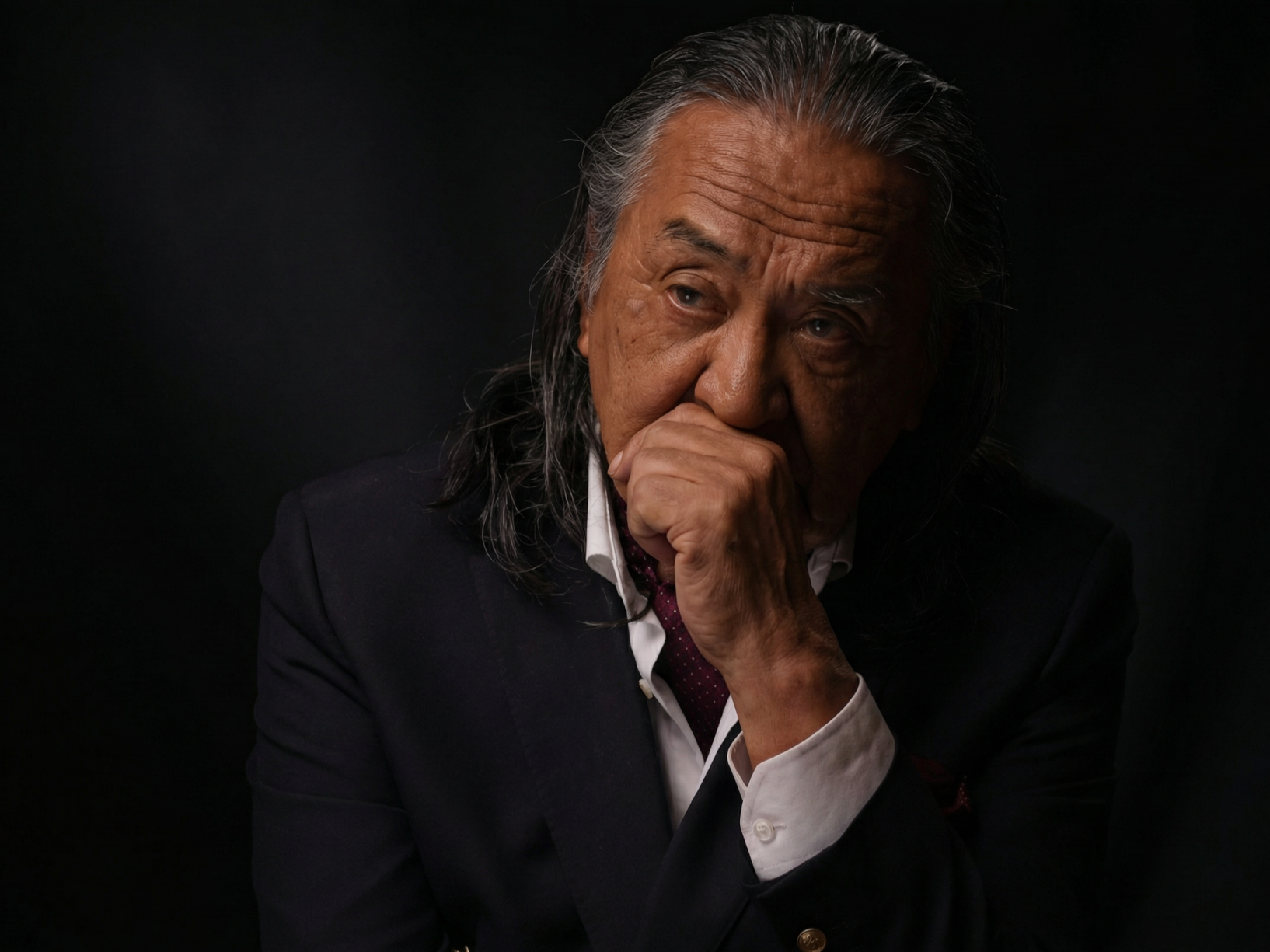
Нұрқанат Жақыпбай
Нұрқанат Жақыпбай - режиссер, профессор, Қазақстанның еңбек сіңірген қайраткері. Астана жастар театрының көркемдік жетекшісі әрі бас режиссері.
Read more →
Ренат Гайсин
Ренат Гайсин - композитор, музыкалық продюсер және музыкалық өңдеуші, Қазақстанның еңбек сіңірген қайраткері, «Парасат» орденінің иегері.
Read more →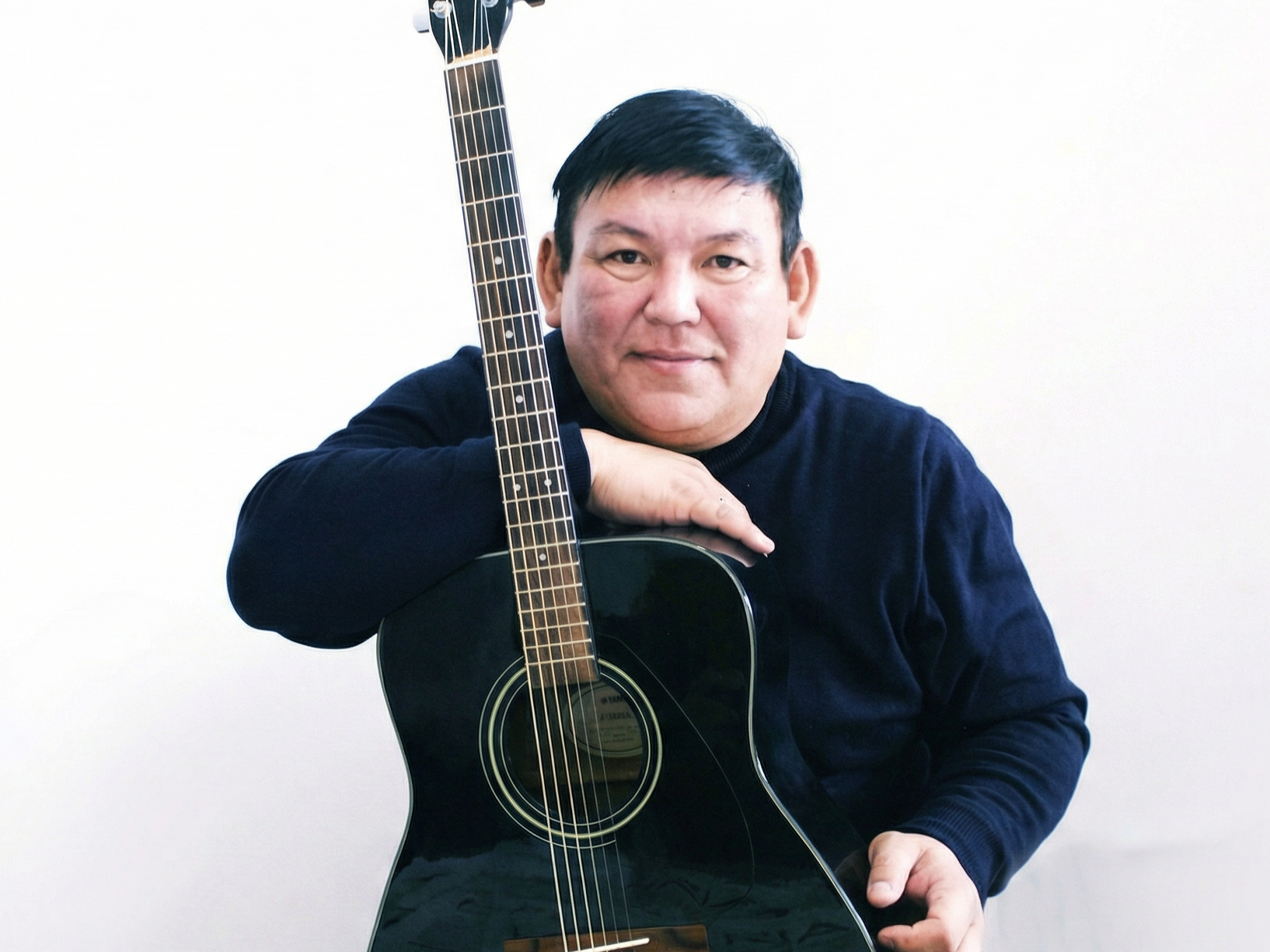
Табылды Досымов
Табылды - қазақтың тұңғыш бард ақыны, әнші-композитор. 1965 жылы 15 шілдеде Атырау облысы, Индер ауданы, Индербор кентінде дүниеге келген. 1982 жылы Әл-Фараби атындағы Қазақ ұлттық университетінің журналистика факультетіне оқуға түсіп, 1990 жылы тәмамдаған.
Read more →