WELCOME TO KAZAKHSTAN

An unforgettable adventure awaits you

27

March 27 is World Theatre Day. Established in 1961 by the IX Congress of the International Theatre Institute and celebrated annually by international theatre societies.

Album Art

Culture of the Great Steppe

Kazakhstan is located in the heart of Eurasia - at the intersection of key transportation routes. For millennia, the country's territory has served as a connecting bridge between the East and the West. Its strategic position has facilitated not only the active growth of trade but also the exchange of cultural and scientific achievements. The Great Silk Road passed through the lands of modern Kazakhstan. Caravans transported furs, gold, spices, and silk. Since ancient times, the vast steppes have united peoples and preserved many valuable artifacts. The word of Turkic origin 'Kazakh' means 'Free man,' and Kazakhstan is a country historically inhabited by freedom-loving nomads. At various stages of history, unique civilizations arose and developed here, and their heir is the modern state with a rich past and a multicultural heritage
ARTICLES

«Тұскиіз» – картина мира: художница Наталья Кривец о красоте кочевого искусства

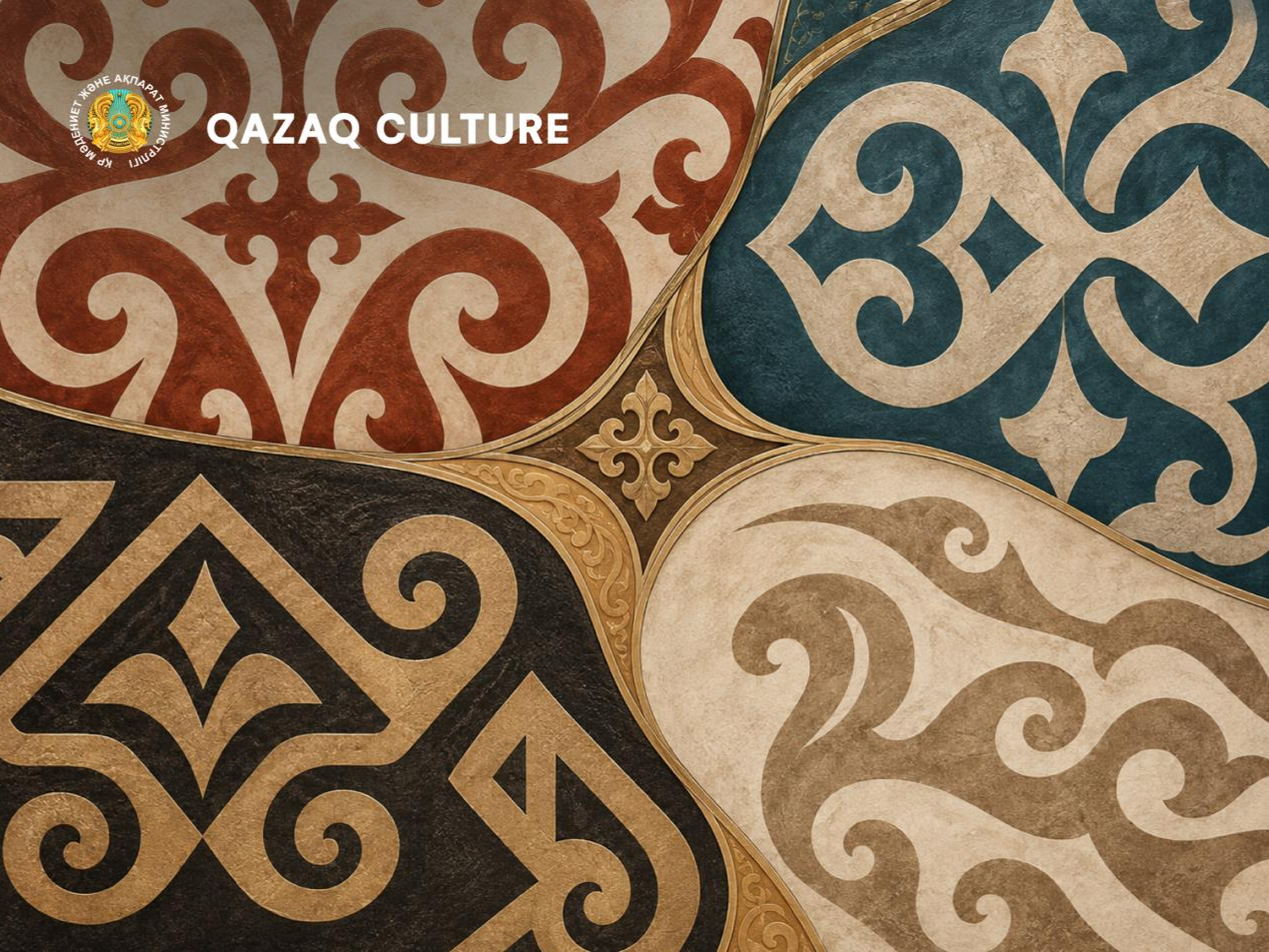
An exhibition was held in Almaty that offers a fresh perspective on the traditions of Kazakh nomadic art. The display featured antique tuskiiz—embroidered wall hangings that for centuries served not merely as decorations inside the yurt, but as carriers of symbols, wishes, and spiritual meanings. Alongside them, visitors could also see contemporary experimental works reflecting artists’ efforts to reinterpret heritage through the visual language of the 21st century.Interest in ethnic crafts and the visual code of ancestors is rapidly growing, aligning with current cultural trends and state policies aimed at preserving intangible heritage. Particularly noteworthy is the private collection of antique tuskiiz compiled by artist Natalia Krivets. For many years, she has studied traditional textiles, pursued her own creative search, and worked to make nomadic art accessible to a wide audience.For Natalia, the tuskiiz is not just a decorative object, but an entire philosophy that reveals the worldview of Kazakh culture. Her collection became the foundation of a new exhibition in which ancient ornaments and contemporary art images enter into dialogue, offering viewers the opportunity to see Kazakh textiles as a phenomenon of artistic significance.Qazaq Culture editorial team spoke with Natalia Krivets about how her collection developed, why these textiles can be considered a “picture of the world,” and the role that renewed interest in traditional textiles plays for Kazakhstan’s cultural memory.– You began collecting carpets after purchasing your first Kazakh tuskiiz. What impressed you so much about it?– When I first saw that tuskiiz, I was literally captivated by its beauty. It was so bright, rich, and emotional that it felt as if the carpet opened the door to some fantastical world where color, line, and symbol follow their own logic. Even today it remains the most striking piece in my collection. But it wasn’t only the visual impression that amazed me—I was astonished that such works were created in the conditions of nomadic life, where everything required effort, endurance, and practicality.Once I read the words of N. Roerich:“When you look at ancient ornaments, you think: what a beautiful life those people had.”This thought perfectly describes my own feeling: despite harsh living conditions, women tirelessly decorated their surroundings, investing incredible emotional energy in their work. For them, the carpet was not just décor—it was a bearer of meanings, wishes, and signs.When my collection truly began to form, when I saw how much interest these works generated and how little was known about nomadic art, I felt a desire to show tuskiiz, to talk about them, to share this world with people.– Your collection includes carpets that are several decades old. How do you find such rare pieces, and what challenges do you face?– Most of my tuskiiz date from the 1940s to the 1980s—older pieces are usually in museums because textile is difficult to preserve for centuries. We found the first carpet in an antique shop in Almaty, then searched at fairs. Later, while living in Mongolia, I expanded the collection with works made by craftswomen from Bayan-Ölgiy. Now, carpets often find me on their own—people offer them, knowing about my work.The main difficulties begin during exhibition preparation: the carpets must be carefully cleaned, sometimes restored, and adapted to modern display conditions. Storage is simpler—a dry room and regular repositioning. The hardest part is exhibiting. Gallery lighting can fade colors, and each time I have to choose between preservation and allowing viewers to see this art. So far, the latter is more important to me.– Some carpets contain unusual images. How do you interpret them?– I do not consider myself an expert in ornamentation and rely only on research and accounts from craftswomen. The star—zhuldyz—is a cosmogenic symbol, although it appears less often among the usual plant-solar motifs. Sometimes ornaments reflect the influence of their era: for example, I once came across a Kyrgyz carpet featuring the emblems of all 15 Soviet republics.I am careful with interpretations. I used to think that a tuskiiz was always embroidered by a mother as part of her daughter’s dowry, but later learned that it could be made by the girl herself—or even for a son.One thing is clear to me: the craftswomen followed tradition, yet had considerable creative freedom. That is why each tuskiiz is unique, distinctive, and much more expressive than many other types of carpets.– How do modern presentation methods influence the perception of traditional textiles?– In my view, they influence it significantly. I am convinced that tuskiiz should exist not only in an ethnographic context, but also in contemporary art spaces. In traditional nomadic culture, people did not have the opportunity to hang paintings in galleries—and tuskiiz fulfilled that role. It was a work of art created with needle and thread instead of brushes and paints, while also serving as spiritual support and carrying symbols and wishes. Many of them are “signed” by the craftswomen—with a date or a name. This emphasizes the individuality of each work, making it a complete art object. That is why I very much want to see tuskiiz in museums of contemporary art. For me, this is a way to say: this is not just an artifact of the past—it is timeless art that speaks to viewers of any era. Beauty is always relevant.– How do you feel about modern interpretations of traditional textile—art quilting, patchwork?– I feel positively about them. Sometimes it seems that new interpretations may “blur” authenticity, but in reality, each era inevitably develops its own language. It is a normal, living process.The only criterion is quality—both artistic and conceptual. If a work is created with talent, if it has energy, if it respects tradition while transforming it—it will bring joy to the viewer.– Your own works with QR codes attracted great interest. Why did you combine tradition and digital technology?– Yes, that was my small creative experiment, a continuation of my reflections on how kuraq conveys information. Traditionally, it was believed that fabric scraps possess intangible qualities—they can transmit well-being, strength, wishes. In this sense, the QR code is a modern carrier of meaning. When you point your phone—kuraq comes alive, gaining a new dimension.In my work with elements of Uzbek suzani, I added an ironic undertone: we no longer know how to “read” ornaments as our ancestors did, yet we instantly understand the digital language. The QR code displaces the symbol. At the exhibition, children and teenagers recognized the QR code immediately, while the older generation saw it as abstraction. For me, it was a small sociological experiment: which language is closer to whom. At the same time, the traditional form reminds us: digital platforms are not everything. A person has layers, roots, depth—things that cannot be reduced to an Instagram image.– How did living in Europe influence your cultural identity and your attitude toward Kazakh textiles?– I feel that engaging with other cultures enriches you most profoundly when you look at the world with respect and curiosity. This enrichment is not merely about accumulating knowledge—it changes your inner perspective. Living in Europe taught me to view my own culture from the outside, and therefore more deeply. By discovering others, you begin to feel yourself more acutely. The better you understand your own culture, the easier it is to explain it to others—and the more clearly you recognize your own roots.– What does the phrase “a carpet is a picture of the world” mean to you?– For me, this phrase expresses the human desire to create beauty—regardless of circumstances, era, or living conditions. Tuskiiz remind us that people live not only for everyday tasks. There is always a need for spirituality, for aesthetics, for creativity. This is my “picture of the world”: the human desire not merely to survive, but to create—and through creation, to understand oneself.– What significance can the revival of interest in carpets and patchwork have for national identity?– I believe that knowing one’s roots is a necessity. Like a tree: a strong crown is only possible with strong roots. Today we truly see an “ethnic renaissance”: people are seeking connections with tradition, with handicrafts, with handmade work. This is a natural process in an era of accelerating technologies. In such a world, a person needs an anchor, a foundation, a space where they can remain themselves.Traditional crafts provide precisely this sense of stability and authenticity—something that cannot be digitized or replaced by a QR code.– What would you advise young people who want to work with textile art but don’t know where to start?– In the past, craft skills were passed down within families—from mothers and grandmothers. That was the case for me: I learned a lot from my aunt, who was of Ukrainian origin, and from my mother. In our family, everyone did something creative in the evenings: photography, metalwork, needlework. Today, young people have more opportunities than ever:– workshops, studios, creative clubs;– YouTube and online courses;– accessible craft stores;– exhibitions, museums, books;– and most importantly—desire and courage.If there are people nearby who possess these skills, it is best to turn to them: this is not only learning, but also the revival of the very tradition of passing down art from generation to generation.

Regions and places to visit

Discover the best places to visit in Kazakhstan. Explore the regions and find out what makes them unique.

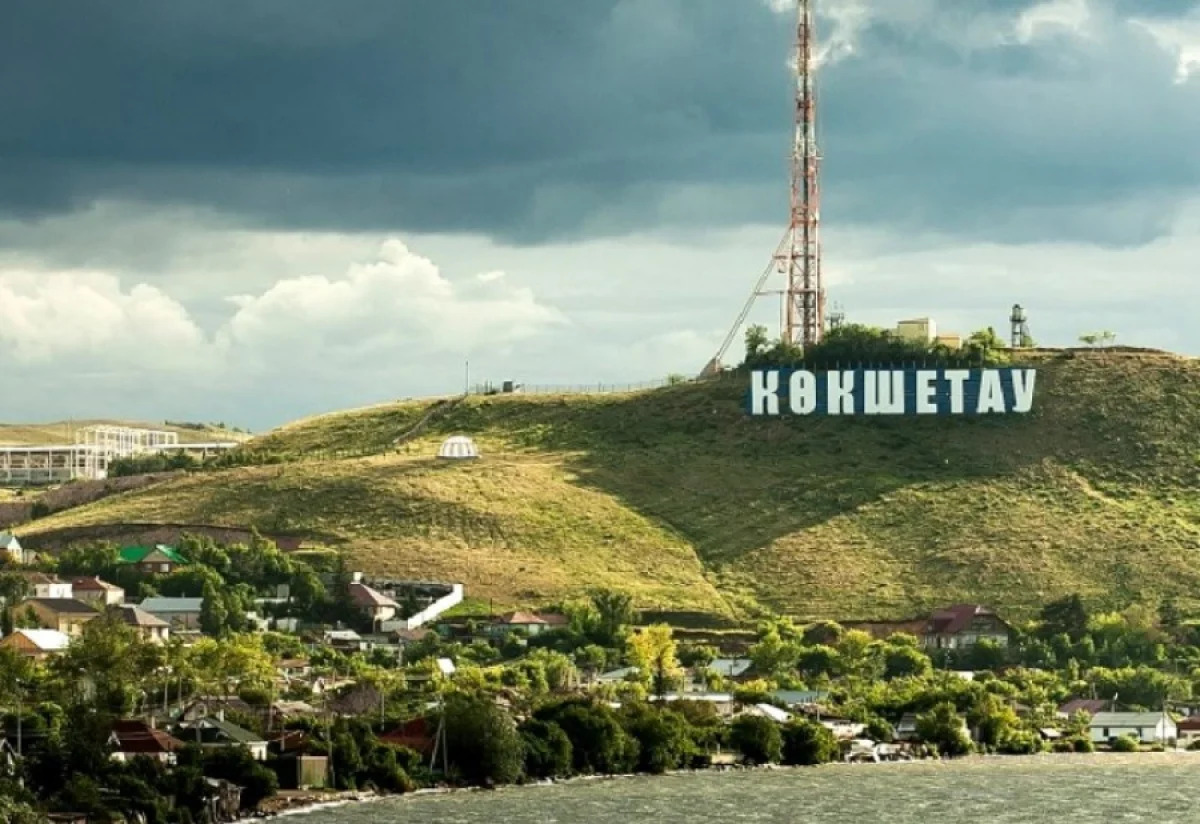
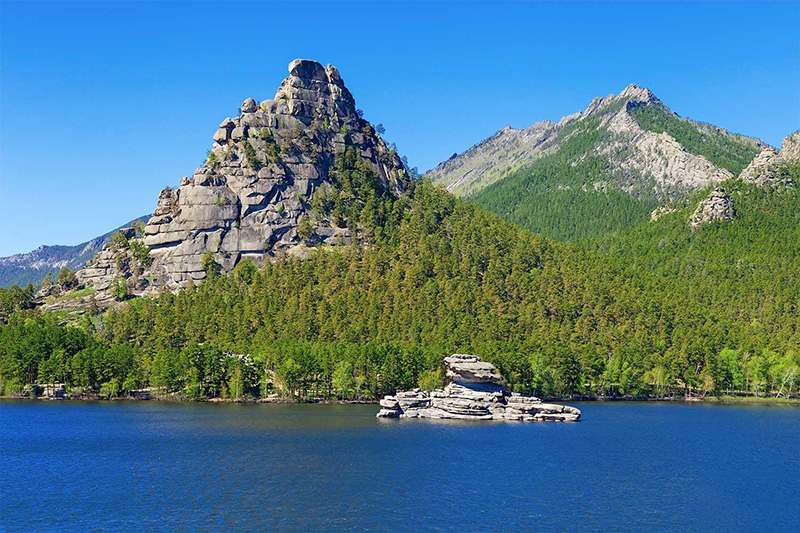
Akmola region

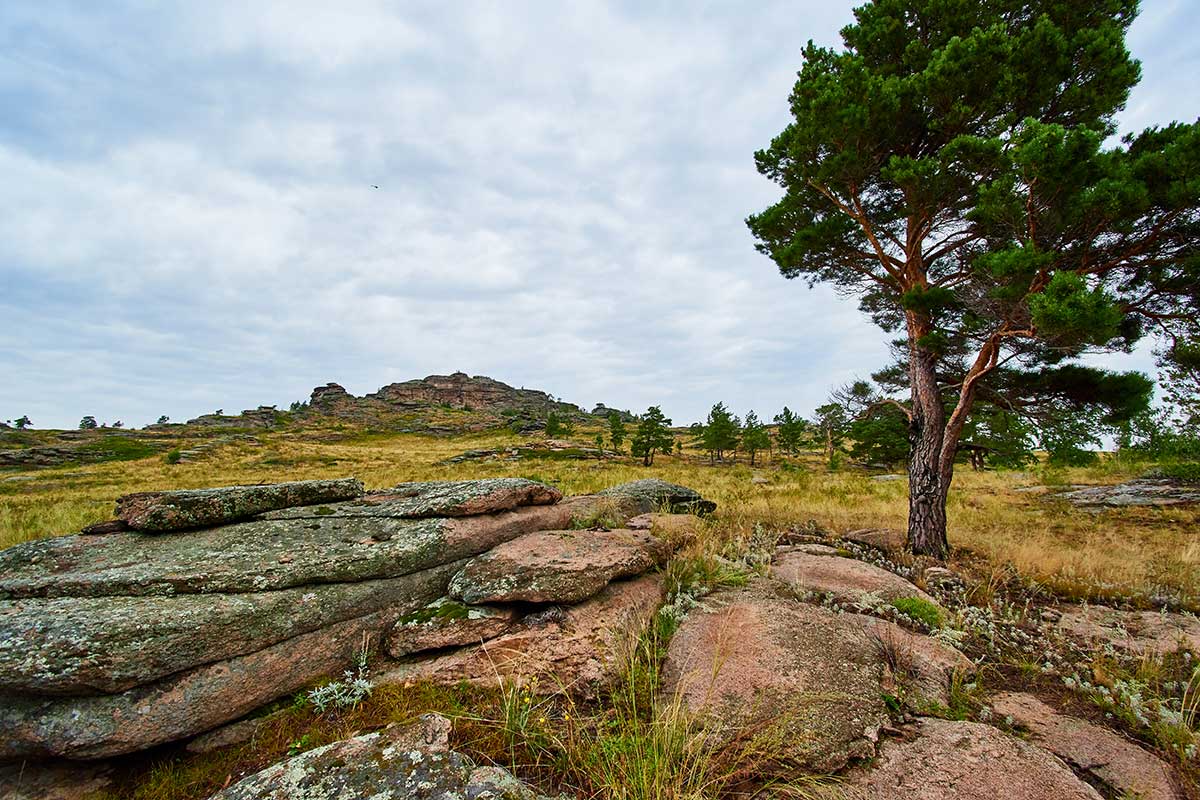
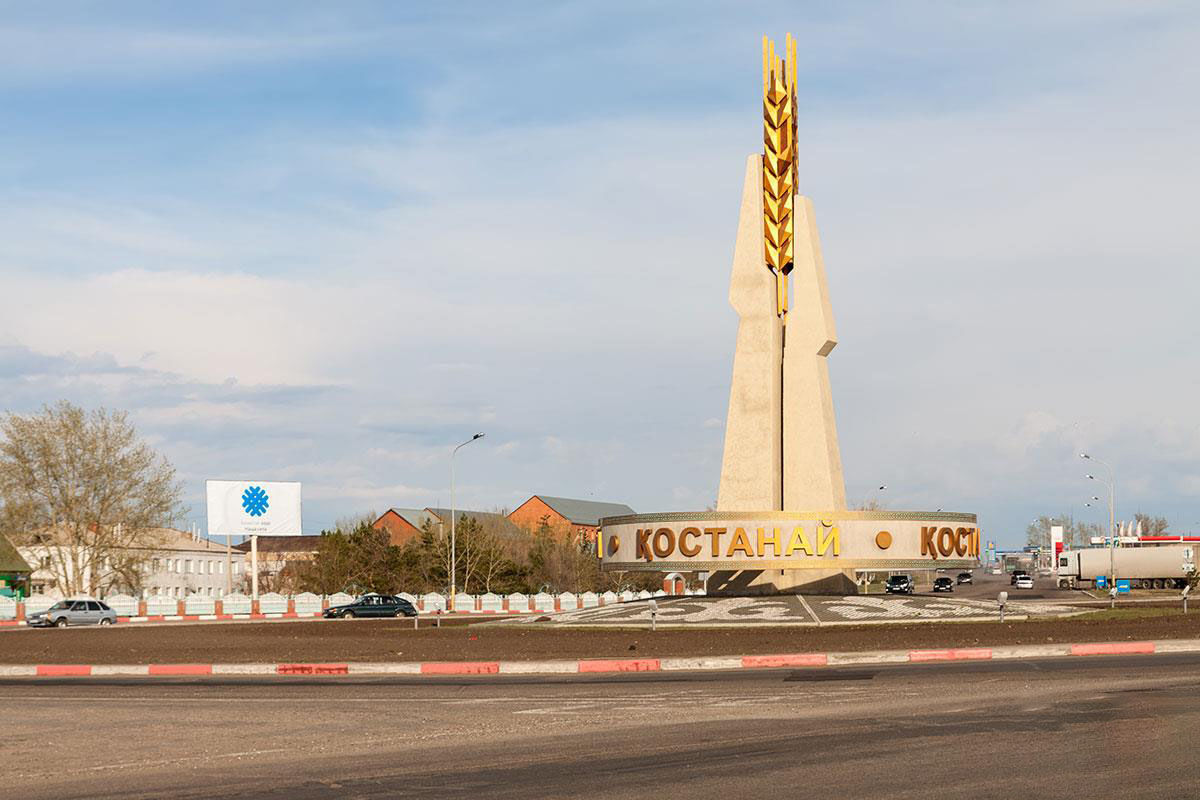
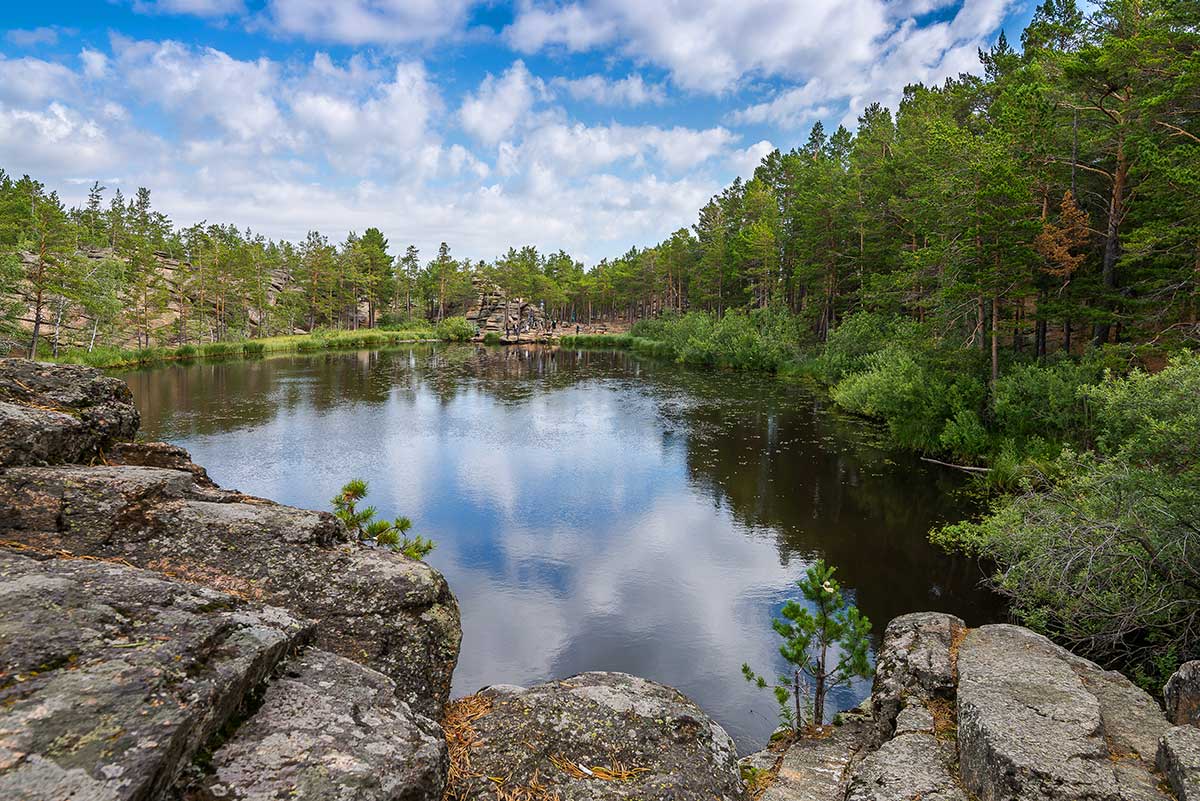
Akmola region is one of the largest and most developed regions of Kazakhstan and ranks ninth in size. It borders with Kostanai region in the West, North Kazakhstan region in the North, Pavlodar region in the East and Karagandy region in the South.
Read more →

Heritage

card

CUSTOMS AND TRADITIONS

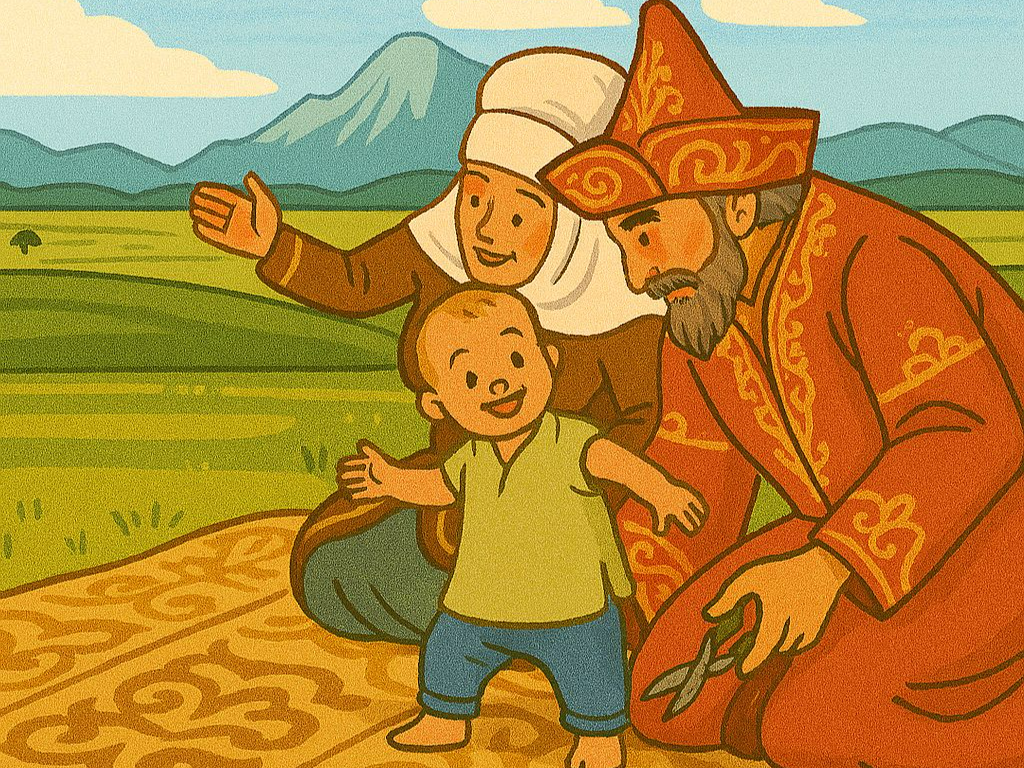
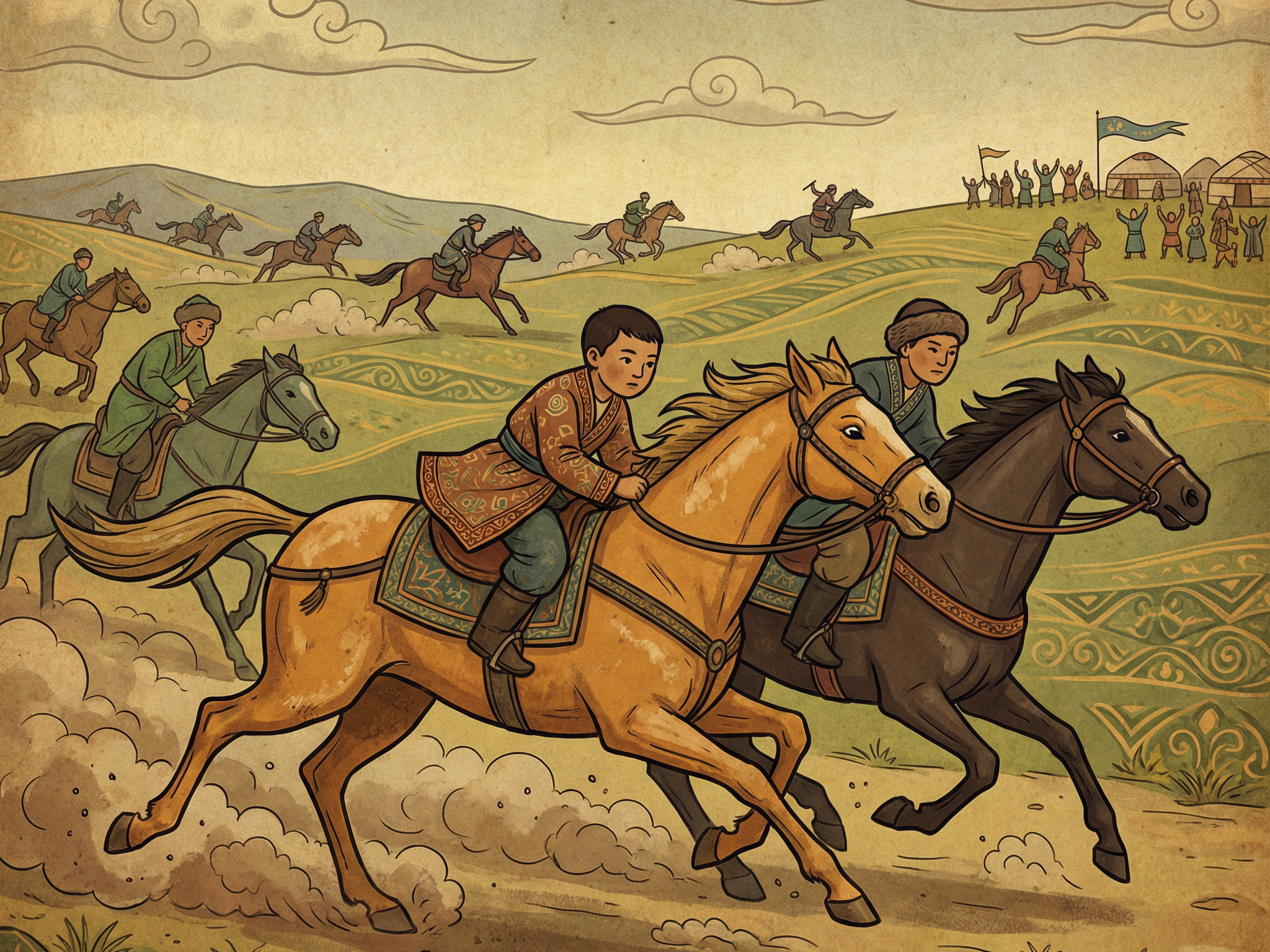
This section contains unique customs and traditions of the Kazakh people - rituals, holidays, folk crafts and family values passed down from generation to generation.

Read more →
card

ABOUT KAZAKHSTAN

In this section, the users will find information about the development and prospects of Kazakhstan

Read more →
card

HISTORY

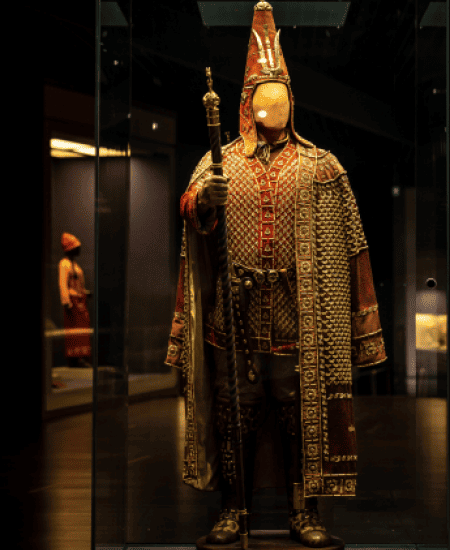
In this section, there is an opportunity to immerse yourself in the rich cultural heritage of Kazakhstan

Read more →
card

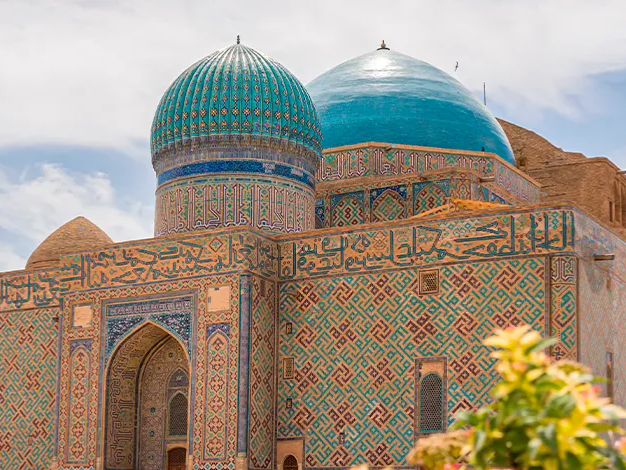
UNESCO HERITAGE

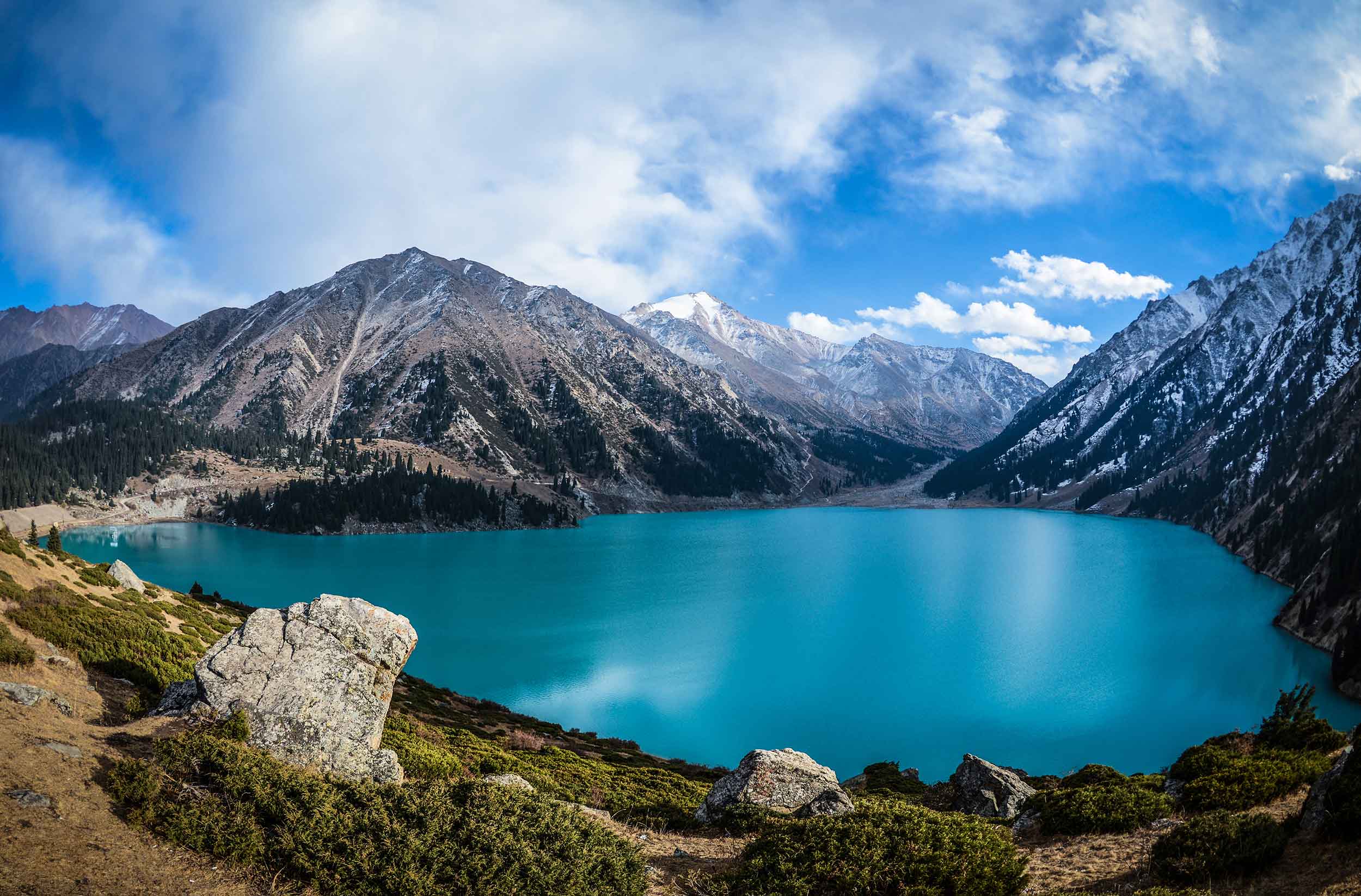
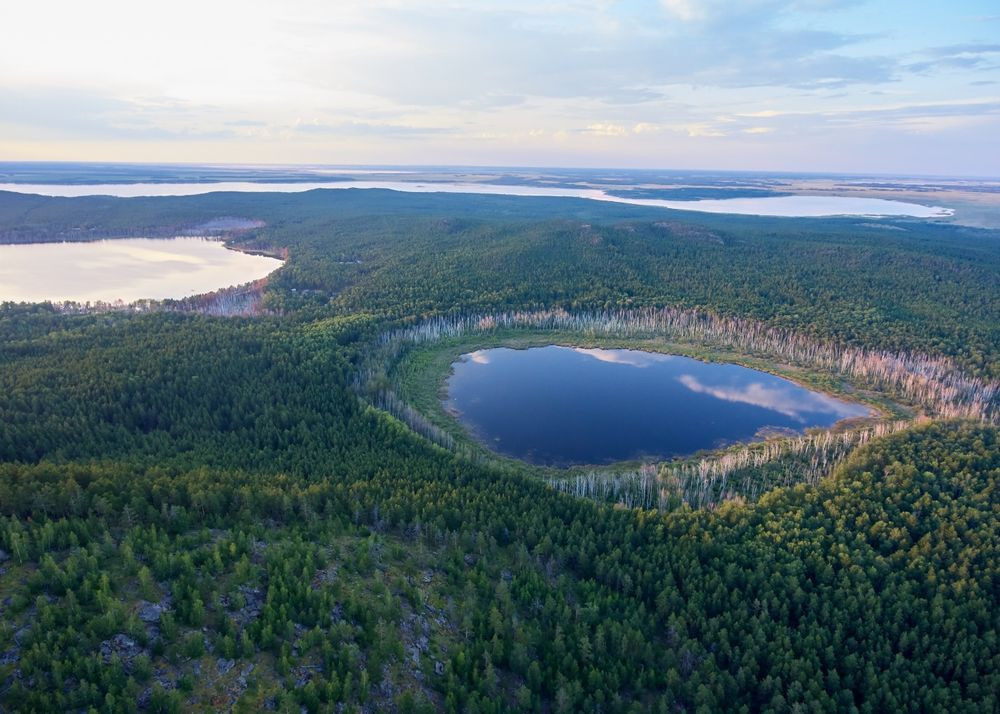
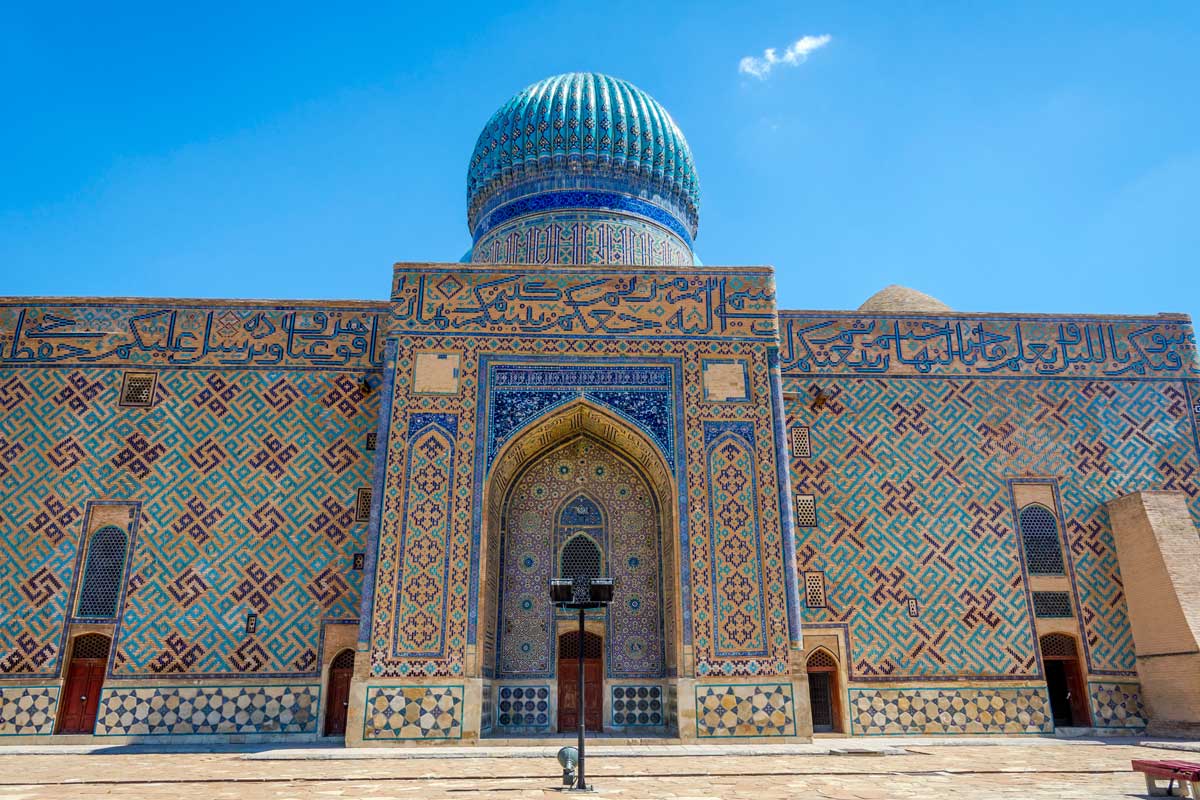
The UNESCO World Heritage List includes both natural and cultural monuments of Kazakhstan. These include the Mausoleum of Khoja Ahmed Yasawi, the petroglyphs of Tamgaly, Saryarka - Steppes and Lakes of Northern Kazakhstan, the Turan Deserts, the Western Tien Shan, as well as a complex of sites of the Great Silk Road in the Chang'an-Tianshan Corridor.

Read more →
card

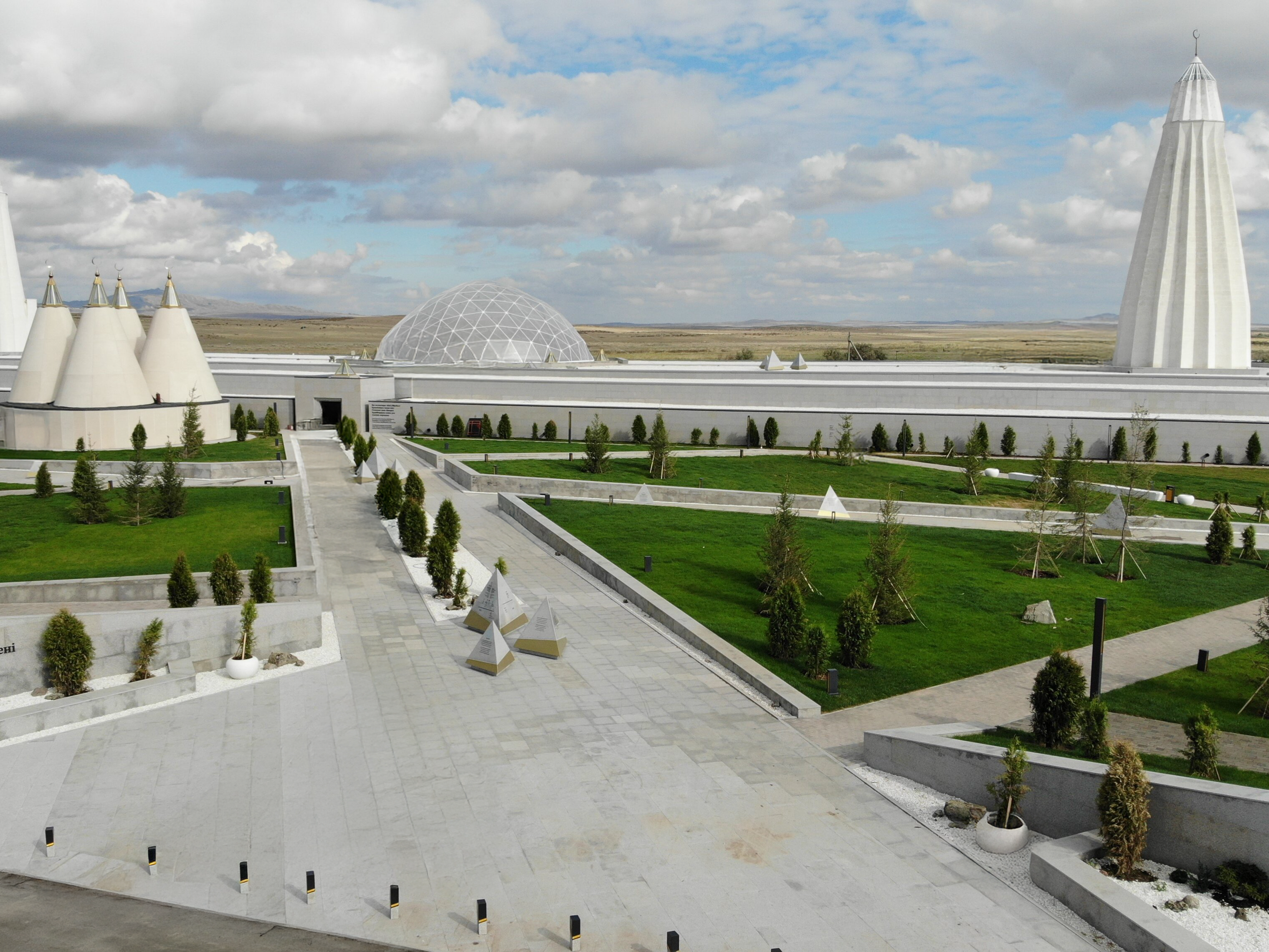
MUSEUMS AND RESERVES

Museums and reserves are important institutions that preserve cultural, historical and natural heritage. Museums collect and display works of art and historical artefacts, while reserves protect natural resources and ecosystems, ensuring their safety for future generations.

Read more →
card

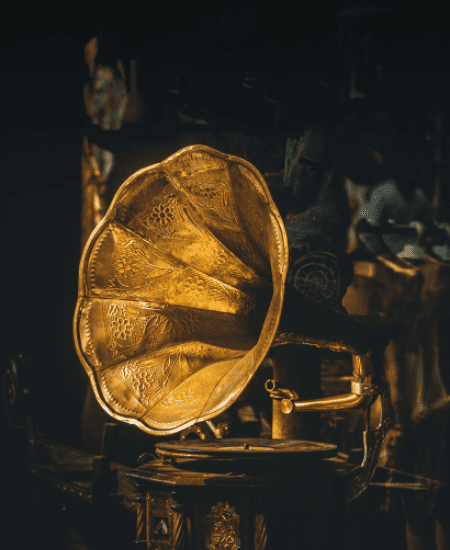
GOLDEN FUND

In this section, the users can get acquainted with the Kazakh talents who have gained worldwide fame

Read more →

card

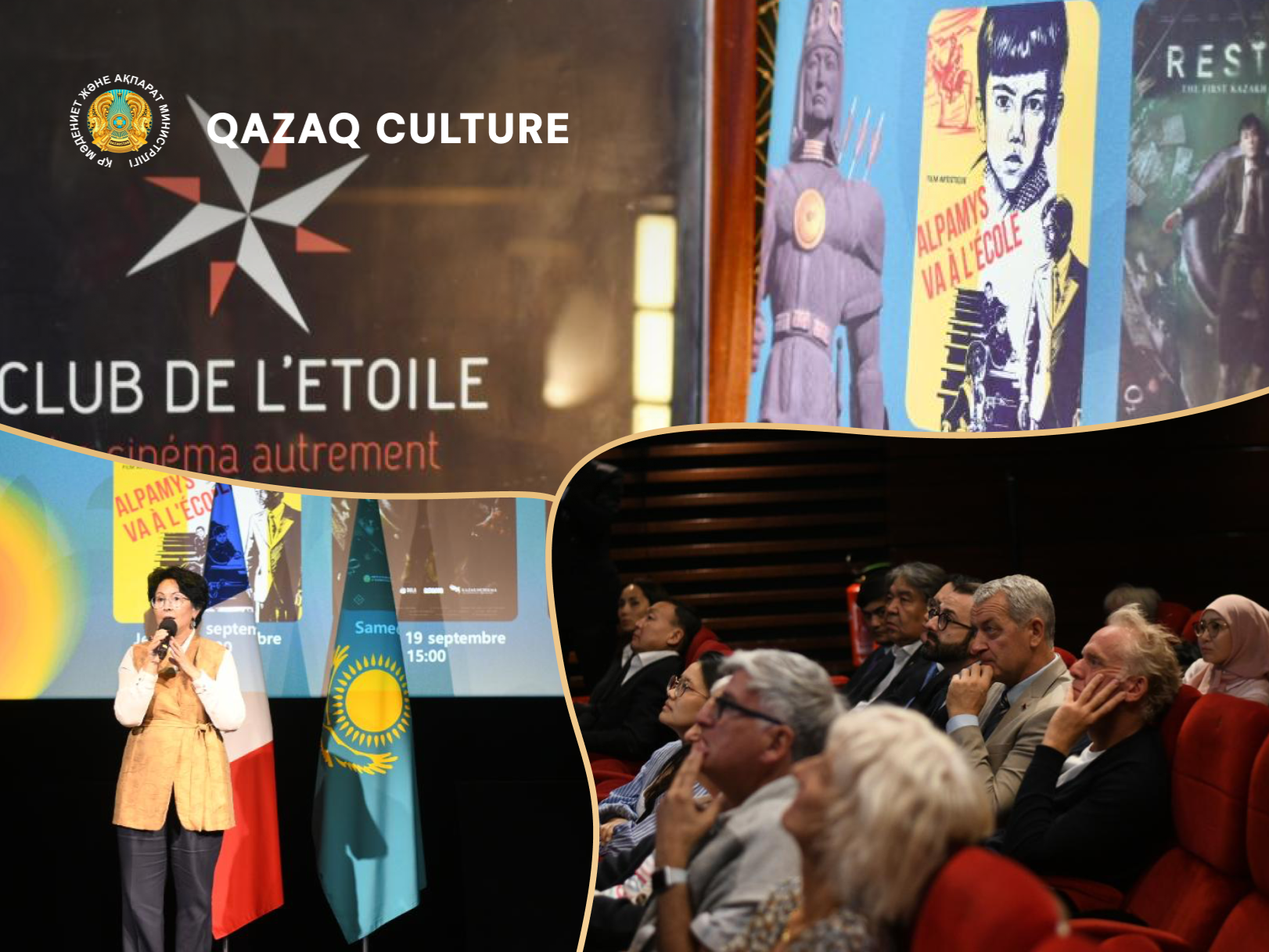
CINEMA

Pearls of national cinema: retrospectives and long-awaited premieres

Read more →
card

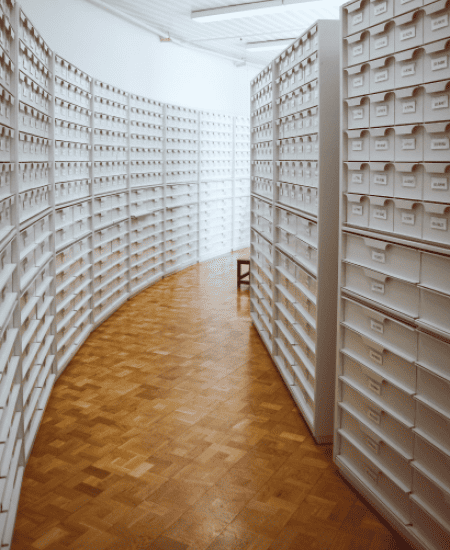
ARCHIVES

This section provides access to a rich historical collection of documents and archival materials of Kazakhstan

Read more →

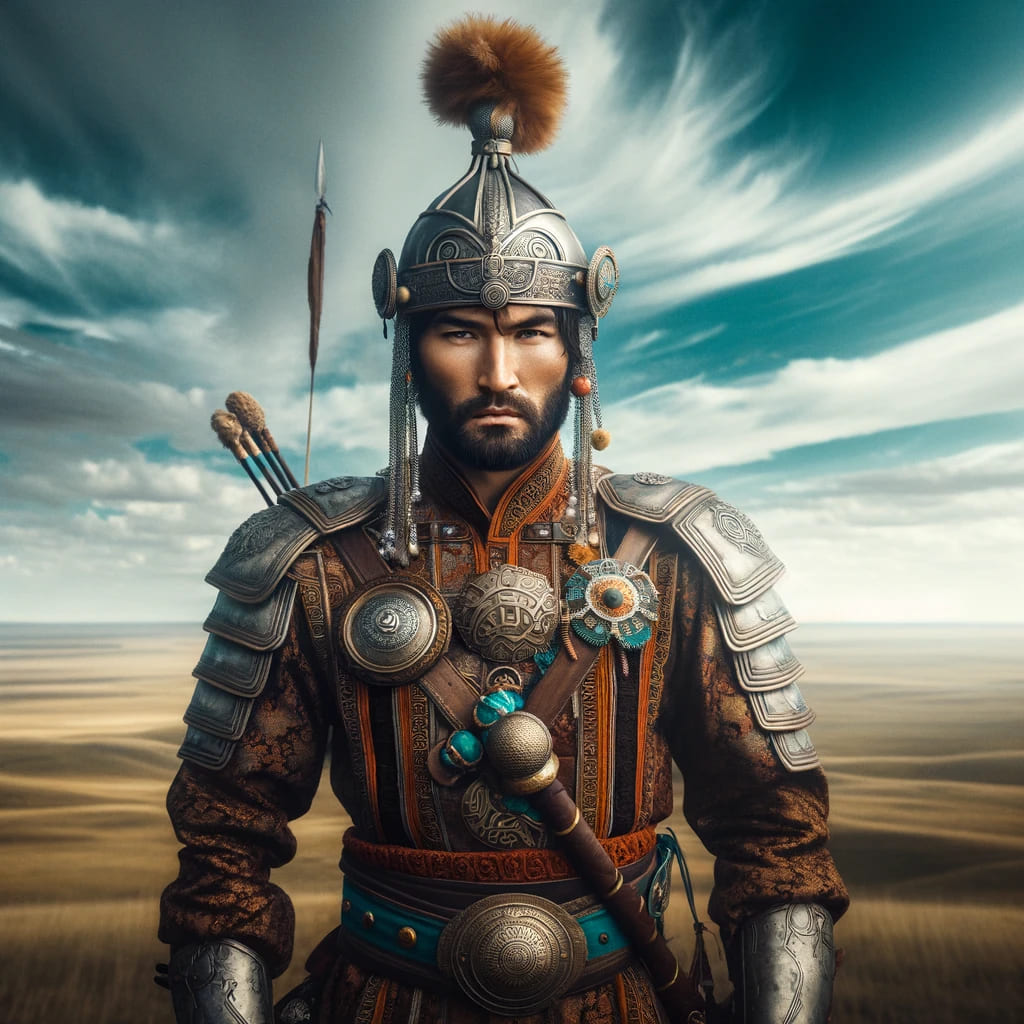
Become a batyr

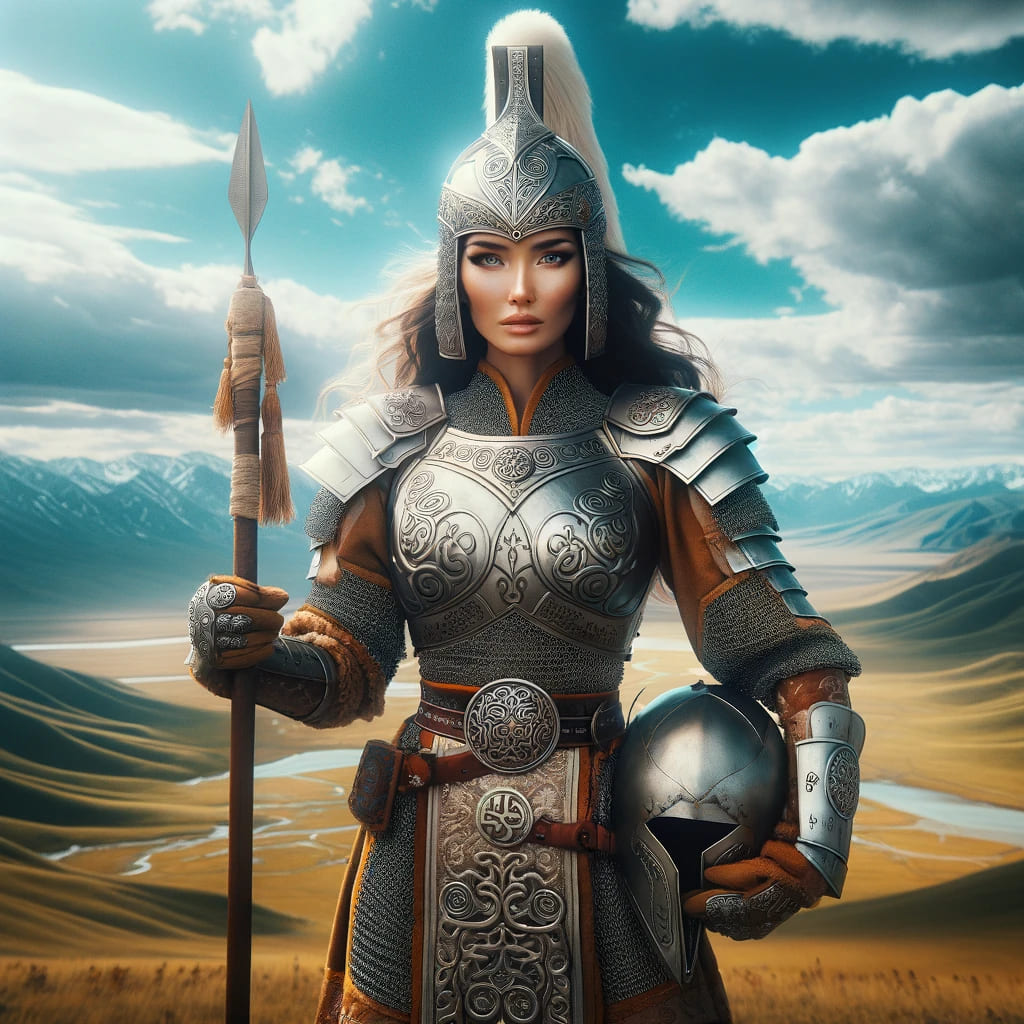
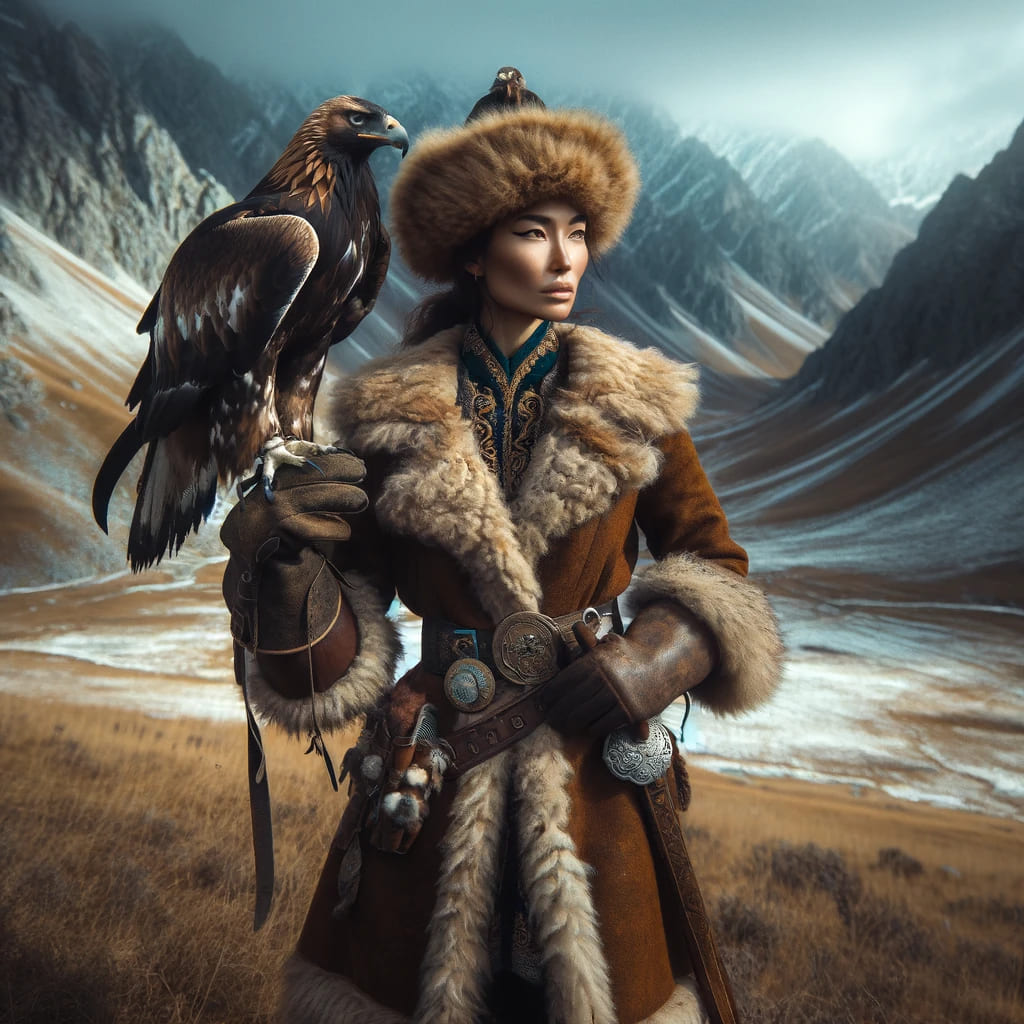
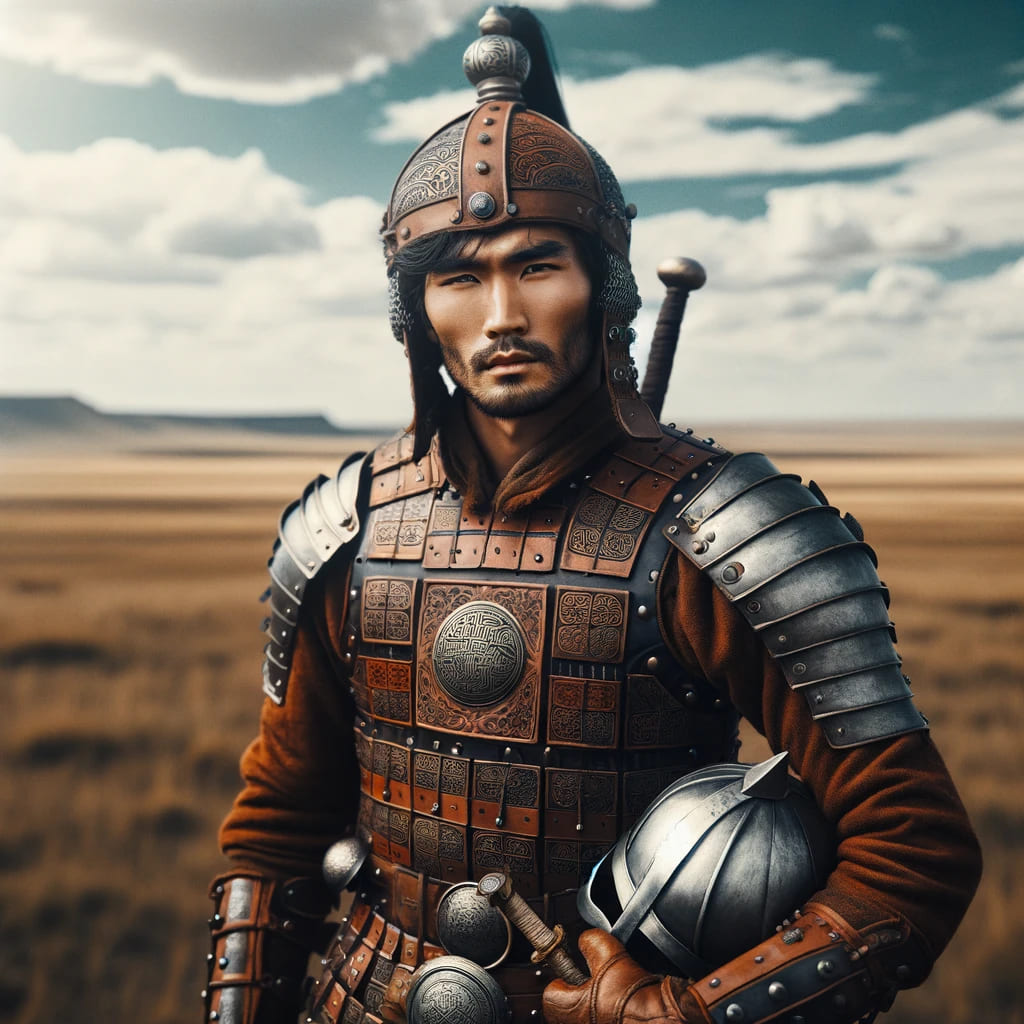
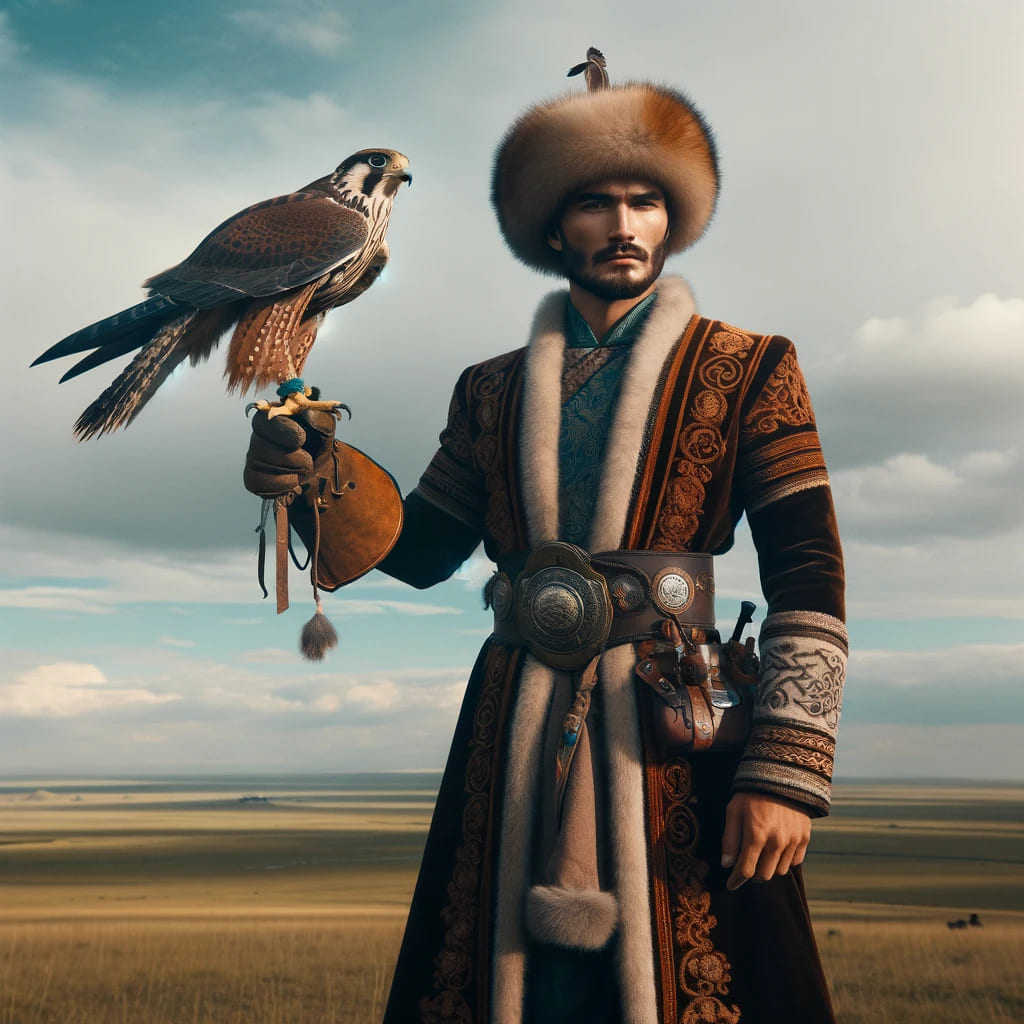
Upload your photo and try on the look of a Kazakh batyr or a Turkic amazon with the help of artificial intelligence
card
card
card
card
card