National art in the hands of a young talent
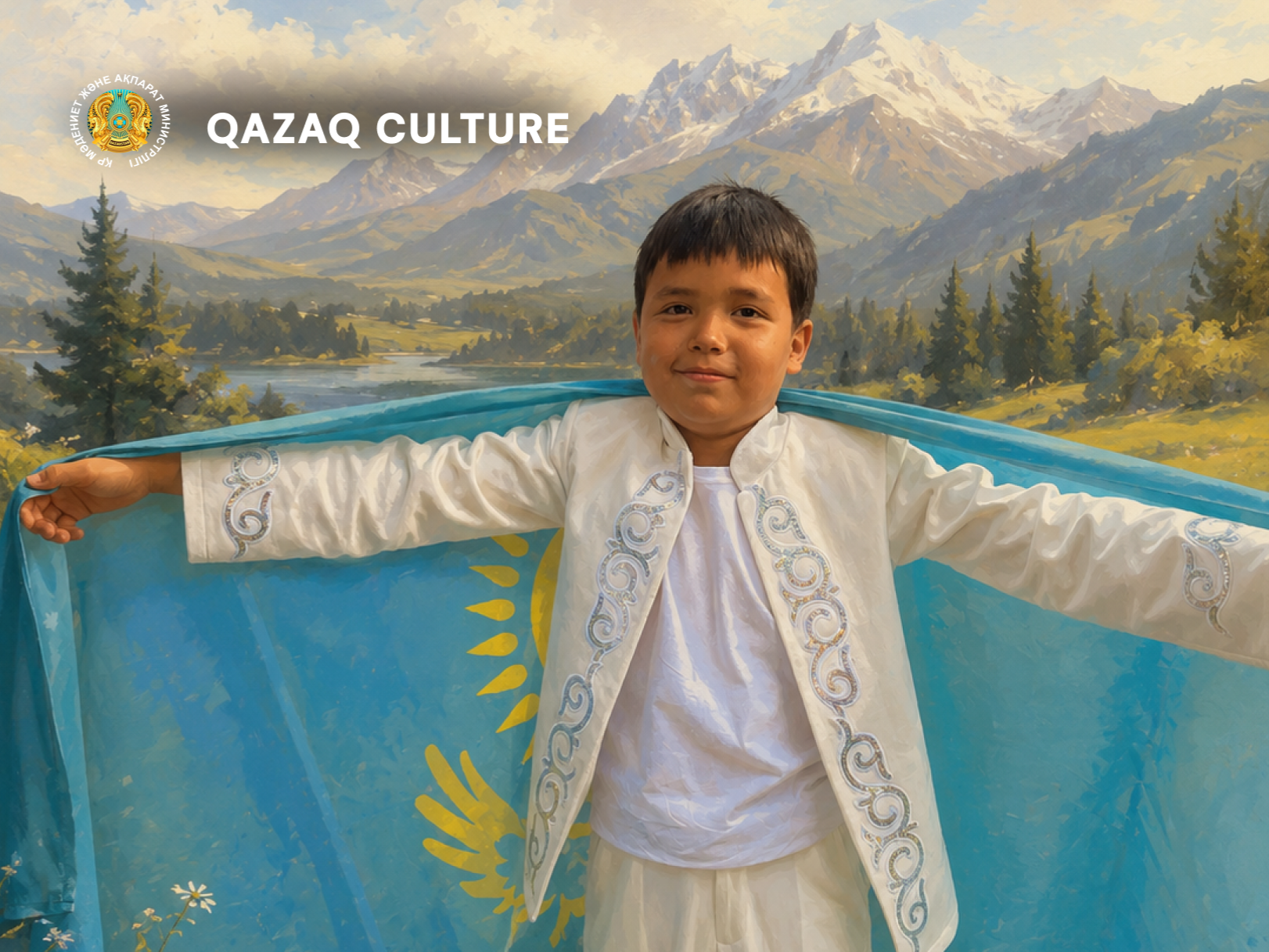
Sometimes great stories begin with a very simple reason. Nuralim Shalkaruli's mother enrolled her son in a dombra club so he could spend less time on his phone and do more meaningful work. Back then, no one imagined this decision would be the beginning of a long creative journey.
After his first lessons, the teacher noticed the boy's rare ear for music. Nuralim quickly memorized melodies and could master a kyu in one lesson. Just two years passed, and the ten-year-old dombra player was already representing Kazakhstan on the international stage, participating in competitions and winning first place at a festival in Greece.
Today, his videos on social media inspire his peers, and adult viewers warmly write that after Nuralim's performances, their children also wanted to learn to play the dombra. The young performer has already received the blessing of renowned artists and dreams of one day sharing the stage with Dimash. In an interview with Qazaq Culture, Nuralim explained how the dombra came into his life, why he loves the "Alash Amanaty" kuy, how foreign audiences reacted to the Kazakh national instrument, and why, no matter what he becomes in the future, he will never abandon the dombra.
– Nuralim, who first introduced you to the dombra?
– My mother enrolled me in a dombra club. At first, she simply wanted me to spend my free time productively and spend less time on my phone.
After some time, my teacher told my mother, "I've never seen a student like him. Nuralim has a very good ear; he can quickly learn a kuy even in one lesson." After these words, I began to take the dombra more seriously.
I've only been studying for two years now, but in that time I've already participated in many competitions and performed on international stages, representing Kazakhstan.
– How do you think one can spark an interest in dombra in children?
– I think the dombra helps people develop, become stronger as individuals, and gain a broader perspective on the world. When I perform the kyui, adults rejoice, give me batasyn, and sometimes even pocket some money. Therefore, I believe that a child with a dombra will never go unnoticed and supported.
To get children more interested in the dombra, we need to make beautiful videos, post them on social media, and perform on various stages, including abroad. If we set an example with our art, other children will want to learn to play too.
– Which kyui do you enjoy performing the most?
– My favorite kyui is "Alash Amanaty." I really love its melody and meaning. When I perform it, I try to put all my effort into conveying to the audience the warm feelings I have in my heart.
– You recently participated in the WaveIdeas.Greece festival in Greece and won first place. How did the audience receive the Kazakh kyui? Was there a particularly memorable moment?
– I was very surprised by the interest with which the foreign audience listened to our national instrument and the kuy. I especially remember the moment when I performed the kuy "Nauysqy."
During my performance, the judges watched my hands closely. They followed the movements of my fingers and even tried to imitate them with smiles. I'll probably remember that moment forever.
After the concert, the audience came up to me and said they were amazed: how such beautiful music could come from an instrument with only two strings. I was very pleased that the dombra made such an impression on them."
– How do you prepare for international competitions?
– You have to prepare very diligently for such competitions. I practice every day without a break. I rehearse both with my teacher and at home on my own.
To be honest, I'm a little nervous before going on stage. But as soon as I pick up the dombra, all my attention immediately shifts to the kuy. Then I think only about the music and try to play as well as I can."
– Many children on social media want to learn to play the dombra after seeing your videos. How do you feel when you read comments like that?
– I'm very happy. Sometimes parents write, "After our child saw your performance, he wanted to learn to play the dombra too." When I read such words, I feel very happy.
I'm honored when my art becomes an example for other children and helps popularize the dombra. Such warm wishes and sincere comments give me strength. They motivate me to work even harder and become better.
– You received blessings from famous artists. How did this affect you? Are there any words that particularly stuck in your mind?
– It's a great honor for me to receive blessings from famous artists. It's hard to put these feelings into words.
I was especially happy when I received a blessing from Seken Turysbekov. He is the author of the kyui "Konil tolkyny," which my dad loves to listen to. And when Farrukh Zakirov gave me the batasyn, my parents were very happy. Seeing their joy was also a great joy for me.
My parents always say that the blessing of elders gives a person strength and opens the way. Therefore, I want to justify the trust of the people who believe in me, grow up to be a good person, and work hard.
– What are your dreams? Where would you like to perform in the future?
– In the future, I want to become a successful entrepreneur. But I will never abandon the dombra. No matter where I travel, I will take the Kazakh kuy with me.
I want to widely introduce our national art to foreigners. Another big dream of mine is to one day perform on the same stage with Dimash aga. For me, that would be an incredible joy.
Nuralim is only ten years old, but his answers already reveal his character, determination, and love for national art. He dreams of business, international stages, and meeting his idol, but he has already made his most important promise: wherever he ends up in the future, the dombra will always be by his side.