The international exhibition "Tangbali: Code of Ancestors" opened in Almaty.
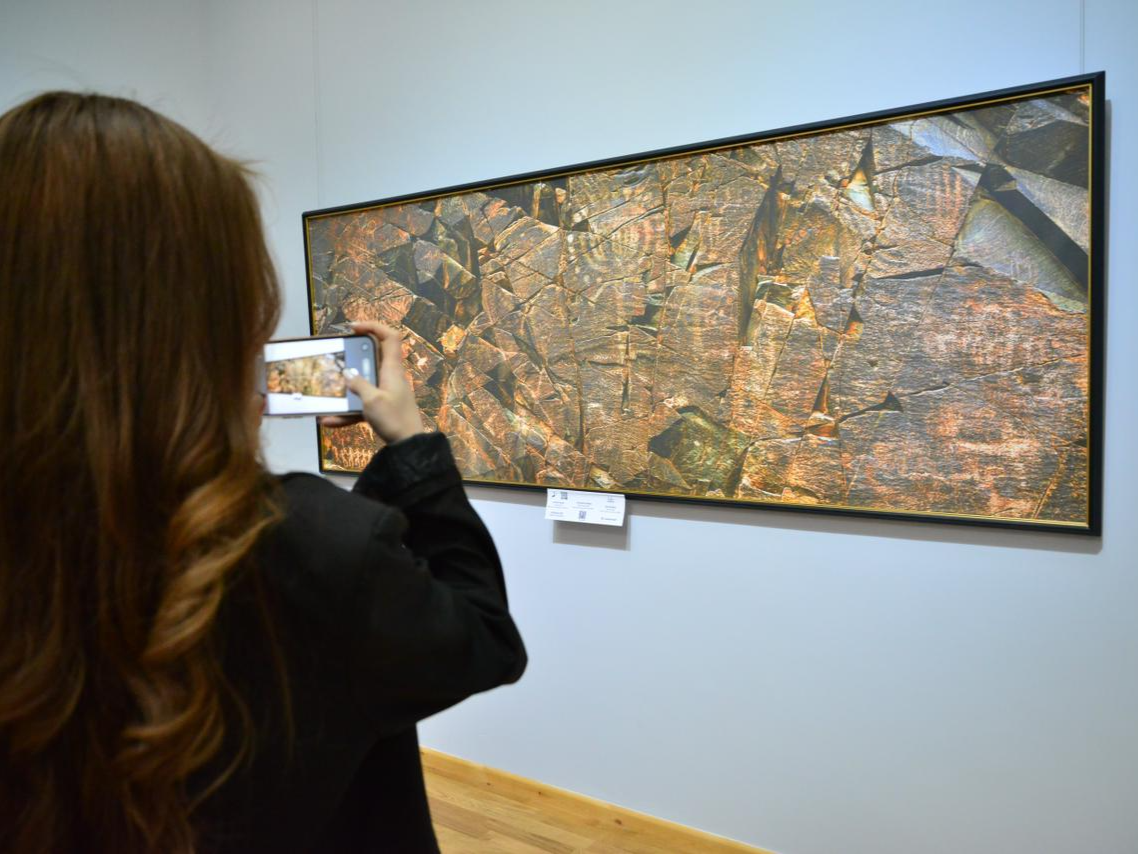
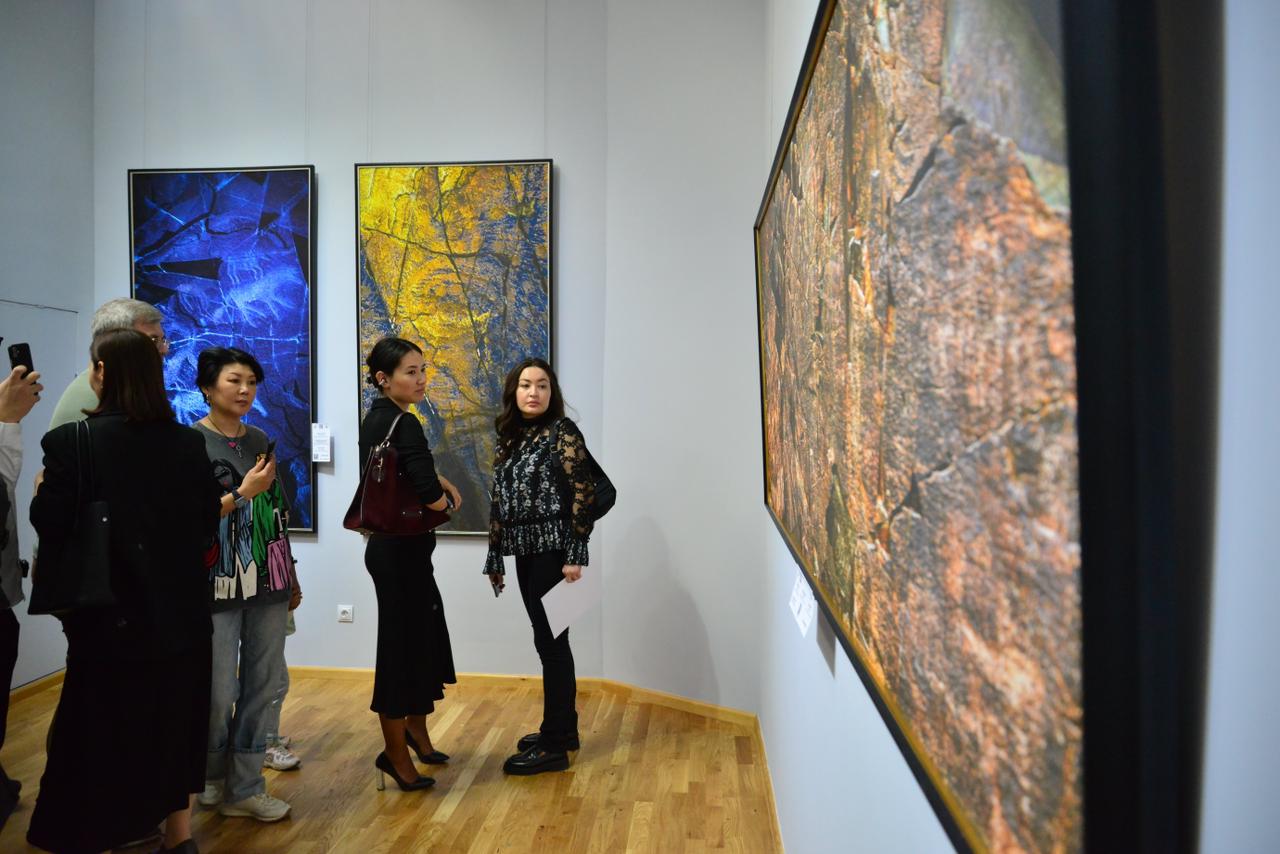
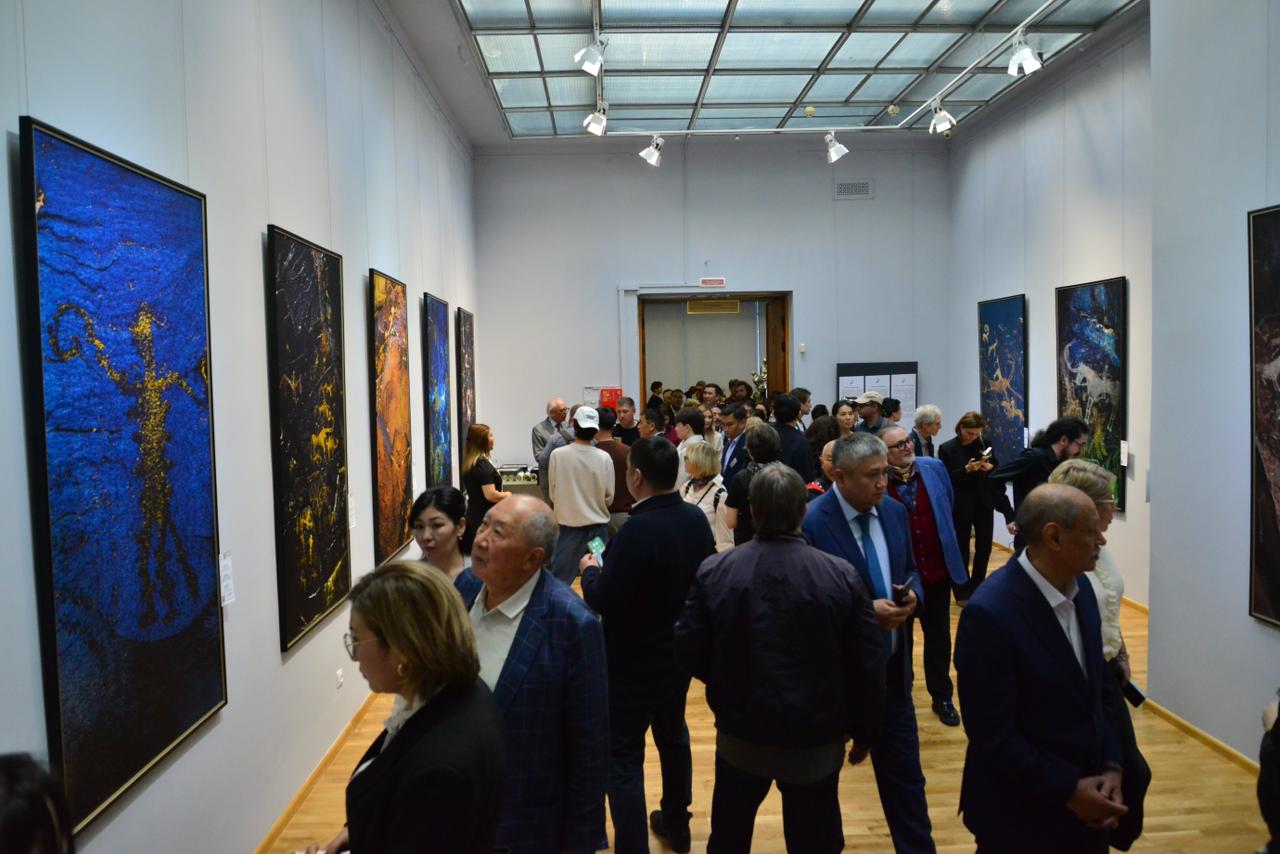
The Abilkhan Kasteev National Museum of Arts of the Republic of Kazakhstan hosted the opening of the international exhibition "Tanbaly: Code of Ancestors", organized by the State Historical, Cultural and Natural Museum-Reserve "Tanbaly".
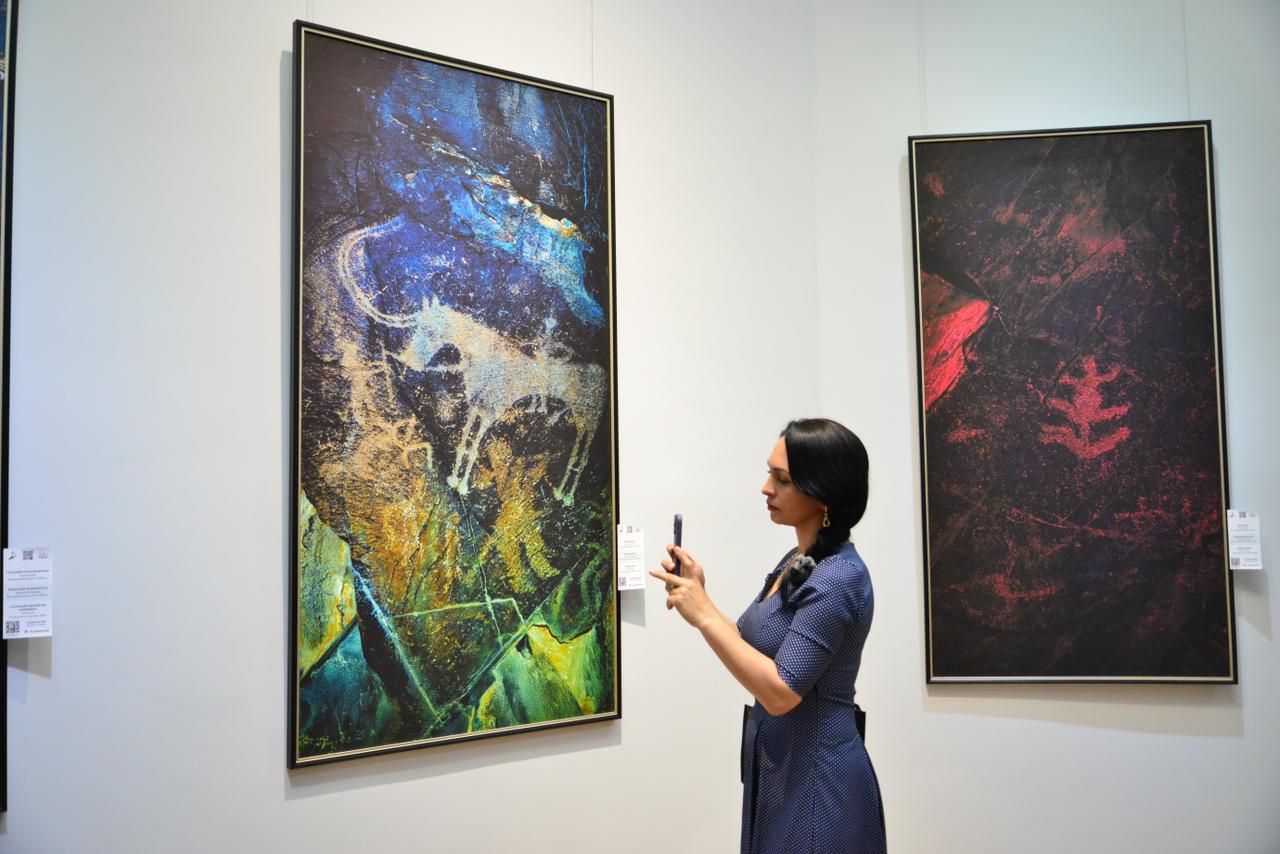
The project became a joint work of the Tanbaly Museum-Reserve and photographer Vladislav Kim. The exhibition presented Tanbaly petroglyphs in a modern artistic and technological interpretation, combining archaeological heritage, visual art, and multimedia solutions. At the same time, the key principles of the exhibition were the preservation of the monument's authenticity and careful treatment of the original.
The opening of the exhibition was attended by UNESCO representatives in Almaty, leading foreign experts in rock art, heads of World Heritage sites, as well as Kazakh archaeologists, historians, ethnologists, culturologists, museum specialists, representatives of educational organizations and the business community.
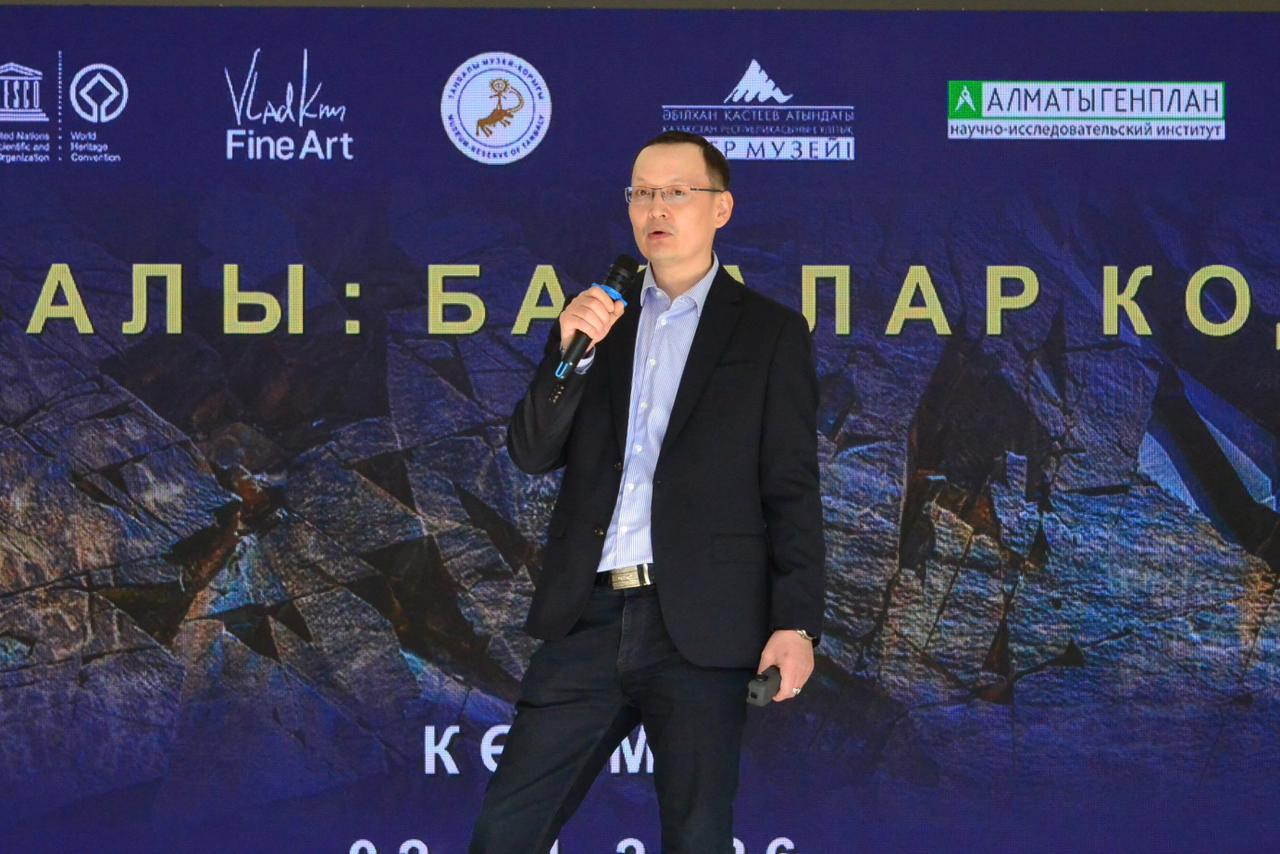
Philippe Delanghe, UNESCO Regional Representative for Culture, noted that the exhibition is taking place at an important moment for the entire agenda of cultural heritage preservation in Kazakhstan.
"The exhibition coincides with the approval by the Government of the Republic of Kazakhstan of the Comprehensive Plan for the Preservation and Popularization of Cultural Heritage under the auspices of UNESCO and ISESCO for 2026–2028. It provides for measures to strengthen the protection of World Heritage sites, expand public participation, and introduce modern approaches to heritage preservation. We hope that this initiative, in cooperation with UNESCO, will contribute to the preservation, protection, and development of the Tanbaly World Heritage site," noted Philippe Delanghe.
The main goal of the project was to popularize the Tanbaly petroglyphs as a living cultural heritage and expand access to this unique monument through modern artistic tools. The exhibition included photographic paintings of rock carvings, art objects created based on Tanbaly petroglyphs, as well as multimedia technologies using artificial intelligence. An exhibition catalog and author's souvenir products created based on ancient images were also prepared for visitors.
It should be noted that the international status of the Tanbaly monument gives special significance to the project. The Tanbaly archaeological landscape was included in the UNESCO World Heritage List in 2004. Its territory contains about 5,000 petroglyphs, as well as associated settlements and burial grounds, reflecting the development of pastoral culture, social organization, and rituals from the Bronze Age to the early XX century.
The concluding part of the program was the international scientific and practical conference "Petroglyphs without showcases. New formats of presentation and popularization," dedicated to modern approaches to the preservation, study, and promotion of rock art sites.