The National Central Museum hosted the exhibition “Otkennin Onegesi – Buginnin Belesi”
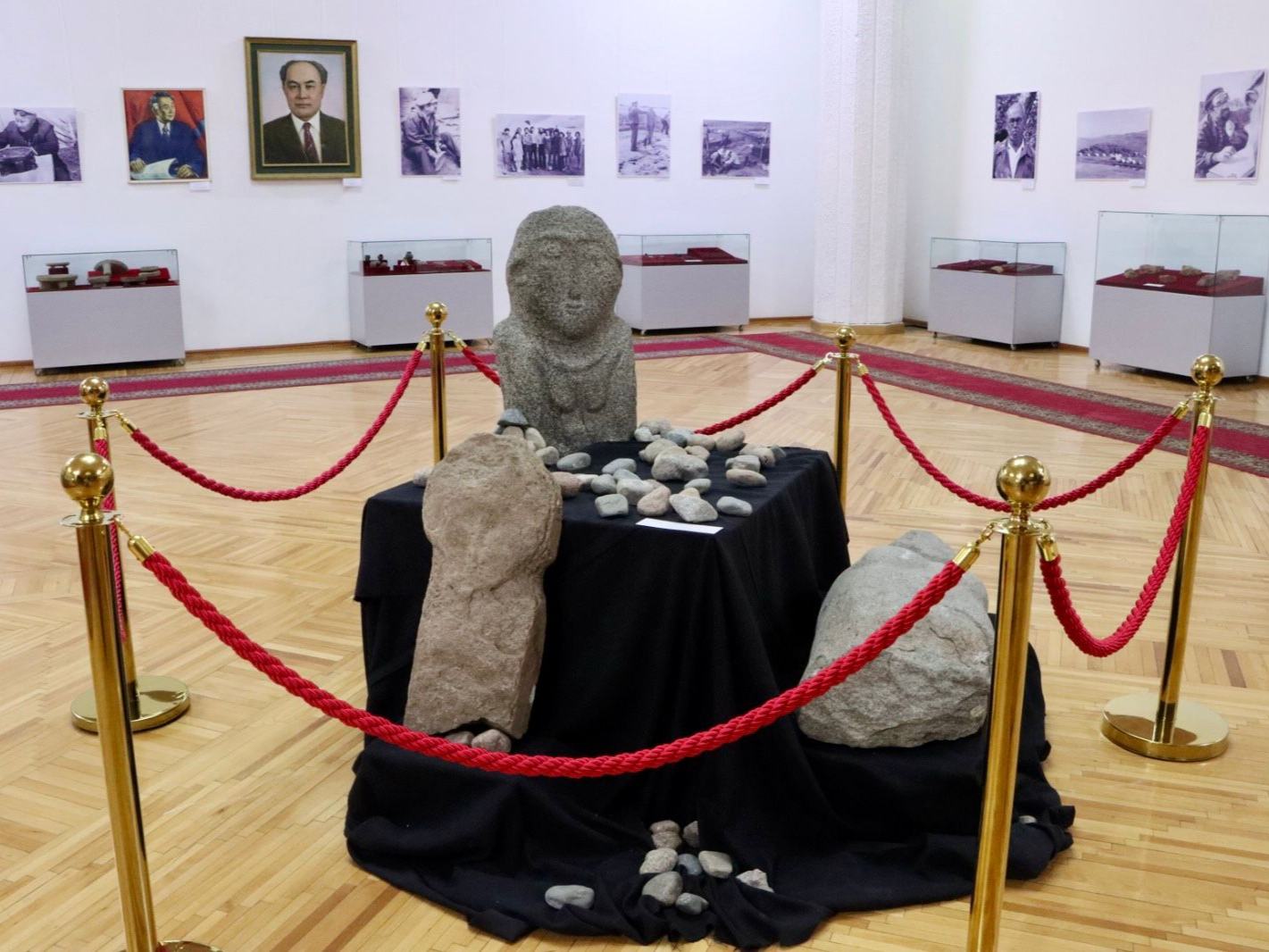
The National Central Museum of the Republic of Kazakhstan, in collaboration with the A.Kh. Margulan Institute of Archaeology, held the exhibition "Kazakhstan Archaeological Expedition – Ancient Belesi," dedicated to the 80th anniversary of the Central Kazakhstan Archaeological Expedition.
The exhibition featured unique materials from the museum's archaeological collection, reflecting the expedition's contribution to the study of the ancient history of Central Kazakhstan and the development of national archaeological science.
The exhibition featured artifacts discovered at various sites in Central Kazakhstan. Among the museum's first acquisitions were materials from the settlements of Atasu I, Atasu II, and Buguly I and II, excavated between 1946 and 1949 and donated by Alkey Margulan in 1957.
The exhibition was divided into three thematic sections. The first section brought together Bronze Age materials from settlements and burial grounds in Central Kazakhstan. This section featured jewelry, amulets, bronze beads, ceramics, as well as weapons and horse equipment.
The second complex was dedicated to the Early Iron Age. It included materials from the Akmustafa burial ground, artifacts of the Tasmola culture, and finds from the Karamurun and Tolagai burial grounds, reflecting the everyday life, culture, and military practices of ancient nomadic tribes.
The third section introduced visitors to the Middle Ages. Stone sculptures, ceramic vessels, and architectural tiles from the Syrlytam, Bolgan Ana, and Zhoshy Khan mausoleums were on display, testifying to the high level of art and architecture in medieval Kazakhstan.
The Central Kazakhstan Archaeological Expedition was established in 1946 on the initiative of Kanysh Satpayev and was headed by Alkey Margulan. Over the years, the expedition laid the foundation for a systematic study of the historical and cultural heritage of Central Kazakhstan and played an important role in the development of archaeological science in the country.