Kairat Shapabaev: Art Inspired by the History of the Great Steppe
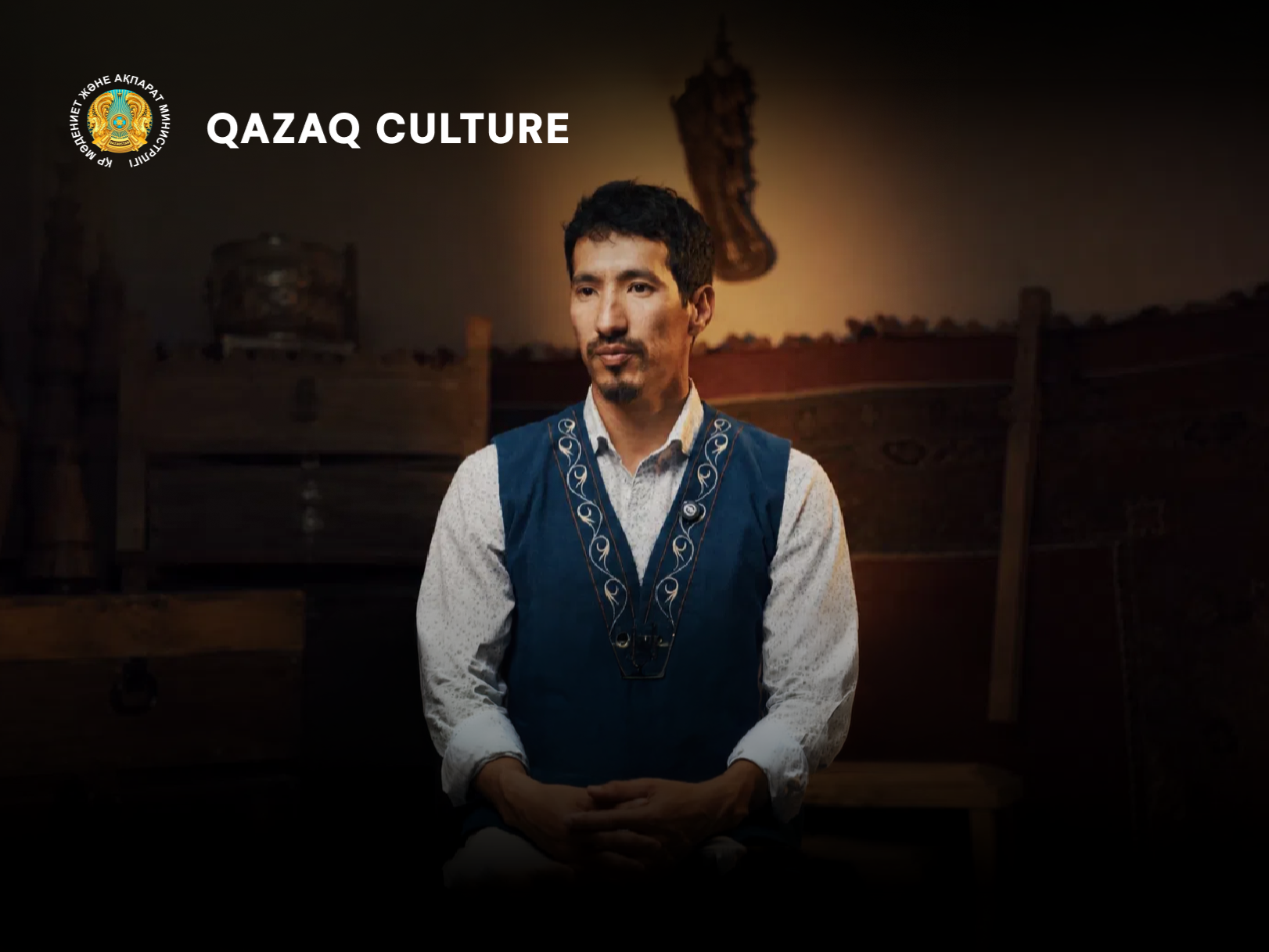
True mastery isn't born overnight. Behind every piece are years of research, hundreds of hours of painstaking work, mistakes that become invaluable experience, and a sincere dedication to one's craft. This is precisely the path taken by Kairat Shapabayev, a member of the Union of Craftsmen of Kazakhstan, who has managed to transform history into a source of inspiration for contemporary art.
For him, creativity isn't a reproduction of the past, but an opportunity to give it new life.
"I see my role in the creative industry as reinterpreting historical heritage and speaking about it in a contemporary language. The world is changing, people's tastes are evolving, but it's important to me that any new ideas remain connected to our history and culture," says the master.
Kairat's interest in craftsmanship didn't develop by chance. He considers his love of national art a family legacy: his maternal grandfather was also involved in craftsmanship. Therefore, a connection to tradition has always been natural for him. Kairat Shapabayev began his professional career in 2004, enrolling at the Nurgisa Tlendiev Oriental Academy of Arts, where he studied decorative and applied arts and design. However, he says the museum became his true school of mastery.
"My mentors told me: if you want to create your own style, first work in a museum. So I ended up in a restoration workshop, studying Kazakh national handicrafts. Every piece of jewelry, every ornament, every object revealed the history of our people to me. It was this experience that later became the foundation of my own brand," he recalls.
Today, Kairat Shapabayev's work is recognizable thanks to its signature style, which seamlessly blends traditional Kazakh motifs and contemporary design. Historical ornaments, in his execution, acquire a new meaning while retaining their depth and symbolism.
The master considers individuality to be the main principle of his work.
"Every artist should have their own signature style. From the very beginning, I strived to create things that could not be confused with others. Not everyone understood me at first, but I never deviated from my path and continued to seek new solutions,” he says.
Today, Kairat Shapabaev's original works demonstrate that national art can be contemporary, relevant, and relevant. His pieces exemplify how cultural heritage can seamlessly integrate into modern life while preserving its historical value.
The story of Kairat Shapabaev is the story of a man who managed to connect the past and the present. In each of his works, the traditions of the Great Steppe come to life, and ancient symbols are reinterpreted. It is thanks to such masters that national art does not remain a page of history but continues to evolve, inspiring a new generation and preserving the cultural memory of the people.