"In Kazakhstan, more than 1.4 million people are participating in the ""Kіtap oqityn ұлт"" marathon. "
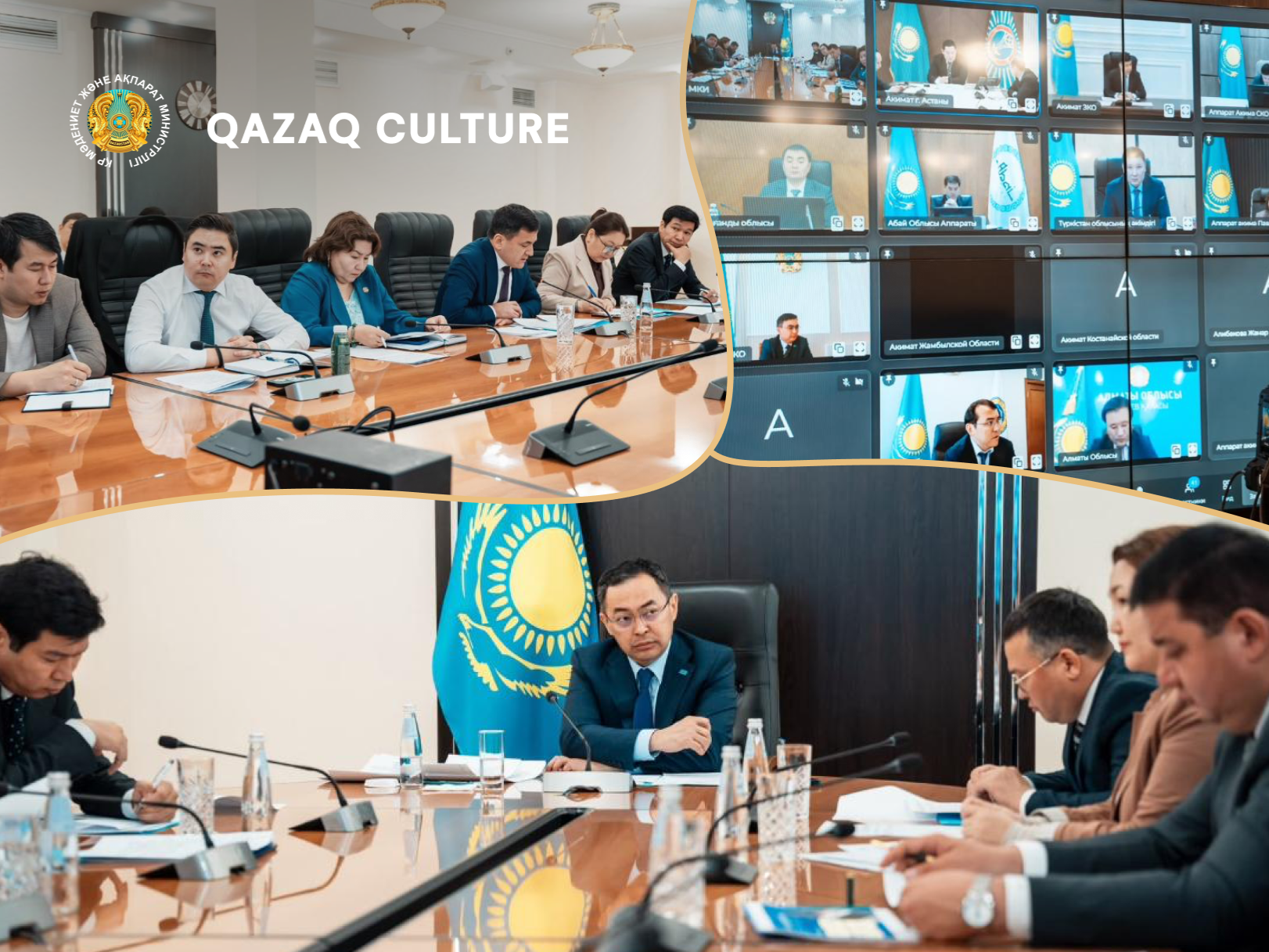
A meeting on the implementation of the national reading marathon "Kitap oqityn ult" (Reading Culture) was held in Astana, chaired by Arman Kyrykbayev, Minister of Culture and Information of the Republic of Kazakhstan. Participants discussed interim results and future measures to promote reading.
The marathon is being held in pursuance of the Decree of the President of the Republic of Kazakhstan "On Measures to Develop a Culture of Reading and Form a Reading Nation."
Today, more than 1.4 million people are participating in the project—schoolchildren, students, teachers, families, representatives of workforces, civil servants, and creative intellectuals. Project offices have been established in all regions, a unified list of 345 literary works in Kazakh and Russian has been compiled, and the digital platform reading-nation.kz is operational.
On the platform, participants post reviews of the books they have read. Aktobe Region leads in terms of number of reviews with 25,557, North Kazakhstan Region with 14,249, and Kyzylorda Region with 14,037. In North Kazakhstan Region, more than 14,000 people out of nearly 20,000 registered users post reviews, representing approximately 75%.
Over 20,000 video reviews of works read have been published on social media. Astana leads in this category with approximately 3,000 posts, followed by Zhambyl Region with 1,699.
Representatives from the regions shared their experiences in increasing reading activity. Particular attention was paid to developing a reading culture in rural areas, expanding access to literature, and engaging public figures, business representatives, and creative professionals.
Proposed initiatives include creating special bookshelves in stores, holding meetings with writers, publishing comics, book trailers, and short videos based on literary works. It was also proposed to launch the regional media project KITAP TALKS and the intellectual games KITAP QUIZ.
As part of the "Ticket with a Book" initiative, it is planned to place information about the marathon and QR codes on electronic tickets and informational materials at cultural institutions. To promote reading, it is also proposed to utilize the capabilities of libraries, universities, regional creative hubs, and public spaces, including in rural and remote communities.
Following the meeting, further tasks were identified to strengthen the coordination of regional project offices, increase public engagement in the marathon, and regularly monitor its results.