An international archaeological expedition has begun in Northern Kazakhstan
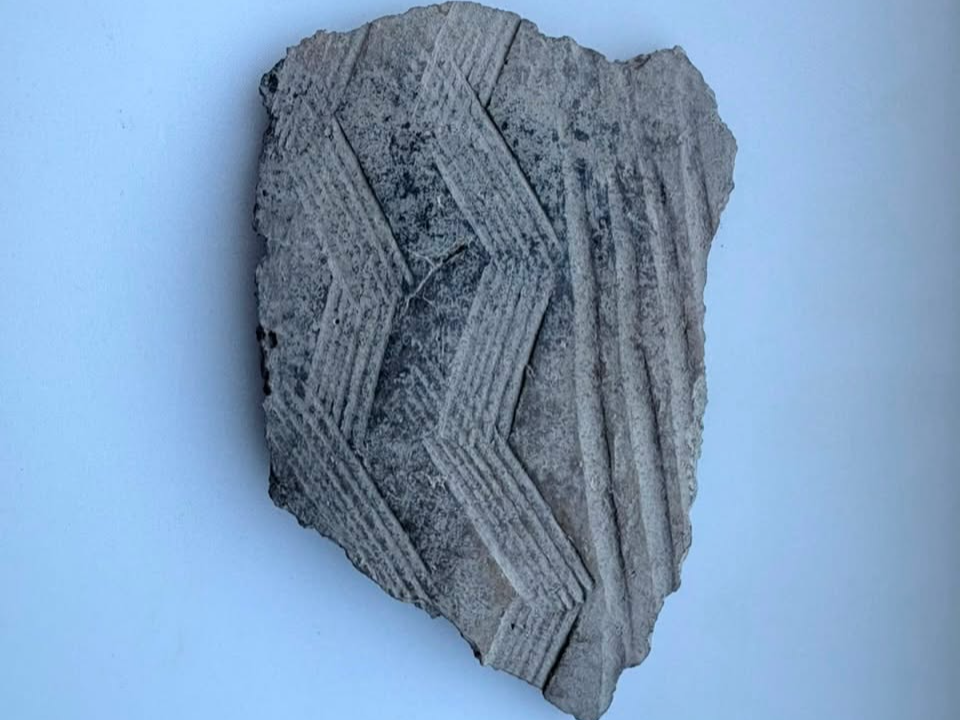
In order to strengthen scientific ties between the two countries, the National Museum of the Republic of Kazakhstan and the National Museum of China launched the international archaeological expedition "Culture of Northern Kazakhstan during the transition from the Bronze to the Early Iron Age."
As part of the expedition, research is being carried out on the territory of the Imantau complex – a Bronze Age settlement located in Imantau, Aiyrtau district, North Kazakhstan region. The head of the expedition is D. Duysenbay, an archaeologist and leading researcher at the Institute for Scientific Study of Cultural Heritage of the National Museum of the Republic of Kazakhstan.
The research began on July 14 and will last until August 17. The excavation area is 324 square meters.
During the excavations, a large number of fragments of Bronze Age pottery, stone tools, and animal bones were discovered. Among the most notable finds are a bone overlay, arrowheads, awls, bronze awls, as well as remnants of ore used for metal processing.
Based on the results of the first excavations, it was established that the Imantau settlement was a large stationary Bronze Age settlement.