The world premiere of the opera 'Appak – Kipchak Daughter' took place at Astana Opera
The Astana Opera Theatre held the world premiere of the opera "Appak – Daughter of the Kipchak People." The production was presented on Culture and Art Workers' Day and coincided with the 35th anniversary of Kazakhstan's independence.
The new opera is based on a drama by Gabit Musrepov and is dedicated to the fate of the Kipchak girl Appak. Her character explores themes of love, memory, war, peace, and spiritual fortitude. The work unites Kazakh historical and cultural heritage with the artistic space of the Turkic and Eastern worlds.
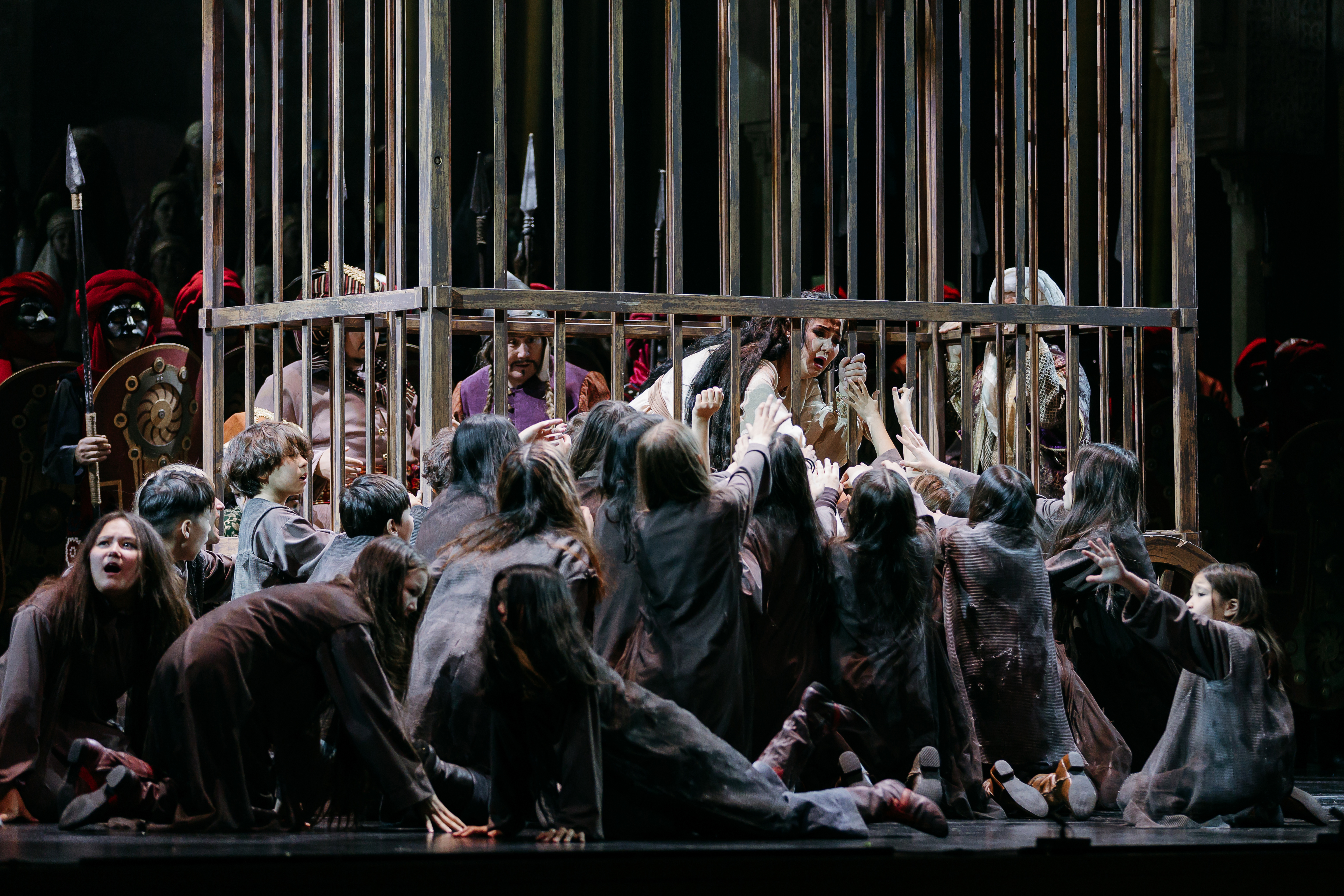
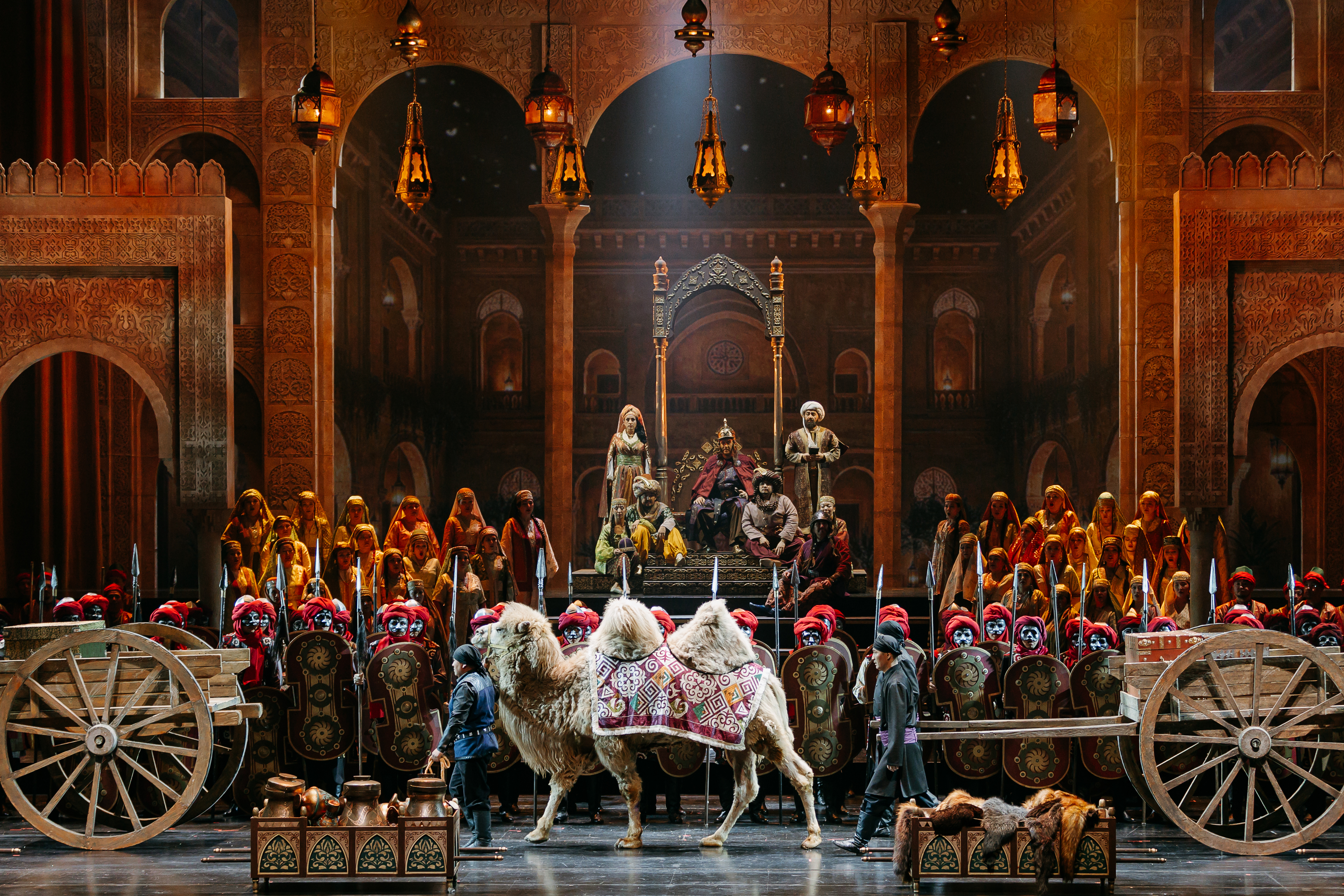
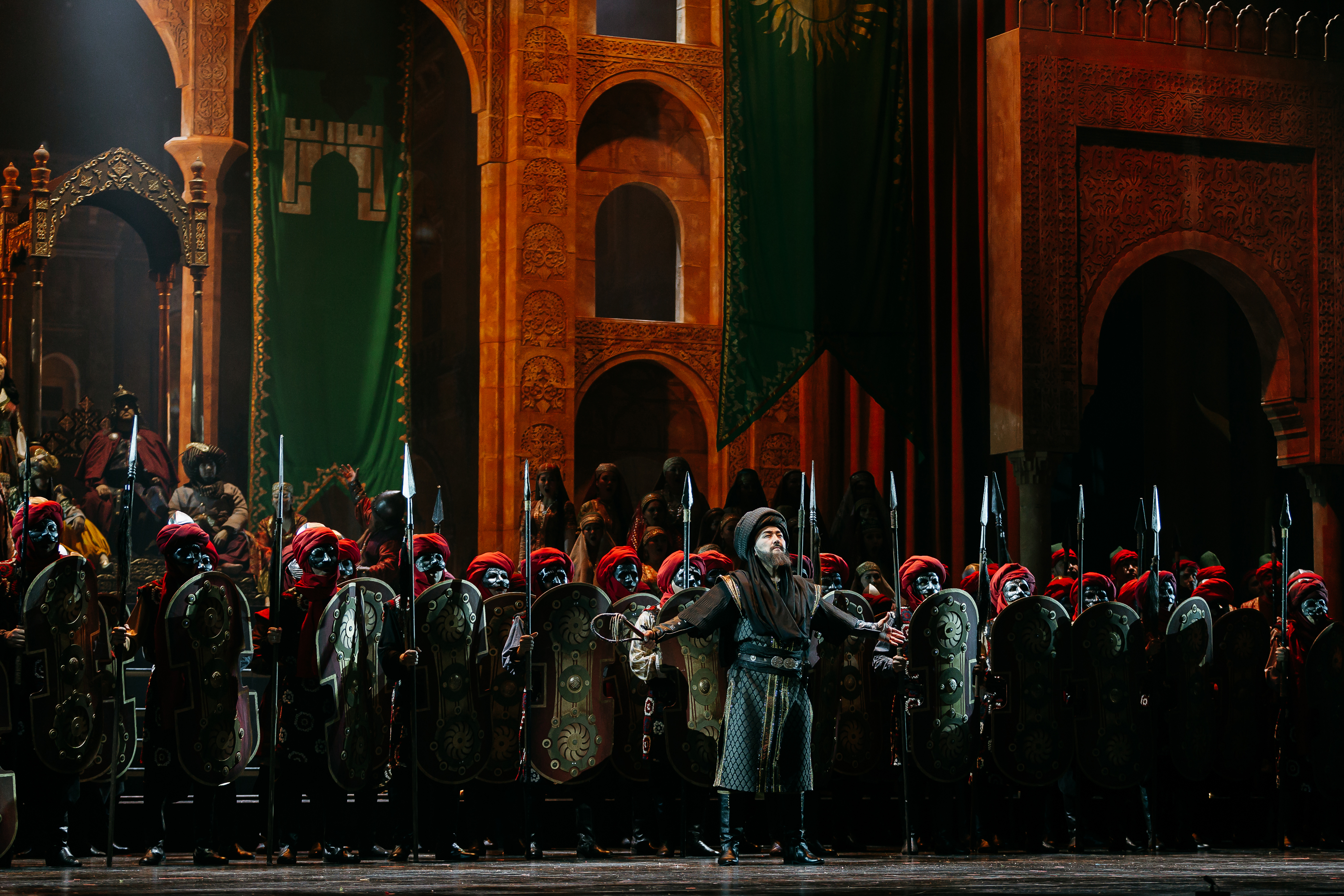
The production is distinguished by its expansive staging: the action develops from the Kipchak steppe and camp to palace halls and seascapes. The performance utilizes expressive symbolic imagery—the cage as a symbol of captivity and unfreedom, the eagle as a symbol of freedom, and the blooming steppe in the finale as an image of life, memory, and rebirth. These decisions enhance the opera's dramaturgy and help reveal not only Appak's personal story but also the broader theme of the people's spiritual resilience.
The musical foundation of the production combines classical operatic traditions, steppe motifs, and elements of Eastern tradition. National instruments, choral scenes, movement techniques, and a large-scale set design lend the production a distinctive tone.