The archaeological heritage of the Kultobe settlement was presented in the Ulytau region.
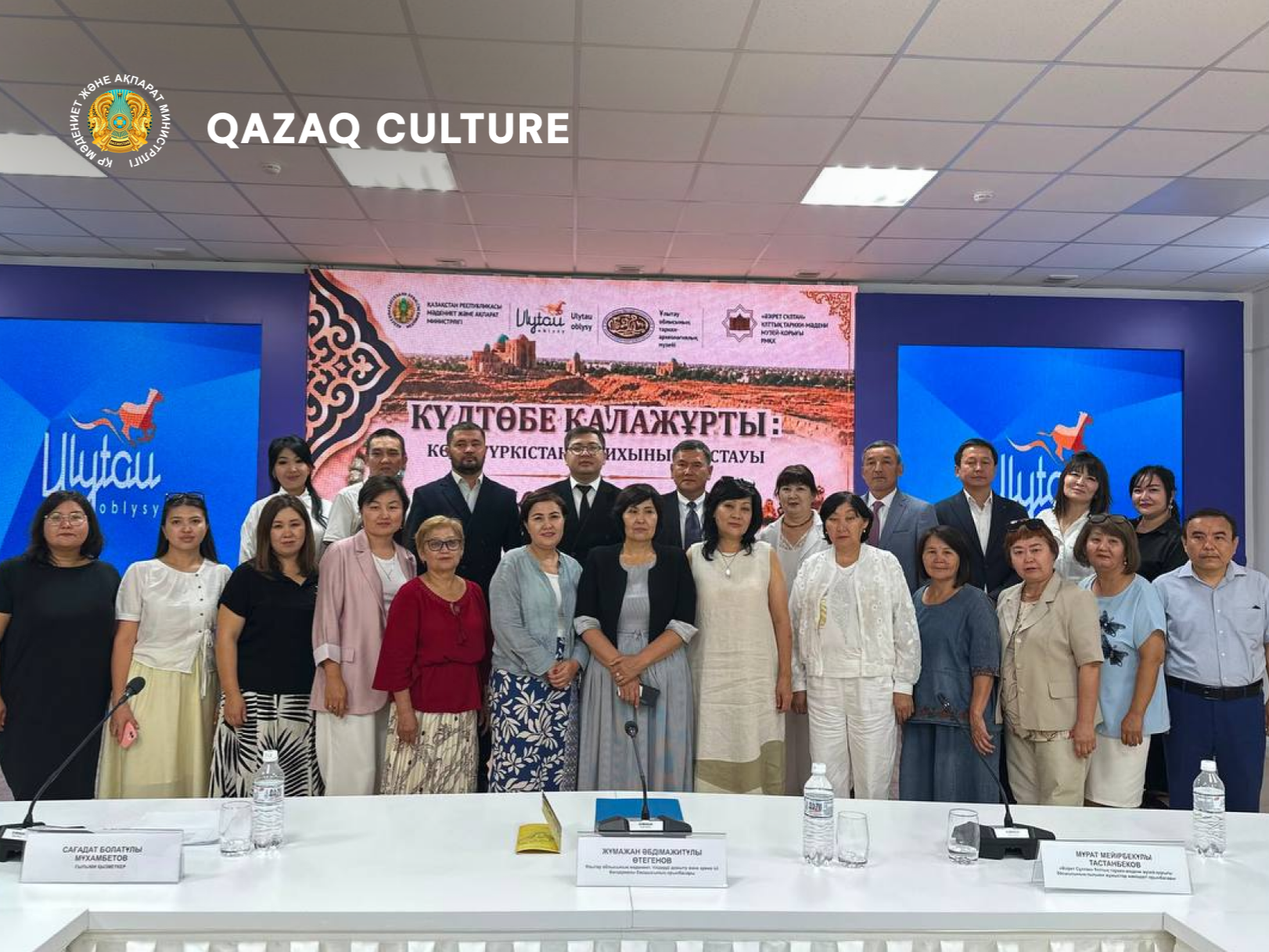
A traveling exhibition, "Kultobe Settlement: The Origins of Ancient Turkestan," has opened in the Ulytau region. The exhibition introduces the archaeological legacy of one of the most ancient historical and cultural centers of the Turkestan oasis and the stages of urban culture development in the Great Steppe.
The project is organized by the Ulytau Regional Historical and Archaeological Museum in collaboration with the Aziret Sultan National Historical and Cultural Museum-Reserve.
The exhibition features 172 archaeological objects spanning several historical eras. Among them are hearths from the 1st to 4th centuries, ornamented vessels with handles from the 7th and 8th centuries, jugs and ceramic water pipes from the 14th century, and lamps and bowls from the 18th and 19th centuries. A separate section of the exhibition is dedicated to the numismatic collection.
It includes coins from the periods of the Kokand Khanate, the Emirate of Bukhara, and the Russian Empire. Visitors will be presented with round and square fulus coins bearing the inscriptions "Zarb Latif Kokand" and "Fulus Jadid," minted at the Kokand and Fergana mints, as well as coins of the Russian Empire from the late 19th century. The event included a press conference dedicated to the historical and cultural significance of the Kultobe settlement and its special place in the history of Turkestan.
The exhibition will run for one month.