The Rock Mosques and Related Sites of Mangystau are included in the UNESCO World Heritage List.
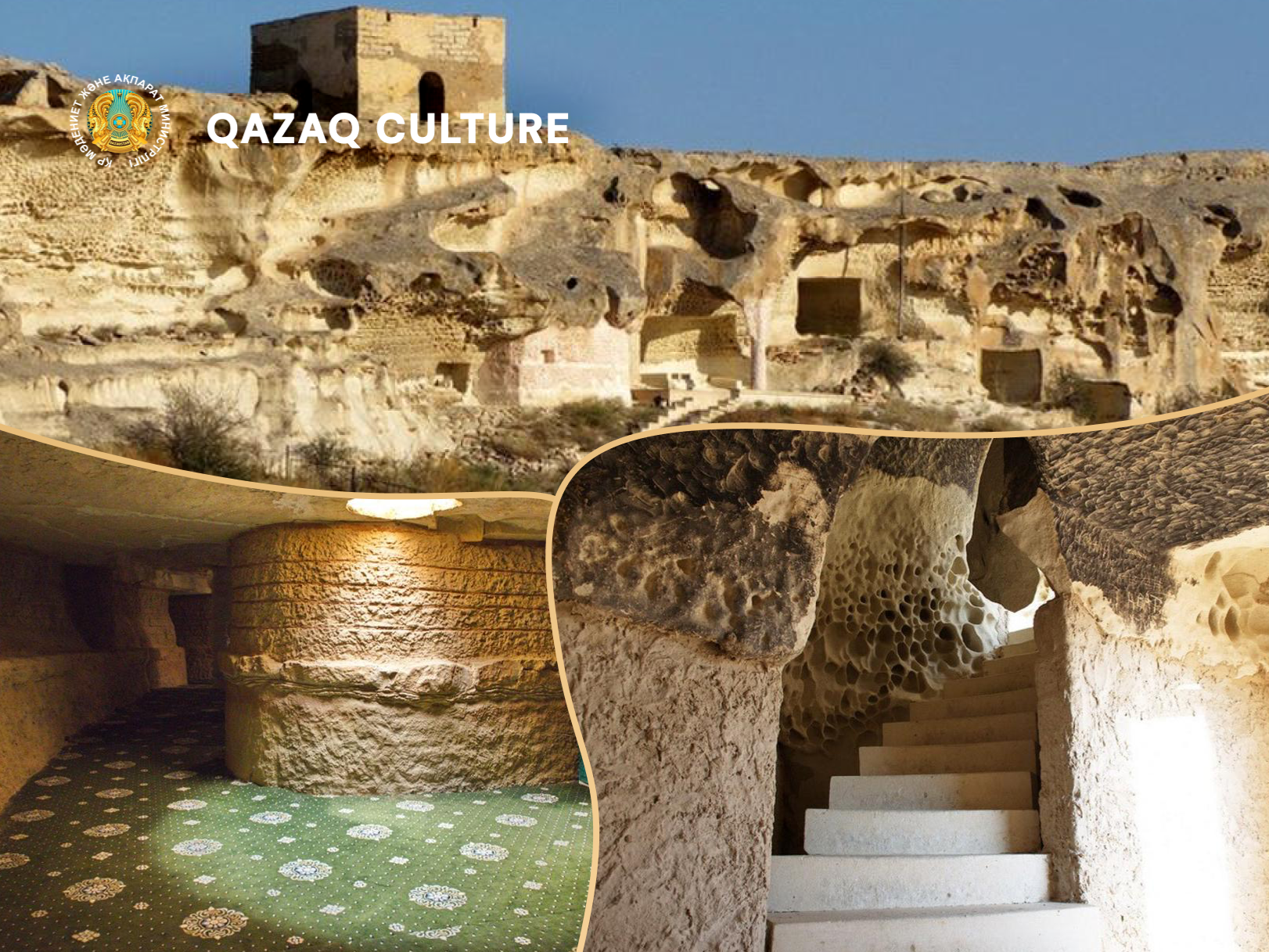
At the 48th session of the UNESCO World Heritage Committee in Busan, South Korea, the decision was made to inscribe the "Rock Mosques and Related Sites of Mangystau" on the World Heritage List.
The preparation and promotion of the nomination was carried out in accordance with the instructions of Head of State Kassym-Jomart Tokayev, given in 2024 at the third meeting of the National Kurultai in Atyrau. The President set the goal of preserving and promoting the region's unique natural landscapes and historical and cultural heritage at the global level, as well as beginning work on inscribing the underground mosques of Mangystau on the UNESCO World Heritage List.
This serial site unites five sacred complexes – Shopan Ata, Karaman Ata, Shakpak Ata, Sultan Epe, and Beket Ata.
The World Heritage Committee recognized its Outstanding Universal Value under criteria (ii) and (iii), noting that the property reflects the formation of a unique sacred landscape in Mangystau, which arose from the centuries-long interaction of the Sufi spiritual tradition and the culture of nomadic peoples.
Each complex represents a holistic sacred landscape, including rock-cut mosques, historical necropolises, burial sites of revered Sufi masters, pilgrimage routes, sacred wells, and other sites of religious significance.
These sites remain important pilgrimage centers, where living spiritual traditions and the institution of shyraksha—the guardians of sacred sites—have been preserved for centuries.
All five complexes are under state protection and are included in the State List of Historical and Cultural Monuments of National Significance. To ensure their long-term preservation, an Integrated Management Plan for 2027–2032 is being developed, covering conservation, sacred landscape protection, visitor management, risk prevention, and scientific research.