Kazakhstan's Voice on the International Stage: The Story of Sanat Asuat
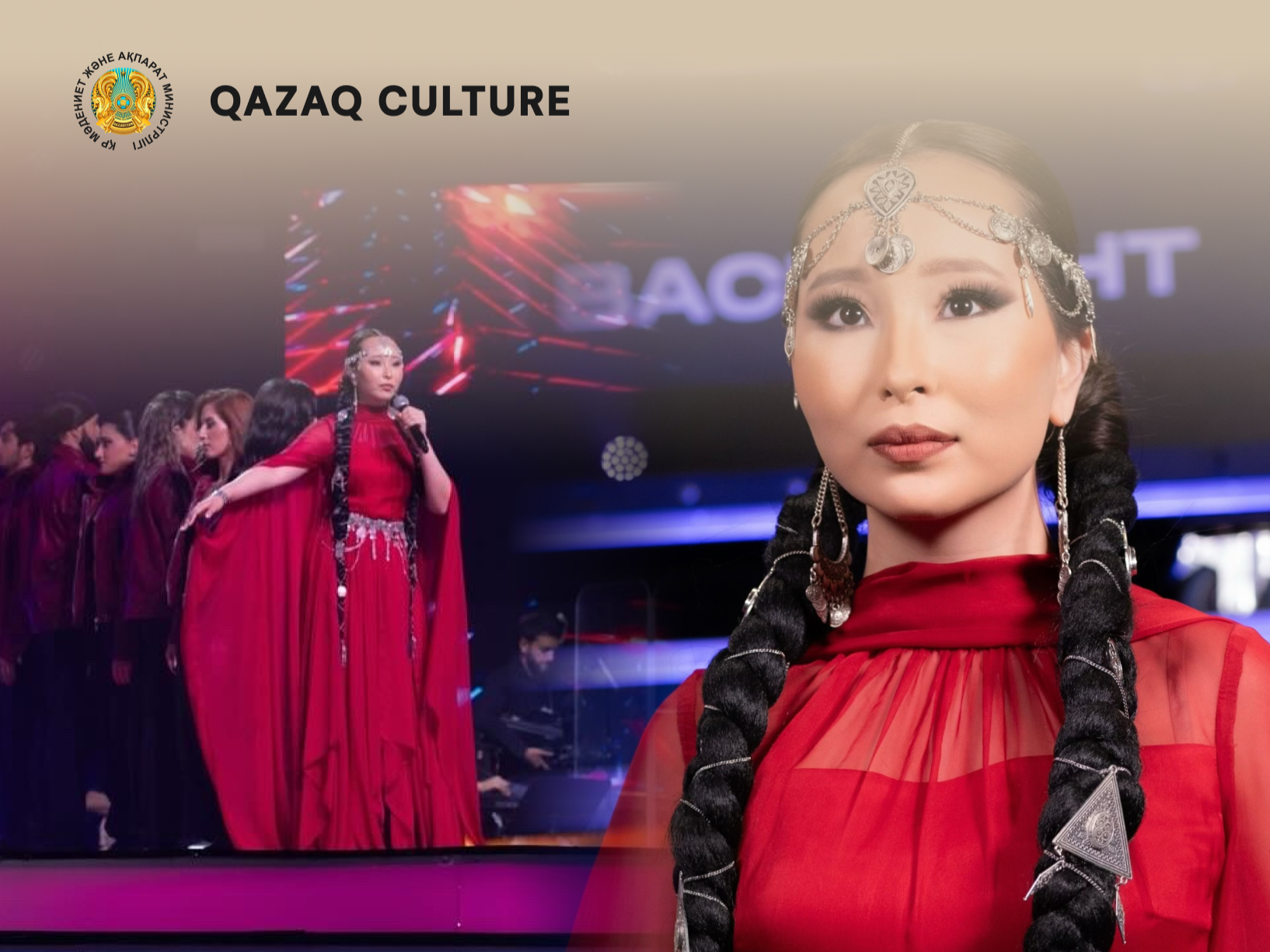
Kazakhstan is renowned for its outstanding talent, and every year, more and more stars emerge on the international stage to represent our culture to the world. The voice is not just an instrument for conveying melody, but also a powerful means for expressing national identity and deep feelings. One such star was Sanat Asuat, whose performance on "The Voice of Azerbaijan" not only reflected her roots but also gave the world a piece of the Kazakh soul. Her path to success, her choice of mentor, and her artistic evolution have become an inspiring example for young Kazakhstanis. We spoke with Sanat Asuat about her musical journey, the importance of her native language on the international stage, and how her voice helps shape a unique artistic identity.
– When did you realize that vocals were not just a passion, but your profession and destiny?
– I started singing from early childhood. For as long as I can remember, I have always participated in various competitions: first in city competitions, then in national and international projects. For me, every competition was a true celebration, bringing not only inspiration but also valuable stage experience. I enjoyed the process itself and didn't think about the future, simply enjoying the fact that I was doing what I loved and was good at. However, by the time I graduated from high school, I began to realize that music was more than just a passion for me. Looking back on my career, I felt it wasn't just a hobby, but my destiny. I realized I couldn't choose any other profession but music. There were moments of doubt and fear about the uncertain future, but I decided to enroll in the Academy of Arts, and it was one of the best decisions of my life. Now, looking back, I haven't regretted it once.

– What did the Academy of Arts give you, and how did this manifest itself in the "Voice of Azerbaijan" project?
"Educating at the Academy of Arts not only developed my creative thinking and professional technique, but also my inner resilience, which was crucial on The Voice of Azerbaijan. These skills proved invaluable when I faced a high level of competition.
Speaking about my teacher, Nagima Khabdulovna, sharing her experience, teaches us to think like artists: to understand why we go on stage, what we want to convey to the audience, and how to hold their attention. She helps us learn to stay calm and not lose our nerve under pressure. These lessons became my main pillars on the project. Under high expectations and stress, I managed to remain myself, confidently take the stage, and fully focus on the music without succumbing to fear."
– How do you choose a mentor, and what did you learn from Eldar Gasimov?
The day before the filming of the first stage of the "blind auditions," I learned that Eldar Gasimov, the 2011 Eurovision winner, would be sitting in one of the chairs. I immediately knew I wanted to join his team. It was an important decision for me, and when three mentors approached me, I had no doubt and chose Eldar Gasymov.
He is a true professional, and working with him was an honor. I felt supported at every step of the way in his team: he was always present at rehearsals, monitoring the process, and providing precise feedback. One day, during a rehearsal, he said, "It's important for an artist to enjoy the process in order to convey these emotions to the audience." This thought left a deep imprint on me, and with each stage, I enjoyed the moments on stage more and more, sang from the heart, and devoted myself completely to the creative process.
– What did you want to convey by performing a song in Kazakh on the international stage, and why is this important to you?
– Performing the song "Izin Körem" was one of the most memorable and special moments for me. It was a dream to sing in my native language on an international stage and give a foreign audience the opportunity to experience our culture and music. The dombra performer for this performance was 17-year-old Adnan Amirli, a talented Azerbaijani musician who mastered the instrument on his own and is actively developing this art.
This number became a true cultural statement for me. I wanted to convey the spirit of the Kazakh people, the strength of their ancestors, and the beauty of the Kazakh language. For me, this was an important step in conveying our unique cultural identity through music.
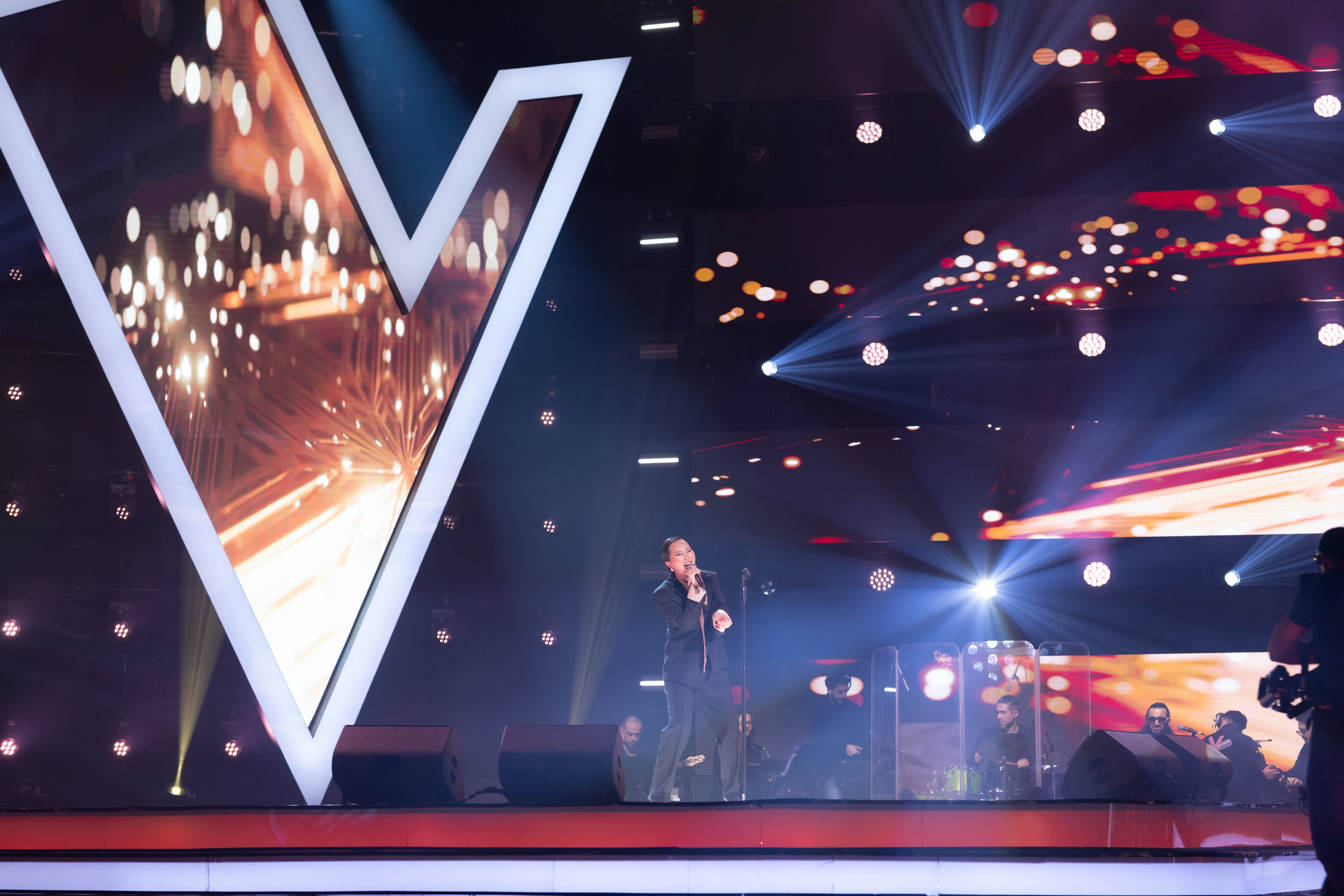
- How does participation in a different cultural environment affect an artist?
- Participation in a different cultural environment significantly broadens an artist's horizons. Thanks to this project, I felt my growth and development as a performer. This became especially evident after performing a song in Azerbaijani in the final. I began to experience my voice and myself in a new way, as during my participation, I was able to work in various images and genres that would have previously seemed impossible to me. My presentation and repertoire have also changed: I've become more conscious of how I work with the song and interact with the audience. Of course, there were challenges, but with each stage, I realized that my identity is not a limitation, but a strength.
– How do you perceive the attention on social media, especially after your performances made it into international compilations (Global Voice/Best of the Voice)?
– When I first saw my performance in an international compilation, I couldn't believe my eyes. On the one hand, going viral is a chance for my voice and culture to be heard by people from all over the world who might never have recognized me. On the other hand, it's also a great burden, as there is pressure of expectations – from the audience, the industry, and even from myself. In such moments, it's important to maintain inner confidence and not lose focus. I remind myself that my sincerity and my unique style have led me to this attention. Instead of following trends, I try to remain true to myself in my performance and repertoire. I think audiences always sense sincerity, and that's what keeps my work engaging for so long.
– What kind of support from your family and loved ones was crucial for you, and what advice would you give to young artists?
– All my achievements and successes aren't solely my own. Behind every step is the faith, support, and love of my parents and my entire family. Throughout the entire project, my mother was by my side, supporting me at every stage. And at the more crucial stages, like the round of 16, quarterfinals, and semifinals, almost my entire family came. Knowing they were there gave me incredible strength and confidence. Their support gave me the impetus to move forward, and I think it was thanks to this that I was able to reach the final. I also felt tremendous support from my hometown, Atyrau, and from my teachers and friends at the Academy.
To teenagers and young artists from across Kazakhstan, I want to say one thing: believe in yourself, don't be afraid to dream, and strive for your goals. Talent knows no bounds, and most importantly, dreams come true. Be persistent and open-minded, follow your own path, and success will surely come!