From ancient settlements to digital archives: A new life for Kazakhstan's heritage
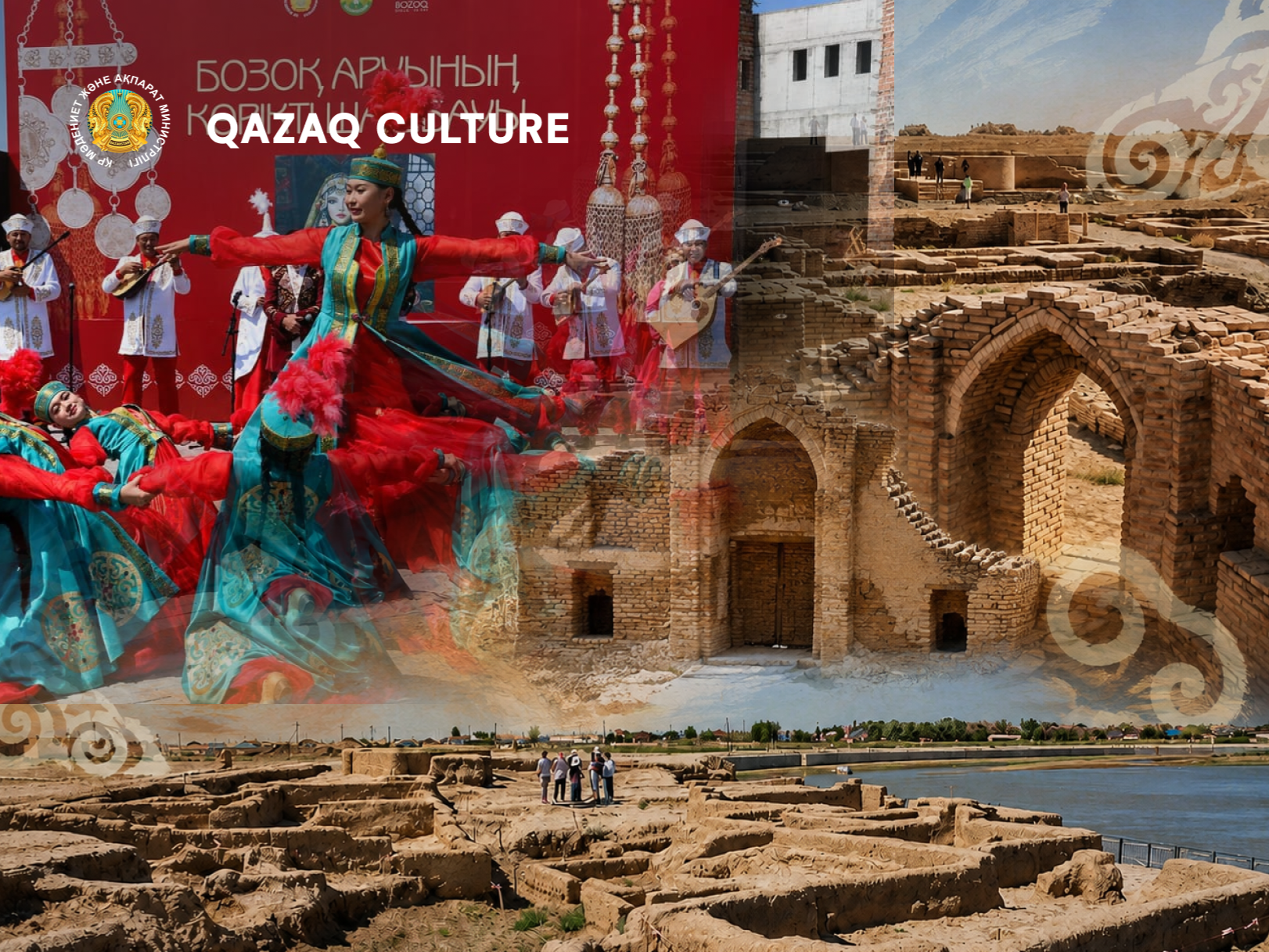
The history of Kazakhstan is preserved not only in chronicles. It remains in the lines of ancient petroglyphs, fragments of ceramics, outlines of ancient settlements, and mausoleums that have survived more than one century. Some monuments are well known to travelers, while others are still being studied by archaeologists. Together, they form a vast cultural map of the country, where the past continues to reveal itself anew.
More than 25 thousand objects of historical and cultural heritage are under state registration in Kazakhstan. Behind this figure are monuments from different eras: from archaeological complexes and medieval settlements to sacred structures and historical architecture. Preserving such heritage means not just protecting individual buildings or finds. It is important to research them, restore the historical context, and make knowledge about them accessible to modern people.
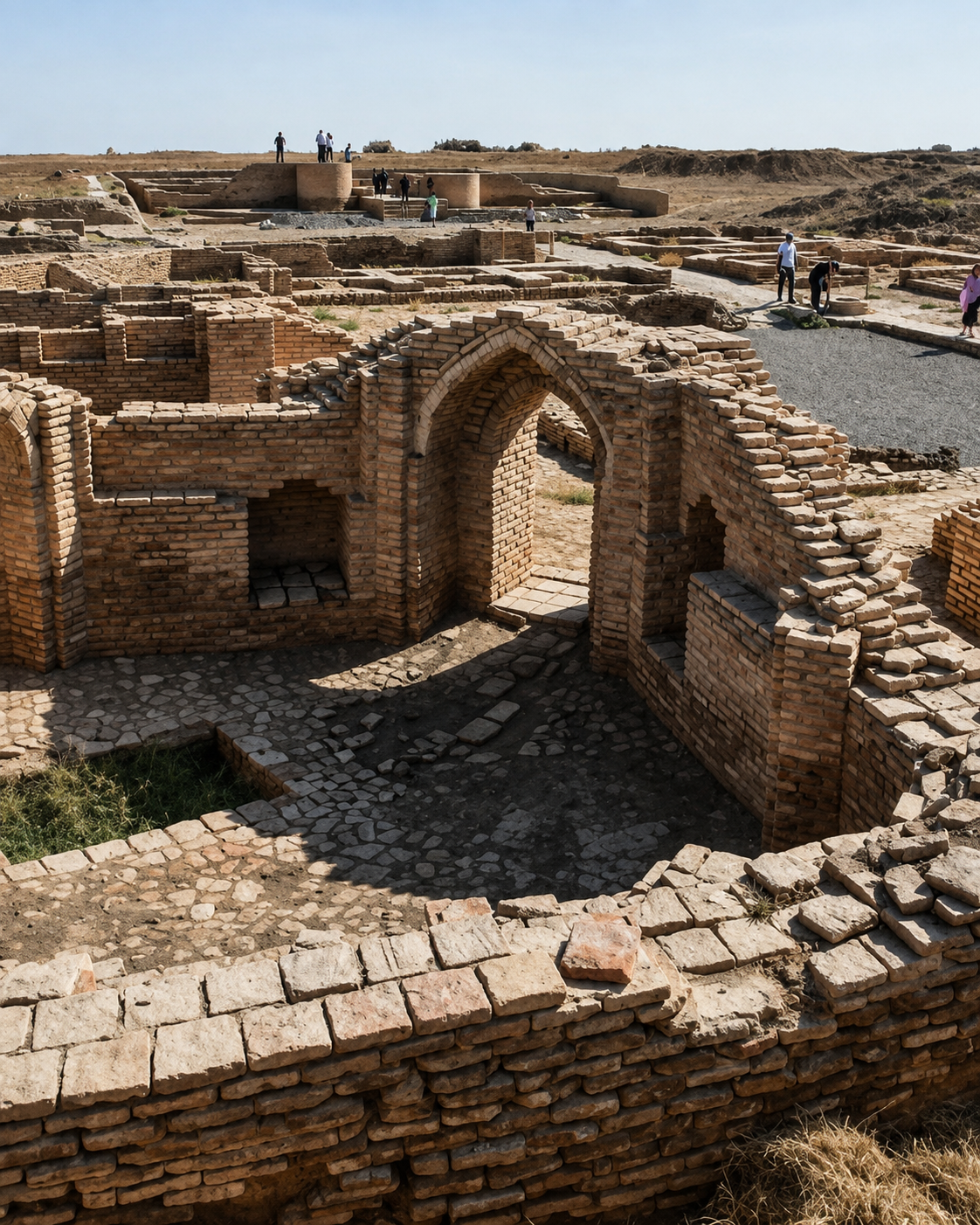
Museum-reserves have become one of the main tools for this work. In recent years, their network has been replenished by "Bozok," "Saraishyk," "Botay-Burabay," "Otyrar," "Tanbaly," and "Ulytau." Such spaces differ significantly from a typical museum where exhibits are collected inside one building. Here, the main object is the territory itself – an ancient settlement, a cultural landscape, a complex of monuments, or a place of archaeological research.
Visitors do not just look at individual objects but find themselves within a historical environment. In Ulytau, they come into contact with the memory of important stages of Kazakh statehood; in Turkestan, with the spiritual and architectural tradition of the region; and in Tamgaly, they can see rock carvings left by people many centuries ago.
Interest in such routes is growing. In the first half of the year, Kazakhstan's museum-reserves hosted more than 780 thousand visitors. For the regions, they become not only cultural institutions but also points of development for domestic tourism. Around historical complexes, excursion routes, research programs, and new formats for experiencing heritage are being formed.
However, before a monument becomes accessible to the public, it often requires serious scientific and restoration work. Throughout the year, such activities are planned for more than fifty objects of republican and local significance.
Working with a historical structure is not limited to external repairs. First, specialists study materials, construction techniques, the condition of the structure, and earlier changes. Depending on the results, the object may be conserved, restored, partially recreated, or adapted for safe visitation. An error at any stage can deprive the monument of authentic details, so every decision must have a scientific basis.
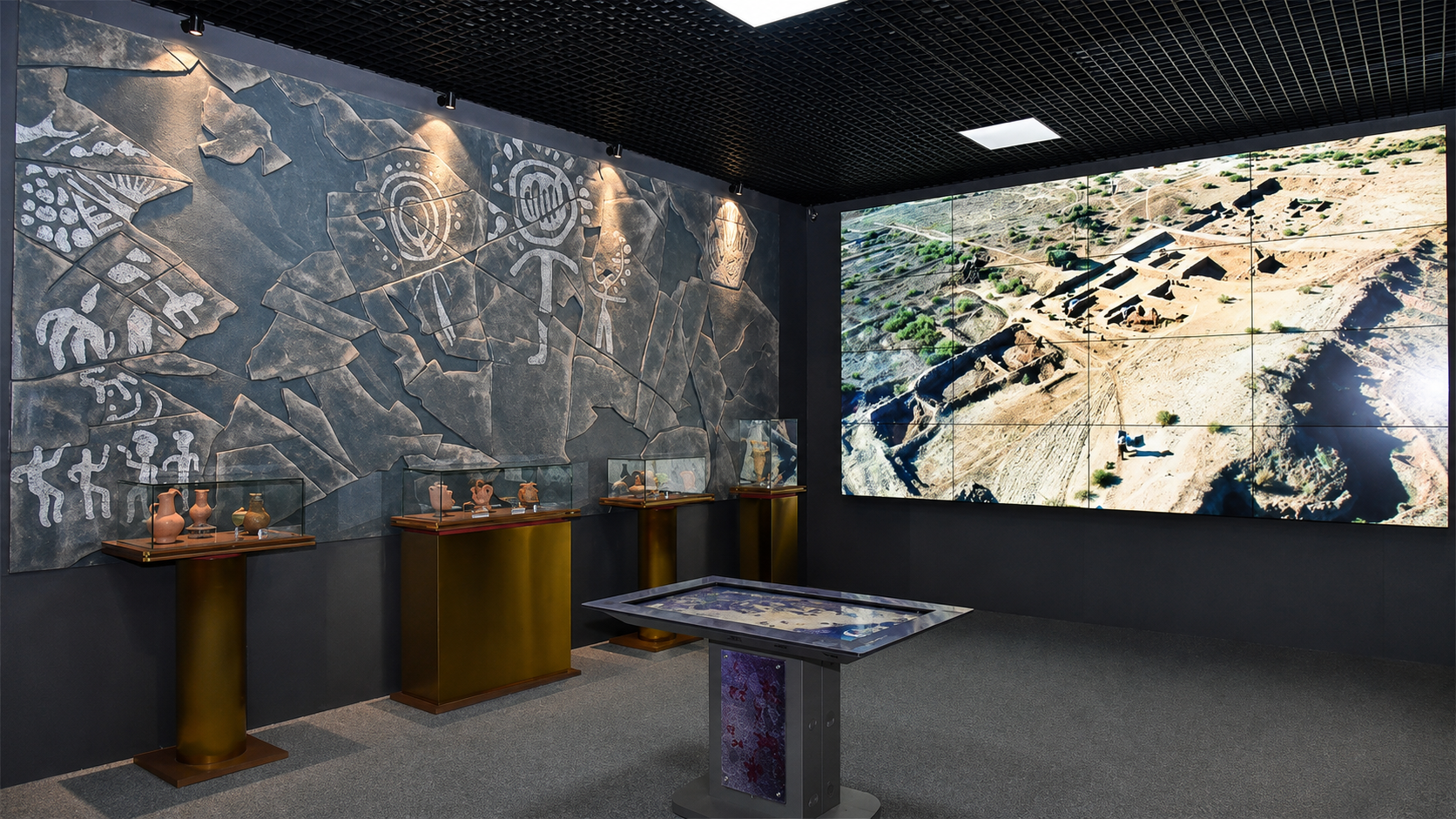
At the same time, the idea of what a modern museum should be is also changing. Today, it is not enough to place an object in a display case and provide it with a short caption. It is important for visitors to see the connection between the exhibit, the era, and human history. Therefore, museums are increasingly turning to multimedia formats, digital catalogs, virtual exhibitions, and interactive ways of presenting material.
New technologies are especially valuable when working with fragile or damaged sources. This was demonstrated by the exhibition "The Face of the Nation: Kazakh Clothing in Photography and Artificial Intelligence." The project was based on old photographs, some of which, due to their low quality, were previously difficult to present to a wide audience.
With the help of digital processing, specialists restored lost details of the images. Visitors were also given the opportunity to compare the original photographs with the updated versions via QR codes. Thus, the technology did not hide the condition of the original but became a tool for its study.
Such projects show that artificial intelligence can be useful to a museum not as a replacement for a researcher, but as an additional way of working with material. It helps make images more distinguishable, prepare digital copies, and open access to sources that previously remained in storage.
A new life for museum collections also begins outside the exhibition halls – during archaeological expeditions. Research is being conducted in the Almaty, Zhambyl, and Turkestan regions. Among the objects being studied are the Akburyn burial ground near the settlement of Aktas and the Zhaushykumtobe ancient settlement in the vicinity of Shardara.
Work at the excavation site requires patience and precision. Even a small fragment of a vessel, an element of decoration, or a trace of an ancient building can change scientists' understanding of the monument's age, trade connections, or the daily lives of its inhabitants. After the field stage, the finds undergo processing, description, and scientific study. They then replenish the collections, become part of publications, and sometimes take their place in new exhibitions.
Cooperation between Kazakhstani specialists and foreign scientific institutions is of particular importance. Joint research allows for the comparison of methodologies, complex expert examinations, and the consideration of monuments of the Great Steppe in a broader historical context.
Thus, heritage preservation today occurs in several spaces simultaneously. Restorers strengthen walls and structures, archaeologists unearth new evidence of the past, museum staff create exhibitions, and digital technologies open access to materials that were previously inaccessible to visitors.
A historical monument cannot exist only as a silent trace of a bygone era. For it to remain a part of culture, research, interpretation, and dialogue with society must continue around it.
It is then that heritage ceases to be a static collection of antiquities. It becomes living knowledge about the country – knowledge that helps to understand its past, see the depth of its cultural traditions, and consciously build a connection with the future.