Theater Backstage: how children discover "Astana Opera" from within
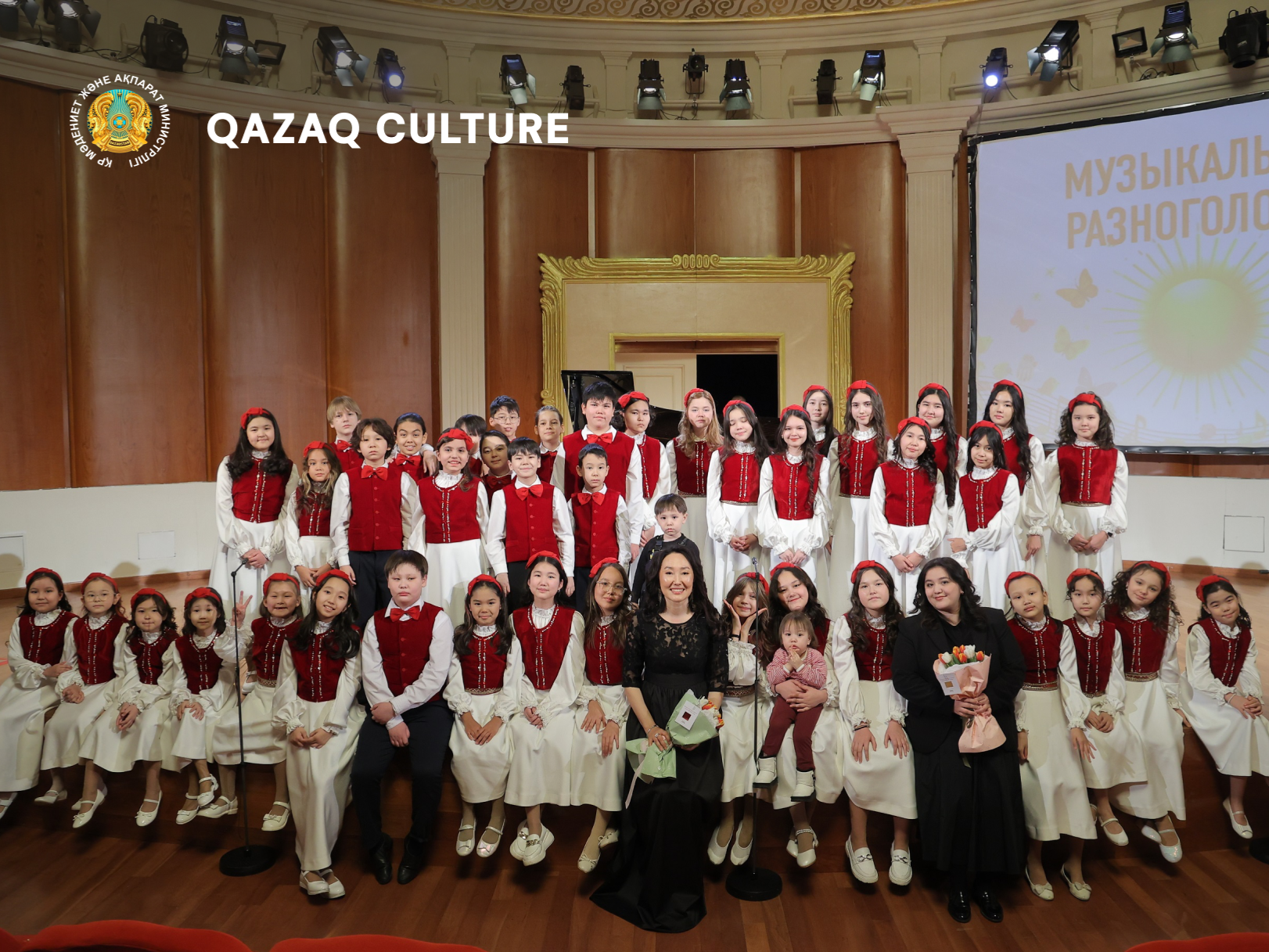
What happens in the theater in the hours before the curtain rises? Where are the costumes kept, how are the props created, who controls the lighting, and what does the artist see before going on stage?
For the audience, much of this life usually remains invisible. But this summer, children were able to literally walk the path of a performance's birth.
The Astana Opera Children's Theater Studio organized its first creative camp, transforming the holidays into an introduction to the theater not from the auditorium, but from the inside. Two sessions, with 20 participants each, brought together children who, over several weeks, explored six disciplines simultaneously: choreography, acting, choral singing, cutting and sewing, painting and drawing, and calligraphy.
For some, the main discovery was dance. Others heard their own voices in the choir for the first time. And still others picked up a needle and thread and unexpectedly discovered that creating something with their own hands is no less exciting than performing on stage. But the real magic began where the average audience rarely gets to see it – backstage.
The children saw stage mechanics, learned about lighting and sound, and learned how theatrical makeup is created. They visited the props, costume, shoe, and sewing shops, and even explored the sound department and the theater library.
Thus, the familiar image of the theater changed. It became clear that the performance begins long before the first chord, and that weeks of work by dozens of specialists lie behind the few hours of stage action.
This opportunity to see art as a process became one of the main attractions of the camp.
"My daughter picked up a needle and thread here for the first time and even sewed a few crafts. It was a real discovery for her. The excursions and the atmosphere were especially memorable. We saw how much the children loved the teachers and how eagerly they returned to class," says Elmira Gabbasova.
The camp's purpose, however, was broader than simply keeping children occupied during the holidays. It was important to the organizers to give the children the opportunity to explore different creative forms and discover what truly resonates with them.
You don't have to dream of the stage to find your place in the theater. One child might be more interested in drawing, another in costume design, a third in working with movement or voice. In this sense, the theater becomes a vast laboratory where art is shaped by very different professions.
It's especially interesting that many families' introduction to this environment continued after the camp ended.
Children and their parents began attending Astana Opera performances and concerts. These included Gaetano Donizetti's "The Elixir of Love," Giuseppe Verdi's "Aida," the ballet "Notre Dame de Paris" set to the music of Maurice Jarre, and programs at the Kulyash Baiseitova Chamber Hall.
And here an important shift occurs. A child who recently viewed the theater as a beautiful building and a large stage now notices much more. He understands where costumes come from, who is responsible for the lighting, how the stage moves, and how many people remain invisible to the audience.
The theater becomes a familiar space.
In the new season, the Children's Studio will continue its work in three main areas: choral, ballet, and crafts. Young choristers will be able to participate in repertoire operas and concerts at the Chamber Hall, students in the ballet department will continue to master the basics of classical dance, and in the crafts studio, children will become familiar with the professions of prop master, cutter, and other aspects of theater production.
Perhaps some of today's students will actually make it onto the big stage in years to come. Some will choose music, some ballet, and still others will find themselves on the other side of the curtain, creating the world of the performance with their own hands.
But for this to happen, one must first do the simplest thing—one day open the backstage door.
Because sometimes, a love of theater doesn't begin with applause. And from the first stitch, the first note, the brushstroke, or that very moment when a child first sees the scene from the other side.