Dina Nurpeisova is the beacon of the Kazakh kuy art
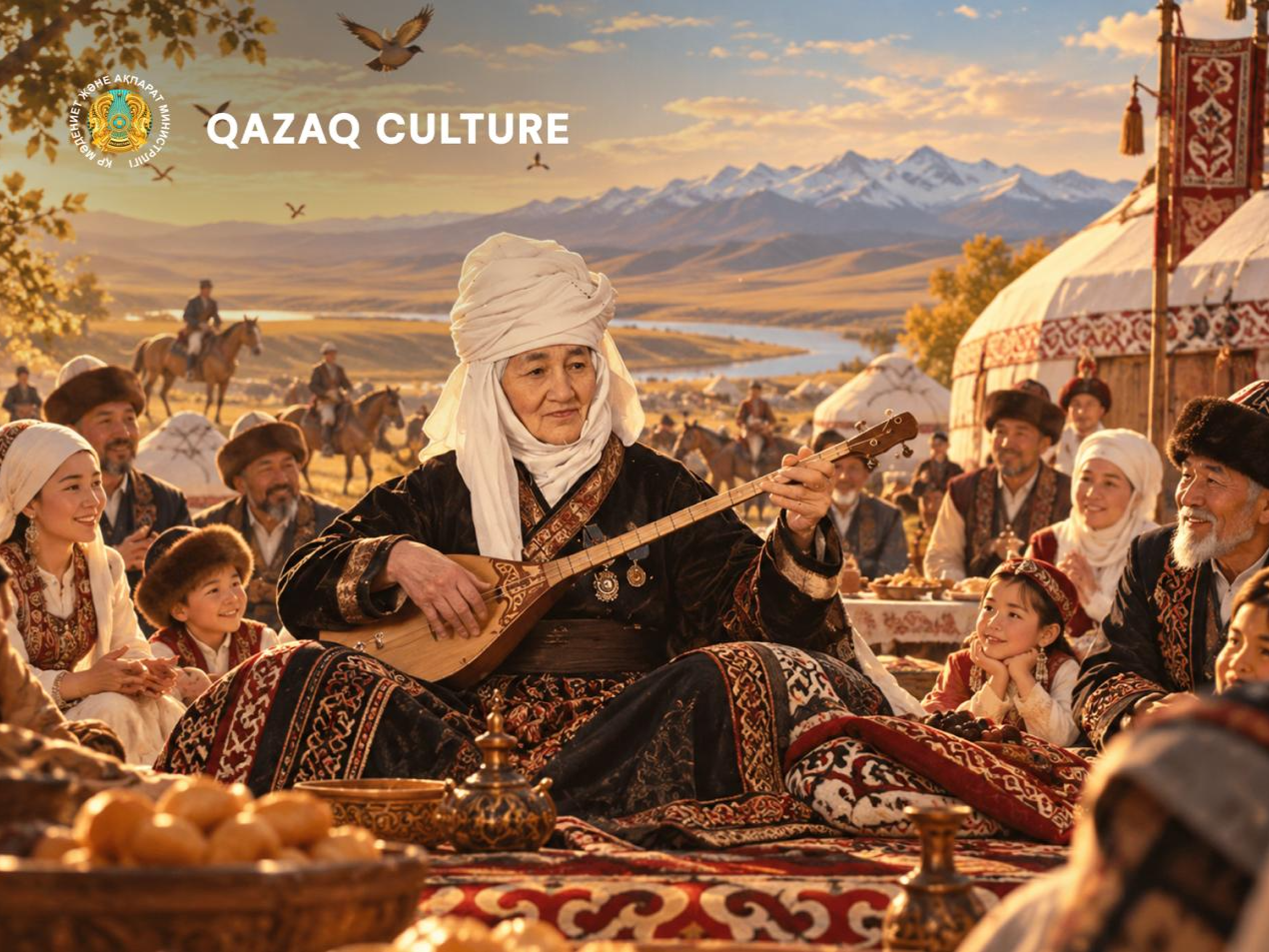
In the history of Kazakh national musical art, the name of the outstanding kuy-composer Dina Nurpeisova shines in gold letters. Her life and work are a vivid reflection of the spiritual heritage of the Kazakh people, formed over centuries, as well as their unbending character and devotion to art. Each piece by Dina Nurpeisova is a chronicle of an entire era, an expression of the aspirations, joys, and thoughts of the people. Dina was born in 1861 in the Zhangala district of the West Kazakhstan region. Her father, Kenje, and mother, Zhamankara, were people who deeply revered folk traditions and loved musical art. The future kuy-composer's natural gift manifested itself from a very early age. Absorbing the melodies of folk storytellers and musicians who frequently visited their house, Dina first picked up her father's dombra at the age of five or six. Noticing the girl's passion for the instrument, her father became her first mentor, supporting her endeavors. However, Dina's main teacher and the true pinnacle of the Kazakh kuy was the great Kurmangazy Sagyrbayuly. Recognizing her extraordinary performance skills and deep understanding of music, Kurmangazy blessed young Dina and passed on to her the secrets of dombra-playing mastery. Their meeting fundamentally changed her entire life and creative destiny.
Creative Heritage: The Voice of an Era and a Testament to Descendants Dina Nurpeisova's compositional style is distinguished by powerful energy, rapid tempo, and deep national color. Her works strike with the richness of content and technical complexity. In her kuys, she masterfully captured the beauty of her native nature, the people's striving for freedom, and the breath of time. Her most famous works include: "Bulbul" ("Nightingale") — a masterpiece in which the singing of birds and the beauty of nature are conveyed through the dombra with incredible delicacy and skill. "Zhenis" ("Victory") — a majestic piece created during the Great Patriotic War, glorifying the courage of the people and the joy of victory. "Baizhuma" and "On altinshy zhyl" ("Sixteenth Year") — deep compositions reflecting the historical events and social realities of that time. "Karakus" ("Eagle"), "Tost," and "Nauryz" — vivid works showing the traditional way of life and the mood of the people. Dina managed not only to preserve Kurmangazy's work but also to carefully convey to future generations the priceless heritage of other folk composers, such as Dauletkerey, Makhambet, Ezzhan, and others.
A Feat in Art and a Lifelong Example Dina Nurpeisova's life was not limited to creativity alone. She faced many harsh trials and blows of fate. Even in the difficult years of wars and devastation, she did not part with her dombra, serving as a spiritual support for the people. In 1944, an All-Union review of folk instrument performers took place in Almaty, where Dina, at over eighty years of age, demonstrated unsurpassed skill and virtuoso technique. This triumph brought her all-Union fame. She was awarded the honorary title of "People's Artist of the Kazakh SSR," becoming a well-deserved recognition of her enormous contribution to national art. Dina Nurpeisova passed away in 1955, but the immortal heritage she left behind continues to live in the hearts of Kazakhstanis. Her destiny is an inspiring example of endless devotion to the Motherland, love for art, and indomitable strength of spirit for the young generation. The melodies of her dombra will forever remain an eternal hymn to the Kazakh national spirit.